 Mar Vista Winter Farmers Market Picker for Weekend Cyclists
Weekend Plans
Cemetery Tour in Boyle Heights: Evergreen Cemetery History
Cemetery tour in Los Angeles? Evergreen Cemetery is the city's oldest non-denominational burial ground, and its stones trace Boyle Heights' immigrant history.
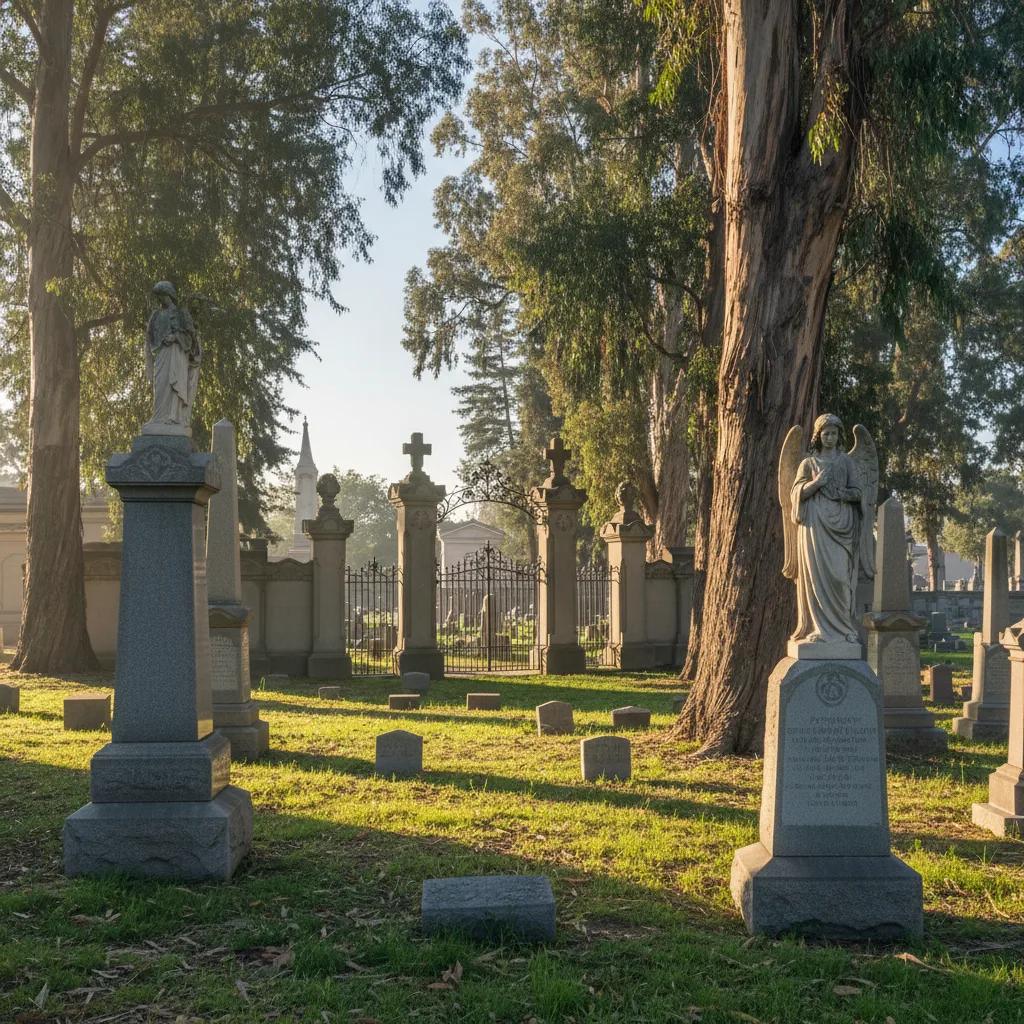
Evergreen Cemetery, located at 204 N Evergreen Ave in East Los Angeles's historic Boyle Heights neighborhood, holds the distinction of being the oldest non-denominational cemetery in the City of Los Angeles. Consecrated in 1877 across sixty-seven urban acres, Evergreen serves as the final resting place for more than 300,000 Angelenos, reflecting the multiethnic immigrant history of Southern California. Walking the historic grounds and the 1.4-mile perimeter rubberized community jogging track is completely free of charge ($0.00), offering an unvarnished encounter with frontier California heritage and diverse pioneer communities.
Traveling to Evergreen Cemetery using public transportation is exceptionally seamless via the Los Angeles Metro rail network. Visitors can take the Metro E Line light rail to either the Soto Station or the Indiana Station, both of which are situated just three short blocks from the cemetery gates along East 1st Street, with standard one-way fares costing $1.75 on a reusable TAP card. Alternatively, Metro Bus Line 106 travels directly along 1st Street and stops right in front of the main entrance avenues. Drivers arriving via the Pomona Freeway California State Route 60 or the Golden State Freeway Interstate 5 will find free visitor parking along the wide paved avenues inside the cemetery gates.
Evergreen holds a unique civic position in Boyle Heights as both a sacred historical cemetery and an active community gathering ground. Encircling the entire sixty-seven-acre exterior boundary is the famous 1.4-mile decomposed granite and rubberized fitness path, constructed to provide local neighborhood residents with a safe, shaded running and walking circuit. Inside the gates, towering lemon-scented eucalyptus trees, Aleppo pines, and California pepper trees shade gently rolling knolls where urban traffic noise softens into peaceful bird calls and rustling leaves.
What sets Evergreen apart from other Southern California cemeteries is its rich tapestry of distinct ethnic, cultural, and fraternal memorial sections. The cemetery contains an expansive Japanese-American section honoring members of the famed 442nd Regimental Combat Team, alongside a monument dedicated to pioneering community leaders. Visitors can also explore historic Chinese immigrant memorial sites, including the 1888 brick ceremonial burner and Potter's Field, alongside Serbian, Armenian, and Mexican-American family burial plots.
A structured walking tour across the historic grounds connects visitors with early municipal titans and legendary social pioneers who shaped early California. Prominently buried here is Biddy Mason, born into slavery in 1818, who won her freedom in an 1856 Los Angeles court, built a successful career as a pioneer nurse and real estate entrepreneur, and co-founded the First African Methodist Episcopal Church. Early Los Angeles mayors James R. Toberman and William H. Workman rest here, alongside pioneering land developer Isaac Lankershim and members of the Pacific Coast Showmen's Association.
Evergreen also contains the celebrated Pacific Coast Showmen's Association section, dedicated exclusively to traveling carnival workers, circus performers, and vaudeville entertainers, featuring headstones carved with circus tents, acrobatic emblems, and theatrical masks. The architectural craftsmanship across Evergreen Cemetery reflects Victorian, Gothic Revival, and early twentieth-century fraternal symbolism. Large carved limestone monuments honor members of the Independent Order of Odd Fellows, the Freemasons, and the Woodmen of the World, displaying intricate carved tree trunks, compasses, and interlocking three-link chains.
The Workman family private plot features an imposing granite obelisk marking the civic footprint of one of Los Angeles County's founding ranching dynasties. Grassroots neighborhood historians and cultural preservationists organize periodic historical cemetery walks detailing early immigrant civil rights battles, traditional funeral customs, and urban preservation milestones across Boyle Heights. Independent walkers can photograph weathered carved ledger stones that trace the rapid expansion of Los Angeles from a frontier pueblo into a modern metropolis.
Visiting Evergreen between 8:30 AM and 11:00 AM delivers the most comfortable walking temperatures and tranquil atmosphere before midday heat warms the paved avenues. Morning sunlight illuminates the east-facing inscriptions of nineteenth-century pioneer headstones, making weathered German, Spanish, Japanese, and Chinese characters easier to decipher. Autumn visits in October and November are particularly scenic, as surrounding liquidambar and pepper trees take on warm seasonal foliage against clear foothill skies.
Because Evergreen is both a working cemetery and a community gathering space, visitors must observe clear distinctions between recreational and memorial areas. Joggers, power walkers, and pet owners are expected to use the designated 1.4-mile perimeter path outside the fence rather than the interior burial avenues. Inside the gates, visitors must speak in hushed conversational tones, respect ongoing committal services, and refrain from climbing or leaning against fragile nineteenth-century stone monuments.
Skip walking the expansive flat-marker lawn sections along the southern perimeter if your visiting time is under ninety minutes, as these newer sections contain modern flat bronze plaques with little architectural variety. Focus your footsteps on the historic northern quadrant adjacent to 1st Street, where the Pacific Coast Showmen's Association plot, the Workman obelisk, the Biddy Mason monument, and the historic Japanese-American veterans memorial are clustered. Be sure to carry a full water bottle, as the interior pathways offer few shaded drinking fountains.
A cemetery tour of Evergreen pairs naturally with exploring the vibrant culinary institutions of Boyle Heights, located just minutes away. Walk north to the original Guisados location at 2100 E Cesar E Chavez Ave for their celebrated handmade corn tortilla homestyle stew tacos, including Tinga de Pollo and Steak Picado at $4.50 each. Guests can also order their fresh grilled queso panela quesadilla for $4.50, or choose a hearty quesadilla con chorizo for $6.95, washed down with house-made horchata or cantaloupe agua fresca.
The Evergreen cemetery property at 204 N Evergreen Ave welcomes respectful walking visitors during regular daytime hours between morning and late afternoon. Basic public restrooms are available near the front office structure during visiting hours. Parking is permitted along the wide asphalt lanes inside the cemetery, but drivers must take care to avoid blocking maintenance access or pedestrian paths, and ensure vehicles exit before gates close at dusk.
If ongoing private services or maintenance work restrict touring along the interior avenues, your best nearby Plan B is visiting the historic El Pueblo de Los Angeles Historical Monument and Olvera Street three miles west across the Los Angeles River. Alternatively, explore Mariachi Plaza along East 1st Street to view vibrant community murals and celebrate the rich living musical traditions of Boyle Heights.
Ask Karpo for more information.
Keep reading
- Mar Vista Winter Farmers Market Picker for Weekend Cyclists
 Downtown LA Winter Farmers Market Picker for Car-Free Hosts
 Larchmont Winter Farmers Market Picker for Kimchi-Making Day