 Mar Vista Winter Farmers Market Picker for Weekend Cyclists
Weekend Plans

Los Angeles Cemetery Tour: Angelus-Rosedale Multicultural Victorian Monuments
A comprehensive guide to exploring a cemetery tour at Angelus-Rosedale Cemetery in Los Angeles, covering civil rights history, Victorian art, and visiting tips.
Angelus-Rosedale Cemetery, located at 1831 W Washington Blvd in the historic West Adams neighborhood of Los Angeles, opens its wrought-iron entrance gates daily at 8:00 AM, preserving sixty-five acres of the city's most significant nineteenth-century multicultural heritage. Founded in 1884 as Rosedale Cemetery by a coalition of forward-thinking Los Angeles civic leaders, it made civil rights history as the first non-sectarian cemetery in the city open to all races, religions, and creeds without racial segregation covenants. General daytime admission for self-guided historic walking tours is completely free daily between 8:00 AM and 5:00 PM ($0.00). Visitors can walk the historic curvilinear avenues to view Victorian funerary art and explore the gravesites of civic pioneers without any entry fees.
Reaching Angelus-Rosedale Cemetery via Los Angeles public transit is convenient and avoids congested West Adams neighborhood street parking. Riders can take the Metro E Line light rail to the Expo and Vermont station and transfer directly to Metro Bus Line 204 northbound, or board Metro Bus Line 35 which runs along Washington Boulevard and drops passengers right at the cemetery's main entrance, with standard one-way fares costing $1.75 on a reusable TAP card. Drivers traveling via the Santa Monica Freeway Interstate 10 can exit at Normandie Avenue or Vermont Avenue, with free visitor parking available along the main paved driveways inside the gates.
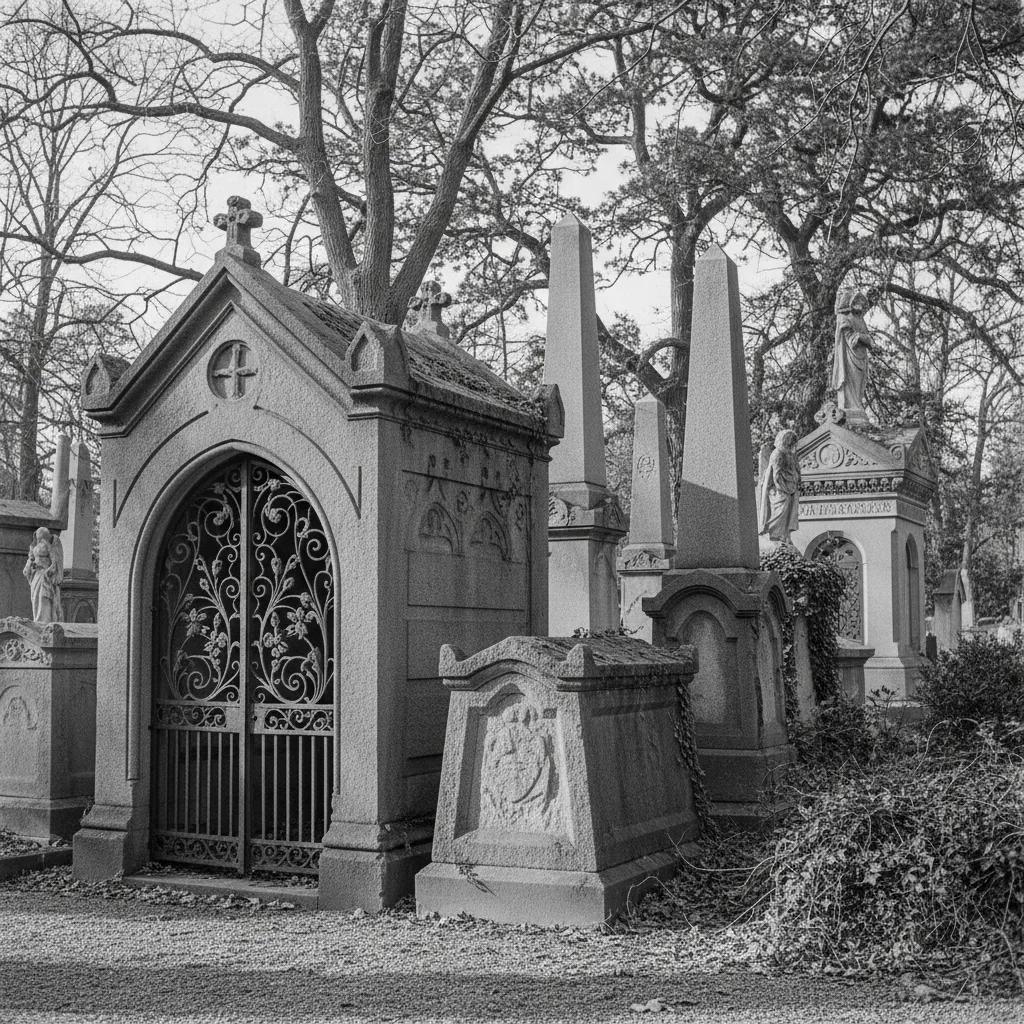
Angelus-Rosedale was designed in accordance with the American Rural Cemetery movement, featuring curvilinear carriage roads, rolling grassy knolls, and exotic mature trees including towering Canary Island date palms, Southern magnolias, and coast live oaks. Walking through the shaded interior lanes feels like an open-air museum of Victorian funerary art, where weathered limestone obelisks, mourning draped urns, and sculpted angels rise quietly above the surrounding urban landscape. The site offers a profound sense of tranquility and architectural permanence in the center of historic Los Angeles.
The cemetery holds a celebrated resting place for trailblazing entertainment pioneers and civil rights icons. Interred here in Section D, Plot 24, is legendary actress Hattie McDaniel, the first African American performer to win an Academy Award for her role in Gone with the Wind in 1940. While a memorial cenotaph was later dedicated to her memory at Hollywood Forever in 1999, her actual historical grave rests here in Angelus-Rosedale, marking a poignant chapter in Southern California cultural history.
Walking among the older Victorian quadrants reveals the resting places of maritime visionaries and pioneering suffragists who built early modern California. Phineas Banning, celebrated as the Father of the Port of Los Angeles for developing the harbor at San Pedro, rests in an ornate family plot. Nearby lie Caroline Severance, pioneering abolitionist and suffragist who founded the Friday Morning Club, Maria Rasputin, daughter of the Russian mystic Grigori Rasputin, early Los Angeles mayor John G. Nichols, and civic mayors Frederic Thomas Woodman and Owen McAleer.
Angelus-Rosedale holds a landmark position in American public health and mortuary history as the site of the second crematory ever constructed in the United States, built on the grounds in 1887. In 1993, the historic property was acquired by the Angelus Funeral Home, an esteemed African American-owned mortuary firm founded in 1925 by a syndicate of community business investors and later managed by John L. Hill Sr. and his partners, ensuring the thoughtful preservation of the grounds under community-rooted stewardship. Today, the cemetery represents a treasured cultural anchor for the historic West Adams and Pico-Union neighborhoods.
Each year in late September, the West Adams Heritage Association coordinates its signature Living History Tour across the grounds, featuring costumed historical interpreters stationed at significant burial sites portraying early Los Angeles pioneers. Throughout the remainder of the year, independent history enthusiasts can explore the grounds at their own pace using mobile digital maps to locate notable family mausoleums, limestone angels, and fraternal monuments without guided tour restrictions.
The optimal time for a self-guided walking tour is between 8:30 AM and 11:00 AM on weekdays or Sunday mornings when neighborhood traffic is quietest. Morning sunlight cuts gracefully across the east-facing Victorian stone carvings, illuminating delicate Gothic lettering, floral relief motifs, and draped funerary urns without harsh shadows. Late afternoon visits between 3:30 PM and 4:45 PM offer rich golden hour warmth across the historic palm canopy, though visitors must conclude their walks before gates close at 5:00 PM.
Because Angelus-Rosedale is both a registered historic landmark and an active resting place, visitors must abide by standard cemetery etiquette. Guests are expected to speak quietly, maintain respectful distance from ongoing burial services, and keep vehicles strictly on paved asphalt roads. Rubbing gravestones with wax or graphite is strictly forbidden, as abrasive contact erodes soft nineteenth-century sandstone and marble faces that have weathered over 140 years.
Skip walking the modern flat-marker perimeter sections along the southern boundary if your schedule is limited, as these later lawns lack the ornate Victorian architecture found in the central sections. Focus your walking time on the older northern acreage near Washington Boulevard, where the Banning obelisk, the Severance monument, and the Victorian Gothic headstones are concentrated. Wear sturdy, comfortable walking shoes, as navigating between unpaved turf plots and historic stone curbs requires sure footing.
After your historical walk, the surrounding West Adams and Mid-City neighborhoods offer legendary dining institutions within a five-minute drive. Drive north along Western Avenue to the original El Cholo at 1121 S Western Ave, Los Angeles's historic Mexican restaurant operating since 1923. Start your meal with Carmen's Original Nachos, introduced in 1959, for $8.95, or enjoy a comforting bowl of Joe's Traditional Albondigas soup, a house recipe dating to 1923, for $9.95. The dining rooms, adorned with vintage photographs and Spanish tilework, offer a historic culinary retreat.
Visitors will find restroom facilities near the cemetery entrance building during regular daytime visiting hours. For those planning an independent historic walking excursion, downloading map guides in advance is recommended, as mature tree cover can occasionally interfere with cellular data reception. The main vehicle gates close promptly at 5:00 PM daily, so visitors should plan their walking route to exit comfortably before dusk.
If special events or private committal services limit touring access at Angelus-Rosedale, your best nearby Plan B is driving fifteen minutes north to Hollywood Forever Cemetery on Santa Monica Boulevard. Alternatively, explore the historic architecture and shady pedestrian paths of the University of Southern California campus nearby, or admire the restored Victorian and Craftsman mansions along the historic Adams Boulevard residential corridor.
Ask Karpo for more information.
Keep reading
- Mar Vista Winter Farmers Market Picker for Weekend Cyclists
 Downtown LA Winter Farmers Market Picker for Car-Free Hosts
 Larchmont Winter Farmers Market Picker for Kimchi-Making Day