 El Sereno Urban Staircase Walk Planner for a Study Break
Free Things to Do

Pasadena: A Year at a Botanical Conservatory Glasshouse
A Pasadena local's guide to The Huntington's two glasshouses, from Old Pasadena arcades to rainforest, bog and desert rooms, with seasonal habits for regulars.
Pasadena is the one Los Angeles neighborhood in this series where a botanical conservatory glasshouse is practically next door. The Huntington sits just over the city line in San Marino, a short drive or bike ride south of Old Pasadena, and its two glasshouses are woven into local life the way a favorite park might be. This guide is for residents and longer-stay visitors who want to make the place a habit, starting from the arcades of Colorado Boulevard and returning through the seasons.
From Old Pasadena to the Estate
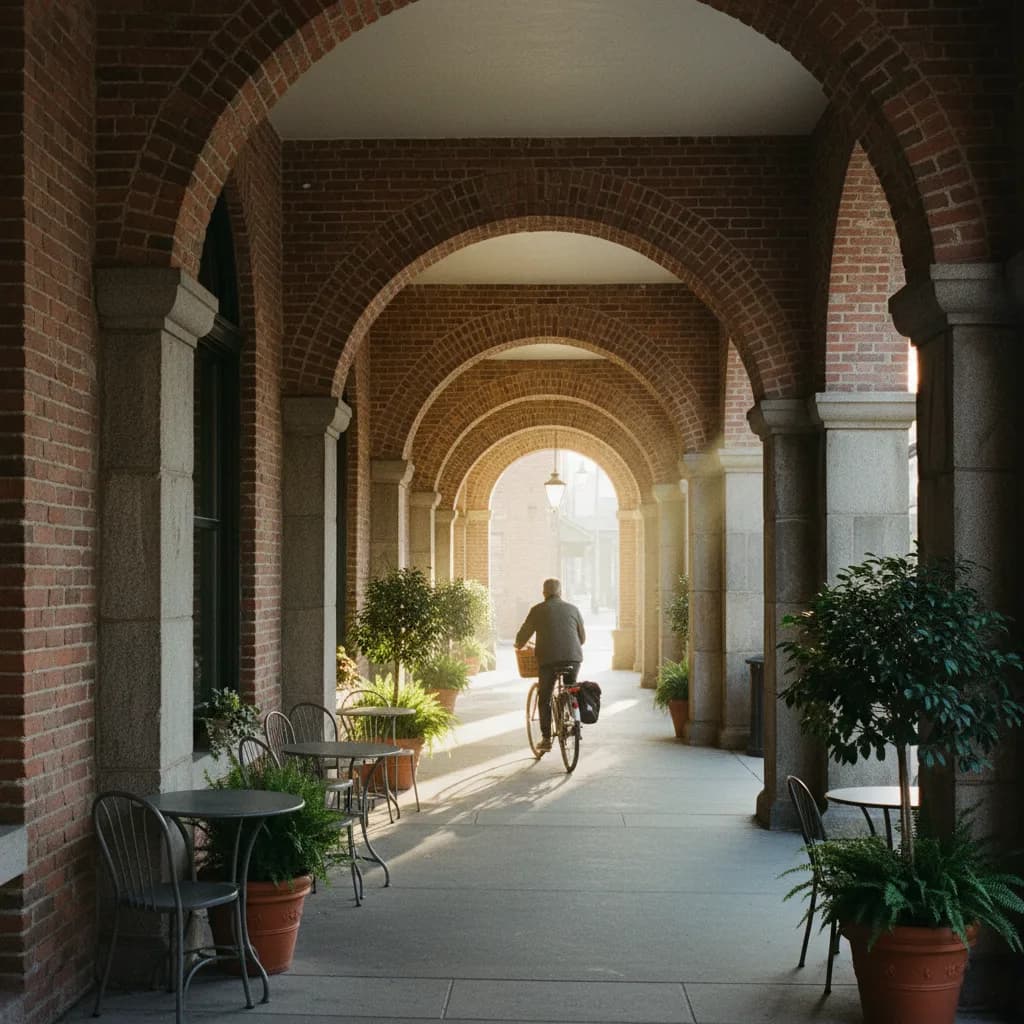
Start in Old Pasadena, where brick buildings and tucked-away arcades line Colorado Boulevard and the side streets. The district was nearly lost to decline in the mid twentieth century before preservation efforts brought it back, and today its passageways and courtyards make a calm place for breakfast before heading south. From there, the drive to The Huntington takes you through wide, tree-shaded streets lined with craftsman houses and older mansions.
Cyclists can take quieter residential streets and arrive in comfortable time, enjoying the gradual change from busy downtown to the hush of San Marino. However you travel, the trip is short enough that the estate can become a weekday-morning ritual rather than an all-day expedition, which is exactly the advantage Pasadena residents have over the rest of the city.
Before leaving Old Pasadena, take a few minutes to notice the plants the district already uses. Courtyard planters spill over with bougainvillea, citrus trees stand in tubs outside cafés and jacaranda branches shade parts of the sidewalk in early summer. These small gardens are the everyday version of what you are about to see on a grander scale, and spotting them first makes the comparison more satisfying. Residents who walk these streets daily often say the trip south changes how they look at their own block afterward.
A Railway Baron's Garden
Henry E. Huntington made his fortune in railways and real estate, and his Pacific Electric red cars once linked Pasadena with the rest of the region. He bought the San Marino ranch at the start of the twentieth century and, with his gardener William Hertrich, transformed it into a showcase of plants from around the world. After his death the estate became a research institution, open to the public, with a library, art collections and gardens.
Knowing that history makes the visit richer. The roads you drove in on, the neighborhoods you passed and even the shape of Pasadena owe something to the same man whose garden you are about to explore. The glasshouses are the modern chapter in that long story, built to protect and study plants that cannot survive outdoors in Southern California.
The Glasshouse Circuit
The Rose Hills Foundation Conservatory for Botanical Science is the larger of the two glass spaces. Opened in 2005, it holds a steamy rainforest, a cool cloud forest and a carnivorous plant bog, with interactive stations that make it as engaging for adults as for children. Spend a few minutes in each room and notice how the air changes from one habitat to the next.
The Desert Garden Conservatory is smaller and quieter. It protects rare succulents and cacti, many of them tiny, odd and astonishingly slow-growing. It works well as a pause between the huge outdoor Desert Garden and the lush rooms of the main conservatory, letting you shift from dry to wet and back again in a single loop.
A regular's route often runs from the entrance to the Rose Hills conservatory, then through the Children's Garden and out to the Desert Garden and its glasshouse, finishing in the Japanese Garden or the Chinese Garden. Doing this loop repeatedly over a year reveals how much changes even under glass.
Watching the Seasons Change
Living close by means you can catch moments that one-time visitors miss. The Huntington's corpse flower, Amorphophallus titanum, blooms only rarely, and when it does the garden announces it and crowds gather to see and smell the enormous bloom. Pasadena residents are well placed to drop in on short notice before the flower collapses.
Spring brings roses and camellias outdoors, while the conservatory feels like a warm refuge in cooler months. Summer mornings are the gentlest time to walk the Desert Garden before the sun grows strong. Return in autumn when the light softens and the Chinese Garden pavilions glow, and the glasshouses become a reliable touchstone through the whole year.
The glasshouses are also a refuge in the hottest weeks, when the shaded paths and the cool cloud forest room make a midday visit more comfortable than you might expect. On rainy winter days, which are rare but memorable in Pasadena, the sound of water on the glass gives the rooms a hushed, private feeling. Regulars learn to treat bad weather as an opportunity rather than a reason to stay home, since the crowds thin out and the plants seem to glow in the soft grey light.
Making It a Habit
Many locals find that regular visits change how they experience the place. Instead of trying to see everything, they choose one room or garden each time and stay longer. A Saturday might be for photography in the cloud forest, a weekday morning for reading on a bench near the lily ponds, and a quiet afternoon for sketching cacti in the desert glasshouse.
Admission runs through timed reservations on the official website, so build the booking into your routine. Some neighbors bring houseguests on their first weekend in town, using the estate as an introduction to Southern California plants, history and art, and then send them back on their own later in the trip.
Keeping a simple garden journal adds another layer. Note the date, the room you visited, what was flowering and how the light looked. Over a year, those entries form a personal record of the estate's rhythm and make each return feel like catching up with an old friend.
Back Into Pasadena
After the gardens, return north for lunch in Old Pasadena or along South Lake Avenue, or continue to the Norton Simon Museum and the Arroyo Seco for a longer cultural afternoon. The Arroyo trails offer native sycamores and oaks, a satisfying contrast with the exotic species under glass.
Pack a light layer, a reusable water bottle and comfortable shoes for the walking. If you would like help shaping a seasonal calendar of visits, including which rooms to see and how to pair them with Pasadena outings, ask Karpo APP to plan a year of glasshouse mornings starting from Old Pasadena.
Ask Karpo for more information.
Keep reading
- El Sereno Urban Staircase Walk Planner for a Study Break
 Santa Monica Urban Staircase Walk Planner Before Meetings
 Mount Washington Urban Staircase Walk Planner: Hike Prep