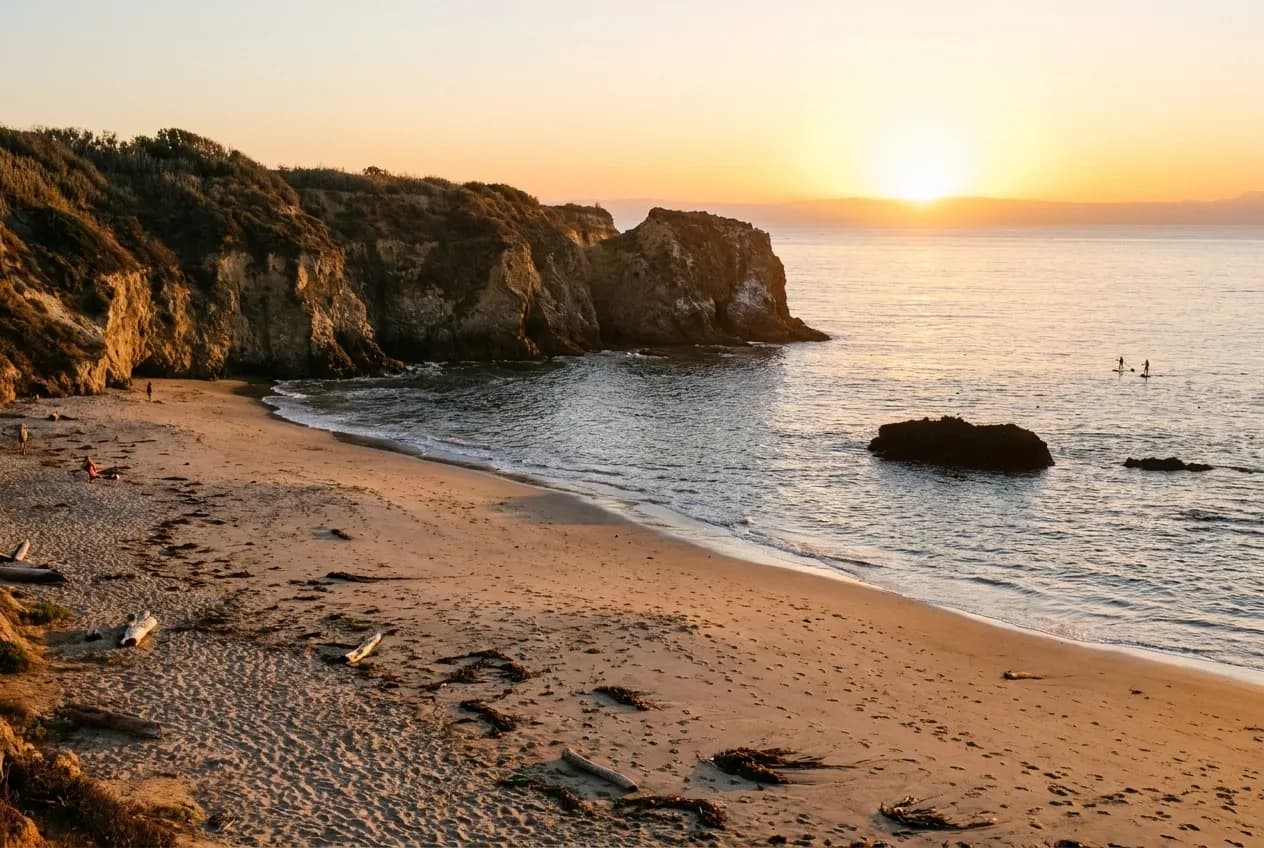
Los Angeles County has about seventy-five miles of coastline and the overwhelming majority of beach trips happen on perhaps four of them. That is not because the rest are worse; it is because Venice and Santa Monica are the ones people have heard of, and because the actual decision — which beach — gets made on the basis of a name rather than on the two variables that determine whether the day works. Those variables are parking and water, and searching beach near me tells you about neither.
Which beach is right today depends on the parking, the surf and the water quality grade, all of which change weekly. Ask Karpo which stretch of coast suits the day you have in mind.
Parking is the whole decision
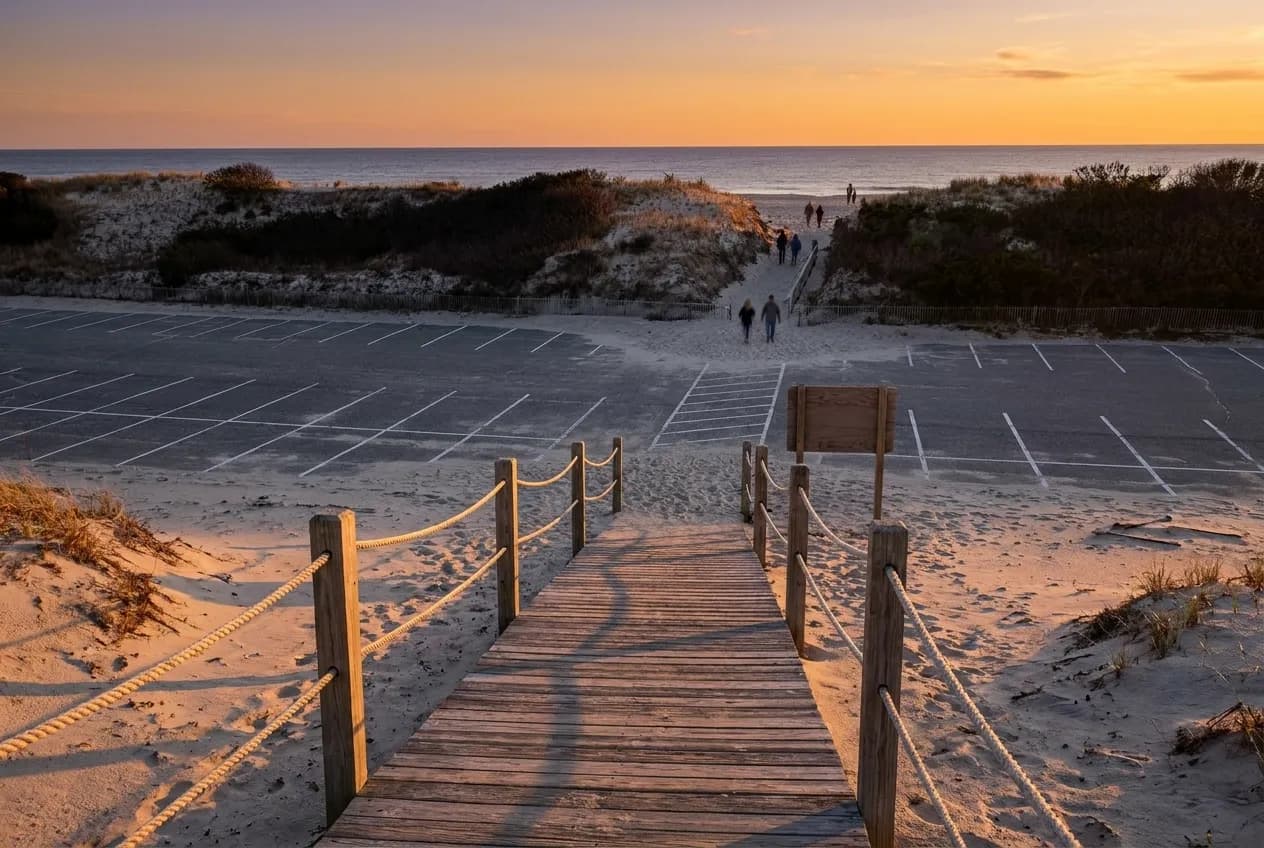
Every Los Angeles beach trip lives or dies on where you leave the car, and the county's beaches split into three tiers. The large state and county lots — Zuma in Malibu, Dockweiler south of the airport, Will Rogers on the Pacific Coast Highway — charge a flat fee, hold hundreds of cars, and essentially never fill outside peak summer weekends. The small Malibu lots at places like El Matador hold a few dozen cars and are full by mid-morning. And the street-parking beaches, Venice among them, are permit-tangled, aggressively enforced and the reason most people's beach day starts with forty minutes of circling.
The practical rule is to trade beauty for certainty according to the day. If you are going on a Saturday in July with a cooler and two children, take the big lot and accept a less photogenic stretch of sand. If it is a Wednesday in October, the small Malibu coves are empty and the lots are open. Getting this backwards is the single most common way a beach day goes wrong here.
The water, which nobody checks and everybody should
Water quality along this coast varies substantially by location and by week, and there is a free tool for it: Heal the Bay's Beach Report Card publishes letter grades for beaches up and down the California coast, updated regularly and based on actual bacterial sampling. Some stretches grade consistently well and some — typically those near a storm drain or a creek mouth — do not. It takes thirty seconds to check and it is the difference between a swim and an illness.
The one rule that matters most is the seventy-two-hour rule: after significant rain, county health guidance is to stay out of the ocean for about three days, because the storm drain system flushes street runoff straight into the sea. This is the most-ignored piece of public health advice in Los Angeles and the most worth following. A clear blue day two days after rain looks perfect and is the worst swimming day of the month.
Picking a beach by what you actually want
For swimming with children, the South Bay — Manhattan Beach, Hermosa, Redondo — has wide flat sand, lifeguards throughout, a gentler break than Malibu and beach towns with actual amenities behind them. For a fire and a late evening, Dockweiler is the county's main fire-pit beach, directly under the LAX approach path, which is either a novelty or a nuisance depending on your temperament. For beauty, the Malibu coves — El Matador and the pocket beaches near Point Dume — are the most striking coastline in the county and the hardest to park at.
For a walk rather than a swim, Will Rogers and the stretch north of Santa Monica give you miles of continuous sand with the bike path running alongside. And for surfing, the breaks that matter are well known and correspondingly crowded; if you are learning, the South Bay beach breaks are considerably more forgiving than anything in Malibu.
The tide and the light
Two things that transform a beach day and cost nothing to plan around. Low tide roughly doubles the usable sand at most of these beaches and opens up the tide pools at the rocky ones — Point Dume and the Malibu coves in particular are a completely different experience at low water. A tide table is free and takes a moment to check, and at the narrow Malibu beaches a high tide can leave almost no dry sand at all.
The other is the marine layer. Coastal Los Angeles is frequently overcast until midday from late spring into summer, a pattern locals call May Gray and June Gloom, and it burns off inland far earlier than at the water. An eleven o'clock arrival at the beach in June is often an arrival into fog. Two in the afternoon is the reliable window in those months, and it also happens to be when the wind picks up, which is the trade.
What it costs
The beach itself is free — all California beaches are public below the mean high tide line, which is a genuinely important piece of state law and worth knowing when a Malibu property makes access feel discouraged. Public access ways exist and are marked. What costs money is parking, which runs from a few dollars to something closer to twenty at peak times in the popular lots, and the cost of not planning, which is a parking ticket on a permit street.
That framing is worth holding onto, because it makes the beach the cheapest good day out in Los Angeles by a wide margin. A cooler, a towel and a lot fee is an entire day on some of the best coastline in the country, and the only real skill involved is choosing where to leave the car.
Practical notes
Check the water quality grade and observe the seventy-two-hour rule after rain. Most beach car parks close overnight, typically between sunset and sunrise, and they are ticketed. Lifeguard coverage is seasonal and hours shorten sharply outside summer, so swim near a staffed tower. Pacific Coast Highway traffic to Malibu on a summer weekend can double the journey time, so leave early or go north on a weekday. Fires and alcohol are prohibited on most county beaches except at designated fire pits.
One safety note that matters here: rip currents are the leading cause of ocean rescues on this coast. If you are pulled out, swim parallel to shore rather than against the pull, and choose a beach with lifeguards on duty if you are not a strong swimmer.
Tags: #BeachNearMe #LosAngeles #FreeThingsToDo #Malibu #SouthBay #Dockweiler #ZumaBeach #LABeaches #ThingsToDoLA #WeekendPlans #PacificCoast #BeachParking #WaterQuality #LAOutdoors
All trademarks are the property of their respective owners.
Ask Karpo first
Want to know which beach near you has parking today and how the water is grading this week? Ask Karpo before you drive to the coast.