 Downtown LA Comedy Club Night Picker for a Team Outing
Bars & Nights Out
LA Autumn Cider House: Zero-Proof Plan For Four
Plan a mixed-drinker cider outing by comparing zero-proof choices, food, seating and return logistics without assuming every venue serves the same formats.
A mixed-drinker autumn cider house outing works when the non-drinking guest is part of the brief from the beginning. In Los Angeles, the group may care about shade, a meal, a short drive or a place where one person can choose a zero-proof drink without becoming an afterthought. Use the Karpo APP to state those needs and ask for options with explicit evidence. The goal is a welcoming plan, not an unsupported claim that every cider destination has a full alcohol-free menu.
Put participation before the theme
Tell the app how many people want cider, who prefers zero-proof and whether anyone needs a full meal. Add the desired atmosphere and travel limit. This gives the assistant a reason to compare a cider specialist with a broader drinks room. A seasonal label is secondary to whether everyone can order something they genuinely want.
A sparkling apple soda, mocktail and non-alcoholic cider are different products. Ask the shortlist to use the venue’s own wording and avoid upgrading one into another. If no zero-proof detail is published, leave the question open. That honesty protects the guest who needs an alcohol-free option and prevents a pretty menu image from becoming a promise.
Keep categories distinct
Maybe the drinkers want a small tasting while the zero-proof guest wants a meal, or perhaps the group mainly wants to talk with one shared seasonal flavor. Name the center of gravity. The assistant can then compare which option gives that priority enough weight and which compromise remains. A fair plan does not require every person to order the same format.
Ask whether the menu evidence supports a snack, a proper meal or only a drink stop. Keep dietary restrictions separate from the zero-proof question. If the two needs require two places, ask for the shortest practical connection. The route should not make the non-drinking guest pay the largest inconvenience for a plan built around everyone’s participation.
Choose the group’s center of gravity
State who is driving, who is using transit and what the group’s end time is. The app can help frame a low-friction route, but it cannot monitor anyone’s alcohol intake or guarantee a safe ride. Decide the rule first, then choose the destination. This keeps transportation a real constraint instead of a footnote.
A mixed order works better when everyone can sit comfortably and see the menu. Describe the seating preference without claiming a venue has it. If the source gives no detail, ask the assistant to flag that gap and offer a second option. Shared time matters as much as the drink list.
Use food as equal footing
The alternate should have a clearly stated zero-proof path, a food advantage or easier travel. Ask for one reason it may suit the non-drinker better. This makes the fallback meaningful and gives the group a choice if the first menu cannot support everyone.
A public market, bookstore or short walk can let the group continue without making alcohol the only activity. Keep it optional and avoid inventing a schedule. If the weather or energy changes, remove it. The central plan should still give the group something to share.
Set a return rule
Ask the app to separate confirmed menu wording from its own planning interpretation. Copy the relevant terms into your notes and read the venue’s source before ordering. Do not infer that “seasonal” means “non-alcoholic” or that a cider house automatically offers a zero-proof equivalent.
Mixed-drinker table contingency note: decide what the group will do if the first option is too crowded, too far, too warm or missing the flavor detail that mattered. Mixed-drinker table Name one alternate and the exact reason it exists. Mixed-drinker table Keep that fallback short enough to use while everyone is already traveling, and leave the final service question for the venue’s own information.
Practical Notes
Mixed-drinker table decision worksheet: write the main preference, the acceptable compromise and the one unanswered detail that belongs to the venue. Mixed-drinker table Keep a second line for the companion who has a different pace, appetite or way home. Mixed-drinker table A short record is easier to use than a list of twelve names, and it gives the next request a clear starting point.
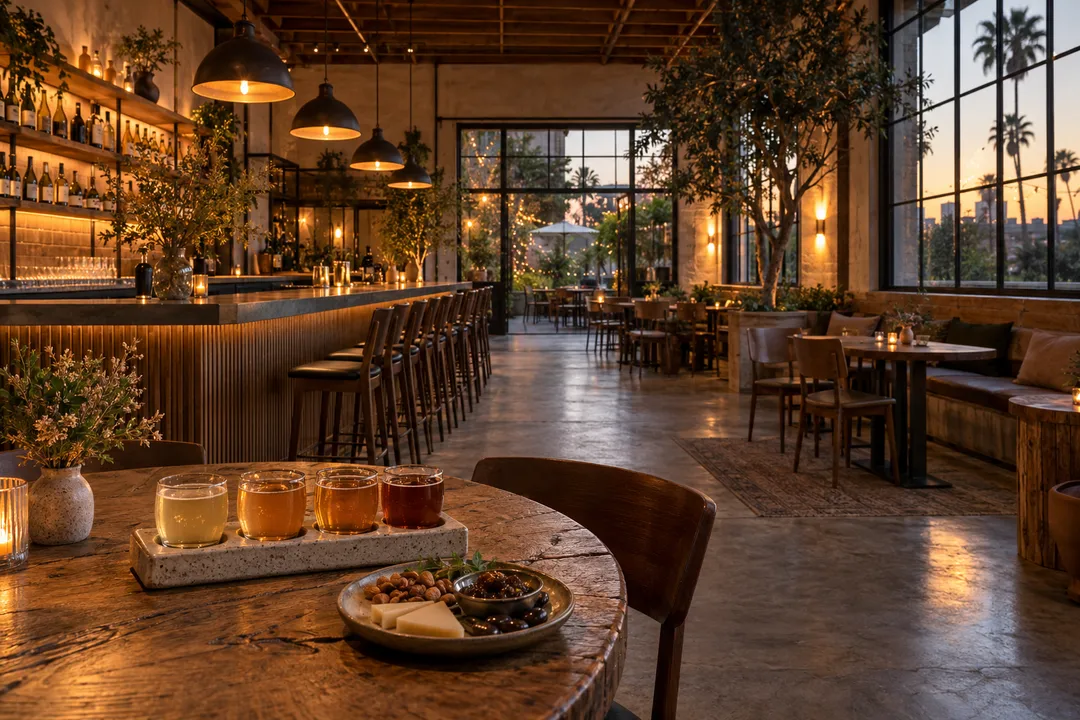
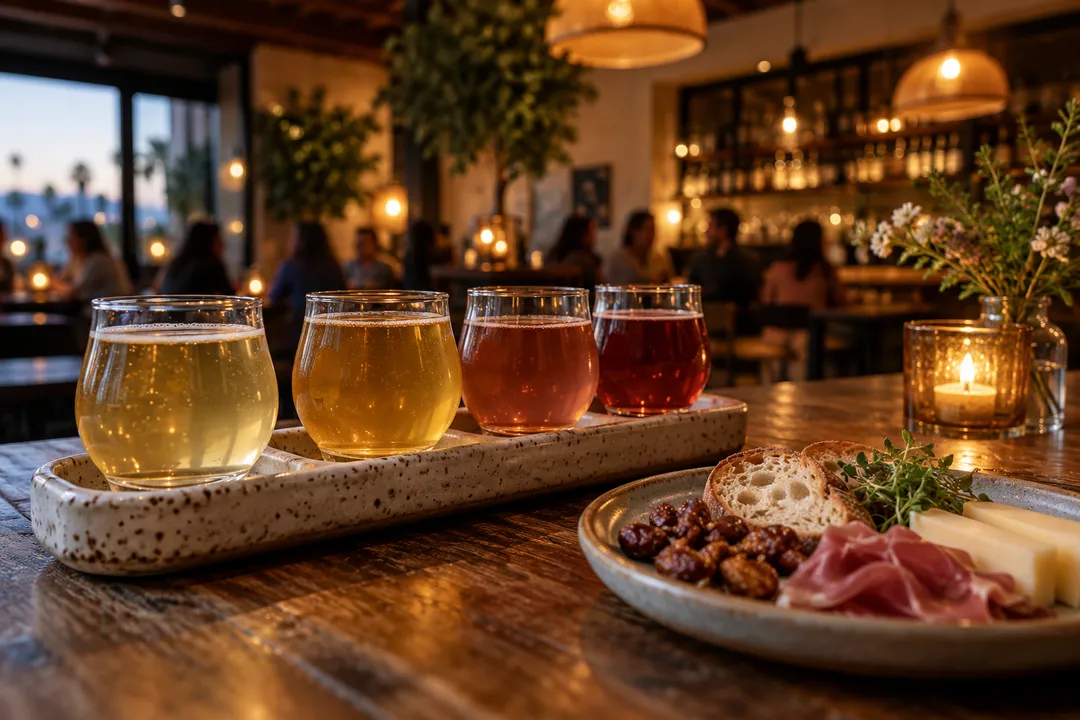
Put the alcohol-free guest in the first sentence, keep product categories exact and choose a return rule before browsing. The images are generated illustrations of a mixed tasting, not a specific Los Angeles venue. End with a plan that gives everyone an honest order, a shared table and a simple exit. In a mixed-drinker group, inclusion is the hard fact. Save the exact alcohol-free wording, the drinkers’ preferred style and the return rule. If the venue information cannot support a real choice for everyone, switch to the backup for that reason, even if its cider list is shorter. A focused follow-up can request a shared table, a meal and one named zero-proof category. That is more useful than a generic promise of something for every guest, and it gives the group a kind way to make the decision. Make the comparison show what everyone can order, eat and discuss without inventing a menu. A revised request can change the distance while protecting the group's shared table. Clear inclusion language keeps a seasonal tasting idea from overstating what a venue serves. A mixed-drinker plan starts by naming the alcohol-free guest's needs before any cider style. Note the exact zero-proof wording, the drinkers' flexible choice and the return arrangement. Inclusion starts before the first search result. Describe the zero-proof guest’s expectations, the drinker’s curiosity and the meal everyone can share. Keep the alcohol-free category exact, because a vague promise creates work at the table. Ask for a backup that reduces the pressure on the person with the narrowest choices. When the group decides, save both the successful wording and the reason a more ambitious option failed. That record makes the next plan kinder, faster and less dependent on assumptions about what a seasonal menu contains.
Ask Karpo for more information.
Keep reading
- Downtown LA Comedy Club Night Picker for a Team Outing
 Fairfax Comedy Club Night Picker for Aspiring Comedy Writers
 Santa Monica Comedy Club Night Picker for a Shy Date