 El Sereno Urban Staircase Walk Planner for a Study Break
Free Things to Do
Downtown LA Art Walk Near Me in Historic Core Los Angeles
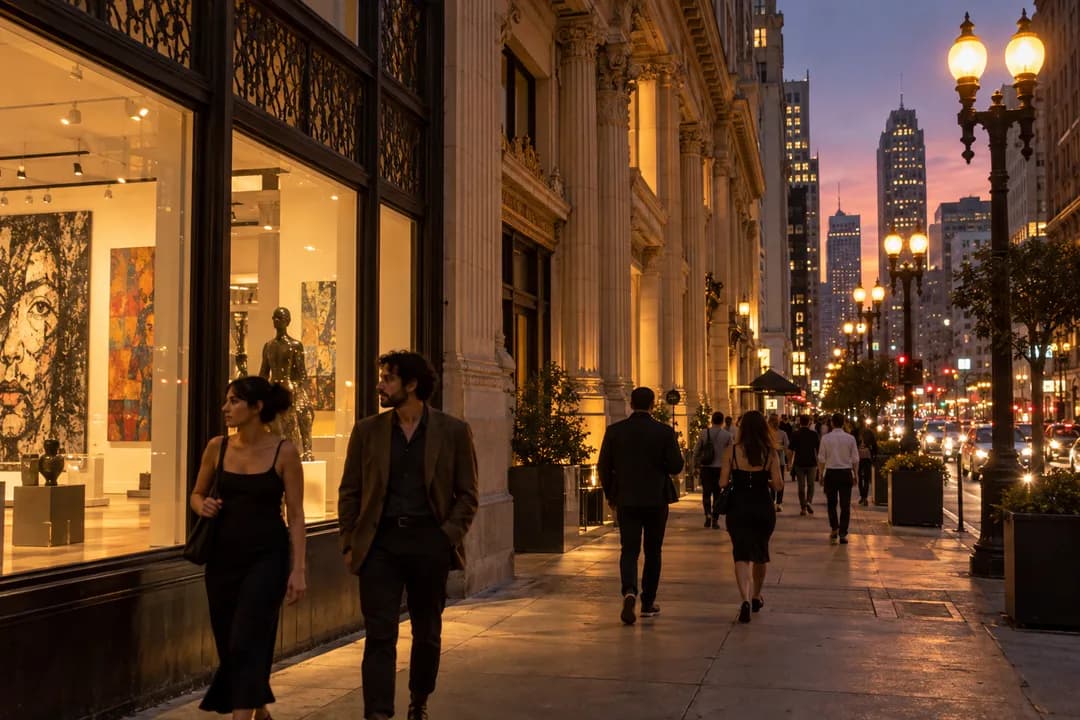
Explore the Downtown LA Art Walk in the Historic Core, featuring independent galleries, open artist studios, and street culture on Spring Street.
The Downtown LA Art Walk transforms the historic corridor along Spring Street into Southern California's most vibrant free creative street gathering. For art lovers searching for a historic art walk near me, this self-guided community night takes place on the second Thursday of every month from 6:00 pm to 10:00 pm between 4th Street and 9th Street in Downtown Los Angeles. Centered around key creative hubs like 411 S Spring St, Los Angeles, CA 90013, the event connects dozens of independent fine art galleries, underground print studios, non-profit exhibition spaces, and artist lofts with $0 admission for all attendees.

Origins and Rise of Gallery Row
The movement traces its roots back to September 2004, when local gallery owners Bert Green and fellow community organizers founded the self-guided monthly walk to revitalize a district previously defined by shuttered financial banking halls and neglected architectural treasures. The City of Los Angeles officially designated the stretch of Spring and Main Streets as Gallery Row, offering city recognition that spurred the preservation of Beaux-Arts and Art Deco high-rises. Today, that pioneering spirit persists across repurposed heritage properties where vault spaces and historic mezzanines function as thriving contemporary exhibition halls.
Over the past two decades, the monthly crawl has served as a launchpad for internationally recognized West Coast street artists, figurative painters, and conceptual sculptors. Unlike sterile commercial art fairs, the sidewalk atmosphere along Spring Street feels energetic and accessible, welcoming seasoned contemporary collectors alongside curious first-time gallery visitors. Local curators often coordinate exhibition openings specifically for Art Walk Thursdays, giving attendees the unique opportunity to discuss new works directly with exhibiting artists.
The district's artistic identity is deeply intertwined with the preservation of historic Los Angeles architecture. Walking past early 20th-century banking institutions, visitors witness how granite colonnades, carved limestone cornices, and ornate brass entry doors have been reclaimed by creative enterprises. This juxtaposition of classical financial grandeur and contemporary urban expression creates an immersive visual environment that distinguishes the Historic Core from any other creative district in the metropolis.
Navigating the Spring and Main Street Gallery Hubs
Begin your walking route at 411 S Spring Street, home to rotating storefront installations and contemporary photography projects. From there, head south toward the Spring Arts Collective located inside the mezzanine of the landmark 1906 Alexandria Hotel at 501 S Spring Street. This second-floor enclave features artist-run ateliers and exhibition spaces showcasing fine printmaking, expressive portraiture, and intricate mixed-media assemblages in an intimate historical setting.
Cross over to 453 S Spring Street to wander through The Last Bookstore, housed inside a magnificent former 1914 Citizens National Bank building. Beyond its towering marble pillars and cavernous literary ground floor, the upstairs labyrinth hosts the Spring Arts Tower artist studios, where independent painters, stained-glass craftsmen, and fiber artists welcome visitors into their working studios to view works in progress.
Continue southward down to 7th and Spring Streets, where contemporary pop-up galleries and creative retail storefronts frequently feature live mural painting demonstrations and limited-edition silk-screen poster drops. The dense concentration of venues within a five-block walking perimeter allows you to easily view hundreds of diverse artworks in under three hours.
Heading one block east to Main Street opens access to additional creative storefronts and micro-galleries tucked between 4th and 6th Streets. These spaces frequently showcase experimental video art, sound installations, and community zine libraries. Because each venue curates independently, the stylistic transitions between classical academic figure studies and boundary-pushing multimedia works happen within steps of each other.
Visitor Etiquette and Gallery Guidelines
Admission across every participating gallery along Spring Street and Main Street is completely free, making the event one of the most accessible cultural evenings in Los Angeles County. Most commercial galleries open their doors promptly at 6:00 pm, with the highest foot traffic arriving between 7:30 pm and 9:00 pm. Arriving right at opening allows you to inspect intricate works and speak with gallery directors before spaces become bustling.
Inside historic buildings and delicate studio spaces, photography is generally permitted without flash, though you should always respect studio guidelines regarding video recording. Backpacks should be held closely or worn on one shoulder to prevent accidental contact with fragile ceramic pieces or newly varnished canvases. While several gallery openings provide complimentary wine or sparkling water inside their rooms, carrying open alcoholic beverages along public city sidewalks is strictly prohibited under local municipal regulations.
Visitors should also take note of building entrance procedures. Several landmark studio towers require signing a guest register at the security desk before taking vintage elevators up to mezzanine studios. Taking a moment to read entrance placards ensures a smooth, respectful visit for both working studio artists and fellow gallery strollers.
Neighborhood Food and Nighttime Dining
A gallery night in the Historic Core pairs naturally with Downtown Los Angeles' acclaimed culinary destinations. For genuine street-style culinary artistry, walk down to Guisados at 541 S Spring Street, where slow-cooked braised stews served on freshly ground handmade corn tortillas cost $3.50 each, or opt for their signature six-taco sampler platter for $10.50.
If you are seeking European-inspired comfort food after touring gallery spaces, Gelateria Uli at 541 S Spring Street Suite 104 serves artisanal small-batch gelato crafted with local California produce, where a generous double-scoop cup costs $7.50. For an unhurried sit-down dinner with colleagues or friends, Bavel at 500 Mateo Street in the nearby Arts District offers wood-fired flatbreads and slow-roasted meats, though walk-ins during art walk nights should aim for early bar seating before 6:30 pm.
Alternatively, stop by the historic Grand Central Market at 317 S Broadway, just three blocks northwest of the Spring Street gallery row, where heritage food stalls serve everything from wood-fired pizza to Salvadoran pupusas until 9:00 pm. Grabbing an order of wood-grilled tacos or fresh pupusas offers an easy, affordable meal before continuing your gallery exploration down South Main Street.
Transit Options and Practical Travel Guidance
Taking public transit is strongly recommended over driving, as evening street parking throughout the Historic Core is heavily congested and surface parking lots charge steep flat rates of $15.00 to $25.00. The Pershing Square Metro Station (serving the B and D subway lines) is located two blocks west at 5th and Hill Streets, providing seamless rail access from North Hollywood, Koreatown, and Union Station.
Riders using the Metro A or E Lines can disembark at the Historic Broadway Station at 2nd Street and Broadway, followed by a brief five-minute southward stroll down Spring Street. For cyclists, dedicated north-south bike lanes run directly along Spring and Main Streets, complemented by numerous on-street bike share docks.
The sidewalk terrain throughout the Historic Core is flat and paved with wide concrete sidewalks and standard ADA-compliant corner curb ramps. Wear comfortable flat walking shoes, as the combination of historic building stairs and multi-block pedestrian exploring typically totals two to three miles over the course of the evening. Carrying a light layer is advisable as nighttime temperatures in downtown Los Angeles cool noticeably after dusk.
Ask Karpo for more information.
Keep reading
- El Sereno Urban Staircase Walk Planner for a Study Break
 Santa Monica Urban Staircase Walk Planner Before Meetings
 Mount Washington Urban Staircase Walk Planner: Hike Prep