 Haaland Has Seven Goals and Norway Runs Entirely Through Him
⚽️2026 FIFA WORLD CUP
Kylian Mbappé Semifinal Exit Chances Shots and Key Moments
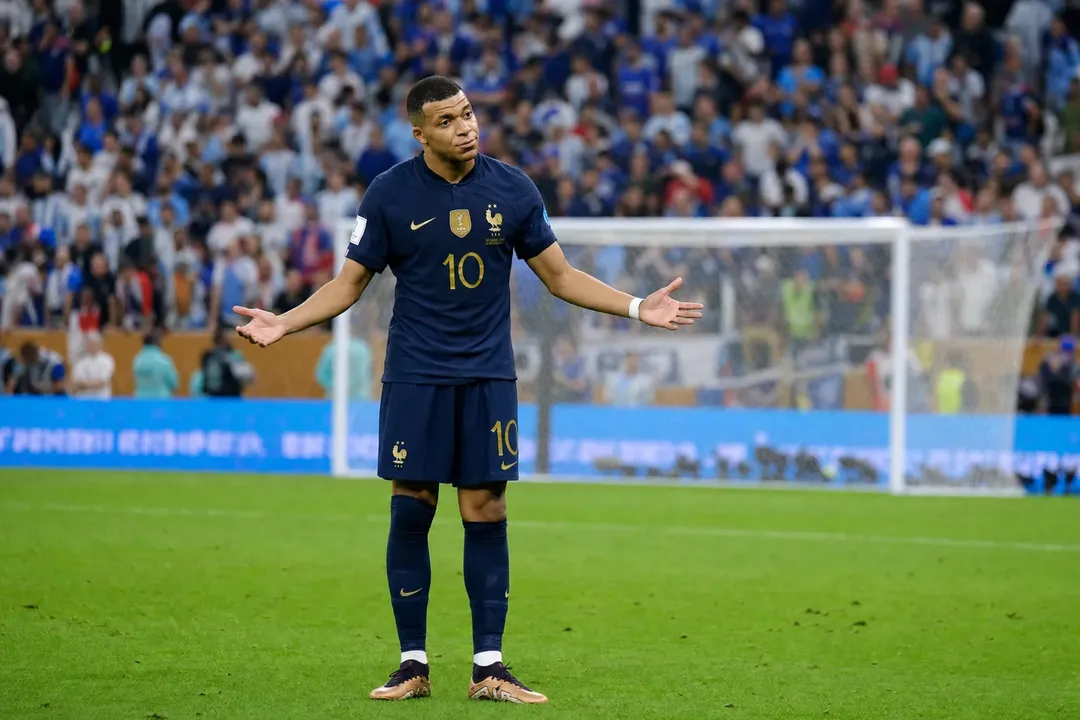
Kylian Mbappé’s semifinal ended without a goal as Spain beat France 2-0 and denied him the open spaces that usually make him decisive. His exit is best understood through service, game state, and Spain’s collective coverage rather than one isolated chance.
Kylian Mbappé left the 2026 World Cup semifinal without a goal as France lost 2-0 to Spain. Associated Press reported that Mbappé had one shot on target, a number that captures part of the problem but not the whole performance. Spain limited the clean, open-field situations in which he is most dangerous, while the scoreboard forced France to attack with increasing urgency. The result is not proof that Mbappé stopped being threatening; it shows how a connected defense can reduce the quality of opportunities available to even an elite forward.
Want the Mbappé story without endless reaction clips? Text Karpo for a player-focused recap, bronze-match reminder, and a viewing plan tailored to your city.
One shot on target needs context
A shot total can indicate involvement, but it does not explain why opportunities appeared or disappeared. A forward may receive the ball far from goal, face multiple defenders, or make runs that are never found. Mbappé’s semifinal should therefore be read through the spaces Spain protected and the quality of France’s final pass, not only through the number beside his name.
The confirmed outcome is clear: France did not score, and Spain advanced. Within that result, Mbappé still influenced defensive behavior. Spain had to respect his speed, avoid leaving a single defender exposed, and protect the channel between fullback and center back. Attention devoted to a star can shape the game even when the star does not score. Mbappé’s starting position also changes the type of service he can receive. Beginning wide may create room for acceleration but places him farther from goal; moving inside increases scoring proximity but also places him among more defenders. France needed rotations around him so Spain could not prepare for only one route.
Spain denied the race Mbappé wanted
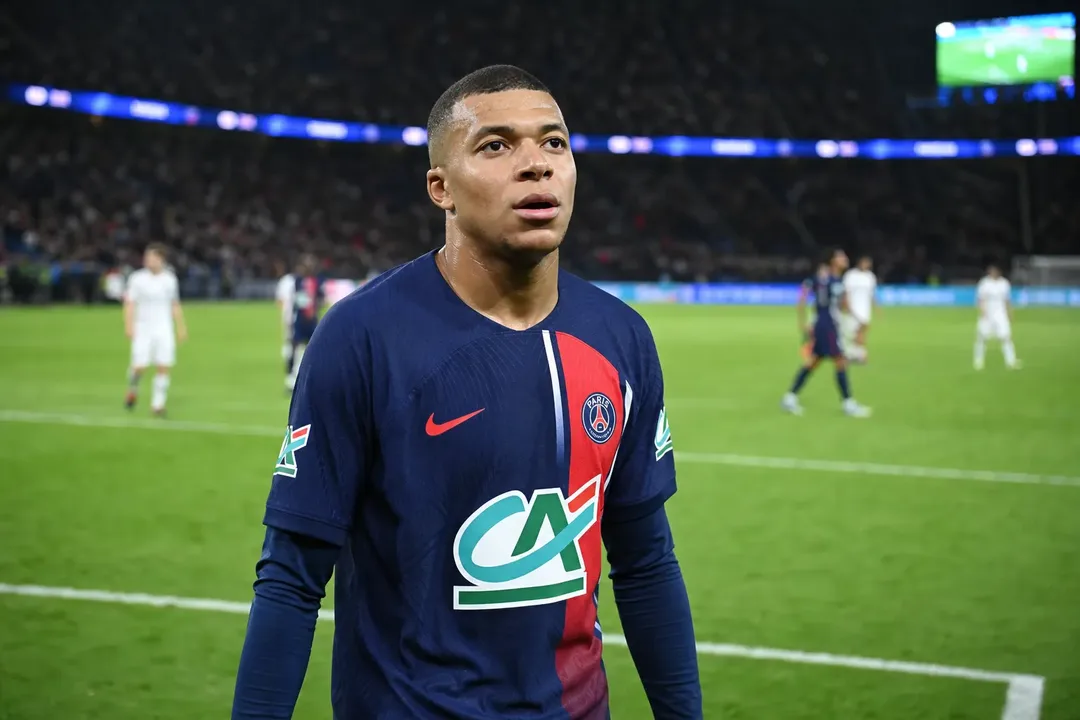
Mbappé is most difficult to contain when he can accelerate into space with the defense turning toward its own goal. Spain tried to prevent that race from beginning cleanly. Nearby pressure on the passer, compact distances, and early cover behind the first defender reduced the number of direct balls that could release him.
This does not require a defender to match Mbappé stride for stride. The better solution is collective: delay the pass, narrow the lane, and have a second defender ready. When those pieces work together, the forward receives later, wider, or with his back closer to goal. Each small disadvantage lowers the chance of a decisive action. The support runner is another overlooked factor. When Mbappé receives against two defenders, a nearby teammate can create a passing option or pull one marker away. Without that movement, the forward is asked to beat the entire structure. Spain repeatedly benefited when the duel stayed crowded and predictable.
The first goal changed France’s service
Oyarzabal’s penalty in the 22nd minute placed France behind and changed the urgency of its attacks. The team needed to find Mbappé and other forwards without rushing every possession. As time passed, however, Spain could anticipate more aggressive French positioning and protect the areas where a direct pass would do the most damage.
A trailing team often sends additional players forward, but more attackers do not automatically create better service. If the buildup becomes hurried, the final pass may arrive against a set defense or from an uncomfortable angle. Mbappé then faces several opponents instead of attacking an isolated one. Spain’s control of game state made that problem harder. A useful replay review should therefore begin before Mbappé touches the ball. Watch the passer’s pressure, the depth of Spain’s cover, and the location of France’s next supporting player. Those three details explain whether a chance was truly available or only appeared possible after the moment had passed.
The second goal reduced the margin for patience
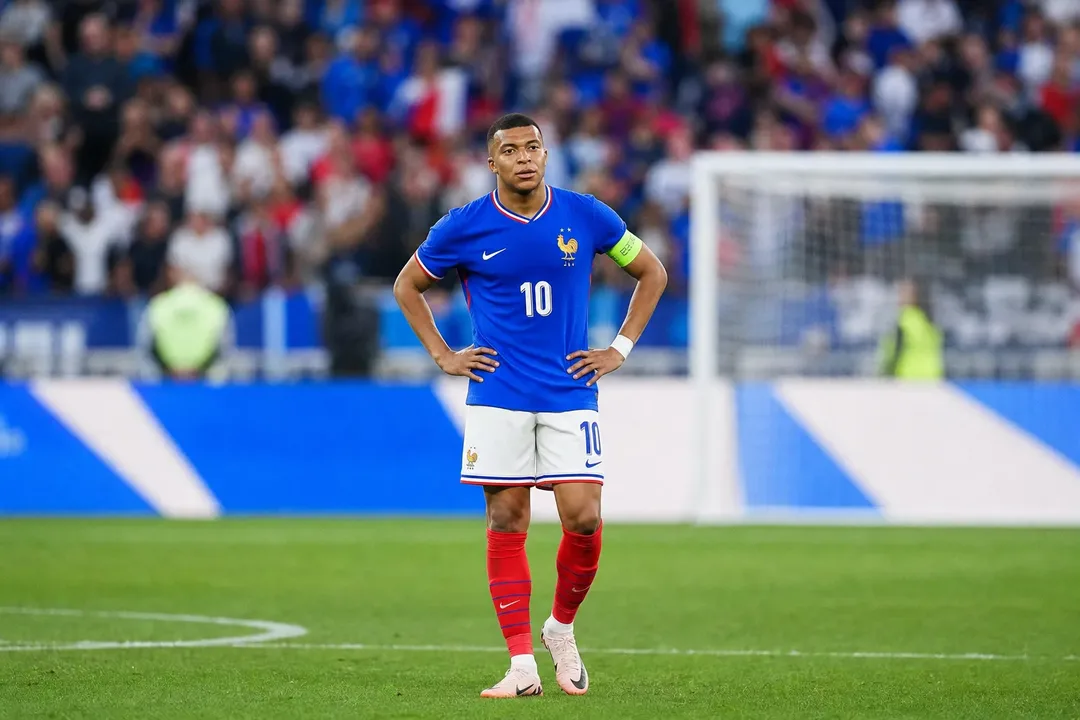
Pedro Porro’s 58th-minute goal made it 2-0 and forced France to chase two goals. Mbappé needed the match to open, yet Spain had even more reason to protect central space and choose carefully when to press. The leading team could allow less dangerous circulation while refusing the pass that would release France’s fastest threat.
At that stage, individual actions can become heavier with expectation. Every touch near the area looks like it must rescue the match. The useful response is still collective: create an overload, move the defense, and deliver the ball when the receiver has an advantage. Spain prevented France from repeating that sequence often enough.
A semifinal exit is not a complete verdict
Knockout football encourages immediate judgments about stars, but one match should not erase the quality that brought a team to the semifinal. Mbappé’s inability to score against Spain belongs in the analysis, as does Spain’s role in restricting him. Turning the result into a claim about effort, leadership, or future performance would require evidence beyond the scoreline.
The more useful question is what France could change in the bronze match. Better spacing around Mbappé, quicker support after he receives, and more varied routes into the final third may help. Team selection and fitness should be confirmed through official updates rather than assumed after elimination.
What comes next for France and Mbappé
France will play the loser of England versus Argentina in Miami on July 18. The bronze match creates a new context: less time to recover, a different opponent, and possible rotation. Mbappé’s availability and role should be treated as unconfirmed until the team announces its lineup.
For supporters, the semifinal remains a valuable tactical case. Spain showed that stopping Mbappé is not one defender’s job. It is a sequence involving pressure on the passer, cover behind the duel, and possession that prevents repeated transitions. France’s next opponent will study the same blueprint, while France will look for ways to break it.
Tags: #WorldCup2026 #KylianMbappe #France #Semifinal #PlayerAnalysis
All trademarks are the property of their respective owners.
Ask Karpo First
Text Karpo with the player or team you want to follow next. Karpo can build a concise update, local kickoff reminder, and a bronze-match plan that fits your day.
Ask Karpo for more information.
Keep reading
- Haaland Has Seven Goals and Norway Runs Entirely Through Him
 World Cup Trophy Ceremony Timing Medals and Postmatch Celebrations
 Olise and France's Attack: The Semifinal Tactical Question