 Where to Eat Near Penn Station That Isn't a Chain
US Open 2026
Kyle Harrison Giants Pitching Fans Bike Rentals US Open Queens
Use the Kyle Harrison search hook as a practical Queens planning lens for pairing baseball-fan energy, bike-friendly park time…
Kyle Harrison Giants pitching fans may be arriving at this search from baseball brain, but the useful New York question is simpler: if you are in Queens for the 2026 US Open, how do you turn the hours before tennis into a real local-life plan instead of hovering near the gates? Flushing Meadows sits in a rare pocket of New York where stadium culture, park paths, museums, food corridors, and the 7 train all meet. For baseball fans, especially anyone already thinking about Citi Field, Queens can feel like a sports map with extra layers: tennis at the USTA Billie Jean King National Tennis Center, baseball next door, neighborhood eating in Flushing and Corona, and a transit line that can stretch the day from Long Island City to Jackson Heights without needing to make the whole outing complicated.
Text Karpo with your US Open session time and Queens starting point, and we’ll turn this Bicycle share stations and guided cycling tours in Flushing Meadows for baseball fans exploring before tennis into a practical local plan.
Start With The Session, Not The Map
The best Queens plan begins with the official US Open schedule, because a day session, evening session, grounds visit, or full-day tennis appetite changes everything. Before you pick a route, check the US Open event schedule and your ticket details close to the visit. Then work backward: how much unstructured time do you truly have, how much walking do you want before sitting in a stadium seat, and do you need a low-effort meal, a park loop, or a bigger neighborhood detour?
This is where the 7 train corridor helps. It connects Manhattan and western Queens to Mets-Willets Point, the stop most visitors associate with the tennis center and Citi Field. It also puts Long Island City, Sunnyside, Woodside, Jackson Heights, Corona, and Flushing into the same mental route. You do not need to visit all of them. The win is choosing one pre-tennis pocket that matches your energy and leaving enough margin for venue entry, bag rules, crowds, and train changes.
Why Bikes Make Sense Here
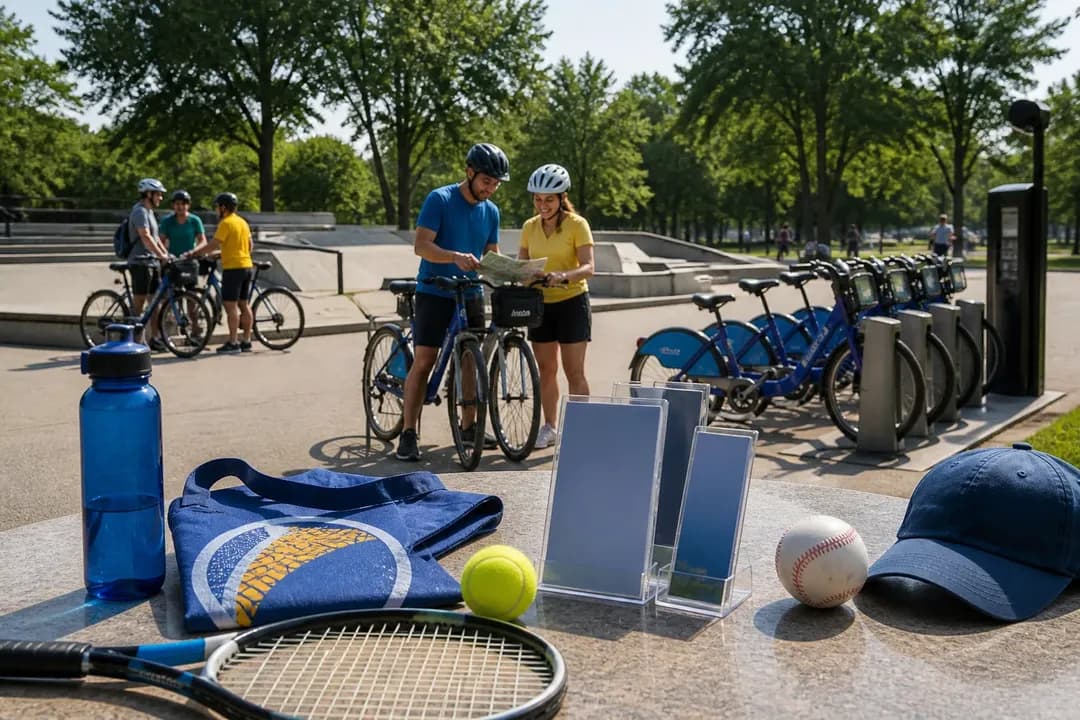
Flushing Meadows Corona Park is large enough that walking every idea can turn into a slow drain. A bicycle-share station or a guided cycling tour can make the area feel more legible, especially if your group includes people who want a little baseball-adjacent movement before tennis. Think of biking as a way to connect landmarks and edges, not as a promise of door-to-door perfection. Station locations, bike availability, docks, tour schedules, and park access can change, so check the relevant operator or guide source before committing.
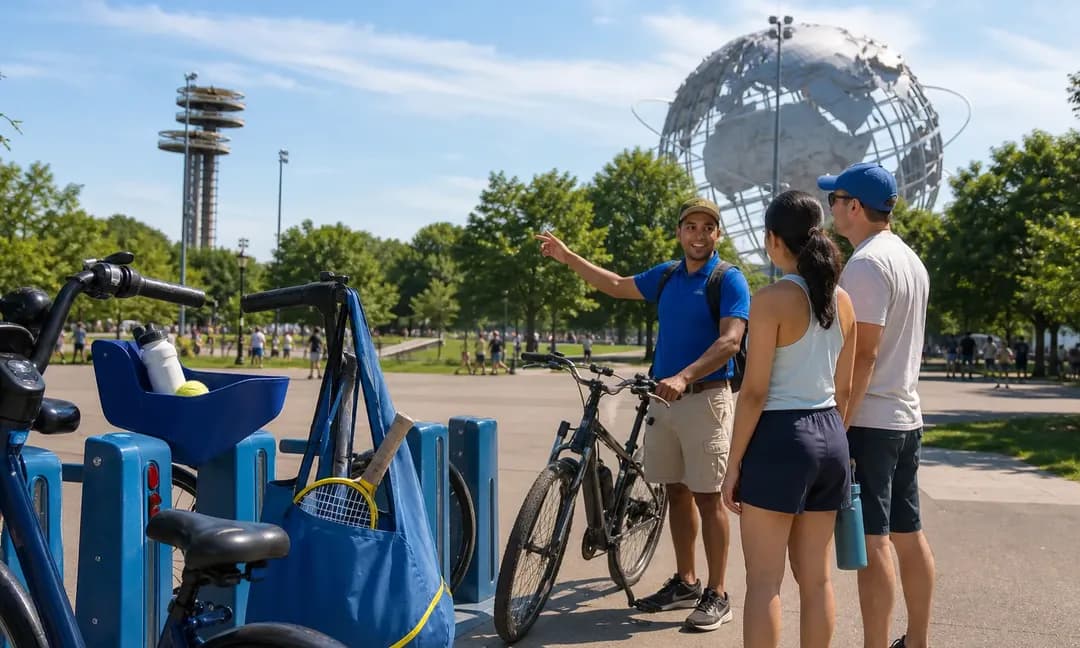
A simple bike-minded plan might focus on the park’s broad civic feel: the Unisphere area, museum-adjacent paths, views toward Citi Field, and the green space that gives the US Open its unusual setting. A guided ride can be useful if you want context without constantly checking a map. A self-guided loop can work better if you prefer to keep the day flexible and pause when the group finds a cafe, deli, public art stop, or quiet bench.
A Baseball Fan’s Flushing Meadows Loop
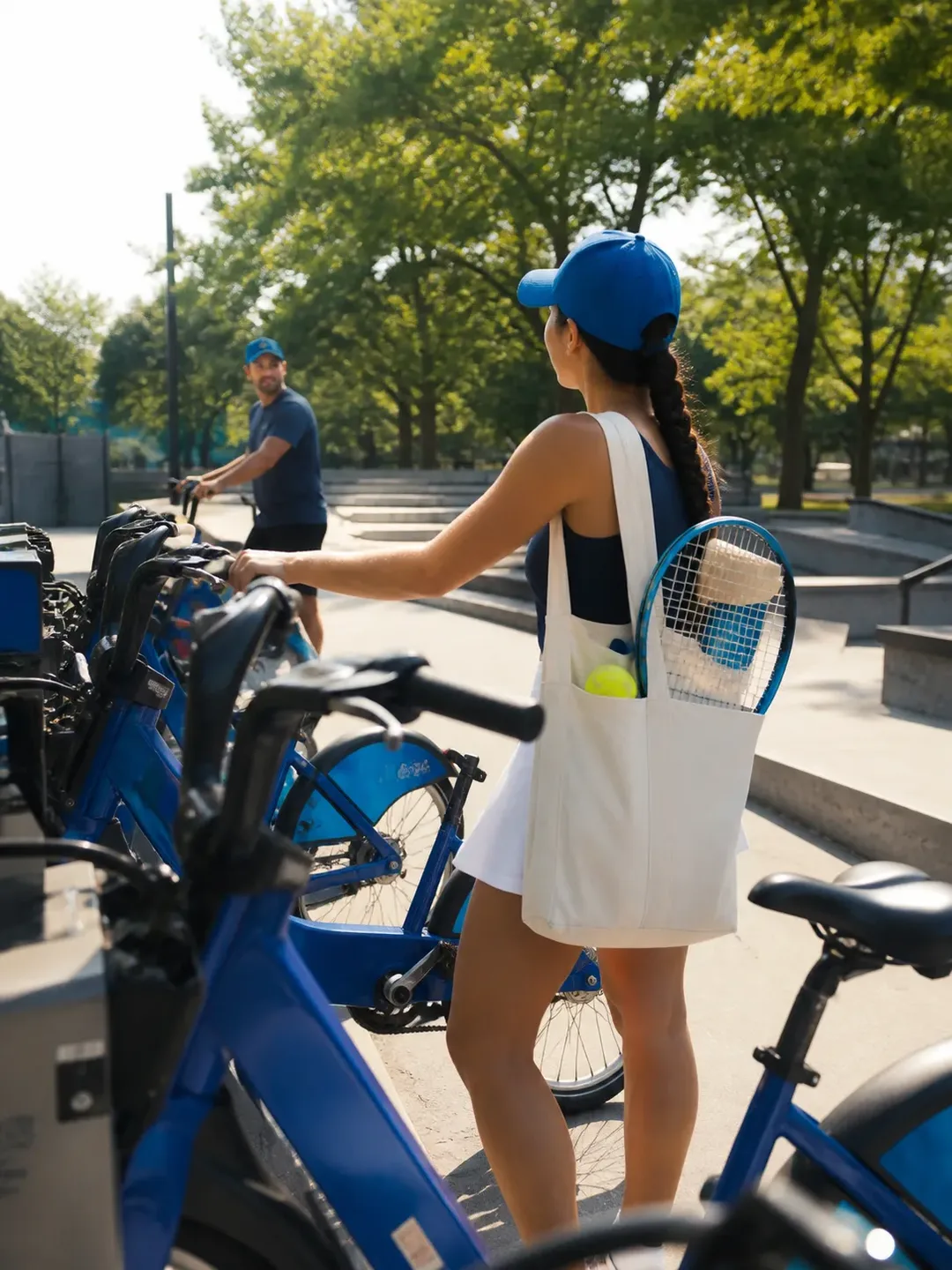
For baseball fans, the obvious emotional anchor is Citi Field. Even if you are not attending a game, the stadium gives the area a familiar sports-district rhythm. From the Mets-Willets Point area, you can orient yourself between Citi Field, the tennis grounds, and the open park landscape. That triangle is the core of the day: arrive by train, get your bearings, move through the park, eat nearby or along the 7, then return with enough time to follow US Open entry guidance.
Keep the loop modest. A good pre-tennis ride or walk does not need to chase every landmark in Queens. If you have a morning session, stay close: Flushing Meadows, the Unisphere, nearby museum exteriors or public spaces, and a quick food stop if timing allows. If you have an evening session, you can be more ambitious: lunch in Flushing, a cafe pause in Jackson Heights, or a western Queens start in Long Island City before riding or taking transit east. The practical move is to avoid stacking too many neighborhoods onto a day that already has a fixed event time.
Food Stops Along The 7 Train
The 7 train is one of the easiest ways to make the US Open feel like Queens instead of just an event campus. Flushing is the natural food magnet near the eastern end, with dense blocks where you can plan around noodles, dumplings, bakeries, tea, or quick snacks without assuming any one business will be open at the moment you arrive. Corona can work for a more compact local pause near the park edge. Jackson Heights is better when you want a broader neighborhood wander with South Asian, Latin American, and Himalayan food possibilities in the wider area.
Long Island City and Astoria are better as starting-point neighborhoods than last-minute detours. They make sense if your hotel is there, if your group wants a cafe-and-gallery morning, or if you want to use the 7 corridor as a slow build toward the tennis center. Before you go, check current business hours, reservation policies, museum schedules, and transit advisories directly. The point is not to over-script the meal. It is to pick a neighborhood lane that keeps you moving toward the US Open instead of pulling you across the city at the wrong hour.
Guided Cycling Versus DIY
A guided cycling tour is best for visitors who want structure: a meeting point, a route, some Queens context, and fewer decisions. It can be especially useful for groups mixing baseball fans, tennis fans, and first-time New York visitors. Ask practical questions before booking: where the tour starts and ends, whether it leaves enough time for your US Open session, what happens with helmets or equipment, how the guide handles park paths, and whether the ride fits your group’s comfort level.
A DIY bike-share plan is best when your schedule is loose and your group is comfortable navigating. Keep it simple: verify station locations close to the day, avoid assuming a dock will have bikes or open spaces, and do not ride with items that might complicate venue entry. The official US Open prohibited-items guide should shape what you bring before you ever leave the hotel. If you need a larger bag, special gear, or purchases from a neighborhood stop, solve that before heading to the tennis center rather than discovering a problem at the gate.
Build In The Venue Rules
The official US Open visitor A-Z guide, transportation directions, and prohibited-items page are not fine print. They are the difference between a smooth local day and a frustrating one. Before you plan a bike ride, food run, or museum stop, confirm what you can carry into the venue, where you should enter, and how the tournament recommends arriving. If your group is using transit, compare the US Open’s transportation page with the MTA’s event guide, then check live service information close to departure.
This matters more for bike plans than people expect. A bike-share ride can be a great pre-event activity, but the bike itself is not the final destination. You still need to dock or return it appropriately, collect your group, manage bags, and walk to the correct area. If you are using a guided tour, confirm whether it ends near transit, near the park, or somewhere else entirely. If you are staying at a hotel in Queens, ask the hotel for current neighborhood guidance, but verify event and transit details through official sources.
Practical Notes For A Better Day
- Check the official 2026 US Open schedule before building the route, then recheck close to the visit for session timing and event updates.
- Use Mets-Willets Point as the simplest transit anchor for the tennis center, while treating the broader 7 train corridor as your food and neighborhood map.
- Confirm bike-share station locations, bike availability, guided tour meeting points, and return rules through the operator or tour provider before you leave.
- Read the US Open prohibited-items guide before carrying picnic items, sports gear, large bags, camera equipment, or purchases toward the venue.
- If you want museums, parks, bookstores, galleries, cafes, bars, or delis in the plan, check each official site or business listing close to the day.
- Keep the pre-tennis route short enough that delays, crowds, bag checks, and group pacing do not turn the day into a scramble.
A Queens Plan That Feels Local
The strongest version of this day has a clear shape. Morning or early afternoon: start where you are staying, use the 7 train or a nearby bike option, and choose one Queens focus. Baseball-minded visitors can orient around Citi Field and Flushing Meadows. Food-first visitors can add Flushing, Corona, or Jackson Heights. Culture-first visitors can check museum and park information, then keep the route close enough to the tennis center that the US Open remains the anchor.
That is the planning lens behind this Kyle Harrison-style discovery hook: use the sports interest as the reason to explore, then let Queens do the work. The borough rewards people who leave a little room for the neighborhood. You might find your best pause in a bakery line, a park bench facing the Unisphere, a quick public art detour, or a calm cafe stop before the tennis crowd thickens. Just keep the official sources close, respect park and venue rules, and make the route serve the session time instead of the other way around.
Tags: #USOpen2026 #Queens #FlushingMeadows #KarpoFinds #Karpo #kyleharrison #NewYorkLocal #TennisTravel #NYCLocalLife #TennisTravel
Sources consulted: usopen.org — Official event schedule · usopen.org — Official visitor A-Z guide · usopen.org — Official transportation directions · usopen.org — Official prohibited-items guide · MTA — Official US Open transit guide · NYC Parks — Flushing Meadows Corona Park · NYC Parks — Park rules · NYC Tourism — Queens
All trademarks are the property of their respective owners.
Ask Karpo first
Want to know what is actually open, how to time the trip, and where to pause around Queens? Ask Karpo for the latest public US Open context, a respectful visitor plan, and a live route around Flushing Meadows before you head out.
Ask Karpo for more information.
Keep reading
- Where to Eat Near Penn Station That Isn't a Chain
 Andytown Coffee in the Outer Sunset: The Snowy Plover Explained
- Best Things to Do in Chicago: What the City Gives Away