The stretch of Church Avenue where Kensington bleeds into the denser blocks of south Brooklyn holds a particular rhythm on Friday afternoons. Somewhere past the halal butchers and the sari shops, a small Bangladeshi restaurant fills with the kind of purposeful traffic that suggests something time-sensitive is happening inside. The draw is hilsa — the oily, bone-riddled national fish of Bangladesh — and the kitchen only makes the curry once a week.
The Friday Migration Begins Around Noon
Hilsa fish carries an almost mythic status in Bengali cuisine, prized for its rich fat content and the way its flesh absorbs mustard and turmeric. The restaurant sources whole hilsa from suppliers who bring it in fresh, and the kitchen starts prep early Friday morning. By the time the lunch crowd arrives, the curry is ready — a slick, golden-orange pool with fish steaks submerged, bones intact, the mustard oil shimmering at the surface. The dish moves fast. Most Fridays, the pot is empty by 1:30 in the afternoon, sometimes earlier if word has spread through the neighborhood that the fish looked particularly good that week. Latecomers learn to call ahead, though even that offers no guarantees. The kitchen makes what it makes, and when it's gone, the wait begins again.
A Room That Runs on Family Time
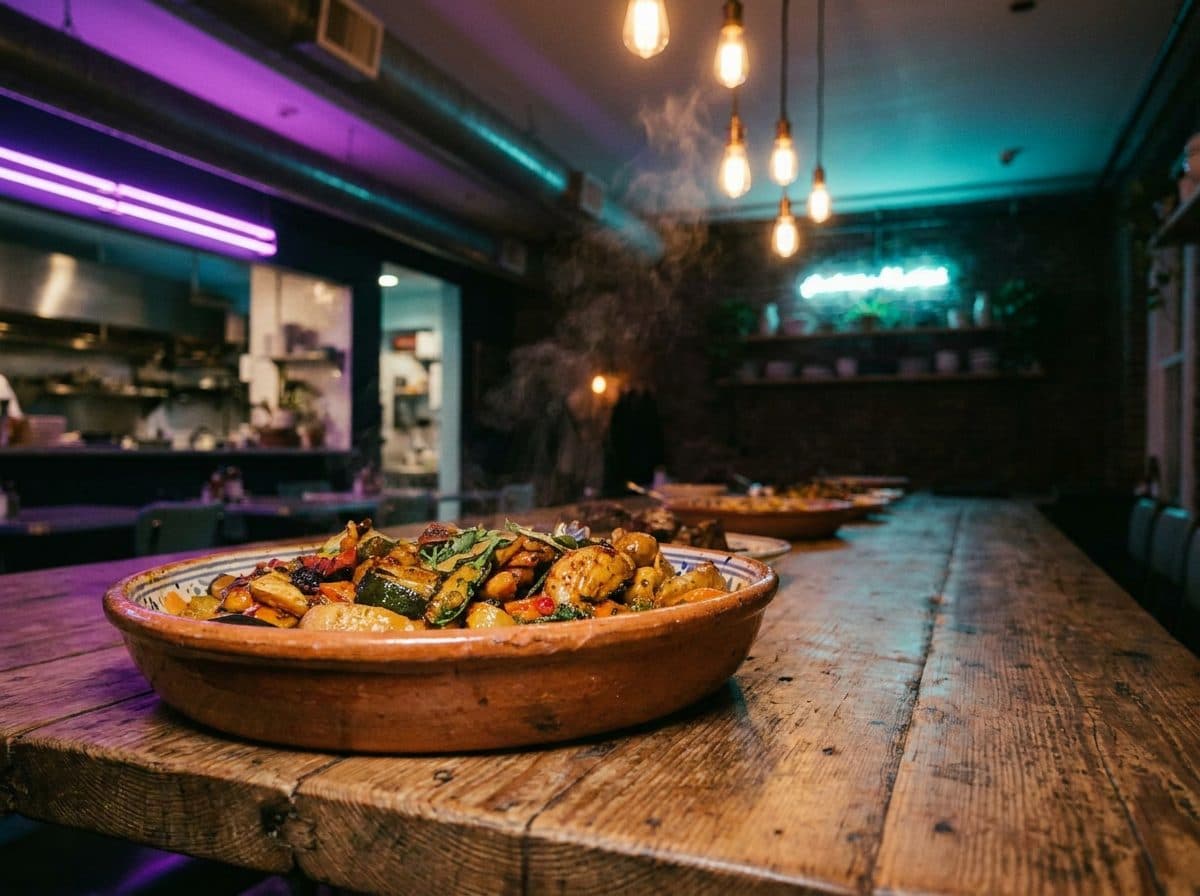
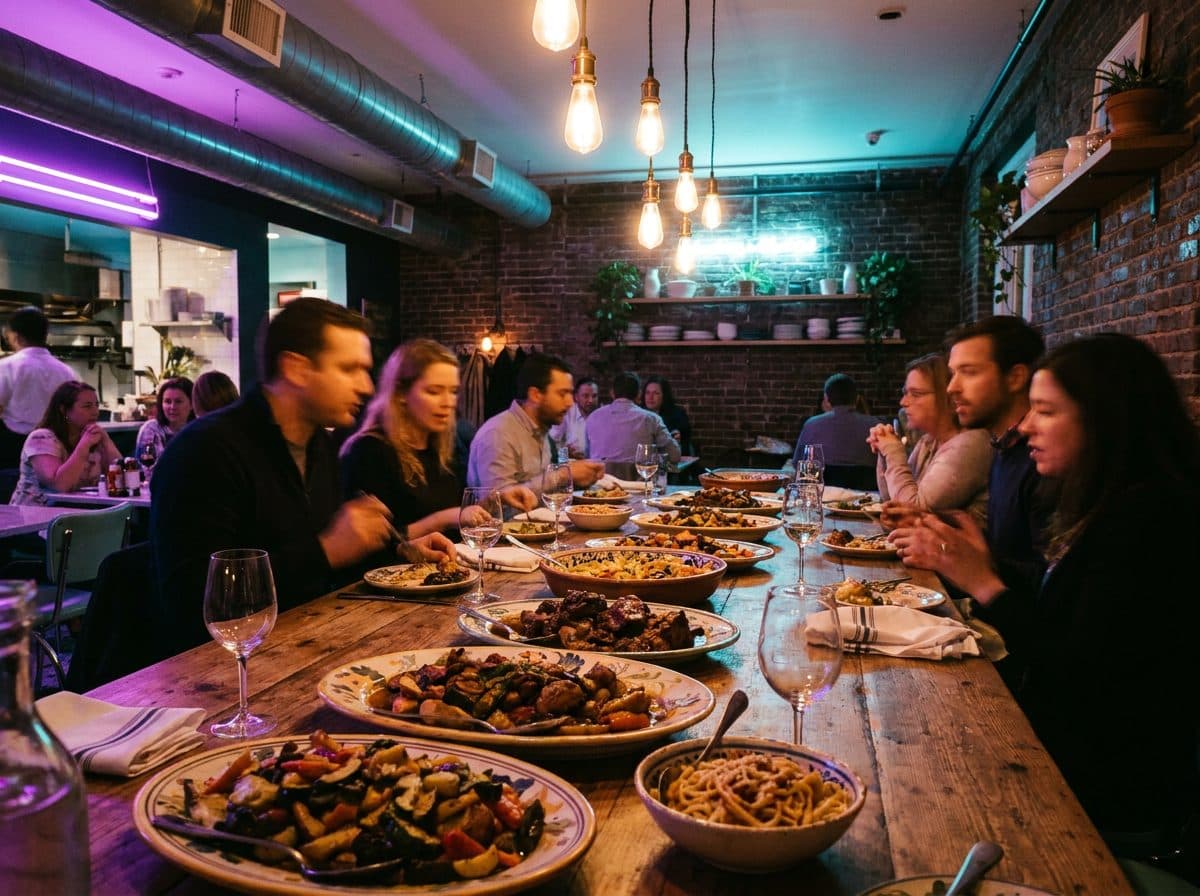
The dining room is modest — maybe a dozen tables, fluorescent lights, a television mounted high on one wall cycling between Bengali news and cricket highlights. The décor leans functional rather than atmospheric, with laminated menus and a glass display case near the register holding sweets and snacks. What animates the space is the family that runs it. Three generations move through the room on busy days: someone's grandmother folding napkins near the back, children doing homework at the corner table by the kitchen door, the owner circulating between the front counter and the tables with the easy authority of someone who has done this for years. That corner table, the one closest to the kitchen, is where the family typically sits when they eat. Regulars know to read it as a signal — if the family is eating from a particular dish, freshness is not in question.
The Mustard Cuts Through Everything
Hilsa curry in this style arrives with the fish barely holding together, the flesh so soft it threatens to dissolve into the sauce. The mustard paste — ground fresh, sharp enough to clear the sinuses — dominates the first bite, then recedes into something rounder as the turmeric and green chili assert themselves. Eating it requires patience. The bones are many and fine, and rushing invites trouble. The proper technique involves working slowly with fingers, pulling flesh from the skeleton in small pieces, mixing each bite with rice. The restaurant serves the curry with plain basmati, though some tables order additional sides: dal, a vegetable bhaji, sometimes a plate of begun bhaja — fried eggplant slices that offer a textural counterpoint to the soft fish. The meal is not expensive. A few dollars covers the curry; a full spread for two stays comfortably in the mid-range for the neighborhood.
The Block Tells Its Own Story
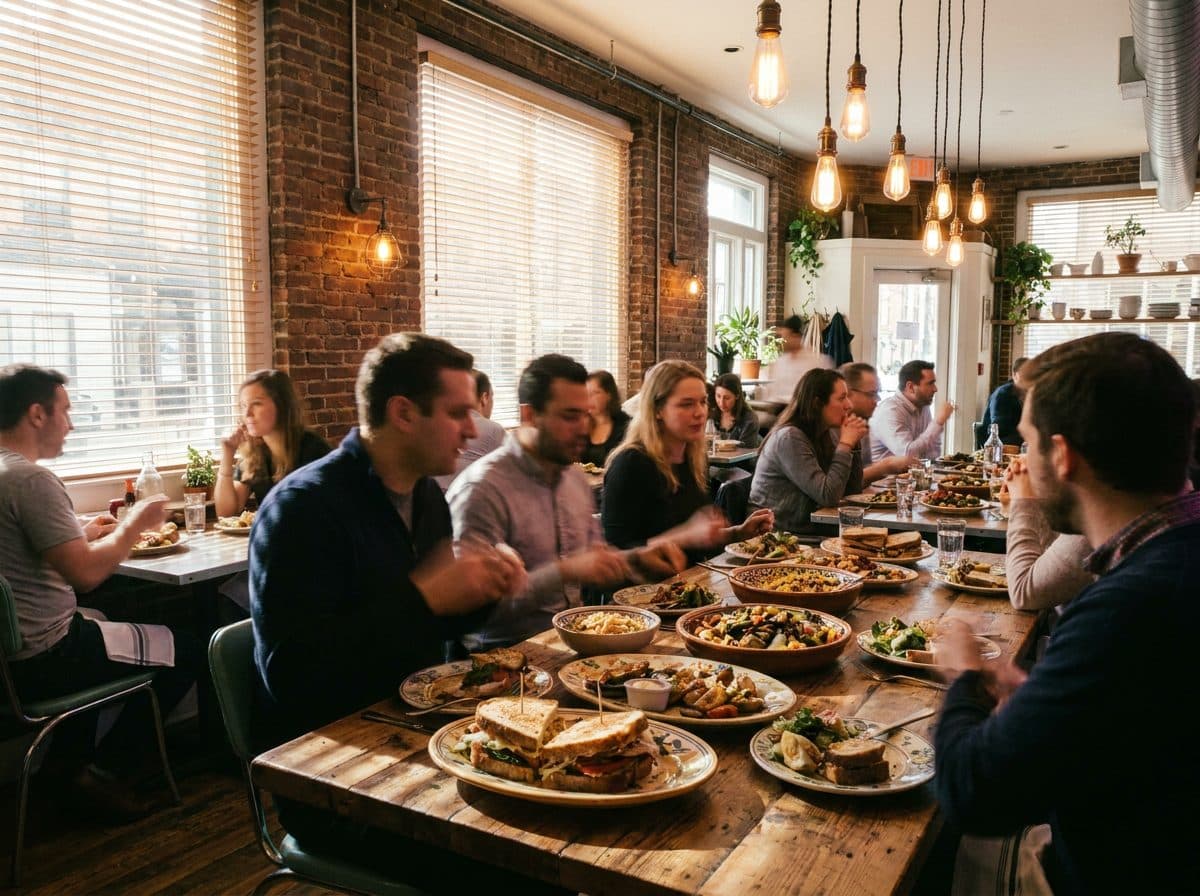
Kensington's Bangladeshi population has grown steadily over the past two decades, and this stretch of Church Avenue reflects that shift. The restaurant sits among neighbors that cater to the same community: grocery stores stocking mustard oil and dried fish, jewelers with window displays of gold bangles, travel agencies advertising flights to Dhaka. On Friday afternoons, the sidewalk outside carries a particular energy — families heading to the mosque, workers breaking for lunch, the occasional double-parked car with hazards blinking while someone runs inside to pick up an order. The restaurant draws from this foot traffic but also pulls customers from further out: Bangladeshi families from other Brooklyn neighborhoods, the occasional food-curious visitor who has heard about the hilsa. The room accommodates both without fuss. First-timers might feel briefly uncertain about the protocol, but the staff guides newcomers through the menu with practiced ease.
What the Regulars Know to Ask For
The laminated menu covers the expected range — biryanis, kormas, kebabs, the usual roster of a Bengali kitchen serving a neighborhood clientele. But the real discoveries often live off-menu, available to those who know to ask or who have been coming long enough to earn suggestions. One such item is a rice pudding variation that appears after meals, denser and less sweet than the standard payesh, flavored with date palm jaggery that gives it a caramel undertone. The kitchen doesn't always have it, and it never appears on the printed menu. Regulars request it by describing it — "the one with the gur" — and receive it in small steel bowls, still slightly warm. It arrives as a grace note after the heaviness of the curry, a quiet signal that the meal has reached its proper end.
The Room After the Rush
By mid-afternoon on Fridays, the hilsa crowd has thinned and the restaurant settles into a different register. The television volume drops. The family reclaims more of the tables. A few stragglers linger over tea, and the kitchen shifts to prep for the evening service, which draws a different clientele — more takeout orders, more biryanis, fewer of the time-sensitive dishes that define the lunch rush. The transition is unremarkable from the outside, but it marks the weekly rhythm that structures the place. Hilsa Fridays are an event; the rest of the week is simply a good neighborhood restaurant doing steady business. Both versions are worth knowing, but only one requires showing up before 1:30.
Practical Notes
The restaurant sits along Church Avenue in Kensington, reachable via the F train to Church Avenue station or the B/Q to the same stop, with a short walk into the neighborhood's commercial stretch. Hours run from late morning through evening most days, with Friday lunch service drawing the largest crowds. No reservations are taken; seating is first-come, and turnover is quick enough that waits rarely stretch long. Cash is preferred, though cards are accepted. The menu is available in English, and staff can guide unfamiliar diners through the options. For the hilsa, arrival before noon on Fridays offers the best odds.
Tags: #HilsaCurry #KensingtonBrooklyn #BangladeshiFood #FridayOnly #ChurchAvenue #BengaliCuisine #SouthBrooklyn #MustardFishCurry #NeighborhoodGem #FamilyRunRestaurant #BrooklynEats #SeasonalSpecial #DesiFood #NYCDining #HiddenKitchen
Sources consulted: eater.com · timeout.com · infatuation.com
All trademarks are the property of their respective owners.
Ask Karpo first
Want to know whether this Friday's hilsa is confirmed, what time the lunch rush peaks, and how to navigate a Kensington block that doesn't advertise? Ask Karpo for the weekly update and a south Brooklyn dining route.