 Where to Eat Near Penn Station That Isn't a Chain
US Open 2026
Karen Carpenter Vinyl Listening Rooms Near Queens US Open
How to find quiet audiophile spaces and vinyl-listening corners in Flushing and western Queens when you need a calm break between US Open sessions.
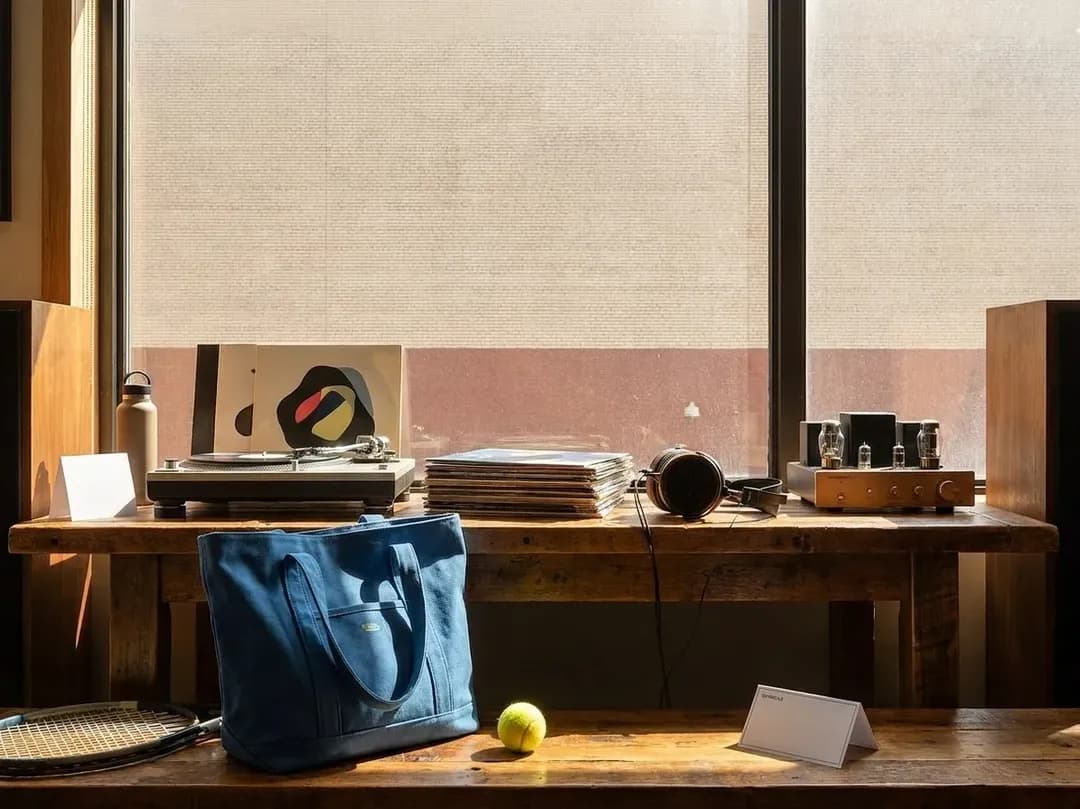
Karen Carpenter's voice—warm, precise, impossibly clear—belongs in a room where you can actually hear it. If you're planning days around the 2026 US Open at the USTA Billie Jean King National Tennis Center in Flushing Meadows Corona Park, you'll have hours between sessions, before gates open, or after an early exit when the crowds and the sun feel like too much. That's when a private vinyl listening booth, a tucked-away audiophile lounge, or a quiet music corner in Flushing, Corona, Jackson Heights, or Long Island City starts to make sense. This guide walks through the types of spaces, neighborhoods, and practical rhythms that let you pair a major sporting event with the kind of listening experience Karen Carpenter's catalog deserves—no hype, no unverified claims, just a local-life lens on where to look and how to plan.
Text Karpo with your US Open session time and Queens starting point, and we’ll turn this Private vinyl listening booths and audiophile lounges in Flushing for quiet music appreciation between matches into a practical local plan.
Why vinyl listening rooms fit US Open downtime
The US Open runs for two weeks in late August and early September, with day and night sessions that leave gaps—morning arrivals before an evening match, midday breaks between rounds, or post-match hours when you're not ready to head back to Manhattan or your hotel. Flushing and the 7 train corridor offer dense, multilingual neighborhoods with independent record shops, cafes with turntables, and occasionally private listening booths where you can drop in, pay by the hour, and sit with an album without interruption. These spaces cater to audiophiles, collectors, and anyone who wants to hear a record the way it was mixed—on quality speakers or headphones, in a room designed to minimize noise. For a Karen Carpenter session, that means catching the subtle layering, the close-mic warmth, and the analog detail that streaming often flattens.
Where to look: Flushing, Jackson Heights, and Long Island City
Flushing sits a short walk or shuttle ride from the tennis center, and its downtown core around Main Street and Roosevelt Avenue holds independent music shops, karaoke lounges, and electronics stores that sometimes stock vintage audio gear. A few blocks west, you'll find quieter side streets with cafes and community spaces that occasionally host listening events or rent small rooms by the hour. Jackson Heights, two stops west on the 7 train, has a strong independent bookstore and music scene, with shops that sell used vinyl and host weekend listening sessions. Long Island City, closer to Manhattan, offers art galleries, coffee roasteries, and design studios—some with lounge areas and turntables available for public use during business hours. None of these neighborhoods promise a dedicated vinyl booth on every block, but the density and culture make it worth checking current listings and calling ahead.
What to expect in a private listening booth
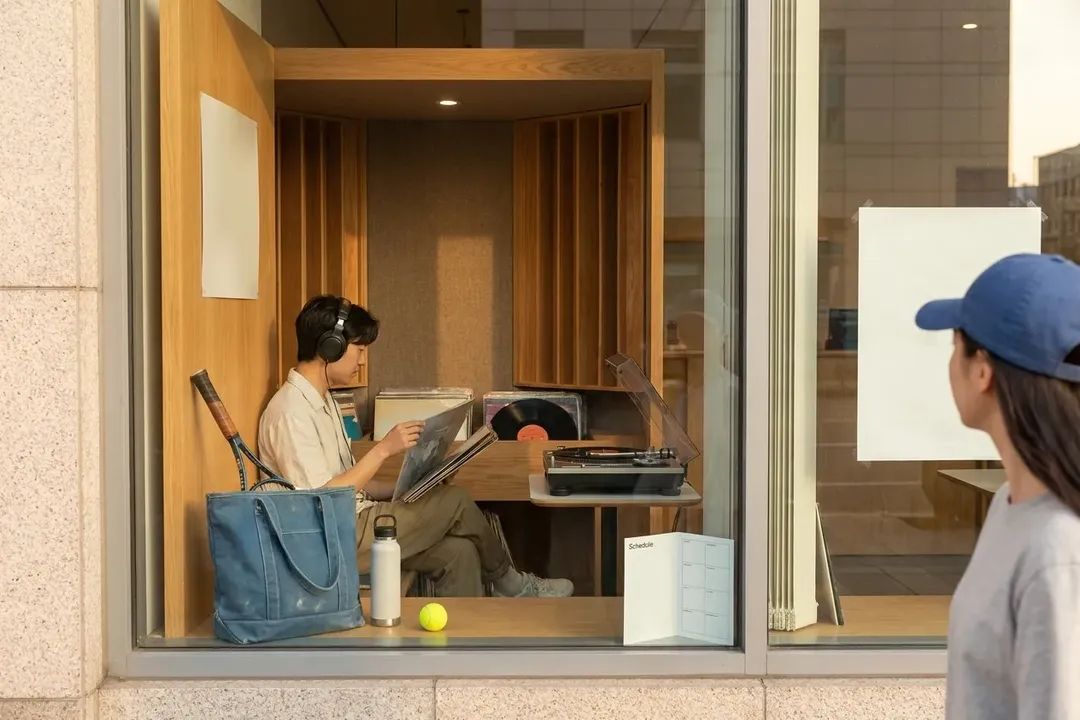
Private vinyl listening booths typically offer a small soundproofed room, a quality turntable, a selection of house records or the option to bring your own, and either over-ear headphones or monitor speakers. Some charge by the half-hour, others by the session; some require advance booking, others take walk-ins if a booth is free. You'll want to confirm whether the shop allows outside records, whether they have a Carpenters collection on hand, and whether the booth is available during your US Open window. Bring a charged phone for timing, a notebook if you like to track what you hear, and cash or card depending on the venue's payment setup. The experience is quiet, focused, and designed for deep listening—no conversation, no multitasking, just you and the record.
Audiophile cafes and lounge spaces
If a private booth feels too formal or isn't available, look for cafes and lounges in Astoria, Sunnyside, or Woodside that feature high-end turntables and curated vinyl collections as part of the atmosphere. These spots often play records throughout the day, and some let regulars request albums or bring their own for the house system. The vibe is more communal—you're sharing the room and the music—but the sound quality is still a priority, and the setting offers a calm alternative to the stadium's energy. Pair a listening session with an iced coffee, a pastry, or a quiet lunch, and use the time to reset before your next match or transit leg. Check social media or call ahead to confirm the turntable is in use and the space is open during your visit window.
Bringing your own vinyl or streaming as backup
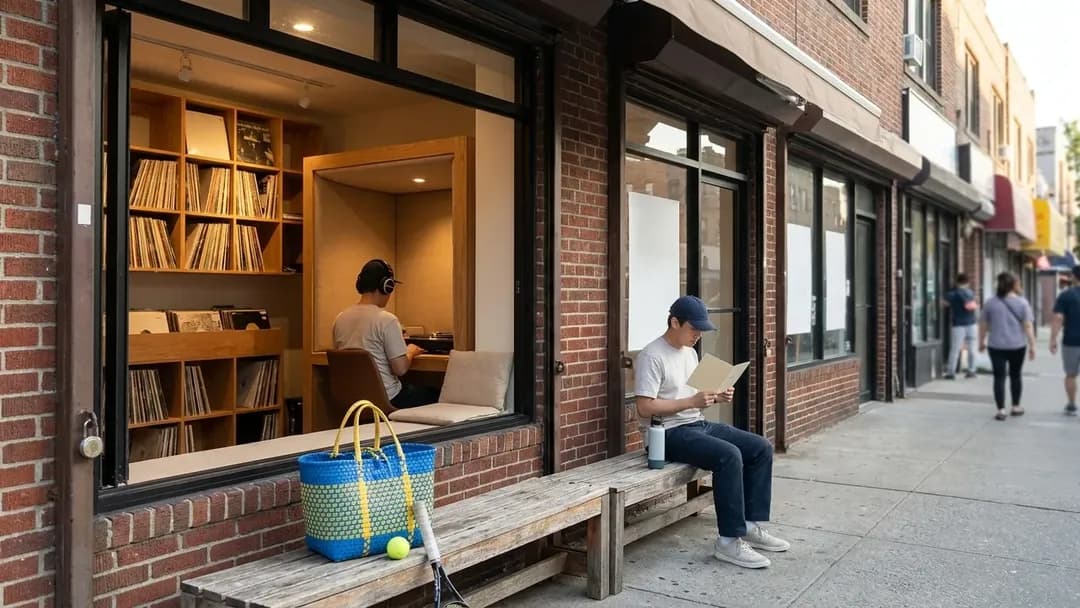
If you own Carpenters records—*Close to You*, *A Song for You*, or any of the singles compilations—and you're traveling light, consider whether it's practical to carry a record in your bag alongside US Open essentials. Some visitors pack a single LP in a protective sleeve and plan a listening stop as part of the day's rhythm. If that's not feasible, many audiophile spaces also offer high-resolution streaming through quality DACs and headphones, which won't match the analog warmth but will still deliver better fidelity than phone speakers or earbuds. Confirm the venue's policy on outside media, streaming options, and equipment access when you book or walk in.
Timing your listening session around US Open gates and transit
US Open gates typically open in the morning for day sessions and mid-afternoon for night sessions, with exact times published on the official event schedule at usopen.org. Plan your vinyl listening session for the window before gates open, during a midday break if you're attending both sessions, or after an early evening match when you're heading back along the 7 train. The MTA's official US Open transit guide at new.mta.info offers real-time service updates, and the 7 train runs frequently between Flushing and Manhattan, making it easy to hop off at Jackson Heights, Woodside, or Long Island City for a listening stop. Build in buffer time for walking, booth availability, and the session itself—thirty minutes to an hour is typical for a focused listen.
Practical notes for vinyl listening around the US Open
- Check official US Open schedules and prohibited items at usopen.org before planning your day.
- Call or message vinyl shops and audiophile cafes in advance to confirm booth availability, hours, and house record selection.
- Bring headphones if you prefer your own fit, though most booths provide high-quality over-ear models.
- Carry a small bag for a record if you're bringing your own, and confirm the venue allows outside vinyl.
- Use the MTA's real-time 7 train updates to time your listening stop between transit legs.
- Respect booth time limits and house rules—these are shared community spaces with limited capacity.
- Explore NYC Parks' Flushing Meadows Corona Park page for green space and public art if you want to pair music with a quiet walk.
- Check NYC Tourism's Queens guide for additional neighborhood context and cultural stops along the 7 train corridor.
karen carpenter, US Open 2026, vinyl listening rooms Queens, audiophile cafes Flushing, private listening booths NYC, Flushing Meadows Corona Park, 7 train corridor music, Queens record shops, US Open downtime, analog music New York
Tags: #USOpen2026 #Queens #FlushingMeadows #KarpoFinds #Karpo #karencarpenter #NewYorkLocal #TennisTravel #NYCLocalLife #TennisTravel
Sources consulted: usopen.org — Official event schedule · usopen.org — Official visitor A-Z guide · usopen.org — Official transportation directions · usopen.org — Official prohibited-items guide · MTA — Official US Open transit guide · NYC Parks — Flushing Meadows Corona Park · NYC Tourism — Queens · NYC Department of Consumer and Worker Protection
All trademarks are the property of their respective owners.
Ask Karpo first
Want to know what is actually open, how to time the trip, and where to pause around Queens? Ask Karpo for the latest public US Open context, a respectful visitor plan, and a live route around Flushing Meadows before you head out.
Ask Karpo for more information.
Keep reading
- Where to Eat Near Penn Station That Isn't a Chain
 Andytown Coffee in the Outer Sunset: The Snowy Plover Explained
- Best Things to Do in Chicago: What the City Gives Away