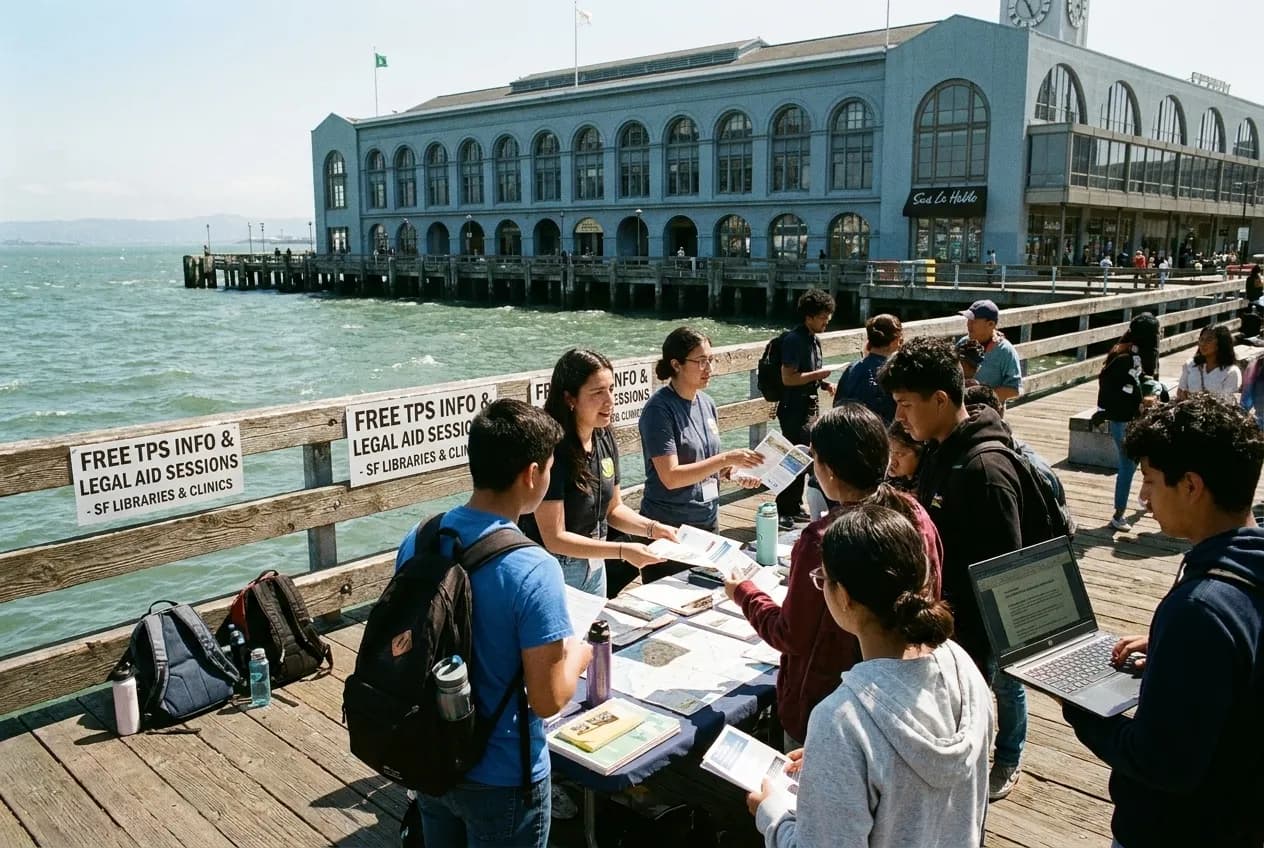
Students and families researching judge ana reyes tps and related immigration policy developments face a common challenge as the fall semester approaches: finding trustworthy legal guidance without the pressure of immediate decisions. San Francisco's network of public libraries, university-affiliated legal clinics, and nonprofit immigration centers offers free information sessions and document review services designed specifically for families navigating Temporary Protected Status questions and related concerns. Rather than promising definitive answers, these resources help you understand what documentation you already have, what questions to ask, and which next steps match your family's specific situation. This guide focuses on physical locations accessible during weekday afternoons, the transportation routes that connect university districts to these services, and the tradeoffs between different types of assistance—from quick informational workshops at library branches to more detailed consultations that require advance scheduling.
Planning to verify TPS resources before the semester? Text Karpo with your campus location, preferred language for services, available weekday hours, and whether you need document translation help. We'll route you to three verified legal aid centers with current walk-in availability and send a backup nonprofit hotline if offices are at capacity.

Public Library Branches as First-Stop Information Hubs
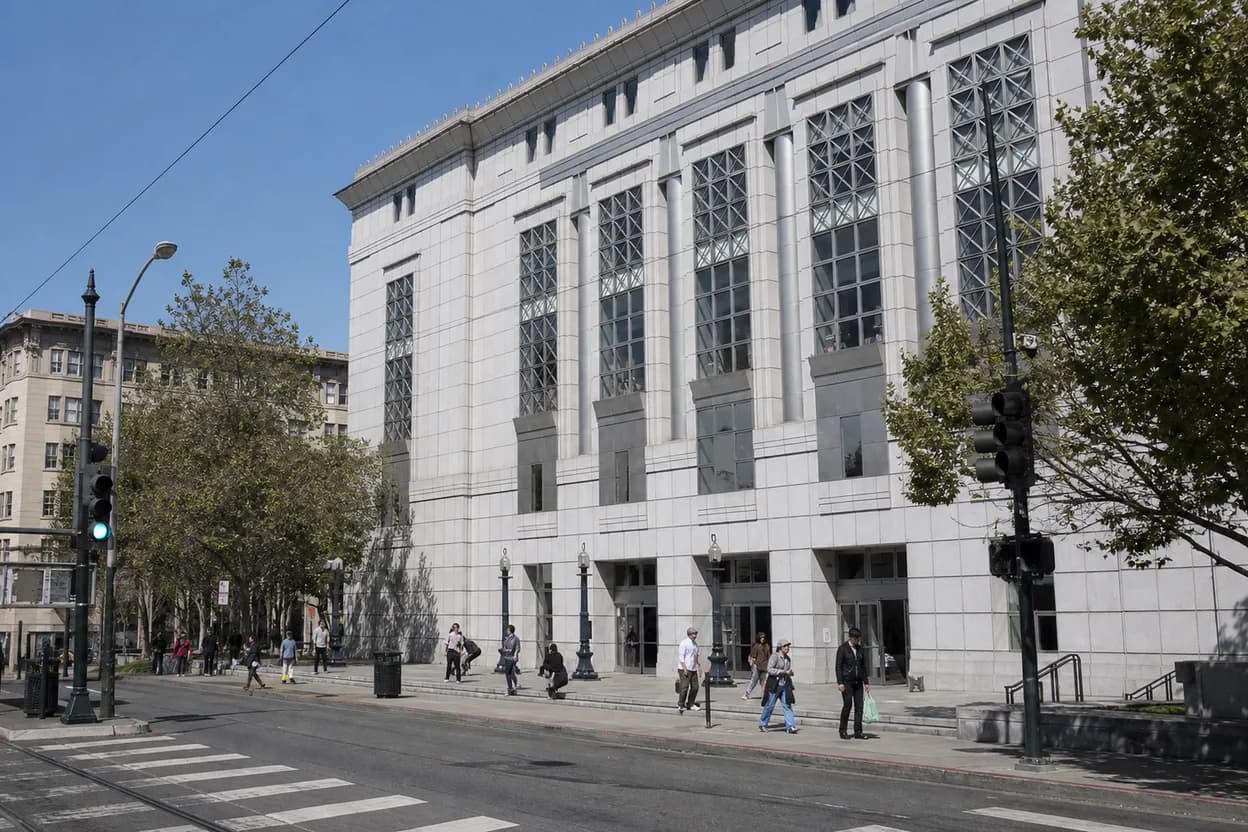
San Francisco's public library system provides a low-pressure starting point for families who need immigration information but aren't ready for formal legal consultations. The Main Library at 100 Larkin Street operates Monday through Thursday from 9 a.m. to 8 p.m., with additional branches like Mission (1234 Valencia Street) and Chinatown (1135 Powell Street) offering similar extended weekday hours that accommodate afternoon research sessions. These locations typically host community information sessions and maintain reference materials on immigration policy, though specific programming schedules vary and should be verified directly. The tradeoff here is accessibility versus depth: library resources excel at helping you understand general processes and terminology, but they won't provide individual case analysis or legal representation.
Reaching library branches from university districts involves straightforward Muni routes, as the SFMTA transit system connects neighborhoods throughout the city. Families traveling from areas near San Francisco State or USF can use the trip planner at SFMTA.com/Go to map routes that fit afternoon schedules, weighing travel time against the convenience of neighborhood branches versus the more extensive resources at the Main Library. The practical advantage of starting at a library is the ability to browse materials, attend drop-in sessions without appointments, and gather foundational information before deciding whether you need more specialized legal assistance. This approach works well for families in the early research phase who want to understand what questions they should be asking before committing to formal consultations.
University Legal Clinics and the Appointment Tradeoff
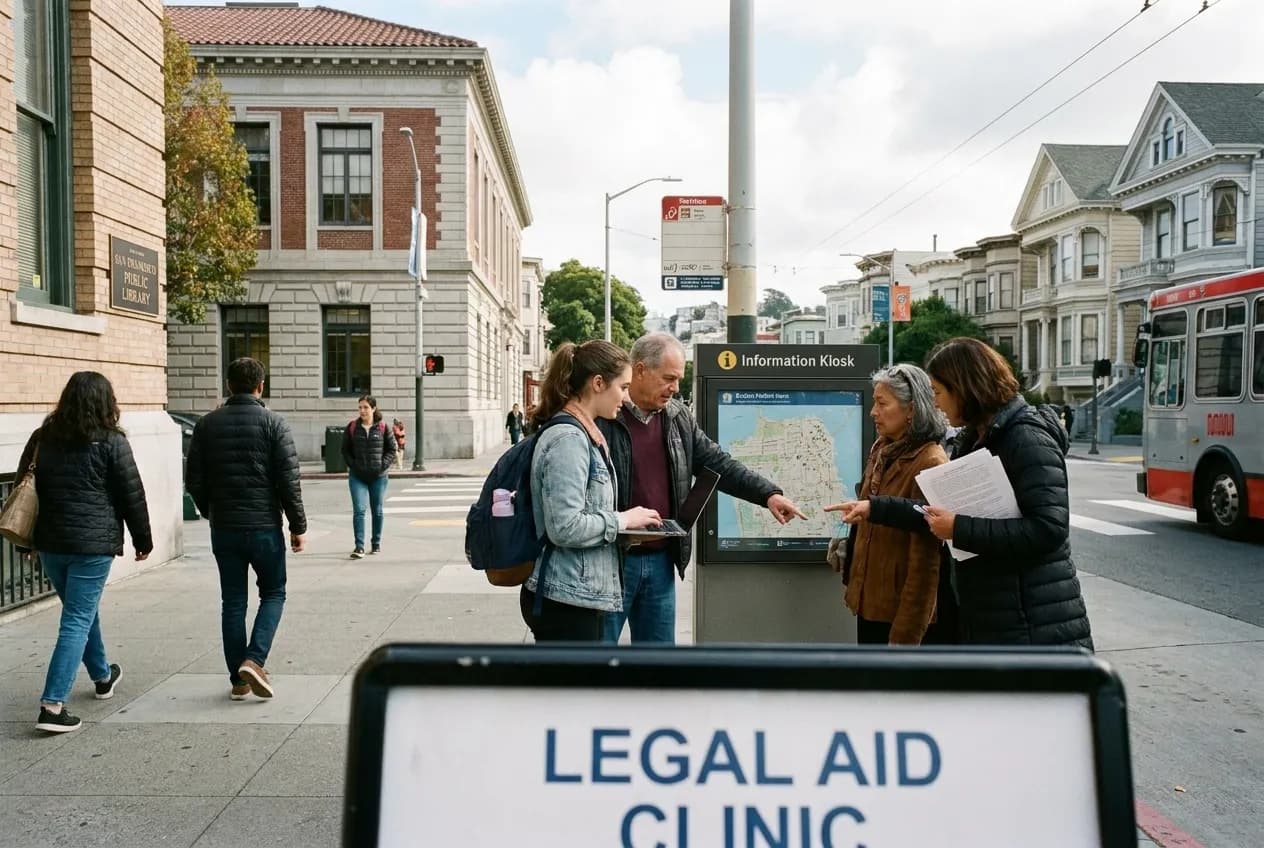
University-affiliated legal clinics in San Francisco typically offer more detailed immigration consultations than library information sessions, but they operate on appointment systems that require advance planning. These clinics, often staffed by supervised law students and experienced attorneys, can review specific documents and provide preliminary assessments of individual situations related to TPS and other immigration matters. The primary tradeoff involves timing: while library resources are available for walk-in research during most weekday afternoons, clinic appointments may require waiting periods of several days to weeks depending on current demand. Families should contact clinics directly to understand their intake processes, eligibility requirements, and typical wait times before the fall semester begins.
The verification step matters significantly when selecting a clinic. Confirm that any legal service provider is recognized by the Board of Immigration Appeals or affiliated with an accredited institution, information typically available on clinic websites or through direct inquiry. University clinics generally serve clients regardless of ability to pay, but they may prioritize cases that fit their educational mission or have specific intake criteria based on immigration status or case complexity. This means your family might receive excellent service at no cost, or you might be referred elsewhere if your situation falls outside the clinic's scope. Understanding these boundaries before your first appointment helps set realistic expectations and prevents wasted trips during busy weekday afternoons when coordinating family schedules is already challenging.
Nonprofit Immigration Centers and Specialized Workshops
Nonprofit immigration organizations in San Francisco often bridge the gap between general library information and formal legal representation, offering group workshops and limited-scope consultations that address specific concerns like TPS documentation requirements. These centers frequently schedule weekday afternoon sessions designed for working families and students, though the exact timing and format of workshops change based on current policy developments and organizational capacity. The advantage of nonprofit workshops is their focus on practical action steps—attendees often leave with checklists, sample documents, and clearer understanding of which forms apply to their situations. The limitation is that group settings can't address every individual circumstance in detail, so families with complex cases may need follow-up individual consultations.
Nonprofit centers vary in their service models: some offer brief consultations on a walk-in basis during designated hours, while others operate entirely by appointment with intake screenings to determine eligibility. This variation means families should research multiple organizations to find the service structure that matches their needs and schedules. Transportation planning becomes important here, as nonprofit offices may be located in neighborhoods less directly connected to university districts than library branches. Using the SFMTA trip planner to map routes from your starting location helps you assess whether a particular center's services justify the travel time, especially when coordinating with school schedules and other family obligations during weekday afternoons.
Document Preparation and What to Bring
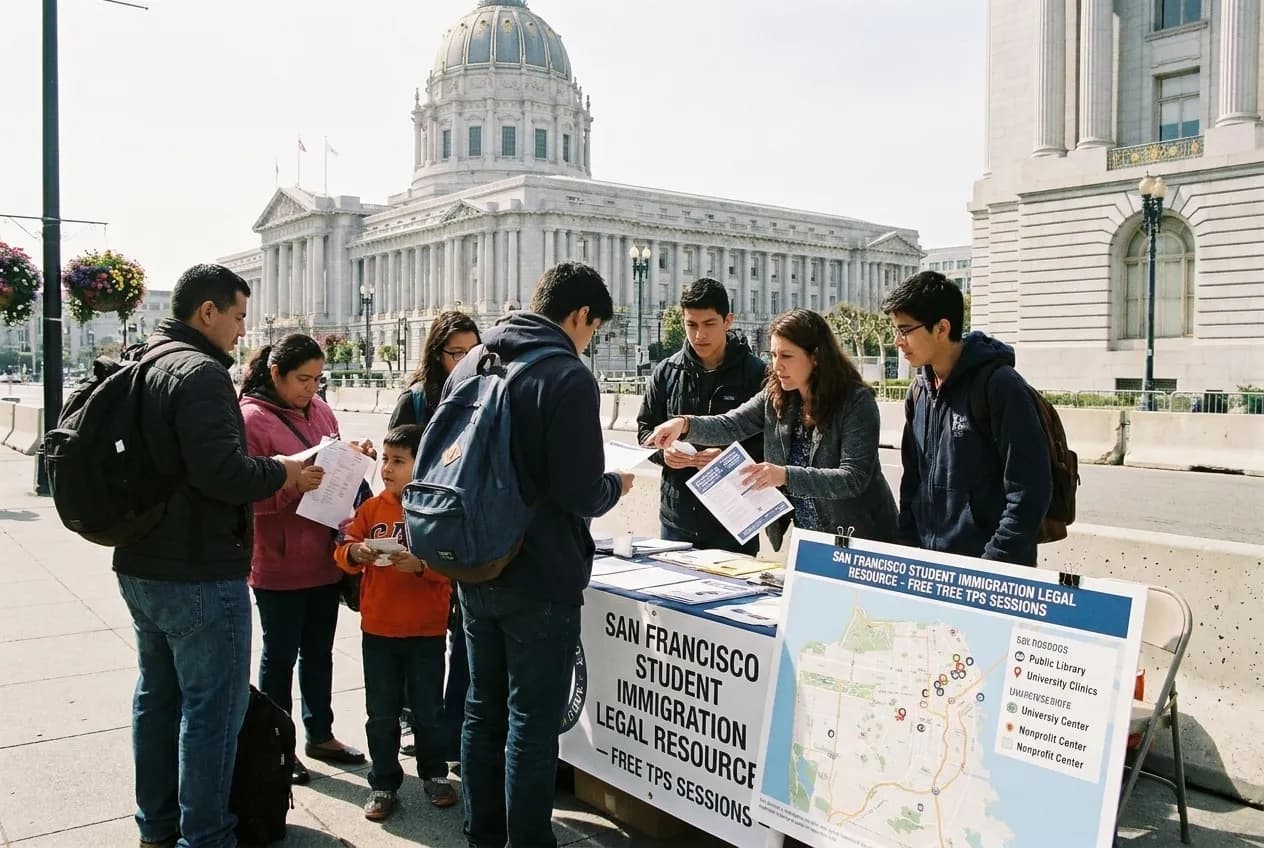
Regardless of which resource type you choose—library, clinic, or nonprofit—effective use of these services depends on bringing the right documentation to your visit. For immigration-related inquiries, this typically includes any existing immigration documents, identification for all family members, records of previous applications or correspondence with immigration authorities, and proof of San Francisco residency if required by the service provider. The preparation tradeoff is straightforward: spending time organizing documents before your visit maximizes the value of limited consultation time, but gathering comprehensive paperwork can feel overwhelming when you're unsure which documents matter most. Starting with what you have and creating a list of missing items during an initial information session often proves more productive than delaying your first visit until you've assembled a perfect file.
Many families discover during their first resource visit that they've been missing key documents or misunderstanding which papers are relevant to their situation. This is normal and expected—the purpose of these initial consultations is partly diagnostic, helping you understand what you have versus what you need. Library staff can point you toward government resources for obtaining copies of documents, while legal clinics and nonprofits may provide specific guidance on replacement procedures. The reassurance here is that no single visit will solve everything; these resources work best as part of a multi-step process where each interaction builds your knowledge and moves you closer to completing necessary preparations before the fall semester.
Coordinating Family Schedules and Setting Realistic Timelines
Weekday afternoon access to immigration resources presents both opportunities and scheduling challenges for families with students and working parents. The extended hours at many library branches (several operate until 8 p.m. on weekdays) provide flexibility that traditional business-hours services don't offer, but coordinating multiple family members' attendance when consultations require everyone's presence demands careful planning. The practical approach involves identifying which visits require full family participation versus which tasks a single family member can handle, such as initial information gathering or document copying at a library. This division of labor respects everyone's time while ensuring that critical decisions involving students' immigration status include appropriate family input.
Setting realistic timelines before the fall semester means working backward from your target date and accounting for waiting periods, document gathering time, and potential follow-up appointments. If you're beginning this process in early August with a September semester start, you have limited weeks to complete initial consultations and any resulting action steps. This timeline pressure argues for starting with the most accessible resources—a library visit or nonprofit workshop—rather than waiting for a clinic appointment that might not occur until after school begins. The reassurance for families feeling this time pressure is that immigration processes rarely resolve in days or weeks anyway; what you accomplish before the semester is building knowledge and establishing connections with resources you'll continue using throughout the academic year. These services exist precisely because immigration matters require ongoing attention rather than one-time solutions, so beginning your engagement with San Francisco's legal resource network now creates a foundation for longer-term support.
Tags: #immigrationlegalresources #TPSinformation #SanFranciscostudents #universitylegalclinics #publiclibraryservices #nonprofitimmigrationcenters #backtoschoolpreparation #familyimmigrationplanning #documentreviewservices #weekdayafternoonaccess #Munitransportation #freelegalconsultations #immigrationworkshops #studentresources #fallsemesterpreparation
Sources consulted: Source 1: sfmta.com · Source 2: sfpl.org · Source 3: sfmta.com · Source 4: weather.gov
All trademarks are the property of their respective owners.
Ask Karpo first
Ask Karpo to turn this San Francisco idea into a current plan for your date, budget, companion, transit preference, and energy level. Karpo can narrow the route and flag what to verify before you go.