 Salad Near Me in the West Village: Westville's Market-Table Vegetables
Back To School
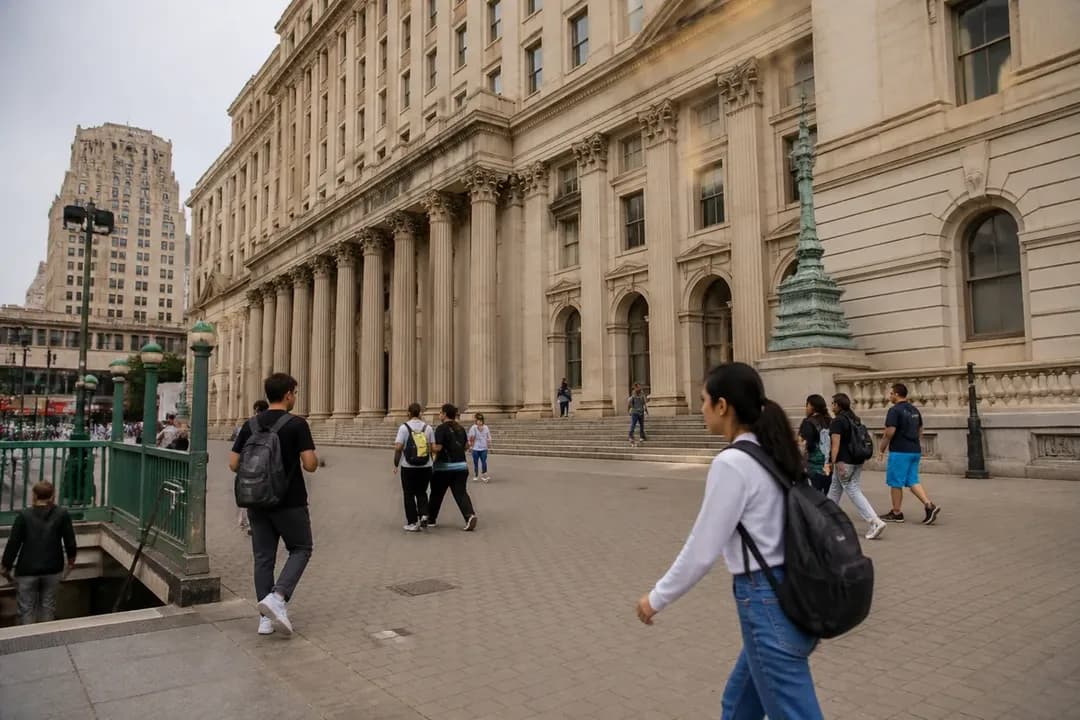
judge ana reyes tps: A NYC Learning and Research Route
Use a fast-moving legal headline as a school-year research prompt, then ground the day in official NYC public resources that are actually supported here.
judge ana reyes tps is the kind of phrase that can send a student, parent, or teacher into a quick search spiral before the school year gets serious. In New York City, the better move is to treat it as a research question, not as proof of a local appearance, school connection, event, transit plan, or promise that something is happening nearby. The official extracts here support a narrower and more useful route: start with the New York Public Library homepage, use its research and learning entry points, check current library service updates, and be honest about pages that were not accessible. The goal is not to chase a headline across town. It is to practice how to check a claim, compare what is supported, pick a useful place to work, and leave room for one reset before homework mode fully returns.
Want a quick reality check before you go? Text Karpo to verify NYPL visit basics, official access pages, nearby study-stop fit, and backup choices for this NYC research route.
Turn curiosity into a research question
Start by writing the trend phrase exactly as it appears: judge ana reyes tps. Then separate what you know from what you merely saw online. The phrase can be a timely doorway into courts, immigration policy, civic literacy, and source-checking, but the extracts do not support saying that Judge Ana Reyes is appearing in New York City, connected to a local school program, scheduled for an event, or affiliated with any NYPL activity. That distinction matters, especially for students building research habits before classes resume.
A strong first question is narrow enough to verify: What does this phrase refer to, which official or primary sources explain the issue, and what claims are still unconfirmed? A weaker question is built around urgency alone: Where can I see this, buy access, join something today, or get there by a certain time? The supplied extracts do not provide prices, transit times, reservation rules, broadcast availability, or school-year schedules. Reward the boring moves instead. Save the search terms, note the date of the check, record which official pages were available, and flag anything that needs a second source before it becomes a classroom claim.
Start with a reliable public resource
For this NYC route, make the New York Public Library the anchor because its official homepage gives several supported starting points. It points users to Start Your Research, Explore Our Online Catalog, Learning Resources for Kids, Teens & Educators, Events & Classes for All Ages, Accessible Resources, NYPL en Espanol & More Multilingual Resources, and Get Help: Ask NYPL. Those are concrete, actionable details from the extract, and they fit the task because the work is not just finding a take. The work is learning how to move from a circulating phrase to a source trail that a student can explain.
If you are choosing a physical starting point, the extract supports checking NYPL’s Plan Your Visit entry and the Stephen A. Schwarzman Building on Fifth Avenue and 42nd Street. NYPL describes that building as its flagship building and as one of the world’s great libraries. The extract also says the Polonsky Exhibition is a free permanent exhibition at that landmark building and that it highlights NYPL’s research collections. That is useful, but keep it bounded: the extract does not give today’s hours, entry procedures, crowd levels, room access, or any guarantee that a particular student workspace will be available. Confirm current visit details directly before leaving.
Compare primary reporting before opinions
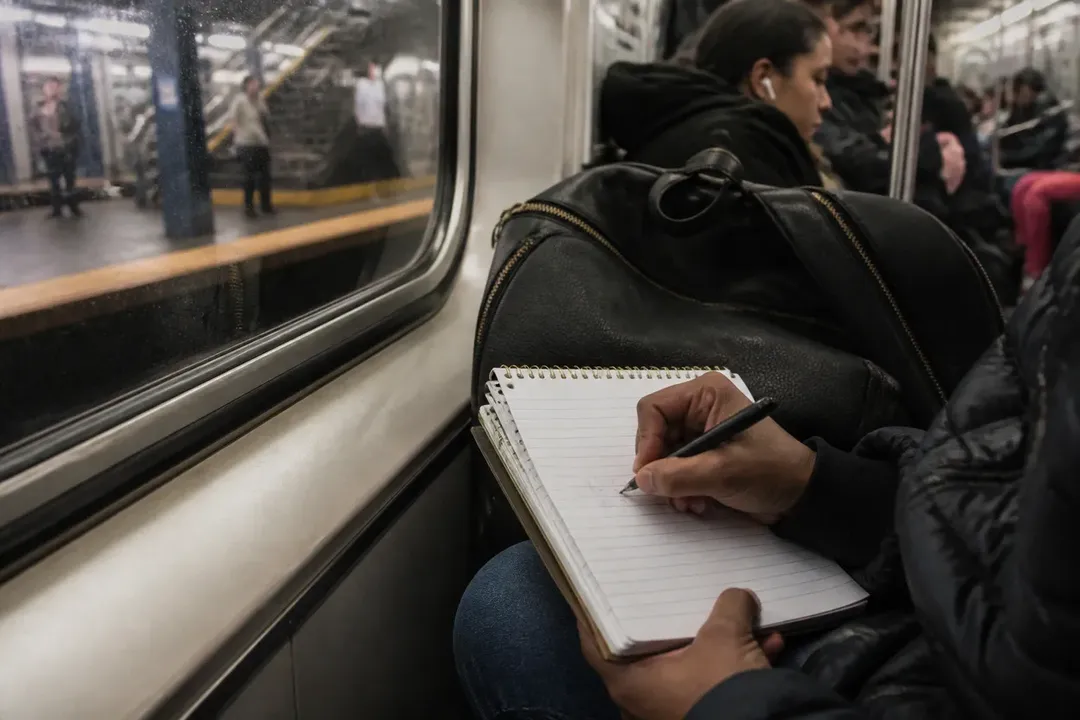
Once the library plan is set, keep the research order disciplined. First, check official or institutional pages that define the subject. Next, compare primary reporting from reputable outlets. Only after that should opinion pieces, clips, summaries, or social posts enter the notebook. This is especially important when a phrase spreads quickly, because speed often collapses context and makes unsupported local claims sound more solid than they are.
NYC has another verification lesson built into this route: not every official page will be reachable at the moment you need it. The provided NYC Department of Records page returned an Access Denied message, and the provided MTA page also returned Access Denied. Do not fill that gap with guesses about archives, subway routes, buses, fares, delays, travel times, or public-record access. Mark those as items to retry from a browser, phone, school network, or later time, and use only details you can actually confirm. That is a useful back-to-school habit in itself.
Choose a study stop that fits the task
Pick the stop based on the job. If the assignment is source collection, NYPL’s catalog, Start Your Research, and Ask NYPL links are the supported tools to begin with. If the assignment is a short reflection, Learning Resources for Kids, Teens & Educators may be enough. The homepage also points to events and classes for all ages, kids and teens programming, author talks and conversations, exhibitions, and book discussion groups, but changing dates, locations, capacity, and access details should be verified on current NYPL pages before anyone builds the day around them.
A practical Midtown sequence can stay simple without inventing details. First, verify whether a visit to the flagship building works for the day. Second, use NYPL’s online catalog or research entry points to frame the question. Third, decide whether the Polonsky Exhibition supports the broader lesson about evidence, archives, and public knowledge. Do not assume a specific event is open, uncrowded, still scheduled, or relevant because it appeared in a homepage listing. If a class, talk, workshop, exhibition, or branch visit matters to the plan, check the current NYPL page before leaving and again if the trip depends on it.
Add one low-cost reset nearby
A good research route leaves space for attention to recover. The official NYPL homepage supports several no- or low-friction reset ideas without requiring unsupported logistics: browse Staff Picks, look through the online catalog, check E-Books & More, review reading recommendations, explore multilingual resources, or use the Polonsky Exhibition if current access works for the visit. The extract also notes free events and programs for kids and teens during Summer at the Library, but it does not prove that any one program fits your exact date, age group, or location.
Keep the reset tied to the same civic-learning purpose. A student can ask: What did I verify? What could I not verify? Which claim needs a better source? That reflection is more useful than another hour of scrolling. If a nearby event looks appealing, treat it as optional until confirmed. The route should still work if the event is full, moved, cancelled, inaccessible, or simply not the right fit for the day. The supported plan is strongest when it depends on durable library tools, not on a fragile assumption about one listing.
Verify hours and access before leaving
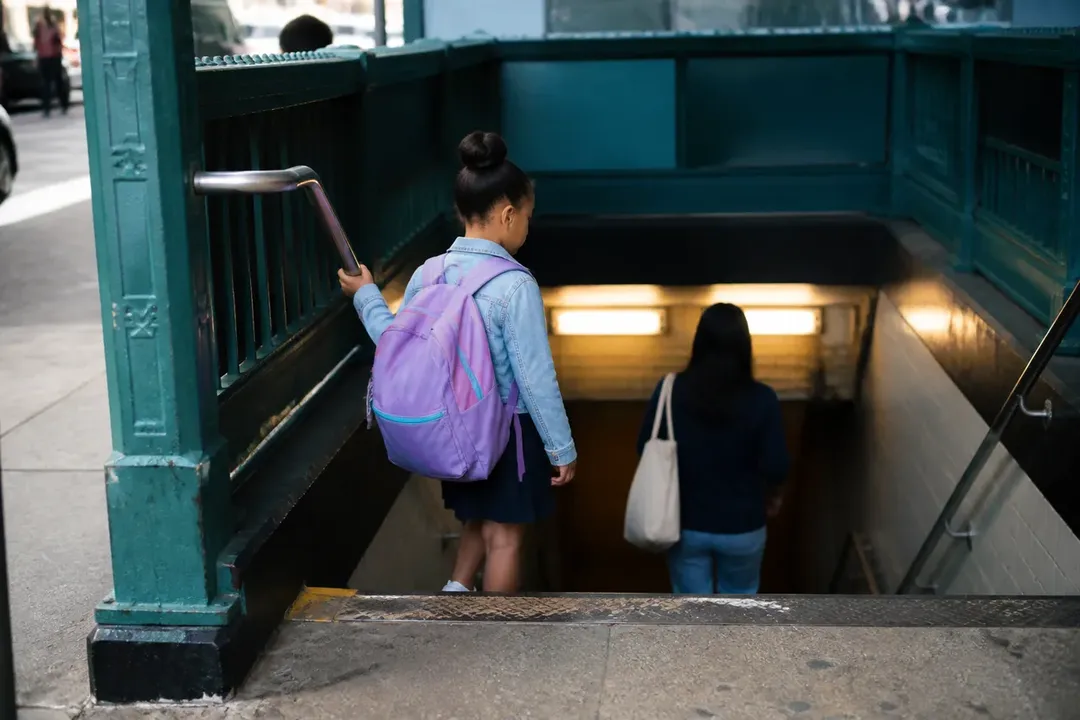
The final check is the most local one: confirm practical details from official sources before anyone gets on the train or starts walking. For NYPL, review service updates, Plan Your Visit, the specific building or branch page, event pages, accessibility resources, and Ask NYPL when help is needed. The supplied homepage supports those as official NYPL pathways, but it does not supply exact current hours, room rules, security procedures, program capacity, or reservation requirements. Those details should be checked directly at the point of planning.
Use a three-part go/no-go test. First, is the study location open and appropriate for the task? Second, is the access flow clear enough for the student, parent, teacher, or group going there? Third, is there a backup if a page, program, room, or route does not work out? For transit, the supplied MTA extract only shows Access Denied, so do not state a line, fare, transfer, travel time, or service condition from it. A library-first route can still be successful with one verified building or online entry point, one confirmed research tool, and one short written takeaway.
Tags: #AskKarpo #BeforeYouGo #NYC #BackToSchool #NYPL #StudentResearch #CivicLiteracy #ResearchSkills #PublicLibrary #Manhattan #StudyRoute #VerifyFirst #SchoolYear #LocalPlanning
Sources consulted: nypl.org · nyc.gov · new.mta.info
All trademarks are the property of their respective owners.
Ask Karpo first
Ask Karpo first if this route depends on a specific hour, branch, exhibition, event, access rule, or transit connection. For a phrase like judge ana reyes tps, Karpo can help separate a timely research hook from unverified local claims before you spend the afternoon chasing the wrong lead.
Ask Karpo for more information.
Keep reading
- Salad Near Me in the West Village: Westville's Market-Table Vegetables
 Lunch Near Me in the Flatiron: S&P Runs a Classic Luncheonette Counter
 Coffee Near Me in the East Village: Abraço Is Standing-Room Only