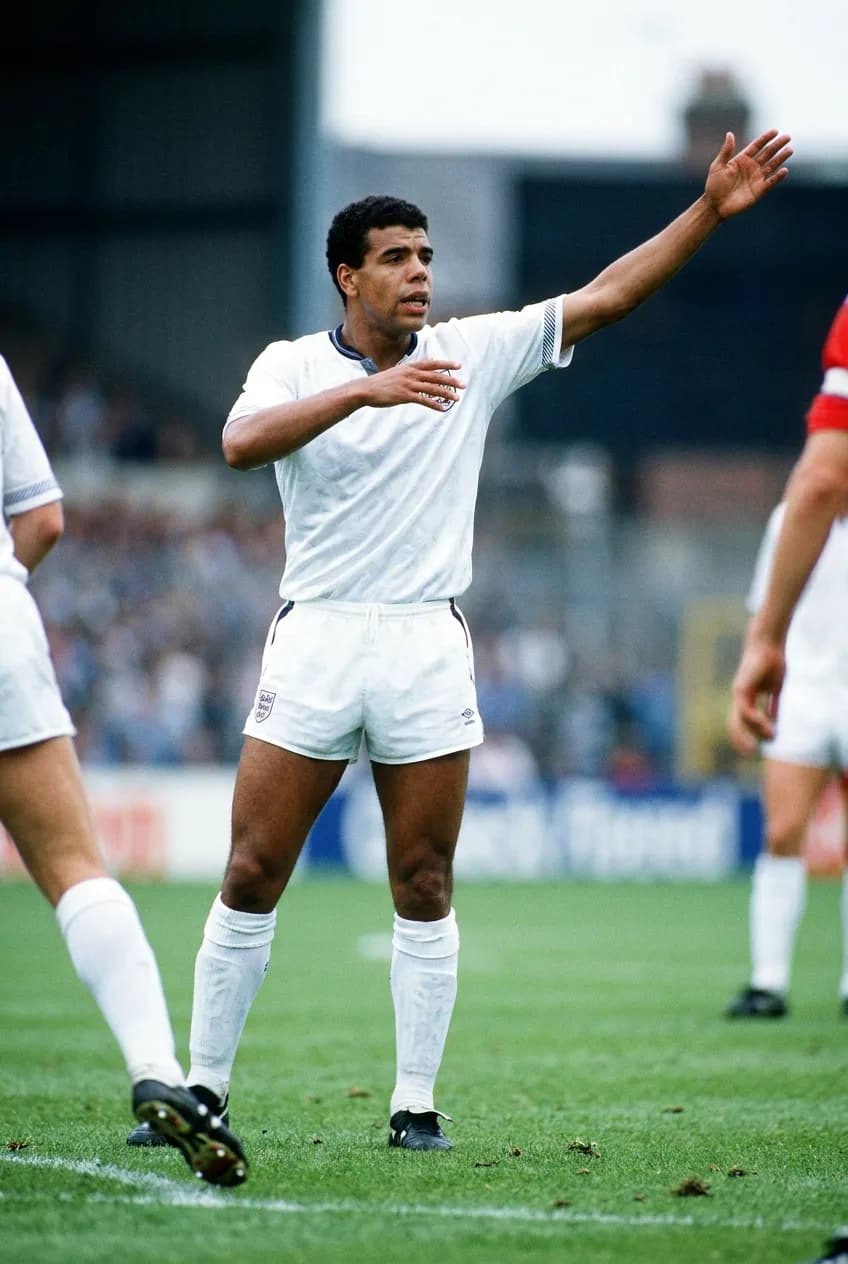
The moment Jude Bellingham curled home England's opening goal against Iran, something shifted in the desert air of Qatar. Here was a 19-year-old midfielder, playing in his first World Cup, celebrating with the composure of a seasoned veteran. No wild euphoria, no teenage exuberance—just a knowing nod to the crowd and a quick embrace with Harry Kane. It was the kind of moment that signals the arrival of something special, the passing of a torch from one generation to the next. For England, Bellingham's breakout tournament represented more than individual brilliance; it showcased the emergence of their most complete midfielder since Steven Gerrard and their most natural leader since Bobby Moore.
From Borussia Dortmund Prodigy to England's Engine
Bellingham's journey to World Cup stardom began in the unlikely setting of Birmingham City's academy, where scouts first noticed his rare combination of technical ability and tactical intelligence. His move to Borussia Dortmund at just 17 raised eyebrows—English teenagers rarely succeeded in the Bundesliga's demanding environment. Yet Bellingham didn't just adapt; he thrived, becoming Dortmund's youngest-ever goalscorer and establishing himself as one of Europe's most coveted midfielders.
The transition from club sensation to international star isn't automatic, but Bellingham made it look effortless. His World Cup debut against Iran showcased the complete skill set that made him indispensable for both club and country: the driving runs from deep positions, the crisp passing range, and most importantly, the ability to elevate his performance in crucial moments. When England needed someone to step forward in their group stage matches, Bellingham consistently delivered, registering a goal and an assist while completing 91% of his passes throughout the tournament.

Midfield Mastery Beyond His Years
What separated Bellingham from other promising young players was his innate understanding of midfield positioning and game management. While many teenagers struggle with the physical and mental demands of international football, Bellingham seemed to relish the pressure. His heat maps from England's matches revealed a player covering every blade of grass, dropping deep to collect possession from the defense, then surging forward to support attacking moves.
The statistics tell only part of the story. Bellingham's 76 touches per game ranked highest among England's midfielders, but it was the quality of those touches that impressed coaches and analysts alike. His progressive passing—forward passes that significantly advance the ball toward the opponent's goal—consistently ranked in the tournament's top percentiles. More remarkably, he achieved this while maintaining defensive responsibilities, making crucial interceptions and tackles that often went unnoticed by casual observers.
His partnership with Declan Rice formed England's midfield backbone, with Bellingham providing the creative spark that complemented Rice's defensive stability. The duo's understanding seemed telepathic at times, with Bellingham's forward runs perfectly timed to Rice's distribution, creating space and opportunities that England had previously struggled to generate consistently.
Leadership Qualities That Define Champions
Perhaps most striking about Bellingham's World Cup performance was his leadership presence. At 19, he was organizing teammates, demanding higher standards, and taking responsibility in pressure situations. Former England captain Alan Shearer noted that Bellingham possessed "an old head on young shoulders," displaying the kind of natural authority that can't be taught or manufactured.
This leadership manifested in crucial moments throughout the tournament. When England faced adversity, Bellingham stepped forward—not with vocal histrionics, but through his actions and decision-making. His willingness to take possession in tight spaces, his composed finishing in the penalty area, and his defensive work rate set examples that older, more experienced players followed.
The comparison to Steven Gerrard became inevitable, but Bellingham's game possessed a different quality—less explosive power, perhaps, but greater tactical intelligence and positional awareness. Where Gerrard dominated through individual brilliance and inspiration, Bellingham elevated the entire team's performance through his understanding of space, timing, and game situations.

Historical Context: England's Midfield Evolution
England's midfield history is littered with talented players who never quite fulfilled their potential on the international stage. From the "golden generation" of the 2000s to more recent disappointments, English midfielders have often struggled to translate club form into World Cup success. Bellingham's emergence represents a departure from this pattern—a player who seems to perform better under pressure rather than wilting beneath it.
The comparison to past England midfield greats reveals Bellingham's unique attributes. Unlike the individualistic approach of previous generations, Bellingham combined personal excellence with team functionality. His ability to adapt his game based on match situations—providing defensive cover when needed, creating chances during stagnant periods, or controlling tempo during crucial phases—demonstrated a maturity that typically takes years to develop.
This tactical flexibility made him invaluable to England's World Cup campaign. When opponents pressed high, Bellingham dropped deeper to help build attacks from the back. When England needed to break down defensive blocks, he made perfectly timed runs into the penalty area. This adaptability suggested not just current ability, but enormous potential for future development.
The Foundation for England's Future
Bellingham's World Cup performance established him as the cornerstone of England's next generation. At 19, he already possessed the technical skills, tactical intelligence, and mental strength that define world-class midfielders. More importantly, his trajectory suggested continued improvement—a frightening prospect for England's opponents in future tournaments.
The experience of competing at football's highest level, handling pressure, and performing consistently against elite opposition provided invaluable education that will serve him throughout his career. His composure in crucial moments, leadership qualities, and ability to influence games across multiple phases of play marked him as a generational talent capable of defining England's international fortunes for the next decade.
Practical Notes
For American soccer fans following England's development, Bellingham represents the type of complete midfielder that MLS has increasingly tried to develop and attract. His combination of athleticism, technical skill, and tactical intelligence mirrors the evolution of soccer toward more versatile, multi-dimensional players. Understanding Bellingham's role helps explain modern midfield play, where positional flexibility and game management skills often matter more than specialized attributes. His World Cup breakthrough also demonstrates how young players can succeed at international level when properly developed and given appropriate opportunities to grow.
Tags: #WorldCup2026 #FIFA2026 #JudeBellingham #EnglandSoccer #ThreeLions #WorldCupStars #SoccerTalent #MidfieldMaster #FutureStars #InternationalSoccer #EliteAthletes #SoccerAnalysis
Sources consulted: fifa.com · espn.com
All trademarks are the property of their respective owners.
Ask Karpo first
Want to keep following the World Cup 2026 story? Ask Karpo for personalized bracket, live scores, and match schedule for your teams and city.