 Where to Eat Near Penn Station That Isn't a Chain
US Open 2026
Joey Bart Giants Catcher: Queens Seafood Markets Near US Open
A practical guide to sourcing fresh seafood in Queens and planning your cooking routine around a 2026 US Open visit.
Joey Bart's journey from Georgia Tech to the San Francisco Giants put him behind the plate in a city famous for Dungeness crab, cioppino, and Ferry Building fish stalls. While his professional path has taken him through the majors, the connection between a catcher's focus and a home cook's attention to fresh ingredients offers a useful lens for anyone planning a 2026 US Open trip to Queens. If you're visiting Flushing Meadows for tennis and want to explore the borough's seafood markets—many shaped by Asian, Latin American, and Mediterranean traditions—you'll find a culinary landscape as diverse as any West Coast waterfront, with practical stops along the 7 train corridor that reward curiosity and a cooler bag.
Text Karpo with your US Open session time and Queens starting point, and we’ll turn this Fresh fish vendors and Bay Area style ingredients for cooking enthusiasts into a practical local plan.
Why Queens Seafood Markets Matter for US Open Visitors
The 2026 US Open runs late August through early September, a season when striped bass, fluke, and local shellfish are still abundant in New York waters. Queens sits at the crossroads of global food supply chains: Flushing's New World Mall and Main Street host vendors selling live fish, dried seafood, and specialty sauces; Jackson Heights' 74th Street corridor offers South Asian and Latin American spice blends that pair beautifully with grilled shrimp or whole snapper; and Astoria's Mediterranean grocers stock olive oil, lemon, and herbs that echo the bright, simple flavors of California coastal cooking. If you're staying in a hotel with a kitchenette or visiting friends with a full kitchen, a morning market run before an evening US Open session can anchor your day in local rhythm rather than tournament crowds alone.
Flushing's Live Seafood and Dry Goods Scene
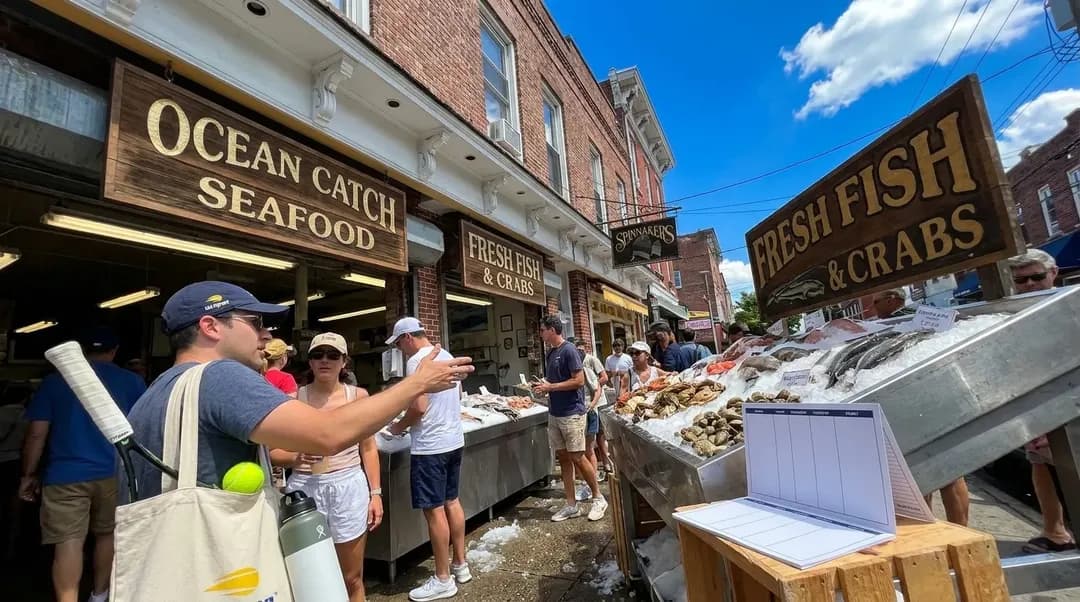
Flushing's Main Street and the blocks around New World Mall are home to multiple seafood vendors, many with tanks of live crab, lobster, and tilapia. You'll also find freezer cases stocked with whole squid, mackerel, and butterfish, plus aisles of dried shrimp, seaweed, and fermented black beans. The neighborhood's proximity to Flushing Meadows—a short walk or one 7 train stop—makes it a natural pre- or post-match destination. Bring a insulated bag if you're planning to carry purchases back to your accommodation, and check vendor hours the day before; many open early and close by late afternoon. The official US Open transportation guide at new.mta.info/guides/stadiums/us-open confirms that the Mets–Willets Point station is your primary stop, and from there you can walk to the Billie Jean King National Tennis Center or continue one stop to Main Street–Flushing for market exploration.
Jackson Heights and Corona: Spices, Produce, and Neighborhood Rhythm
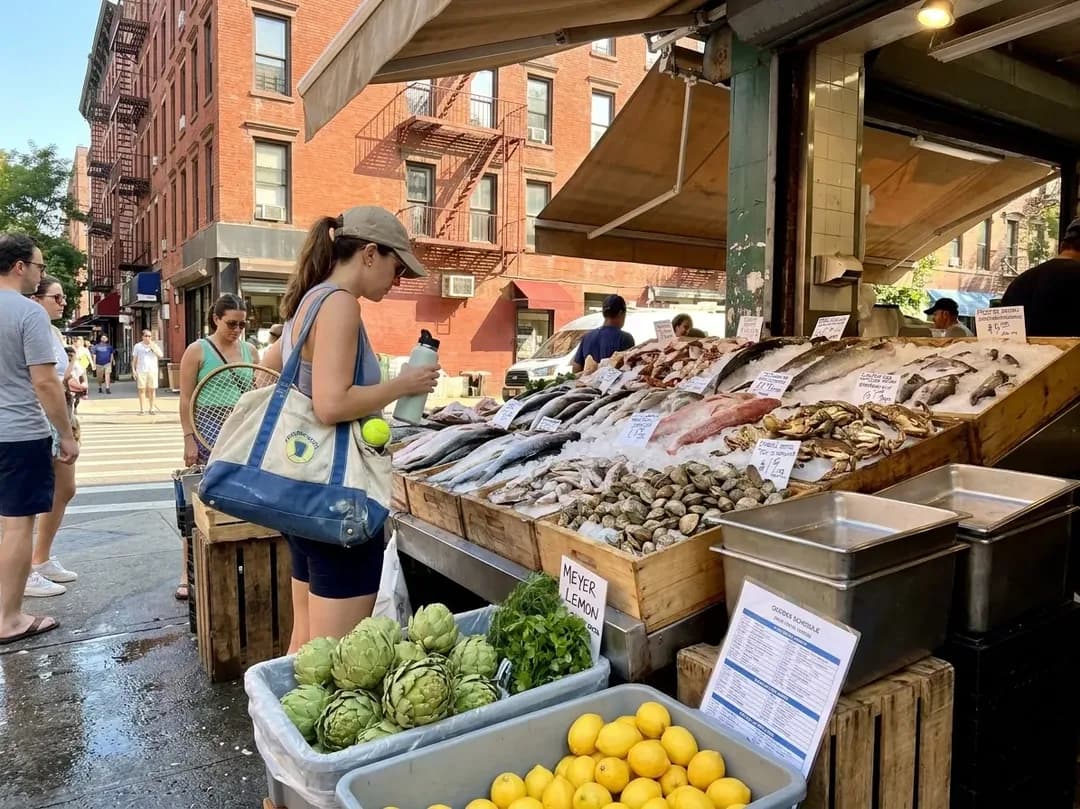
Jackson Heights' 74th Street–Broadway station puts you in the heart of a neighborhood where Colombian, Ecuadorian, Indian, Bangladeshi, and Nepali communities have built overlapping food economies. You'll find cilantro, lime, and fresh chiles at produce stands; whole spices and curry leaves at South Asian grocers; and occasionally fresh whole fish at smaller markets that cater to home cooks. Corona, one stop closer to the US Open, offers Mexican and Salvadoran bakeries, taquerías, and corner stores stocked with dried chiles and masa. If you're planning a Bay Area–style ceviche or grilled fish taco night, these neighborhoods supply the supporting cast—citrus, heat, and texture—that turns a good fillet into a memorable meal.
Astoria's Mediterranean Grocers and Olive Oil Culture
Astoria, accessible via the N and W trains, has long been a center of Greek, Egyptian, and broader Mediterranean life in New York. Its grocers stock high-quality olive oil, Greek yogurt, feta, and fresh herbs—ingredients that align closely with the bright, fat-forward cooking style popular in Northern California. If you're used to drizzling good oil over grilled fish and finishing with lemon and oregano, Astoria's shops will feel familiar. The neighborhood is farther from Flushing Meadows than Flushing or Jackson Heights, but it's a practical stop if you're staying in western Queens or want to combine a morning market run with a walk along the East River waterfront before heading to the US Open in the afternoon.
Timing Your Market Visits Around US Open Sessions
The official US Open schedule at usopen.org/en_US/about/eventschedule.html typically includes day sessions starting around 11 a.m. and night sessions beginning at 7 p.m. If you're attending an evening match, a morning market visit in Flushing or Jackson Heights gives you time to shop, return to your accommodation to store perishables, and still reach the Billie Jean King National Tennis Center by early afternoon to explore the grounds. For day-session ticket holders, consider a post-match market stop: many vendors stay open into early evening, and the 7 train runs frequently enough that you can exit at Main Street, browse, and continue home without a long wait. Always check MTA service alerts at new.mta.info before you travel, especially during the tournament when ridership spikes.
Practical Notes for Seafood Shoppers in Queens
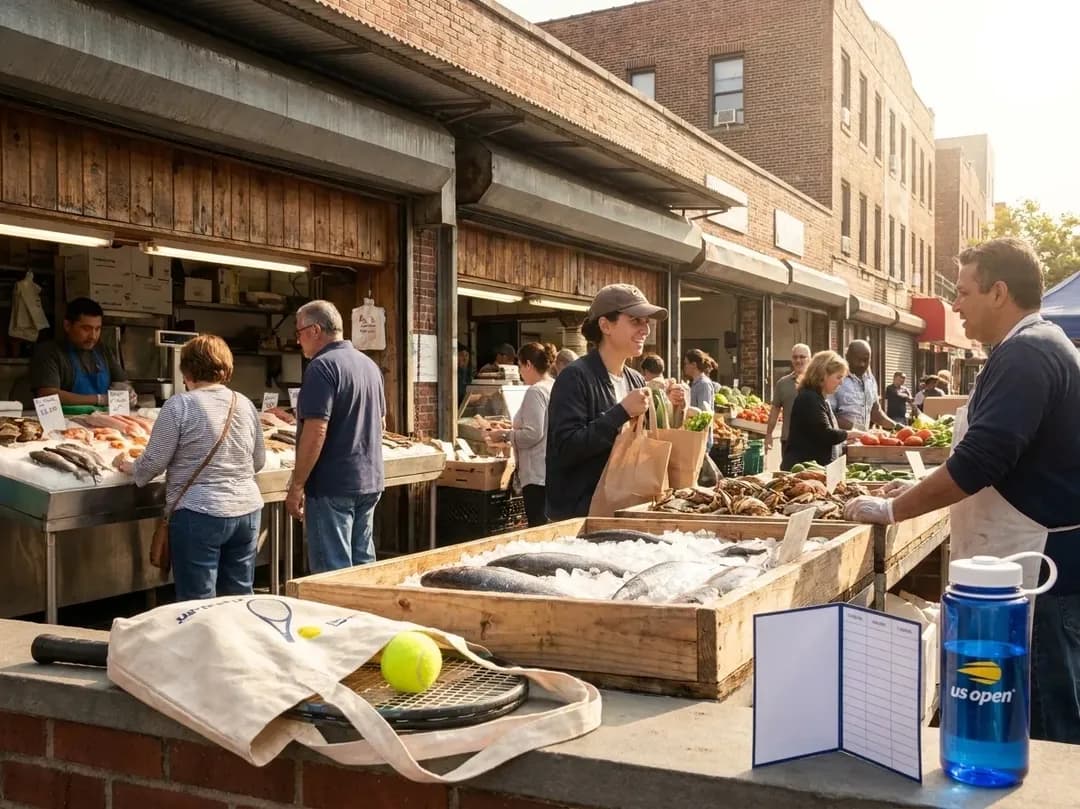
- Bring a soft-sided cooler or insulated bag, plus a reusable ice pack, if you're traveling more than thirty minutes back to your accommodation.
- Cash is still common at smaller markets; carry small bills and be prepared for vendors who don't accept cards.
- Ask vendors about sourcing and handling if you're unfamiliar with a species; many are happy to explain and may offer cleaning or filleting services.
- Check NYC Health food-safety guidance at nyc.gov/site/doh/business/food-operators.page for general best practices, though this is aimed at operators rather than home cooks.
- Plan your cooking timeline: whole fish and shellfish are best used the day of purchase, while fillets can hold one additional day if stored properly.
- Respect neighborhood rhythms—Flushing and Jackson Heights are residential and commercial districts first, tourist destinations second.
Connecting a Catcher's Discipline to Home Cooking
Joey Bart's career has required the same attention to detail that makes a good home cook: reading situations, adjusting on the fly, and trusting your preparation. Whether you're selecting a whole branzino in Flushing or timing a ceviche marinade in your hotel kitchenette, the process rewards focus and a willingness to learn from the people around you. Queens' seafood markets are staffed by vendors who've spent decades mastering their trade, and a respectful question—about freshness, preparation, or pairing—often yields generous advice. If you're visiting New York for the US Open and want to experience the city beyond the stadium gates, a market visit offers a low-cost, high-reward window into the daily life that makes Queens one of the world's most dynamic food regions.
What to Do with Your Catch
Once you've sourced your seafood, the simplest preparations often shine brightest: whole fish grilled or roasted with lemon and herbs; shrimp sautéed with garlic and finished with a squeeze of lime; mussels steamed in white wine and served with crusty bread. If your accommodation lacks a full kitchen, consider a portable butane burner or a toaster oven—both legal in most New York hotels and sufficient for small-batch cooking. Pair your meal with produce from the same neighborhood: Persian cucumbers and tomatoes from a Flushing grocer, or plantains and avocado from a Jackson Heights stand. The goal isn't to replicate a Bay Area restaurant but to honor the ingredients and the communities that supply them, turning a US Open trip into a richer, more grounded New York experience.
Karpo is an independent digital publication. All trademarks, team names, and venue references are used solely for descriptive and educational purposes; no endorsement, partnership, or affiliation is claimed or implied. Always confirm hours, policies, and conditions with official sources before you travel.
Tags: #USOpen2026 #Queens #FlushingMeadows #KarpoFinds #Karpo #joeybart #NewYorkLocal #TennisTravel #NYCLocalLife #TennisTravel
Sources consulted: usopen.org — Official event schedule · usopen.org — Official visitor A-Z guide · usopen.org — Official transportation directions · usopen.org — Official prohibited-items guide · MTA — Official US Open transit guide · NYC Parks — Flushing Meadows Corona Park · NYC Tourism — Queens · NYC Health — Food Safety
All trademarks are the property of their respective owners.
Ask Karpo first
Want to know what is actually open, how to time the trip, and where to pause around Queens? Ask Karpo for the latest public US Open context, a respectful visitor plan, and a live route around Flushing Meadows before you head out.
Ask Karpo for more information.
Keep reading
- Where to Eat Near Penn Station That Isn't a Chain
 Andytown Coffee in the Outer Sunset: The Snowy Plover Explained
- Best Things to Do in Chicago: What the City Gives Away