 Where to Eat Near Penn Station That Isn't a Chain
US Open 2026
Joe Felz Municipal History Archives Near Queens US Open
How to explore Queens civic collections, neighborhood archives, and cultural institutions along the 7 train corridor during your 2026 US Open visit.
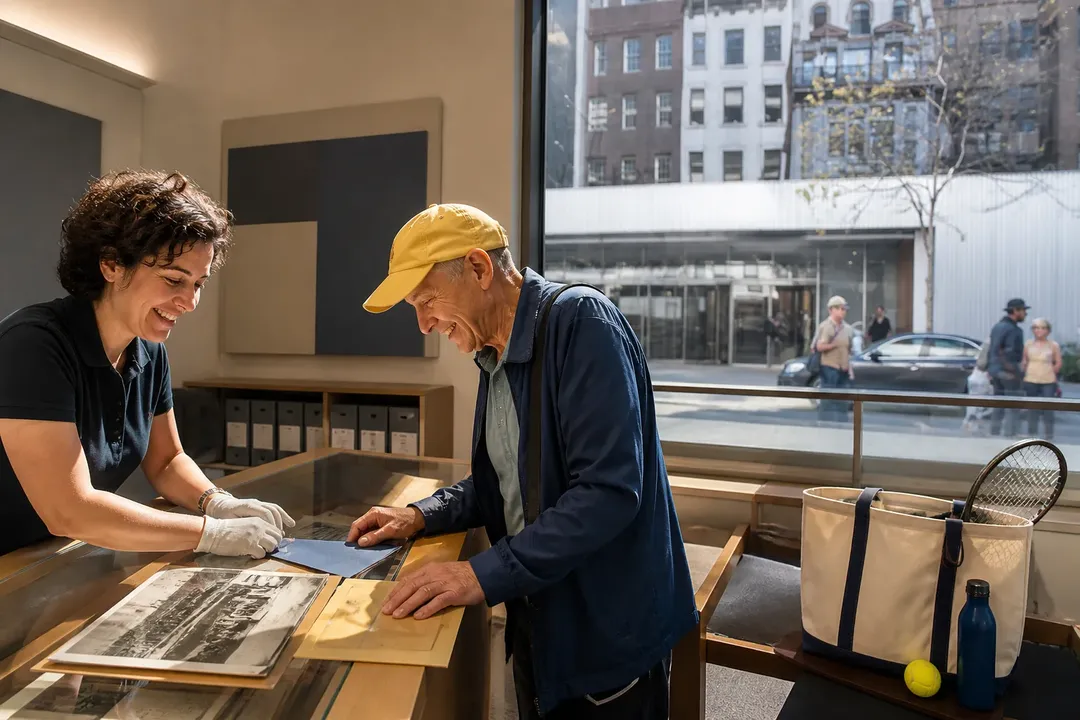
When Joe Felz's name trends in connection with municipal governance and civic accountability conversations, it's a useful reminder that local history—the decisions, debates, and documents that shape a place—lives in accessible archives, museums, and cultural centers all over Queens. If you're planning a 2026 US Open trip to Flushing Meadows Corona Park, the same 7 train corridor that delivers you to the tennis also connects you to neighborhood institutions preserving the borough's civic memory. Between match sessions, rain delays, or rest days, curious visitors can explore how Queens grew, governed itself, and documented its communities. This guide helps you plan a local-history day around your US Open schedule, using public transit, official museum resources, and the borough's walkable cultural districts.
Text Karpo with your US Open session time and Queens starting point, and we’ll turn this Local history centers and civic archives for curious visitors into a practical local plan.
Why Queens civic history fits your US Open visit
The US Open runs late August through early September, with day and night sessions spread across two weeks. The USTA Billie Jean King National Tennis Center sits inside Flushing Meadows Corona Park, a 900-acre site that hosted two World's Fairs and remains home to museums, monuments, and public art. The 7 train—your primary transit line from Manhattan and western Queens—stops at Mets-Willets Point, a short walk to the tennis grounds. That same line serves Long Island City, Sunnyside, Woodside, Jackson Heights, Elmhurst, Corona, and Flushing, neighborhoods with distinct civic histories, immigrant archives, and cultural institutions. If you're visiting for multiple days or have a flexible schedule, adding a museum or archive stop turns a tennis trip into a deeper Queens experience. Official US Open schedules, transportation details, and visitor policies are published at usopen.org and new.mta.info/guides/stadiums/us-open.
Queens Museum: civic memory inside the park
The Queens Museum sits inside Flushing Meadows Corona Park, a ten-minute walk from the US Open entrance. Housed in the New York City Pavilion from the 1939 and 1964 World's Fairs, the museum holds the Panorama of the City of New York—a 9,335-square-foot scale model of all five boroughs, built for the 1964 fair and updated periodically. The collection includes World's Fair artifacts, Queens neighborhood photography, and rotating exhibitions on urban planning, immigration, and civic design. The museum's archives and public programs often explore how municipal decisions—zoning, infrastructure, housing policy—shaped the borough. Visiting before or after a morning US Open session gives you air-conditioned gallery time and a literal bird's-eye view of the city. Check queensmuseum.org for current hours, admission policies, and special exhibitions close to your visit date.
New York Hall of Science: civic innovation and public education
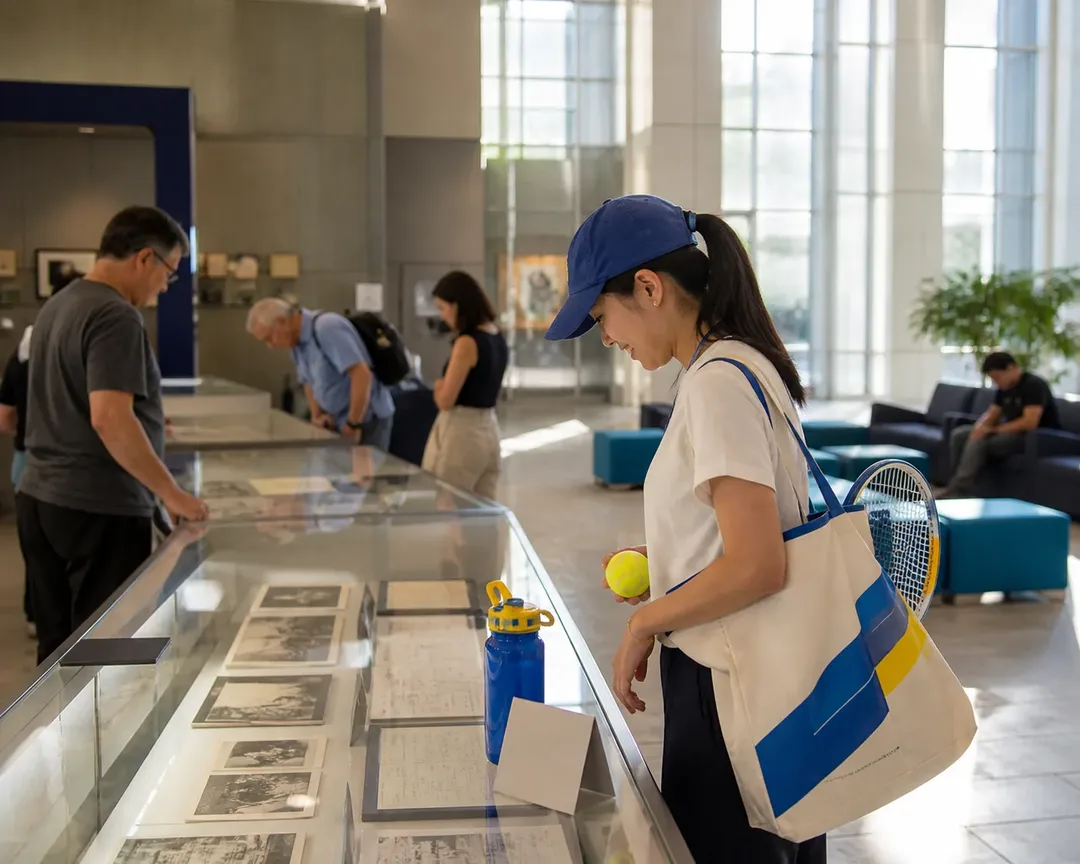
Also inside Flushing Meadows, the New York Hall of Science occupies another 1964 World's Fair structure. While its focus is science and technology, the institution's history reflects civic investment in public education and accessible learning. The building itself—a Modernist pavilion with stained-glass walls—documents mid-century municipal ambition. Permanent exhibits cover physics, biology, and engineering; temporary shows often explore urban systems like water supply, transit design, and energy infrastructure. If you're traveling with curious kids or want a break from tennis crowds, the Hall of Science offers hands-on exhibits and outdoor science playgrounds. Visit nysci.org for current hours, ticket information, and any special programs scheduled during the US Open weeks.
Museum of the Moving Image: media, culture, and civic storytelling
A short 7 train ride west from Flushing Meadows, the Museum of the Moving Image in Astoria explores film, television, and digital media. The museum's core exhibition includes artifacts from New York's film industry, vintage broadcasting equipment, and interactive displays on editing, sound design, and animation. Special exhibitions often examine how media shapes civic life—news coverage, documentary filmmaking, public-access television, and community storytelling. Astoria's Steinway Street and surrounding blocks offer cafes, bakeries, and bookstores for a pre- or post-museum meal. The museum is a practical stop if you're staying in western Queens or want an evening activity after a day US Open session. Check movingimage.org for current exhibitions, screening schedules, and visitor guidelines.
Flushing: neighborhood archives and cultural centers
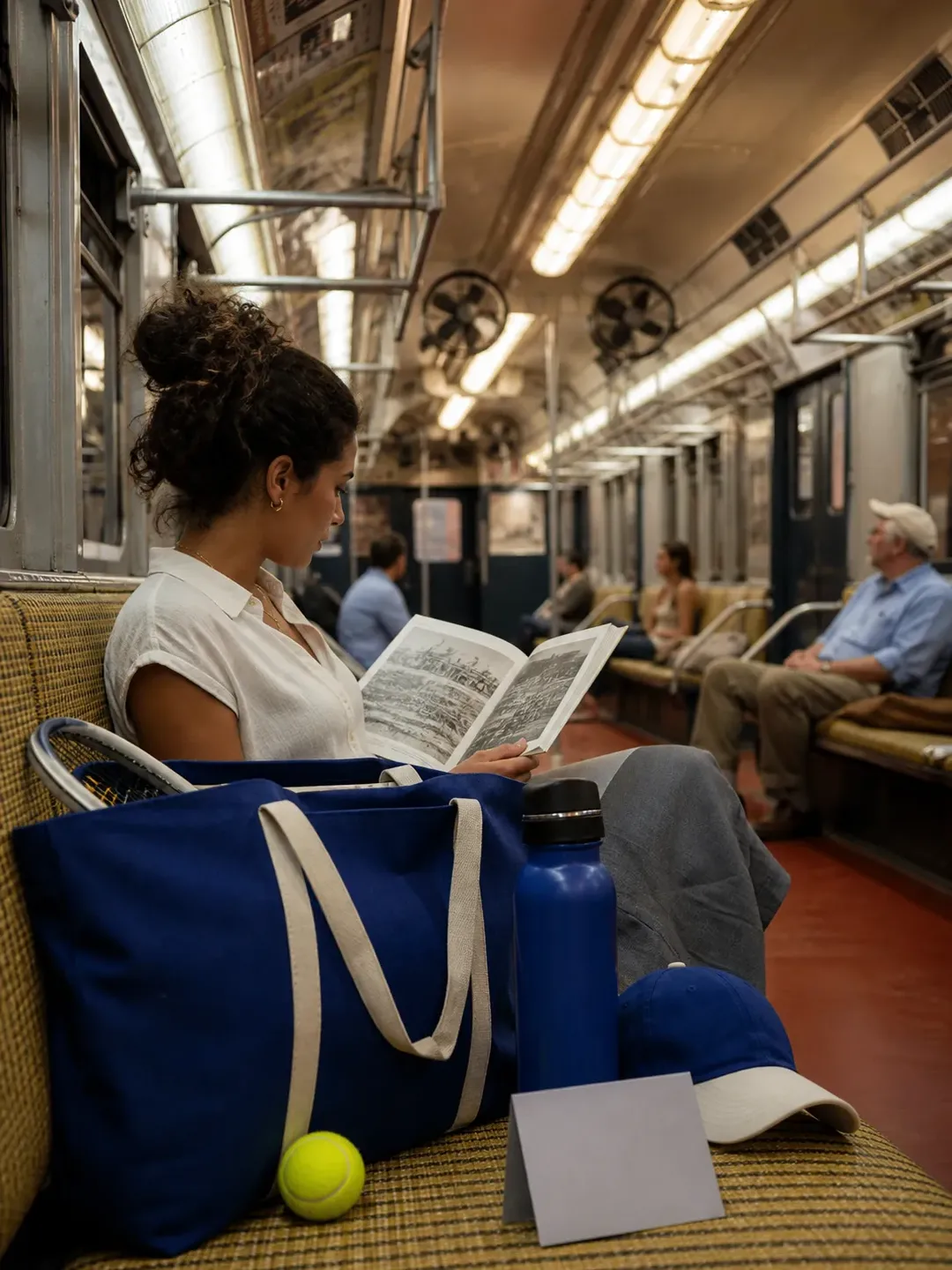
Flushing, the 7 train's eastern terminus, is one of the most diverse neighborhoods in the United States. The Flushing branch of the Queens Public Library holds local-history collections, including photographs, maps, and oral histories documenting the area's transformation from colonial settlement to immigrant gateway. The Queens Historical Society, based in the Kingsland Homestead in Flushing, preserves artifacts and records related to Queens civic history, including municipal governance, infrastructure projects, and community organizing. The neighborhood's main commercial corridor—Main Street and surrounding blocks—offers bookstores, cultural centers, and community organizations that maintain their own archives and public programs. If you're planning a full day in Queens, a morning or afternoon in Flushing adds depth to your understanding of the borough's civic fabric. Confirm hours and access policies directly with libraries and historical societies before your visit.
Jackson Heights and Corona: immigrant history and civic activism
Jackson Heights and Corona, both on the 7 line between Manhattan and Flushing Meadows, have rich histories of immigrant settlement and civic organizing. Jackson Heights' historic district preserves early-twentieth-century garden apartments and cooperative housing, reflecting progressive urban planning. Corona was home to jazz legends Louis Armstrong and Dizzy Gillespie; the Louis Armstrong House Museum offers tours and archives documenting the musician's life and the neighborhood's cultural history. Both neighborhoods have active community organizations, cultural centers, and public art projects that document civic engagement and social change. Walking these neighborhoods between US Open sessions gives you a ground-level view of how Queens communities organize, preserve memory, and shape public space.
Practical notes for planning your Queens history day
- Check usopen.org for your session start time, gate-opening hours, and any schedule changes due to weather or tournament progress.
- Review the MTA's US Open transit guide at new.mta.info/guides/stadiums/us-open for 7 train service updates, alternative routes, and accessibility information.
- Confirm museum and library hours directly on institutional websites—queensmuseum.org, nysci.org, movingimage.org—especially for holiday weekends or special events during the tournament.
- Flushing Meadows Corona Park is large; allow time to walk between the US Open entrance, museums, and transit stops, especially in late-summer heat.
- Bring a refillable water bottle, comfortable walking shoes, and a light layer for air-conditioned museum galleries.
- Many Queens cultural institutions offer free or pay-what-you-wish admission on certain days; check individual websites for current policies.
- Neighborhood cafes, delis, and bookstores in Astoria, Jackson Heights, Corona, and Flushing offer rest stops and local atmosphere between museum visits.
- Review the US Open's prohibited-items list at usopen.org/en_US/visit/prohibited_items.html if you're carrying bags between venues.
Timing your civic history stops around tennis
Day sessions at the US Open typically start at 11 a.m.; night sessions begin at 7 p.m. If you hold a day-session ticket, consider a morning museum visit in Astoria or Long Island City before heading east on the 7 train. If you're attending a night session, explore Flushing Meadows museums or Flushing's main street during the afternoon, then walk or take a short bus ride to the tennis center. Rain delays and schedule changes are common; having a flexible museum or neighborhood plan gives you a productive backup. The US Open's official A-Z guide at usopen.org/en_US/visit/a_z.html covers re-entry policies, bag storage, and on-site amenities if you want to leave the grounds and return. Always confirm current policies before your visit.
Tags: #USOpen2026 #Queens #FlushingMeadows #KarpoFinds #Karpo #joefelz #NewYorkLocal #TennisTravel #NYCLocalLife #TennisTravel
Sources consulted: usopen.org — Official event schedule · usopen.org — Official visitor A-Z guide · usopen.org — Official transportation directions · usopen.org — Official prohibited-items guide · MTA — Official US Open transit guide · NYC Parks — Flushing Meadows Corona Park · Queens Museum · New York Hall of Science · Museum of the Moving Image
All trademarks are the property of their respective owners.
Ask Karpo first
Want to know what is actually open, how to time the trip, and where to pause around Queens? Ask Karpo for the latest public US Open context, a respectful visitor plan, and a live route around Flushing Meadows before you head out.
Ask Karpo for more information.
Keep reading
- Where to Eat Near Penn Station That Isn't a Chain
 Andytown Coffee in the Outer Sunset: The Snowy Plover Explained
- Best Things to Do in Chicago: What the City Gives Away