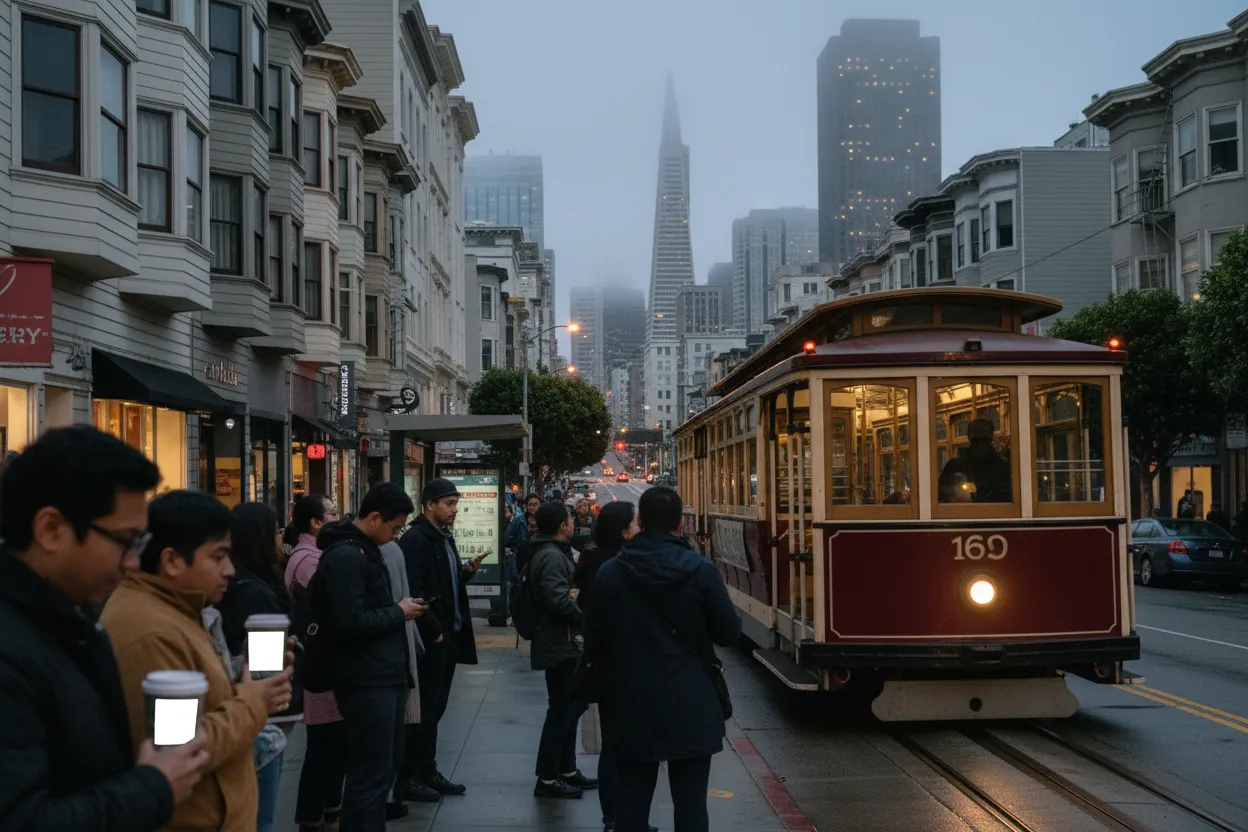
The locked headline, “joe biden: A Useful San Francisco City Guide,” is a hook, not a promise. If the phrase joe biden brought you here today, treat it as a reminder to slow down before chasing rumors around San Francisco. This guide does not claim a local appearance, endorsement, affiliation, private access, or event. Instead, it turns a noisy search moment into a better city plan: pick one odd or overlooked public-facing stop, verify access before leaving, use official transit tools, watch for service changes, and keep a calmer second option ready. San Francisco rewards people who check details first. Fog, hills, transit delays, street activity, and changing public access can turn a casual detour into wasted time unless you plan with skepticism.
Want a tighter odd-finds route before you leave your hotel, office, or apartment? Text Karpo with your start point, time window, mobility needs, and whether you prefer transit, walking, biking, or driving.

Use the headline to open a more curious detour
A headline can be useful without being literal. In this case, joe biden is best treated as a timely search hook, not as a reason to expect a motorcade, speech, closed-door gathering, or special access anywhere in San Francisco. The better move is to use the attention spike as an excuse to look for the city’s quieter oddities: public details, overlooked interiors, strange design choices, archive-like displays, unusual civic corners, and neighborhood texture that does not need a celebrity rumor to be interesting.
Start with a narrow window rather than an all-day scavenger hunt. Pick a departure time, a return deadline, and a tolerance for walking or transfers. Then open the official SFMTA trip planner, which supports Muni, walking, biking, driving, and parking-oriented options. San Francisco trips often look short on a map but feel longer on the ground because of hills, signals, crowds, and transfer timing. A hidden-gem plan works best when it has one primary destination, one nearby pause, and one exit route.
Before you leave, check SFMTA’s current alerts and travel updates. The official page shows that SFMTA publishes alerts, route and stop information, visitor transportation guidance, maps, and travel updates. That matters more than social posts or screenshots. If the transit picture looks messy, change the order of your stops instead of forcing the original plan.
Choose a place with a real point of view
For the hidden_gems_odd_finds approach, avoid picking a place only because it is trending. Choose a stop that has a reason to exist in your route: a civic function, a design quirk, a materials story, a public-facing collection, an unusual streetscape, or a neighborhood contrast. San Francisco is full of places that are more rewarding when you ask what they are for, who uses them, and what details most visitors miss.
Because this guide is verification-first, do not assume that any building, park facility, gallery, lobby, archive, or public room is open just because it appeared in an old blog post. Official pages can change, and some pages may require security verification or may fail to load during a check. If an official visitor or department page does not display current details, treat that as a reason to pause, not improvise. The San Francisco Travel site, for example, may show a security verification screen before access.
A practical odd-stop test is simple: can you explain why you are going there in one sentence without name-dropping anyone? If yes, it belongs on the plan. If the only reason is “someone online said something might happen,” skip it. The city is more interesting when you are not standing outside a closed door waiting for an unverified moment.
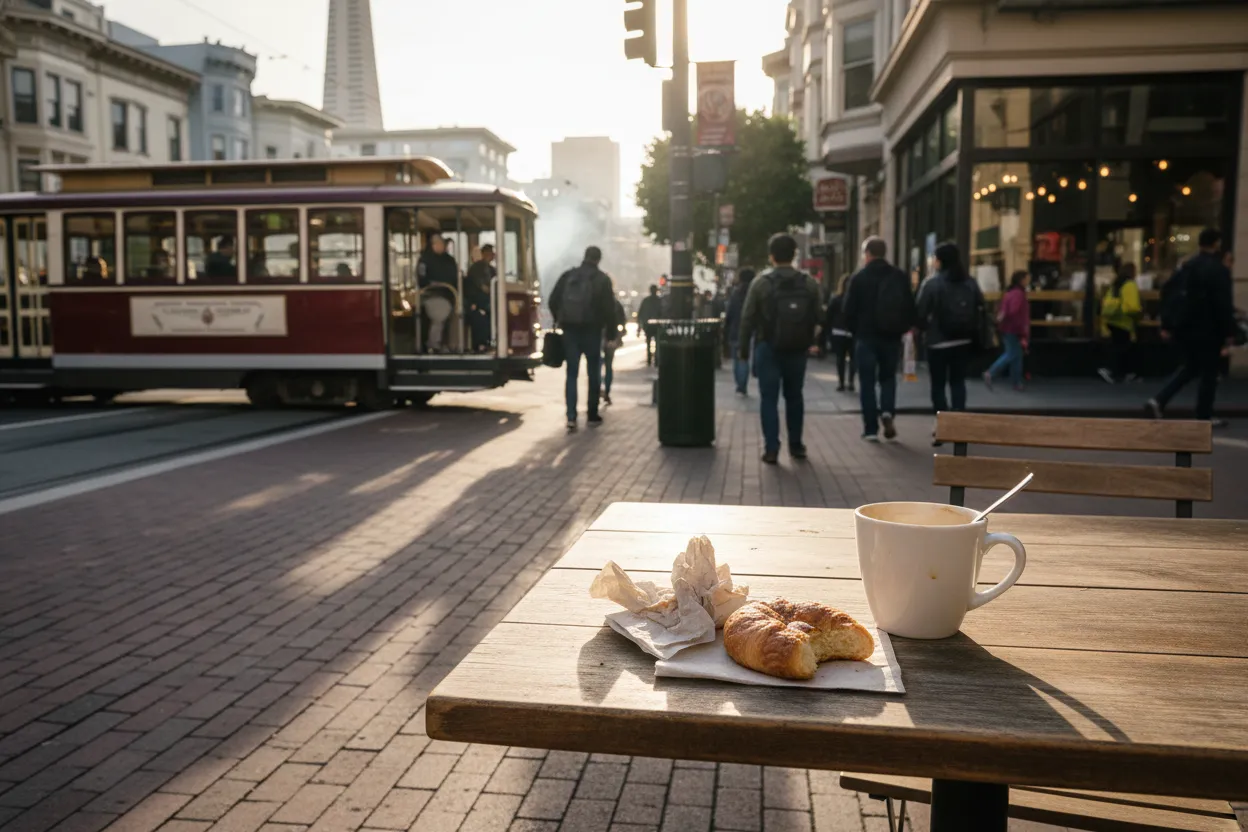
Look for materials archives or hands-on details
Odd finds are often not dramatic. They are textures, labels, fixtures, old transit traces, public maps, tiled entries, unusual signage, waterfront hardware, stair alignments, or small displays that tell you how the city works. When you build the stop, look for places where the materials themselves do some explaining. A useful San Francisco detour can be as much about reading surfaces as entering a famous room.
Use official transportation information as part of the experience rather than a chore. SFMTA’s public site points visitors toward Muni routes and stops, historic streetcar and cable car routes, transit maps, walking, biking, driving, taxi, accessibility, and neighborhood transportation information. Those categories are not just logistics; they help you understand how an odd corner connects to the rest of the city.
Give yourself enough time on site to notice small things. A rushed hidden-gems route becomes a checklist, and a checklist makes people careless about access. Build in a ten-minute threshold: if the place is closed, crowded, unclear, or uncomfortable, use those ten minutes to confirm the backup rather than lingering in a doorway, photographing people, or pressing staff for exceptions.
Pair the odd stop with a calmer second option
The backup is not a consolation prize. In San Francisco, it is the thing that keeps a detour pleasant when transit changes, weather shifts, or a destination is unavailable. Choose a calmer second option within a reasonable transit, walk, bike, or taxi distance from your first stop. It should require less access certainty: an exterior detail, a public viewpoint, a neighborhood walk, or another official public place whose current access you can verify before moving.
Crowd risk is not only about major events. A small block can feel crowded because of school travel, lunchtime, a street closure, a meeting, a festival, or a service substitution. SFMTA’s official page lists travel and transit updates, calendar items, service changes, and alerts; on August 11, 2026, its displayed items included upcoming public meetings, a Muni service change notice starting Aug. 29, and travel updates such as Hayes Valley Shared Spaces on Fridays and Saturdays in August 2026 and an SF Pizza, Bagel, Beer Festival on Saturday, August 15, 2026. Verify current items before relying on any of them.
If the first stop looks crowded, do not treat the crowd as proof that something special is happening. That is how rumors waste afternoons. Move to the calmer option, keep your route flexible, and check official transportation updates again before the return leg.
Respect access photography and privacy rules
A hidden-gem plan should never depend on pushing boundaries. If a place has posted rules, staff instructions, security screening, restricted areas, or photography limits, follow them. This is especially important in civic, cultural, transit, park, and privately managed public-facing spaces, where access can be conditional and change without warning. When details are unclear, verify on the official page or ask on site politely.
Photography deserves restraint. Do not photograph workers, visitors, residents, children, security procedures, private entrances, or nonpublic areas just to prove you found something obscure. Odd details are usually more interesting than identifiable strangers anyway. If a location is busy, step aside before taking a photo, keep the sidewalk or platform moving, and avoid blocking doors, ramps, stairs, transit stops, or accessible paths.
Privacy also applies to celebrity speculation. A search phrase in a headline does not create public access to a person, a residence, a hotel, a meeting, or a protected movement route. This article offers a city plan, not a tracking plan. Keep the focus on public information, verified access, and normal local life.

Verify current entry details
Before departure, run the route through a short verification checklist. First, confirm whether your primary stop has an official page with current access information. Second, check SFMTA’s trip planner for your preferred mode: Muni, walk, bike, drive, or park. Third, review SFMTA alerts and travel updates for delays, substitutions, street activity, or service changes. Fourth, choose a backup and confirm how to reach it.
If your route includes a park, recreation facility, or outdoor public space, use the official San Francisco Recreation and Park Department site for changing details. In the provided official-source check, the page rendering failed because the site timed out, so do not infer hours, closures, permits, or availability from that result. Go directly to the official page again before you leave.
Finally, decide your exit before you enter the odd stop. Know which direction you will walk, which transit stop you will use, or when you will switch to another mode. SFMTA also provides customer service and public contact channels, including 311 within San Francisco and listed outside-SF and TTY numbers on its site. Use official channels when the route depends on current service information.
Tags: #SanFrancisco #HiddenGems #OddFinds #AskKarpo #BeforeYouGo #SFMTA #Muni #CityGuide #LocalLife #TravelSmart #PublicTransit #AccessCheck #CrowdRisk #BackupPlan
Sources consulted: sftravel.com · sfmta.com · sfrecpark.org
All trademarks are the property of their respective owners.
Ask Karpo first
Ask Karpo first if your San Francisco plan depends on timing, access, or a rumor-heavy headline. Share your start point, mobility needs, preferred mode, and backup tolerance, and Karpo can help turn the detour into a verified public route instead of a hype chase.


