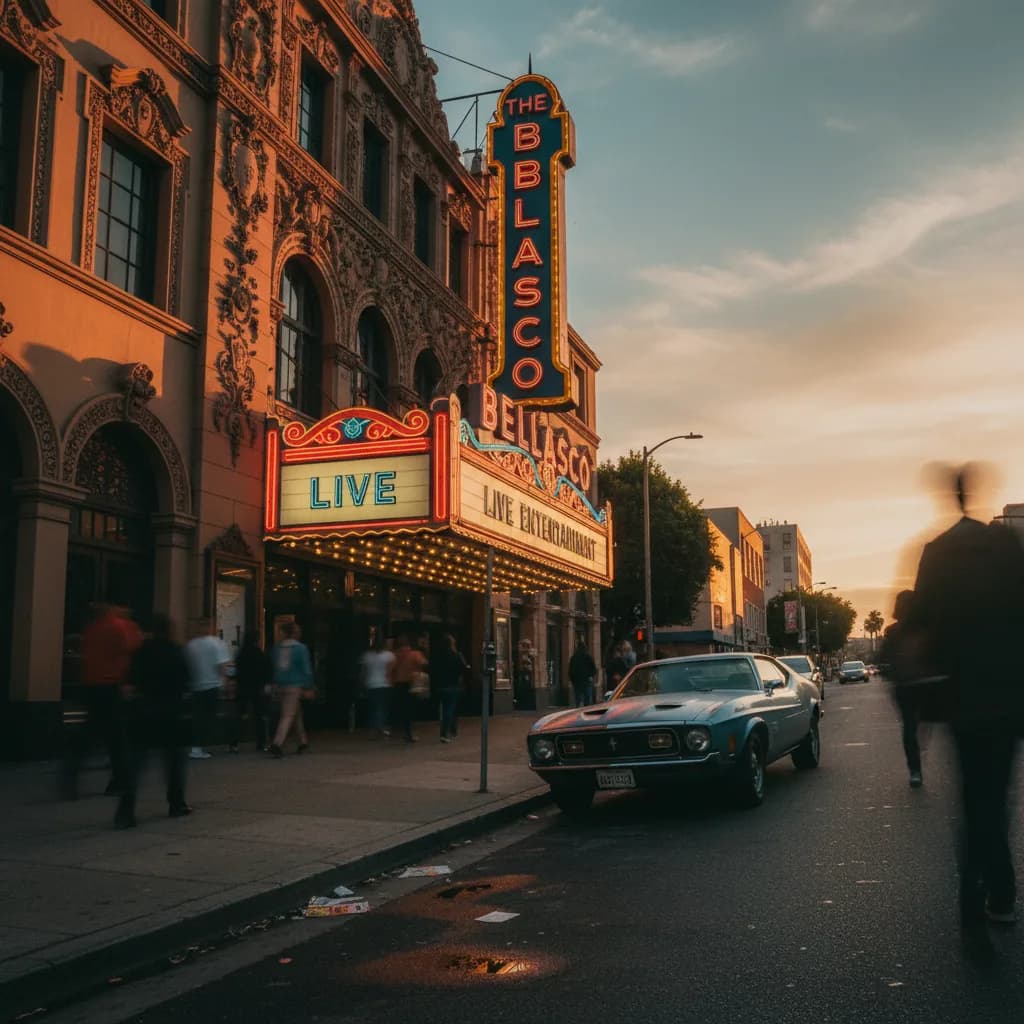
 Downtown LA Concerts: The Belasco's Three-Tiered Theatrical Grandeur
Bars & Nights Out
jetstar overhead bin fees: The Lower-Stress Los Angeles Bar Plan
A verification-first route for a Los Angeles bar night that starts with the headline, then checks neighborhoods, rides, food, events, and backups.
The phrase jetstar overhead bin fees can spark a useful Los Angeles night-out plan, as long as you treat it as a conversation starter, not a local claim. The official extracts do not support any bar partnership, airline promotion, watch party, discount, baggage-fee event, or special Los Angeles activation connected to that phrase. So keep the claim modest: it is a hook for conversation, not proof that anything is happening in LA. Build the night from details the official sources do support. Discover Los Angeles presents the city through things to do, eat and drink, events, itineraries, tourist information, arts and culture, beaches, rooftop bars, vintage LA, and vibrant multicultural neighborhoods. Metro points riders to arrivals, a trip planner, alerts, maps and schedules, the official LA Metro app, real-time arrivals, step-by-step directions, service alerts, and tap-to-pay fare by credit or debit card in plastic or digital form. That is enough for a cleaner plan: choose a neighborhood, check official event pressure, verify transit close to departure, keep food nearby, and name a backup before the first drink.
Want a lower-stress version before you head out? Text Karpo to check Los Angeles bar neighborhoods, Metro arrival logic, event conflicts, walkability, and backup room choices for this exact city plan.
Use the topic as the night’s conversation starter
Start with the headline, then immediately lower the stakes. “jetstar overhead bin fees” is a useful icebreaker because people tend to have strong opinions about travel rules and extra charges, but the official local extracts do not connect it to a Los Angeles bar, event, airline appearance, broadcast, giveaway, or venue promotion. Do not invite friends by implying there is an airline-themed night unless you have direct current proof from the venue. Make the topic the first few minutes of conversation, not the factual basis for the plan.
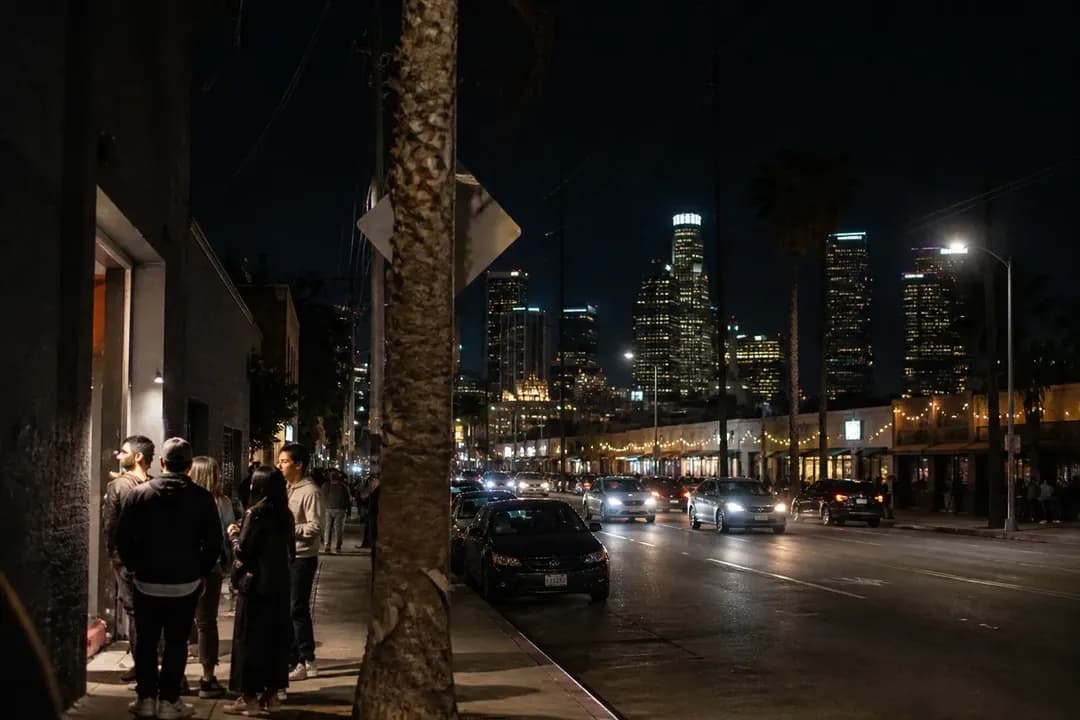
A better LA plan begins with place. Discover Los Angeles identifies Los Angeles as a city best explored through vibrant multicultural neighborhoods and names areas including Manhattan Beach, Downtown, Los Feliz, Sawtelle Japantown, Leimert Park, Culver City, Malibu, and Marina del Rey. For a bar night, use that as a planning frame rather than a promise about any one room. Pick one neighborhood or a tight nearby pair, then keep the rest of the night inside that footprint. The supported idea is not that every listed neighborhood has the same nightlife pattern; it is that LA is neighborhood-driven, and a calmer night starts by respecting that geography.
Choose sound level before cocktails
Decide whether this is a talking night, a music night, a food-first night, or a rooftop-view night before anyone starts naming bars. Discover Los Angeles includes Eat & Drink, bars, rooftop bars, classic bars through its vintage LA itinerary language, dining guides, and event listings. Those categories are useful, but they do not prove the sound level, line length, hours, cover charge, reservation policy, kitchen status, or door rule for a specific bar on a specific date. Keep those facts soft until the venue’s own current channels confirm them.
Use the official event landscape as a warning signal. The Discover Los Angeles extract lists upcoming events across August and September 2026, including Ed Sheeran on August 8, 2026, How to Train Your Dragon in Concert and Lionel Richie with Earth Wind and Fire on August 9, 2026, Benson Boone and John Mellencamp on August 10, 2026, Santana and The Doobie Brothers on August 13, 2026, Al Green on August 14, 2026, and several later music listings. The exact venue impact is not established in the extract, so do not overstate it. The practical point is simpler: if an official visitor site is showing major events near your date, check whether your chosen area may be busier than usual before you commit the group to a first stop.
Build a walkable two-stop route
Two stops are enough for a Los Angeles bar night that still feels social. Make the first stop the easiest room to enter and leave: close to the rest of the plan, convenient for the people arriving, and not dependent on an unsupported promise about reservations, prices, cover charges, or special programming. The second stop can carry more atmosphere, such as a rooftop bar, classic bar, restaurant bar, or event-adjacent choice, but only after you have checked the current details directly. The official sources support LA’s breadth of food, drink, bars, rooftops, events, and neighborhoods; they do not certify any individual night’s operating conditions.
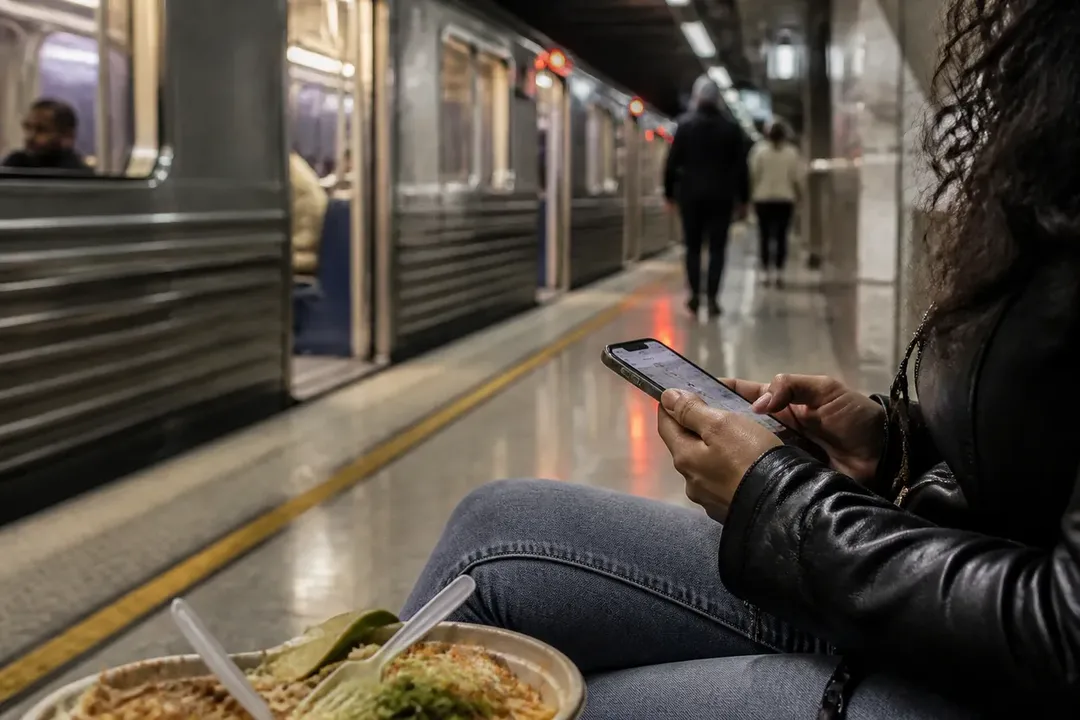
Metro’s official homepage gives several concrete planning tools. It lists Arrivals, Trip Planner, Alerts, and Maps & Schedules, and it says the official LA Metro app provides real-time arrivals, step-by-step directions, and service alerts. It also says riders can pay fare with a credit or debit card in plastic or digital form by tapping on bus or at train stations. Those are actionable details you can use without guessing: check the route, check alerts, and make sure everyone has a workable payment method before the group defaults to separate cars.
For a transit-centered frame, use Metro’s D Line Extension language carefully. Metro says new stations at La Brea, Fairfax, and La Cienega connect the cultural energy of Mid-Wilshire with Koreatown and Downtown LA. That supports considering Mid-Wilshire, Koreatown, and Downtown LA together when you are checking rail access, but it does not support a promised travel time, frequency, transfer time, or late-night schedule in this draft. Check the app close to departure instead of relying on memory.
Keep food and late transit in the plan
A bar route without food is fragile. Discover Los Angeles calls Los Angeles one of the world’s great food cities and says the city ranges from food trucks to Michelin-starred tasting menus, with global cuisines for visitors and locals. Use that as permission to keep the food plan practical. You do not need to claim the most famous table or a guaranteed late kitchen. You need one nearby food option tied to the same neighborhood plan, with current hours checked before the group starts moving.
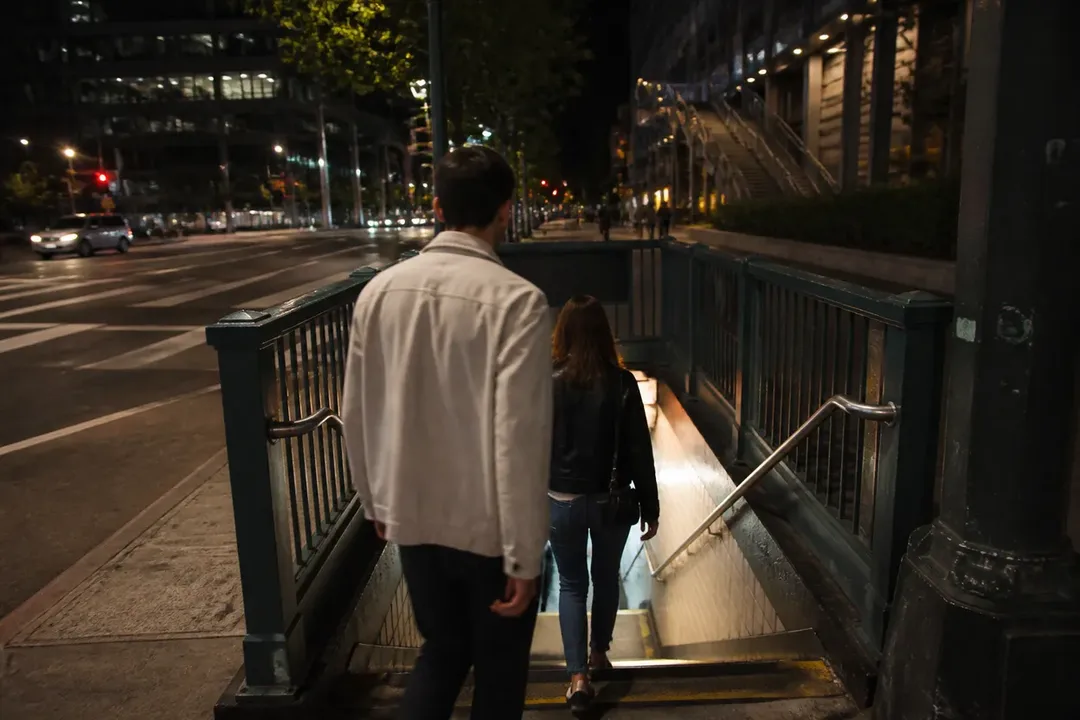
Late transit also needs verification, because the extracts support planning tools, not a guaranteed ride home at any particular minute. Before the first drink, open the Metro app or Metro planning resources and check real-time arrivals, directions, service alerts, maps, and schedules. If the route depends on a specific station, bus stop, transfer, or walking segment, verify it while the night is still quiet enough for a clean decision. Do not write the invitation as if Metro frequency, last trains, or exact travel times are fixed unless you have checked the current schedule.
Use a simple food-and-ride rule: after the second stop, the group either eats nearby or leaves from the checked route. That prevents the classic LA sprawl problem, where a casual move to another area quietly turns into a long return plan. The travel-fee hook can stay playful. The logistics should stay plain: one neighborhood, one food option, one checked transit path, and no unsupported claims about hours, prices, or access.
Know when to switch to the backup room
A backup room is not a failure; it is part of the plan. Choose it before leaving, ideally in the same neighborhood footprint. If the first choice is a rooftop bar, make the backup a restaurant bar or classic bar. If the first choice is tied to an event area, make the backup a place that still works if the event crowd is heavier than expected. The extracts support LA’s variety of bars, dining, events, and neighborhoods, but they do not support certainty about tonight’s door, crowd, music level, or wait.
Set the decision point before the group arrives. Switch if the posted program is different from what you expected, if the line is beyond the group’s patience, if the room is too loud for the night you wanted, if the food plan no longer works, or if Metro alerts make staying impractical. Keep those as judgment calls, not claims about a specific venue. Los Angeles has enough officially highlighted food, drink, cultural, and neighborhood options that a good night can survive a pivot when the backup is close.
This is where the jetstar overhead bin fees hook becomes useful beyond small talk. Travel stories are about constraints: what fits, what changes, what costs extra, and what should have been checked first. Apply the same discipline locally. Check the room, check the route, check the food, and keep the next option close enough that the night does not become a curbside debate.
Verify the night’s program before leaving
The final check should happen the same day, close to departure. Discover Los Angeles maintains visitor categories for Things to Do, Eat & Drink, Find Events, Itineraries, Where to Stay, and Tourist Information, and the extract includes event listings dated in August and September 2026. Metro provides official planning entry points for arrivals, trip planning, alerts, maps and schedules, plus the LA Metro app. Use those sources for the parts they actually support, then confirm any individual bar’s hours, private event status, reservation rules, kitchen availability, cover charge, age policy, or accessibility notes through that venue’s current channels.
Keep your claims clean when inviting friends. Say, “We’re using a travel-fee story as the opening topic, then doing a two-stop LA bar route,” not “There’s an airline thing happening.” That distinction protects the plan from unsupported hype. The best version is modest and usable: choose one Los Angeles neighborhood or tight route, check Discover Los Angeles for nearby events and food context, use Metro for real-time arrivals, directions, alerts, maps, schedules, and tap-to-pay readiness, then keep one backup room within reach.
Tags: #AskKarpo #BeforeYouGo #LosAngeles #LABars #LANightlife #BarsNightsOut #DowntownLA #KoreatownLA #MidWilshire #LAMetro #RooftopBars #TravelSmart #NightOutPlan #VerifyFirst
Sources consulted: discoverlosangeles.com · metro.net · laparks.org
All trademarks are the property of their respective owners.
Ask Karpo first
Ask Karpo first when the plan depends on details that can change the night: venue hours, door rules, nearby events, Metro alerts, food options, and backup bars. For Los Angeles, the best answer is rarely one perfect place. It is the checked route that still works when the first idea gets complicated.
Ask Karpo for more information.
Keep reading
- Downtown LA Concerts: The Belasco's Three-Tiered Theatrical Grandeur
 East Hollywood Happy Hour Near Me: Girl At The White Horse’s Back Patio Charm
 Downtown LA Happy Hour Near Me: Seven Grand Whiskey Bar's Evening Ritual