 Where to Eat Near Penn Station That Isn't a Chain
US Open 2026
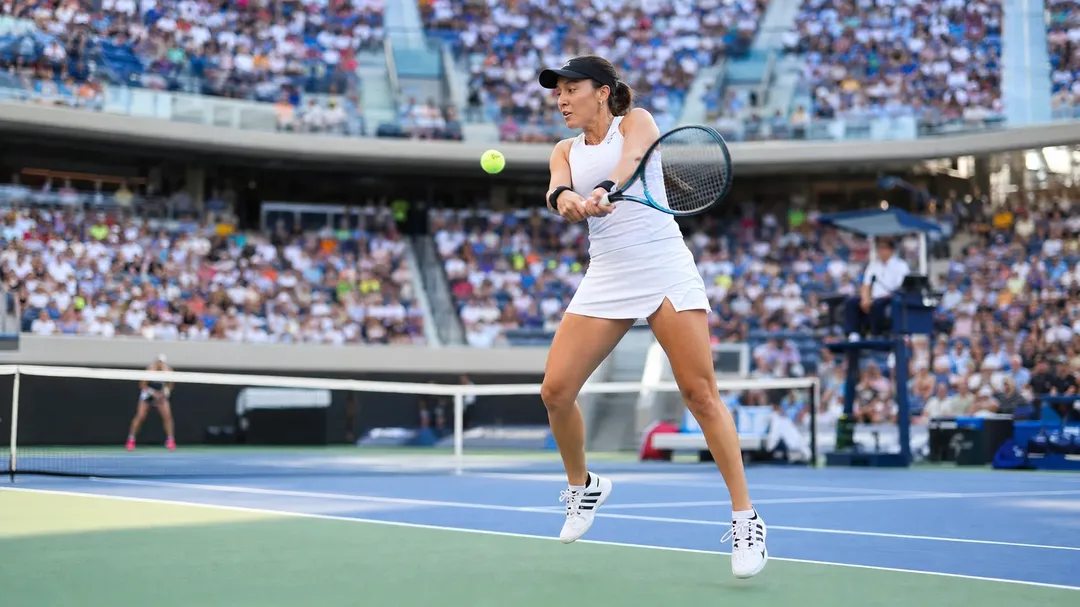
Jessica Pegula’s Best Tactical Path Through New York
If Jessica Pegula is part of the New York field, her clean early timing and calm court sense would make her tactics especially watchable on hard courts.
Jessica Pegula’s New York story is already meaningful for tennis fans because she reached the 2024 US Open final, but any discussion of a future run has to stay conditional. There is no need to assume a seed, draw, session assignment, or confirmed entry to analyze why her game can fit the setting. Pegula is known for compact timing, clean redirects, and taking the ball early, three qualities that matter on hard courts where rallies can turn in one swing. If she is in the field, the most interesting question is not whether she can overpower everyone. It is how often she can make opponents play from uncomfortable court positions before they have time to organize.
Text Karpo Now: Tell us what matters most for Jessica Pegula s Best Tactical Path, and Karpo can turn current US Open updates into a practical plan before you go.
Serve Patterns To Watch
Pegula’s best serving path in New York would likely be built around precision rather than constant risk. On a hard court, a well-placed first serve can create the same benefit as a bigger serve if it earns a predictable reply. The wide serve on the deuce court can open space for an early forehand or backhand into the opposite half. The body serve can also be valuable because it jams aggressive returners and keeps them from extending through the ball. For a player who likes short, clean swings, the goal is to start the rally with balance, not to chase highlight aces.
Second-serve location would be just as important. If an opponent steps inside the baseline, Pegula would need enough variety to prevent automatic attacks. A heavier kick into the backhand, a flatter serve into the body, or a surprise serve toward the forehand hip can all change the returner’s contact point. Fans should look less at serve speed alone and more at the first ball after the serve. If Pegula is landing that ball early and deep, the serve has done its job.
- Watch whether her first serve creates a neutral or attacking first groundstroke.
- Notice body serves against returners who like to swing freely.
- Track how often she protects the middle after serving wide.
- Look for second-serve variety when pressure rises.
Return Position And Timing
Pegula’s return game is often where her early timing becomes most obvious. She does not need a giant backswing to redirect pace, which can be especially useful against big servers. By taking the ball early, she can make the server defend sooner than expected and reduce the amount of open court available for a follow-up shot. In New York conditions, where the ball can move through the court quickly, that compact preparation can turn a strong serve into a rally ball.
Her tactical choice would depend on the server across the net. Against a powerful first serve, a blocked return deep through the middle can be smarter than a low-percentage angle. Against a second serve, stepping in and aiming behind the server can create immediate stress. Fans should watch her feet before contact. If she is balanced and moving forward, she can redirect to either corner. If she is reaching, the return may become more about survival.
Hard-Court Geometry
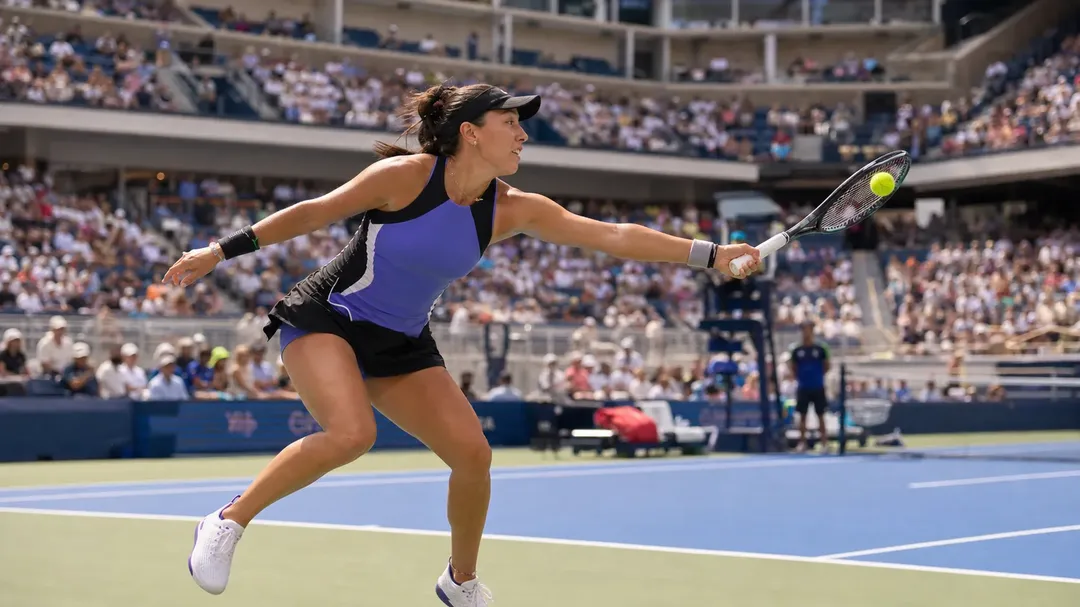
Pegula’s game can look simple because she rarely needs dramatic shapes to take control, but the geometry is subtle. Taking the ball early shortens the opponent’s recovery time. Redirecting cleanly changes the direction of a rally without requiring a huge swing. On a hard court, those two skills can pull an opponent into repeated half-steps: one ball to the backhand corner, the next through the middle, then a sudden angle when the court opens. The pressure comes from pace plus placement, not from reckless shot-making.
The middle of the court may be one of her most useful targets. Many fans think of winners as corner-to-corner shots, but a firm ball through the center can handcuff an opponent and remove angles. From there, Pegula can choose when to change direction. If she changes too early, she risks giving away space. If she waits until the opponent is stretched or late, the redirect becomes higher percentage. This is why her matches can reward close watching: control often appears before the winner.
- Deep middle balls can take away an opponent’s favorite angles.
- Early contact can make average pace feel rushed.
- Redirects are most effective when the opponent is already moving.
- Short balls matter only if she recognizes them quickly.
Movement And Pressure
Movement in New York is not only about sprinting. It is also about how efficiently a player recovers after each strike. Pegula’s best version would keep her center of gravity calm, arrive early enough to hit with a compact swing, and avoid drifting behind the baseline without purpose. If rallies become stretched, she would need to use height and depth to reset rather than trying to flatten every defensive ball. The hard court rewards players who can move forward on time, but it punishes rushed attacks from poor positions.
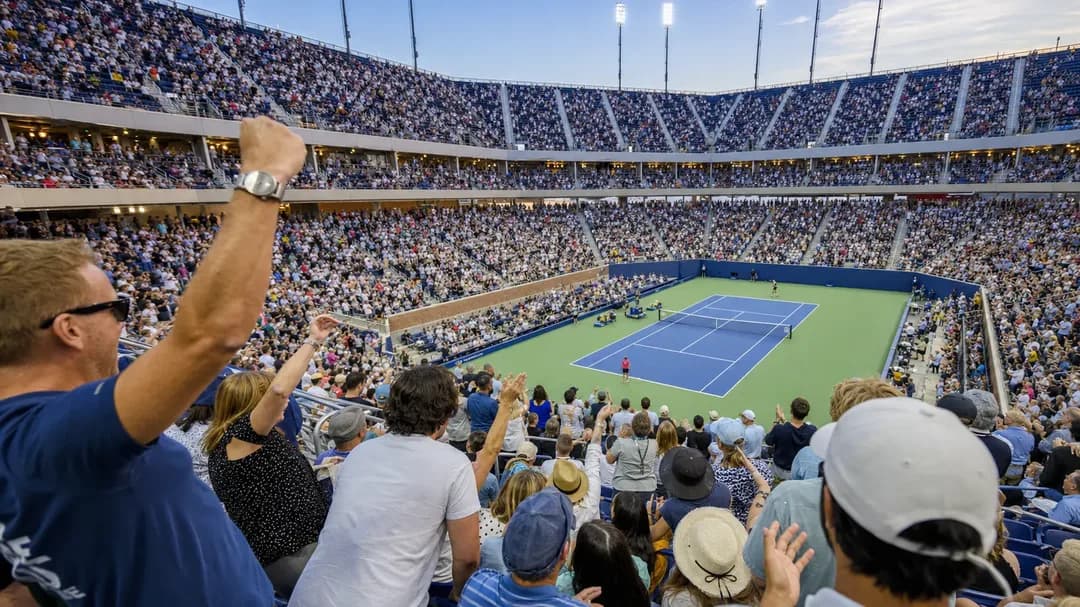
Pressure management is another layer. A New York crowd can make momentum feel louder, faster, and more permanent than it really is. Pegula’s tactical challenge would be to keep point construction clear when the scoreboard tightens. That may mean serving to bigger targets, returning deep instead of spectacularly, and making the opponent earn the final shot. For fans, the key moments are not only set points or break points. They are the 30-all points where a player decides whether to trust the pattern or chase the moment.
If she faces an opponent with heavier topspin, court position becomes crucial. Standing too far back can give up the early-contact advantage; standing too close can make high balls uncomfortable. If she faces a flatter hitter, the first clean strike after the serve or return may decide who controls the rally. Against a player who defends well, patience matters more. Pegula’s path would be less about changing her identity and more about adjusting the height, depth, and direction of the same compact game.
Practical Notes
For visitors planning around New York tennis, the safest approach is to rely on current player listings and the event schedule close to the tournament rather than assuming any player’s participation or session assignment. If Pegula is listed to play, warmups can reveal details that are harder to see once points become tense: the size of her backswing, the depth of her return position, and how quickly she recovers toward the middle. From a lower sideline seat, watch contact height and balance. From a higher seat, watch the patterns: serve wide, first ball open court, or return deep middle, then redirect. Bring sun protection for day sessions, allow time for security and transit, and remember that match order can shift. The best fan experience comes from following the tactics, not just waiting for winners.
Tags: #USOpen2026 #Tennis #GrandSlam #NewYorkTennis #ArthurAsheStadium #FlushingMeadows #USOpenGuide #TennisFans #SportsTravel #HardCourt #NewYork #KarpoFinds
Sources consulted: wtatennis.com — Official reference · usopen.org — Official reference · usopen.org — Official reference
All trademarks are the property of their respective owners.
Ask Karpo first
Want to know what is confirmed, when to show up, and how to make jessica pegula s best tactical path work for your day? Ask Karpo for current US Open updates, a respectful fan plan, and a live route around Flushing Meadows.
Ask Karpo for more information.
Keep reading
- Where to Eat Near Penn Station That Isn't a Chain
 Andytown Coffee in the Outer Sunset: The Snowy Plover Explained
- Best Things to Do in Chicago: What the City Gives Away