 Salad Near Me in the West Village: Westville's Market-Table Vegetables
Back To School
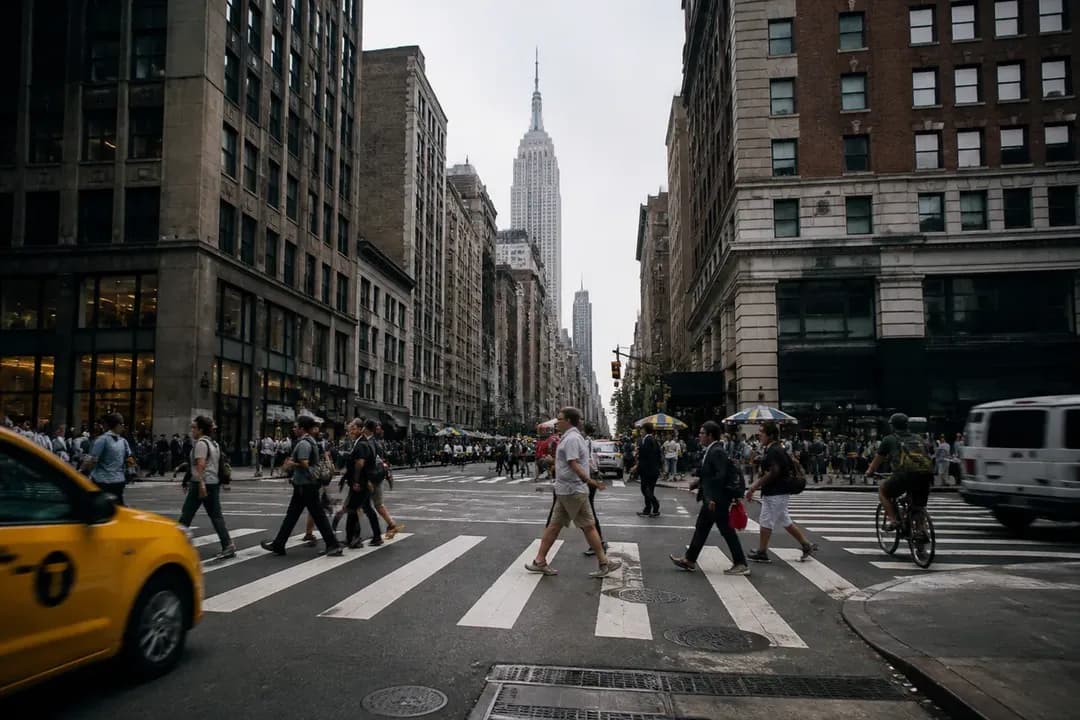
jeff dean: A NYC Learning and Research Route
A verification-first NYC study route for turning a timely search into source checks, access checks, and practical backup planning.
The phrase jeff dean may be moving through group chats, search boxes, or back-to-school curiosity, but a useful NYC plan starts with restraint. The official extracts provided here do not verify a local event, campus visit, library program, transit plan, price, schedule, affiliation, or New York appearance connected to that name. Treat the phrase as a prompt for better questions: what claim is being made, where did it come from, can an official source support it, and what should a student write down when access cannot be confirmed? This route is built as a careful research framework for New York City students using only the limited official extracts available: the NYPL homepage at nypl.org, an access-denied result for the NYC Department of Records page, and an access-denied result for the MTA homepage.
Want a same-day reality check before you head out? Text Karpo to help verify NYPL access, official NYC records access, MTA access, and backup study stops for this city plan.
Turn curiosity into a research question
Start by writing one clean question before opening a dozen tabs. For jeff dean, that might be: what can be verified from official or primary sources, and what remains unsupported? The point is not to chase a name around the internet. The point is to turn a timely phrase into a research task you can defend in class.
In NYC, that distinction matters because the city can make almost any search feel nearby. The extracts here do not prove a local appearance, school partnership, public lecture, broadcast, library program, or institutional connection. Do not plan around an assumed sighting or event. Plan around what you can check directly: an official website that loads, a dated page, a named source, and a note about what could not be accessed.
A useful first-page notebook setup has three columns: claim, source, and status. Put every interesting statement in the claim column. Put the official or primary source beside it. Mark it confirmed, not confirmed, inaccessible, outdated, or opinion. That small habit keeps a back-to-school research session from becoming a stack of screenshots with no chain of evidence.
Start with a reliable public resource
Make the New York Public Library website one possible official starting point because the source list includes https://www.nypl.org/. The extract does not provide branch names, hours, room rules, database access terms, event listings, or service notices, so this article cannot claim any of those details. Before leaving, check the NYPL site directly from your own device for the exact location or resource you intend to use.
The practical route is simple: choose the research need before choosing the neighborhood. If you need quiet reading, source gathering, or database time, look for an NYPL page that matches that task and verify the current access details there. If the page does not answer your question, do not treat the missing information as permission or availability.
Do not assume every library visit works the same way. Confirm the specific page, current access information, and whether the resource you need appears to be available online, on site, or by request. If a page asks you to sign in, make a request, check a notice, or use a location-specific path, record that step before spending time on the trip.
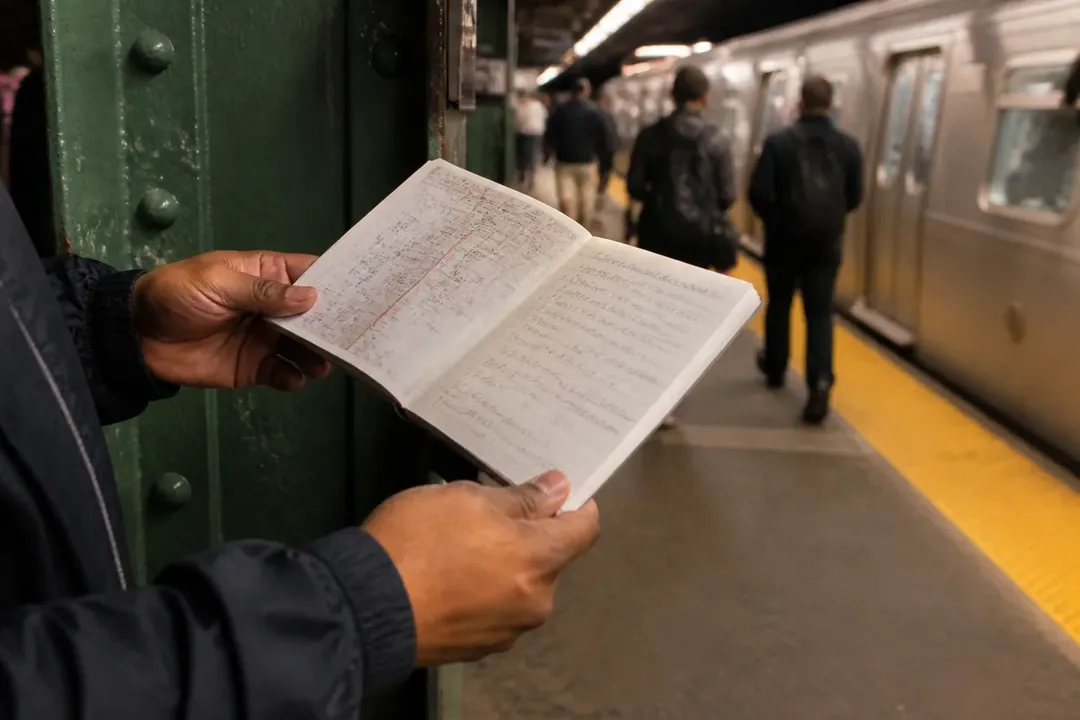
Compare primary reporting before opinions
Once you have a place to work, separate primary material from commentary. A primary source might be an official page, a direct statement, a publication, a public record, or a clearly attributed interview. Commentary can still be useful, but it should come after you know what the original claim says. For a name like jeff dean, that order protects you from treating summaries as evidence.
The NYC Department of Records and Information Services appears in the official-source list through https://www.nyc.gov/site/records/index.page, but the provided extract shows Access Denied. That is not proof of the page content. It is only proof that the extract did not provide usable access. If your assignment needs city records, try the official page again from your own device or network and note the date, URL, and access result.
When a source is inaccessible, do not fill the gap with a guess. Write: official page attempted, access not confirmed. Then look for another official or primary source that can answer the same question. This is especially important for students, because a polished article, social post, or video can repeat an unsupported claim faster than a careful research log can correct it.
Choose a study stop that fits the task
The best NYC study stop is not automatically the most famous one. For a verification-first route, choose by task: a library page you can verify for source work, a quiet place for drafting, or a nearby public spot for a short reset. The official extracts do not support claims about seating, hours, crowding, Wi-Fi, food rules, prices, or neighborhood conditions, so treat those as same-day checks.
A practical sequence is research first, comparison second, writing third. Begin with the official resource you can actually access. Spend the first block collecting sources and noting which claims are supported. Move only if the next task changes. If you are still checking claims, staying put may be better than adding travel complexity.
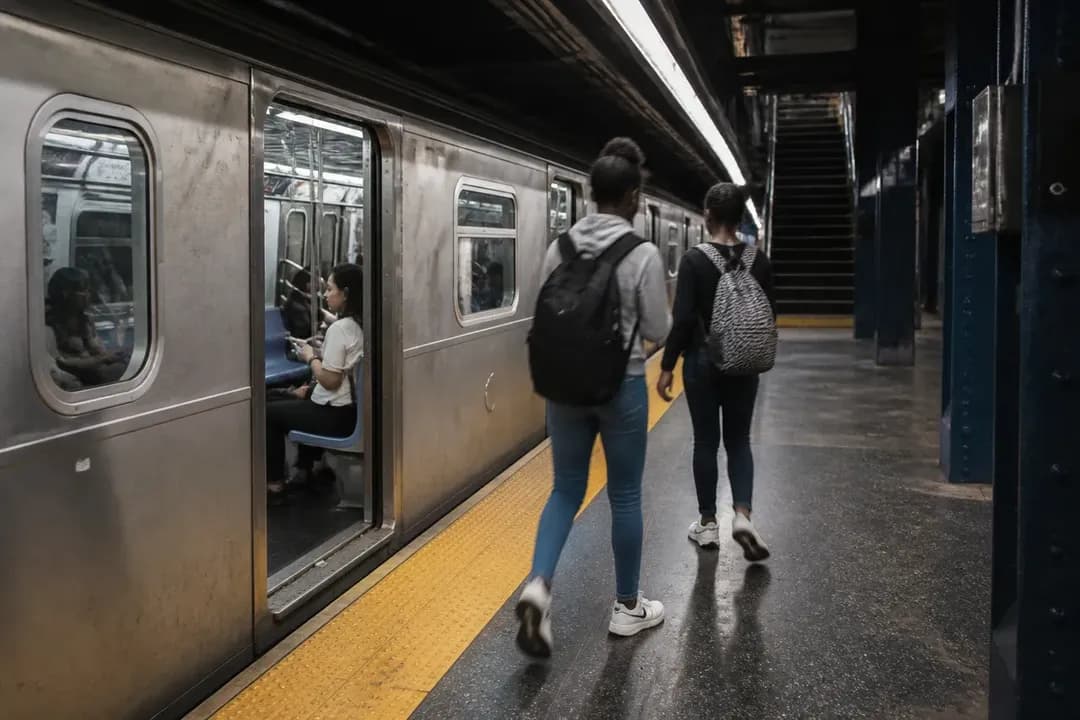
Use transit as a decision filter, not an afterthought. The official MTA site appears in the source list as https://new.mta.info/, but the provided extract shows Access Denied. This article therefore cannot claim current service, schedules, fares, travel times, station conditions, or route reliability. Before leaving, check MTA information from an official source that loads for you. If it will not load, simplify the plan.
Add one low-cost reset nearby
Research gets worse when every stop has to justify itself. Add one simple reset near the study location you have verified: a short walk, a public place nearby, or a pause where you can review notes without turning the afternoon into a separate errand chain. The extracts do not support any specific park, plaza, cafe, price, or open-hours claim, so keep the reset flexible.
Make the reset serve the assignment. After the first reading block, step away and summarize the strongest verified fact in one sentence. After the second block, list the weakest claim you found and what would be needed to confirm it. This keeps the break from becoming drift while still giving your attention a pause.
For a back-to-school plan, also choose a reset that can survive uncertainty. If your first idea depends on weather, seating, entry, or a page that will not load, identify a simpler nearby alternative before leaving. A good route has a backup before you need it, and the backup should not depend on unsupported hours, costs, or transit assumptions.
Verify hours and access before leaving
The final check happens before you commit. Open the NYPL page you plan to use. Try the NYC records page again if your assignment needs city records. Check MTA access from an official source that loads on your device. If any official page is inaccessible, unclear, or missing the detail you need, mark that uncertainty and adjust the plan.
Use a three-part go or no-go test. First, can you confirm the venue or resource is appropriate for your task? Second, can you confirm a workable route there and back from official information you can access? Third, do you have a nearby backup if entry, seating, access, or service changes? If the answer to any one is no, shorten the plan.
Most importantly, keep the hook in its place. jeff dean can be the reason a student starts asking sharper questions, but it should not become a claim about New York without evidence. The strongest local plan is modest, current, and checkable: official source first, unsupported claims marked clearly, backup decision ready before you leave.
Tags: #jeffdean #NYC #BackToSchool #NYPL #StudentResearch #PublicRecords #MTA #StudyRoute #ResearchSkills #SourceCheck #AskKarpo #BeforeYouGo #NewYorkStudents #VerificationFirst
Sources consulted: nypl.org · nyc.gov · new.mta.info
All trademarks are the property of their respective owners.
Ask Karpo first
Ask Karpo first before turning a timely name into a city plan. Karpo can help you check whether the NYPL page, NYC records page, and MTA page you intend to use are accessible today, then suggest a tighter backup when official access details cannot be confirmed.
Ask Karpo for more information.
Keep reading
- Salad Near Me in the West Village: Westville's Market-Table Vegetables
 Lunch Near Me in the Flatiron: S&P Runs a Classic Luncheonette Counter
 Coffee Near Me in the East Village: Abraço Is Standing-Room Only