 Where to Eat Near Penn Station That Isn't a Chain
US Open 2026
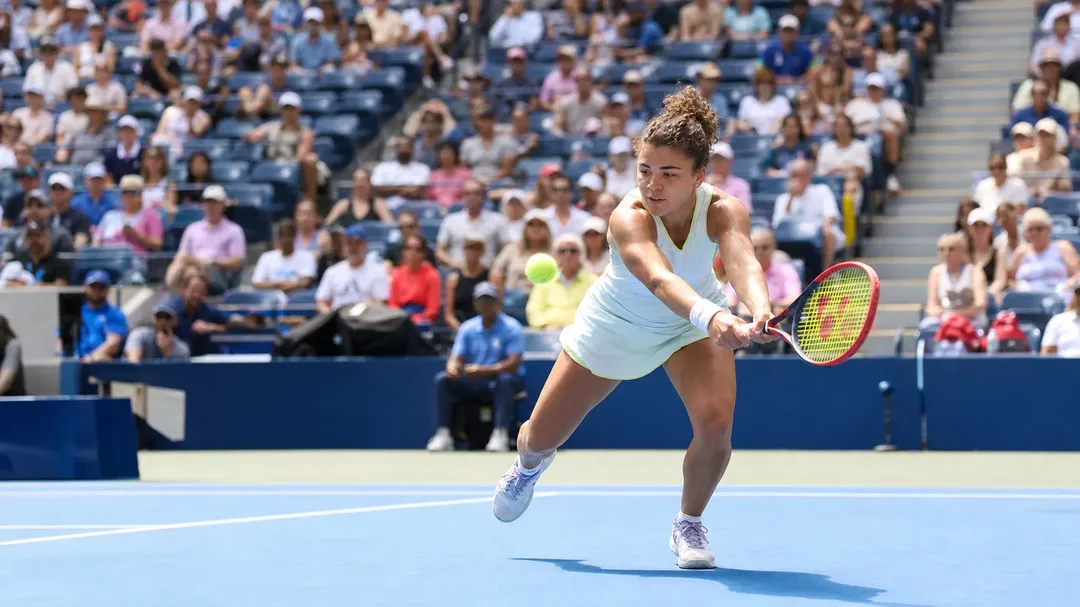
Jasmine Paolini’s Movement Could Disrupt Bigger US Open Hitters
If Jasmine Paolini is part of the US Open field, her movement and timing could create uncomfortable tactical questions for bigger baseline hitters.
Jasmine Paolini’s tactical appeal is not based on trying to overpower the tour’s biggest hitters shot for shot. The safer, current way to describe her game is that she uses movement, timing, and competitive problem-solving to challenge opponents with more obvious weight of shot. If she is part of the US Open conversation, that contrast would be especially interesting because hard courts reward first-strike tennis while also punishing players who cannot recover, reset, and build the next pattern. This is not a prediction about participation, seeding, draw placement, or form in any future event. It is a conditional look at why her style can bother a bigger hitter, which serve-return patterns would matter, how court geometry shapes the matchup, and what fans can watch from the stands or on a broadcast.
Text Karpo Now: Tell us what matters most for Jasmine Paolini s Movement Could Disrupt, and Karpo can turn current US Open updates into a practical plan before you go.
Why Movement Changes Power
Against bigger hitters, movement is not just running speed. It is the ability to arrive balanced enough to send the next ball to a useful target. Paolini’s movement-based problem-solving can shrink the court for an opponent who expects one clean strike to finish the exchange. When a heavy forehand comes back deep, low, or redirected, the hitter must decide whether to attack again, change direction, or accept a longer rally. Each extra decision can lower the quality of the next swing.
Hard courts generally create a cleaner, more readable bounce than many natural surfaces, so sharp timing can become a weapon. A player who takes the ball early can turn incoming pace into depth instead of simply absorbing damage. That matters against hitters who want time to load their legs and shoulders. The key is not spectacular defense alone. It is the blend of quick recovery steps, compact contact, and smart target selection that makes an opponent hit one more ball from a less comfortable position.
Serve And Return Patterns
Serve-return patterns would be central to any matchup against a larger server or heavier first-strike player. On return, the first question is whether Paolini could neutralize the serve often enough to avoid immediate forehand pressure. A deep middle return can be valuable because it removes angle and forces the server to create offense from a more neutral lane. A shorter blocked return is dangerous if it sits up, but it can still work if it lands low enough to make the server hit up from inside the court.
On serve, variety can matter as much as speed. A body serve can jam an opponent who wants a full cut. A wide serve can open the next ball, but only if the server is ready for the sharp crosscourt reply. A serve into the backhand may be useful, yet predictable serving can let a power returner step in. For a player like Paolini, the practical issue is whether the serve starts a manageable rally rather than immediately exposing the second shot.
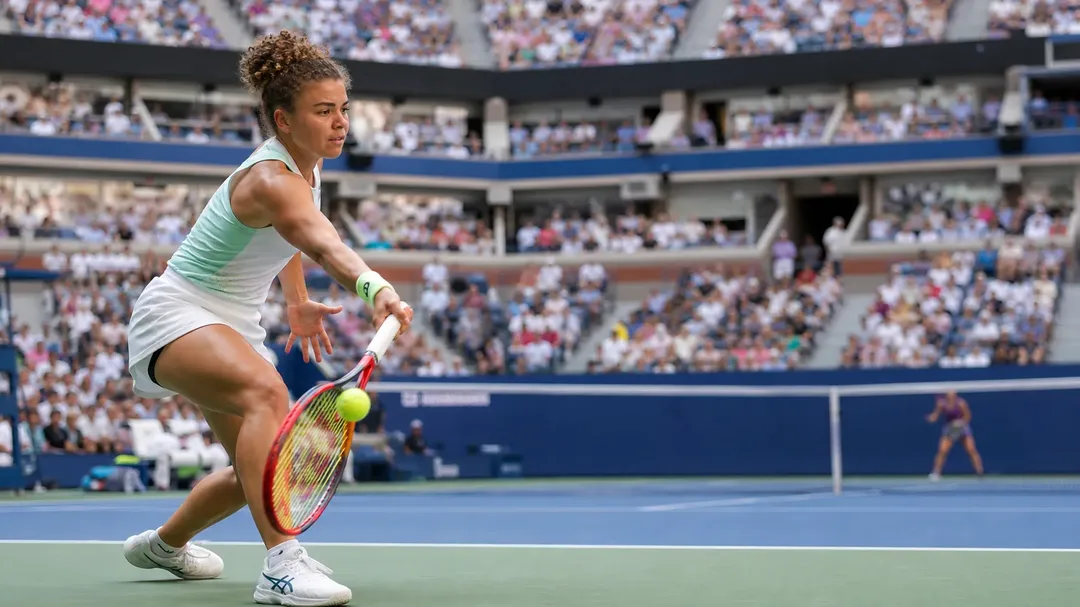
- Watch whether returns land deep through the middle or float short into attack zones.
- Notice if body serves stop big return swings from getting fully extended.
- Track the server’s second shot, because that often decides whether the point is neutral or under pressure.
- Look for early changes in return position, which can signal tactical problem-solving rather than panic.
Hard-Court Geometry
Hard-court tennis is geometry under pressure. Bigger hitters often try to stretch the court with a heavy crosscourt ball, then finish down the line or into open space. A strong mover can interfere with that plan by recovering toward the correct lane before the opponent has fully committed. If Paolini is reading direction well, she does not need to win every defensive point. She only needs to make the attack less automatic.
The center of the court is an underrated tactical zone. A deep ball through the middle can deny angles and make a powerful opponent create width from a cramped position. From there, the next rally ball can go behind the opponent, especially if the hitter has already started recovering toward the open court. This is where timing and competitive problem-solving become visible. The point may not look dramatic, but the opponent’s footwork can become slightly rushed.
The backhand corner is another place to watch. Many power players prefer to dictate with the forehand, so repeated pressure to the backhand side can test patience. But simply hitting crosscourt backhands forever is rarely enough. The disrupting player must eventually change height, direction, or pace. A higher, deeper ball can buy recovery time; a flatter early ball can take time away; a shorter angle can pull the opponent off the baseline. The best version of this plan is not defensive waiting. It is controlled variation.
Pressure Management Moments
The US Open environment can magnify momentum. Crowds react loudly to winners, long defensive gets, and visible frustration. For a player whose edge comes from movement and problem-solving, pressure management means staying attached to the pattern even after a few clean winners fly past. Bigger hitters will land spectacular shots. The tactical question is whether those winners are coming from comfortable, repeatable positions or from risky swings that may not hold up over time.
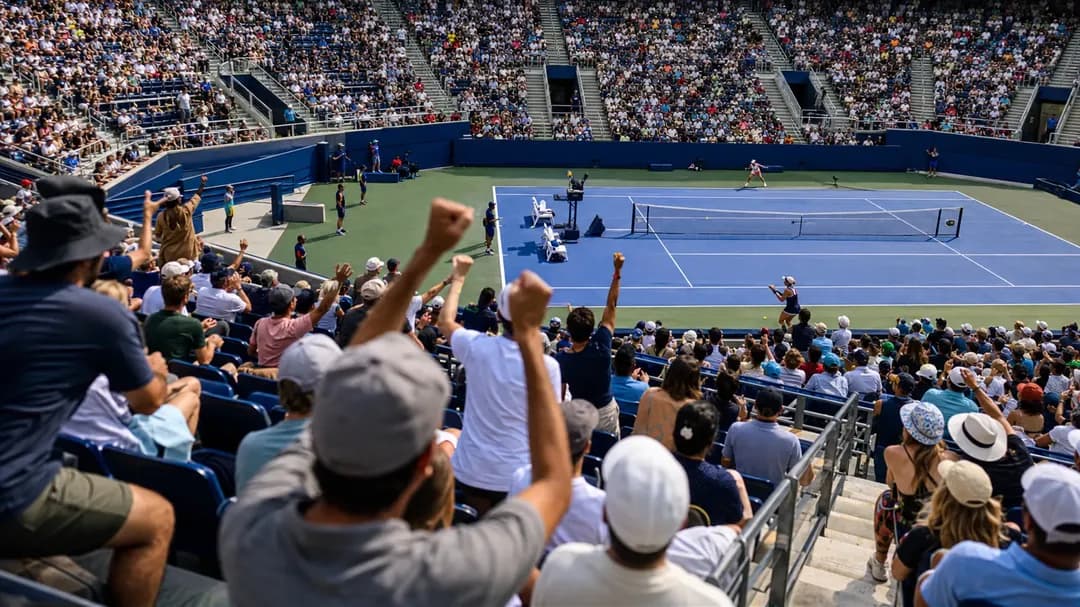
Fans should pay attention to score pressure without overreading a single game. At 30-all, deuce, or break point, a big hitter may try to shorten the rally, while a mover may try to make the court feel narrow and the target feel small. If Paolini is involved in that kind of exchange, the most revealing moments may be ordinary balls: a deep return, a safe crosscourt reset, or a disciplined refusal to change direction too early. Those choices can make an opponent feel that power alone is not solving the match.
- After long rallies, see who looks more willing to start the next point patiently.
- On break points, watch whether the bigger hitter attacks from balance or from a rushed setup.
- After a missed aggressive shot, notice whether the same pattern is repeated or adjusted.
- During crowd surges, look for routine footwork and serve preparation rather than emotional reactions.
Another pressure clue is court position after contact. A player who hits big but falls away from the ball may be conceding recovery. A player who absorbs pace and finishes balanced can defend the next lane. That is why Paolini’s movement profile is tactically meaningful: it can turn pressure into a sequence rather than a single event. The longer that sequence lasts, the more a powerful opponent must prove accuracy, patience, and decision-making.
Practical Notes
For planning, treat everything as conditional until official US Open player and schedule information is posted. Check the tournament’s player index and event schedule close to your visit, then confirm the court assignment on the day you attend because match order can change. If you want to study tactics live, seats behind the baseline make depth, recovery, and return position easier to read, while sideline seats show width and movement patterns more clearly. Arrive early for your session if you want to watch warmups and identify serve targets before the match begins. Bring sun protection for day sessions, allow extra time for security and transit, and remember that a compelling tactical matchup can happen on any court, not only in the largest stadium.
Tags: #USOpen2026 #Tennis #GrandSlam #NewYorkTennis #ArthurAsheStadium #FlushingMeadows #USOpenGuide #TennisFans #SportsTravel #HardCourt #NewYork #KarpoFinds
Sources consulted: wtatennis.com — Official reference · usopen.org — Official reference · usopen.org — Official reference
All trademarks are the property of their respective owners.
Ask Karpo first
Want to know what is confirmed, when to show up, and how to make jasmine paolini s movement could disrupt work for your day? Ask Karpo for current US Open updates, a respectful fan plan, and a live route around Flushing Meadows.
Ask Karpo for more information.
Keep reading
- Where to Eat Near Penn Station That Isn't a Chain
 Andytown Coffee in the Outer Sunset: The Snowy Plover Explained
- Best Things to Do in Chicago: What the City Gives Away