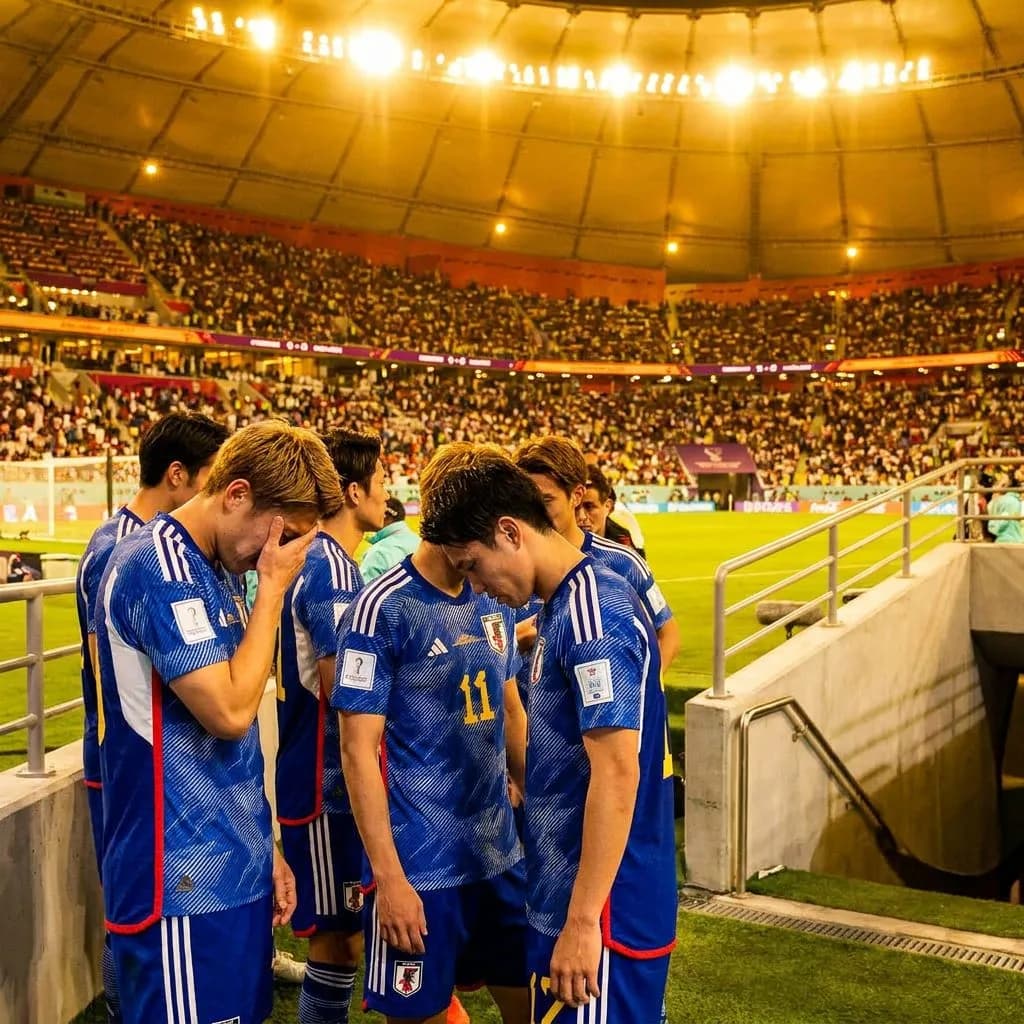
The hushed anticipation, a collective breath held tight, ended with the final minutes ticking away. From Tokyo to Kyoto, millions rode every tackle, every pass. The dream of reaching a World Cup semi-final, of perhaps even lifting the coveted trophy, was agonizingly slipping away. The scoreboard was a relentless reminder that the Blue Samurai, despite their valiant fight, were on the brink of elimination.
The Match That Ended Japan's Run
The quarter-final clash against Brazil was always going to be an Everest. Yet, for 88 exhilarating minutes, Japan felt like they were planting their flag just below the summit. The game, held in the electric atmosphere of MetLife Stadium, was a masterclass in tactical discipline and sheer grit. They held the five-time champions at bay.
Then it came. A moment of individual brilliance, a fleeting lapse in an otherwise flawless defensive wall. Neymar ghosted past two defenders, delivering a whipped cross that found Richarlison unmarked. His header, powerful and precise, left Zion Suzuki with no chance. The roar from the Brazilian faithful was deafening. The remaining minutes saw Japan push valiantly for an equalizer, throwing everything forward. But it wasn't to be. The final whistle blew. Is Japan out of the World Cup? Yes, definitively so, after a heartbreaking 1-0 defeat.
Zion Suzuki: The Goalkeeper Who Deserved More
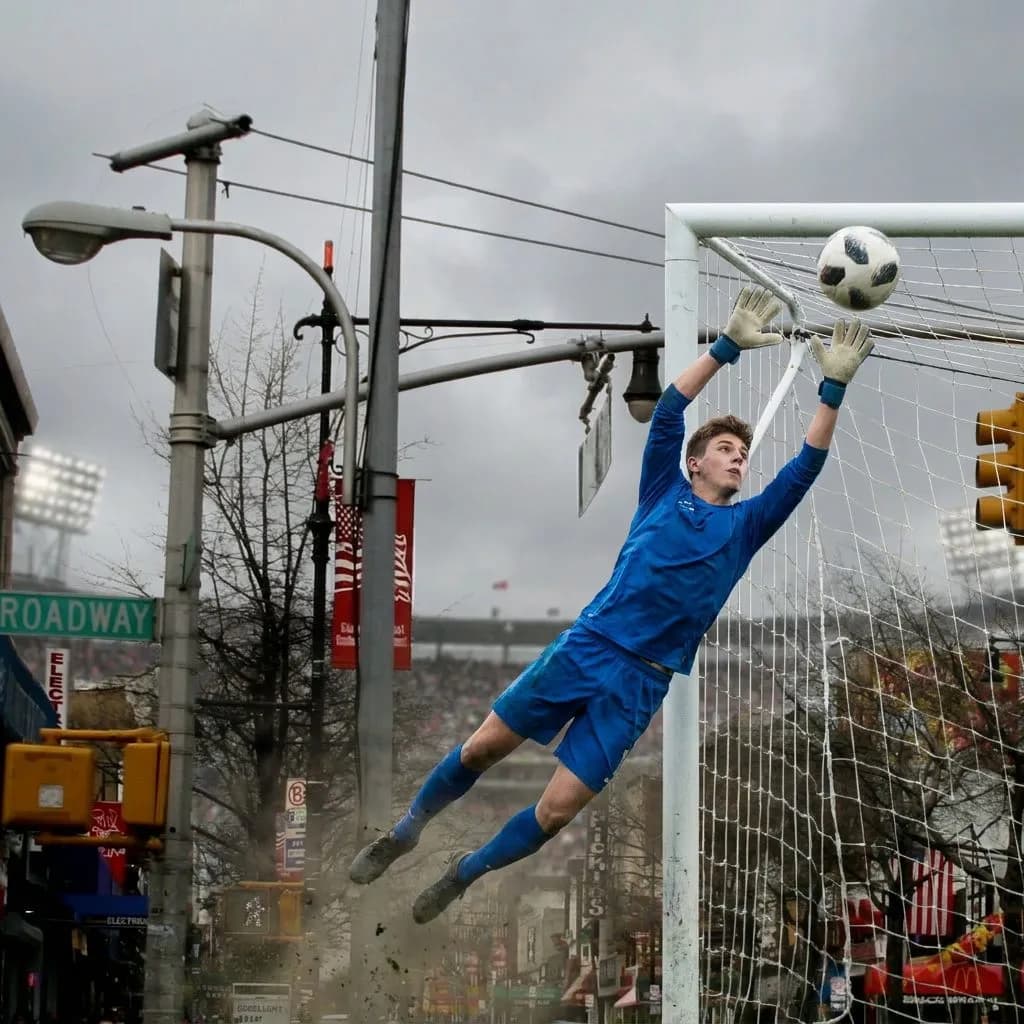
Amidst the sorrow, one name rose above the fray: Zion Suzuki. The young goalkeeper, often critiqued, delivered a performance for the ages. He was magnificent, pulling off a string of world-class saves. One particular stop from a blistering Rodrygo shot drew gasps of admiration. His command of the box was assertive, his distribution intelligent, and his presence radiated confidence. Insiders noted his meticulous preparation. His efforts were heroic, and it’s a cruel irony that despite his brilliance, his team still fell short. Suzuki’s performance was the highlight for Japan, cementing his status as a bright prospect.
Tactical Missteps Against Brazil
While Japan's tactical discipline was commendable, hindsight reveals potential areas where Hajime Moriyasu's strategy might have faltered. The primary criticism revolves around the lack of offensive ambition in the first half. Japan often opted for cautious passes and struggled to transition quickly into attack. An insider revealed that concerns about Brazil's counter-attacking speed, particularly Vinicius Jr.'s pace, led to a more conservative initial approach.
A key tactical question also arose around substitutions. While Moriyasu brought on fresh legs, some felt they came too late, particularly the introduction of attacking midfielder Daichi Kamada. The lack of a genuine "Plan B" also became apparent. When chasing a goal against a compact defense, Japan often resorted to hopeful long balls or wide crosses, easily dealt with by Marquinhos and Gabriel. The balance between defense and offense proved unsustainable.
Japan's Group Stage Journey Revisited
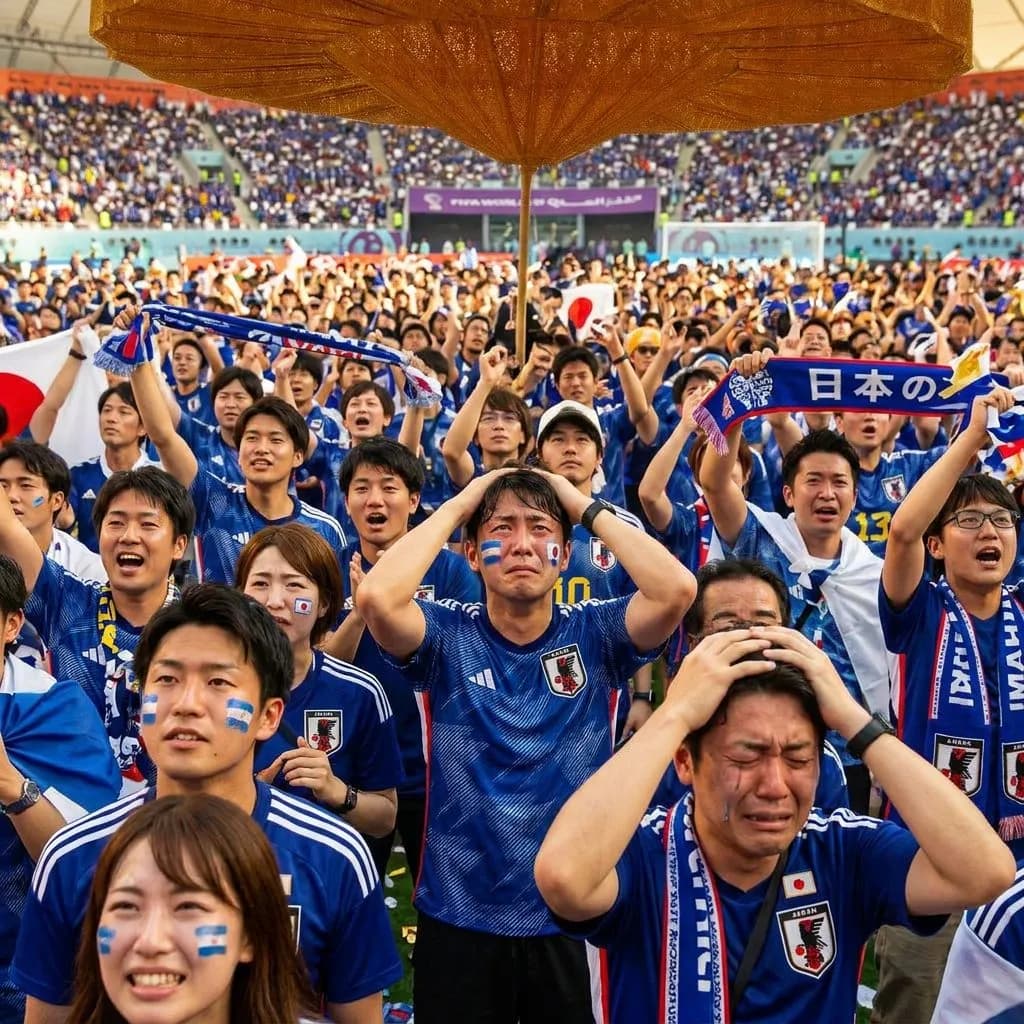
Japan’s path to the quarter-finals was a rollercoaster, a testament to their resilience. They were drawn into Group C alongside Argentina, Switzerland, and Ghana. Their campaign began with a stunning 2-1 victory over Argentina. This momentum was blunted by a narrow 1-0 defeat to Switzerland.
The final group stage game against Ghana was a must-win, and Japan delivered emphatically with a dominant 3-0 performance. This secured their spot in the knockout stages as group winners. This run included a memorable round-of-16 clash against Portugal, a match that went to penalties after a thrilling 2-2 draw. Zion Suzuki, again, was the hero in the shootout. The journey was emotional, filled with moments of elation and suspense, proving that the Blue Samurai are a force to be reckoned with.
What the Future Holds for Japanese Football
Despite the heartbreak, Japan’s performance offers immense promise. The squad showcased a blend of experienced veterans and exciting young talent. Zion Suzuki has emerged as a national hero and a goalkeeper with world-class potential. Talents like Takefusa Kubo and Kaoru Mitoma are only just entering their prime. The J-League continues to develop exceptional players.
Tactically, the tournament highlighted the need for greater versatility and more potent attacking options. The experience gained from pushing Brazil to the brink will be invaluable. The Japan Football Association will undoubtedly analyze every aspect to ensure they can take that crucial next step. The goal of reaching a semi-final or even a final has never seemed more attainable. The Blue Samurai will be back.
Practical Notes
For those planning to immerse themselves in Japan's vibrant football culture, attending a J-League match is highly recommended. The atmosphere is electric, especially at Saitama Stadium 2002 or Nissan Stadium. Tickets are generally affordable. The Japan Football Museum in Bunkyo, Tokyo, offers a fascinating insight into the sport’s development. Many sports bars in major cities broadcast international matches, providing a fantastic communal viewing experience. Keep an eye out for fan meet-ups.
Tags: #WorldCup2026 #FIFAWorldCup #JapaneseFootball #BlueSamurai #ZionSuzuki #BrazilJapan #FootballAnalysis #SportsTravel #JLeague #AsianFootball #WorldCupElimination #NationalTeam #JapanNT #FootballTactics #FutureofFootball
Sources consulted: fifa.com · nrgpark.com
All trademarks are the property of their respective owners.
Ask Karpo First
Want to understand what tactical changes could have saved Japan, how Suzuki's performance ranks among tournament goalkeepers, or where Japanese fan communities are gathering post-elimination? Ask Karpo for match analysis, player stat comparisons, and community updates.