Three Wins, Zero Fear
Japan have been the revelation of the 2026 World Cup group stage. Three matches, three wins, eight goals scored, two conceded. They beat Costa Rica 3-0, Germany 3-1, and Ecuador 2-1 in a group that was supposed to be one of the tournament's most competitive. The margin of these victories does not fully capture how dominant Japan have been — they controlled possession, pressed with ferocious intensity, and showed tactical flexibility that surprised every opponent. This is not the Japan of cautious approach and hopeful counterattacks. This is a Japan that believes it can beat anyone.
Kamada and Ueda: The Partnership Nobody Predicted
The most effective attacking partnership at the 2026 World Cup does not feature Mbappe, Vinicius, or Messi. It features Daichi Kamada and Ayase Ueda — two players who, before the tournament, were known primarily to followers of European mid-table football. Kamada, playing as an advanced midfielder behind Ueda, has three goals and two assists. Ueda, a classic number 9, has scored four goals — including a hat trick against Costa Rica. Their understanding is almost telepathic: Kamada's delayed runs into the box find Ueda's flick-ons; Ueda's hold-up play creates space for Kamada's late arrivals. It is a partnership built on intelligence rather than raw talent, and it has been devastatingly effective.
The Germany Victory Was the Statement
Japan's 3-1 win over Germany in their second group match was the result that announced their credentials. It was not a shock — Japan beat Germany 2-1 at the 2022 World Cup — but the manner of the victory was different. In 2022, Japan won with late goals from a defensive position. In 2026, they dominated from the first whistle. They had 58% possession against a German team that prides itself on ball control. They pressed Germany's center-backs into errors. They scored three goals from open play, each more impressive than the last. Julian Nagelsmann admitted afterward that Japan were the better team in every department.
Moriyasu's Tactical Evolution
Manager Hajime Moriyasu has evolved Japan's playing style dramatically since the 2022 World Cup. The 3-4-2-1 system that surprised Germany and Spain in Qatar has been replaced by a more aggressive 4-2-3-1 that prioritizes possession and pressing. The change reflects the development of Japan's player pool — with more players at top European clubs, Moriyasu has the technical quality to play a possession-based game rather than relying on defensive discipline and counterattacks. The tactical evolution has been three years in the making, and the World Cup has validated every decision.
Lumen Field Became Japan's Fortress
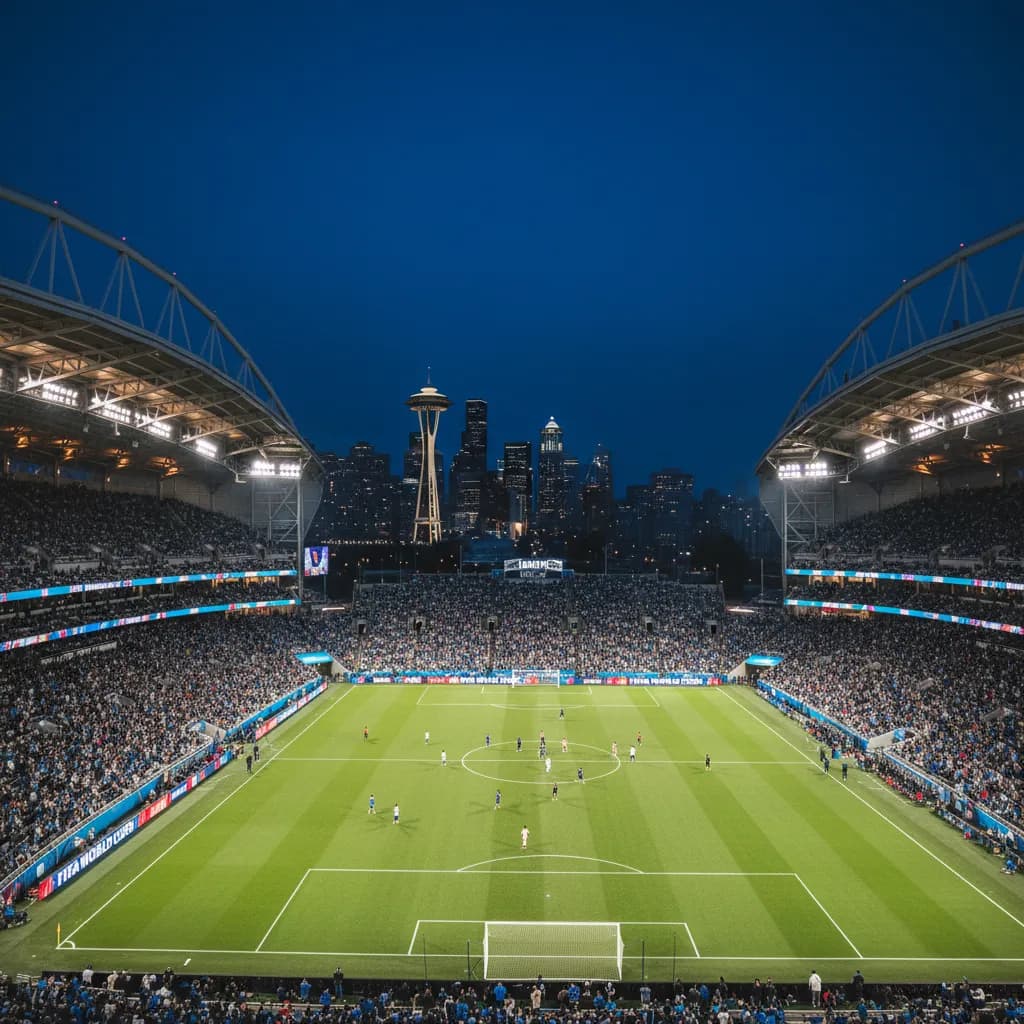
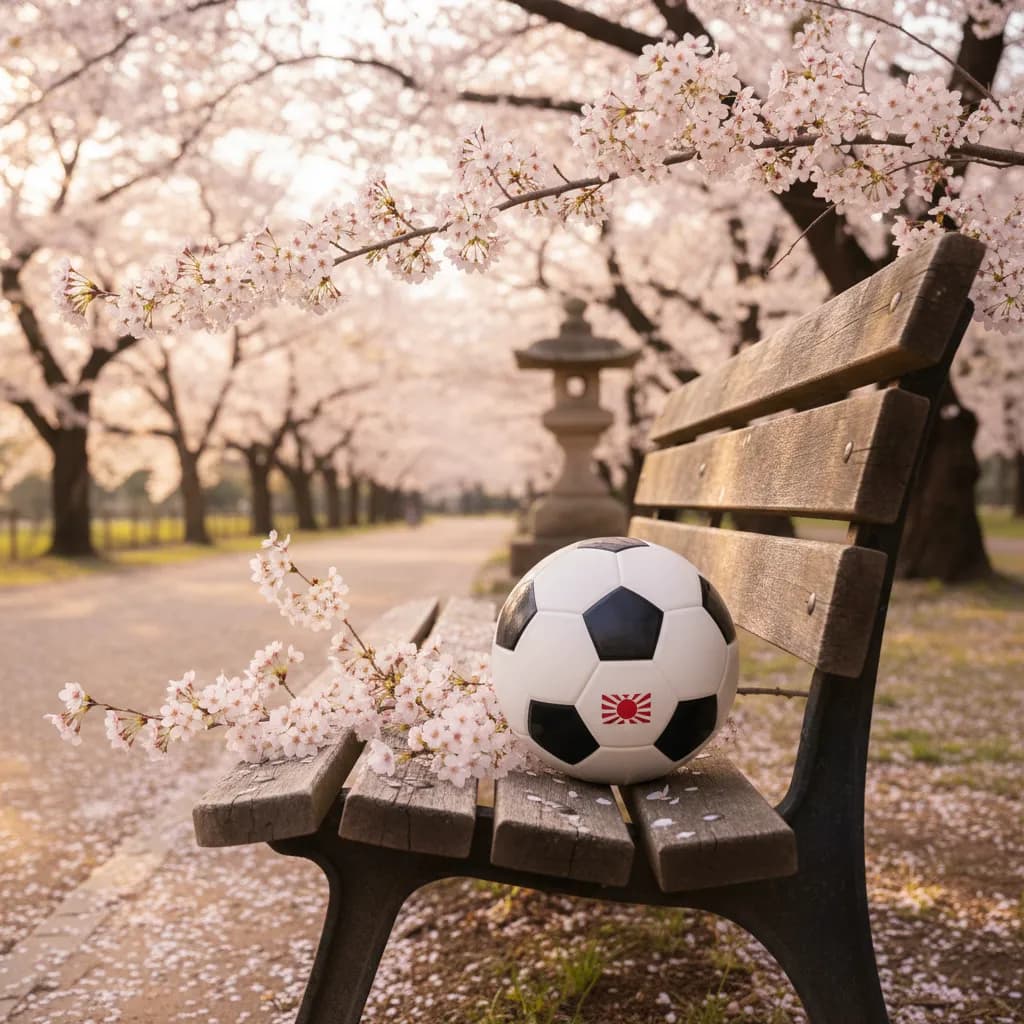
Japan's group-stage matches were played at Lumen Field in Seattle, and the Pacific Northwest's large Japanese-American community created an extraordinary home advantage. An estimated 30,000 Japanese fans attended each match, creating a wall of blue that rivaled the atmosphere at any home World Cup match. The fans' coordinated chants — including a new one written specifically for Ueda — added to the sense that Japan were playing a home tournament. Seattle's sushi restaurants reported record sales on match days, and the city's Japanese cultural center organized pre-match festivals that drew thousands.
Brazil Await in the Round of 32
Japan's reward for topping their group is a Round of 32 match against Brazil — a fixture that will test whether Japan's group-stage form can survive contact with genuine World Cup royalty. The matchup is fascinating: Japan's pressing against Brazil's technical quality, Kamada against Casemiro, Ueda against Marquinhos. Japan beat Germany but have never beaten Brazil in a competitive match. This is the kind of game that separates good World Cup campaigns from great ones. If Japan win, the quarterfinal — and the global recognition their football deserves — will be within reach.
A Country Dreaming Bigger Than Ever
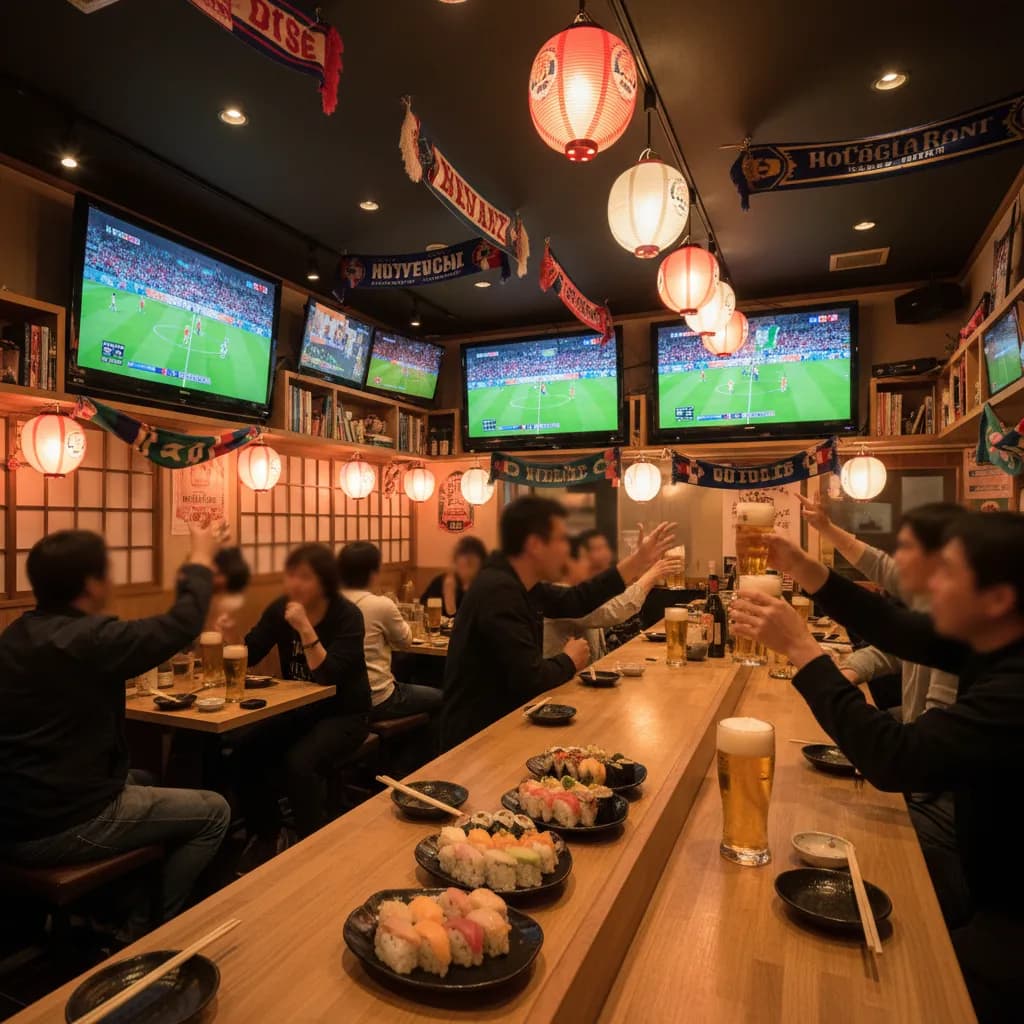
In Tokyo, Osaka, and Yokohama, the early-morning kickoff times (matches start between 4 AM and 7 AM local time) have not dampened enthusiasm. Viewing parties in sports bars, community centers, and public squares have been packed despite the unsociable hours. Japanese media have described this team as the best in the nation's history — a claim that is supported by the statistics but will be truly tested in the knockout rounds. For a nation that has always viewed football as a sport it was learning, the 2026 World Cup feels like the moment Japan stopped learning and started teaching.
Tags: World Cup 2026, Japan, golden generation, Daichi Kamada, Ayase Ueda, Lumen Field, Seattle, group stage, three wins, Brazil, knockout stage
Sources consulted: ESPN · FIFA · Al Jazeera
All trademarks, team names, league names, and player likenesses mentioned in this article are the property of their respective owners and are used here for informational and editorial purposes only.
Ask Karpo First
Want to find Japanese food near World Cup venues or follow Japan's knockout run? Ask Karpo for the latest Japan schedule, a guide to Seattle's Japantown, and the best ramen spots near Lumen Field.