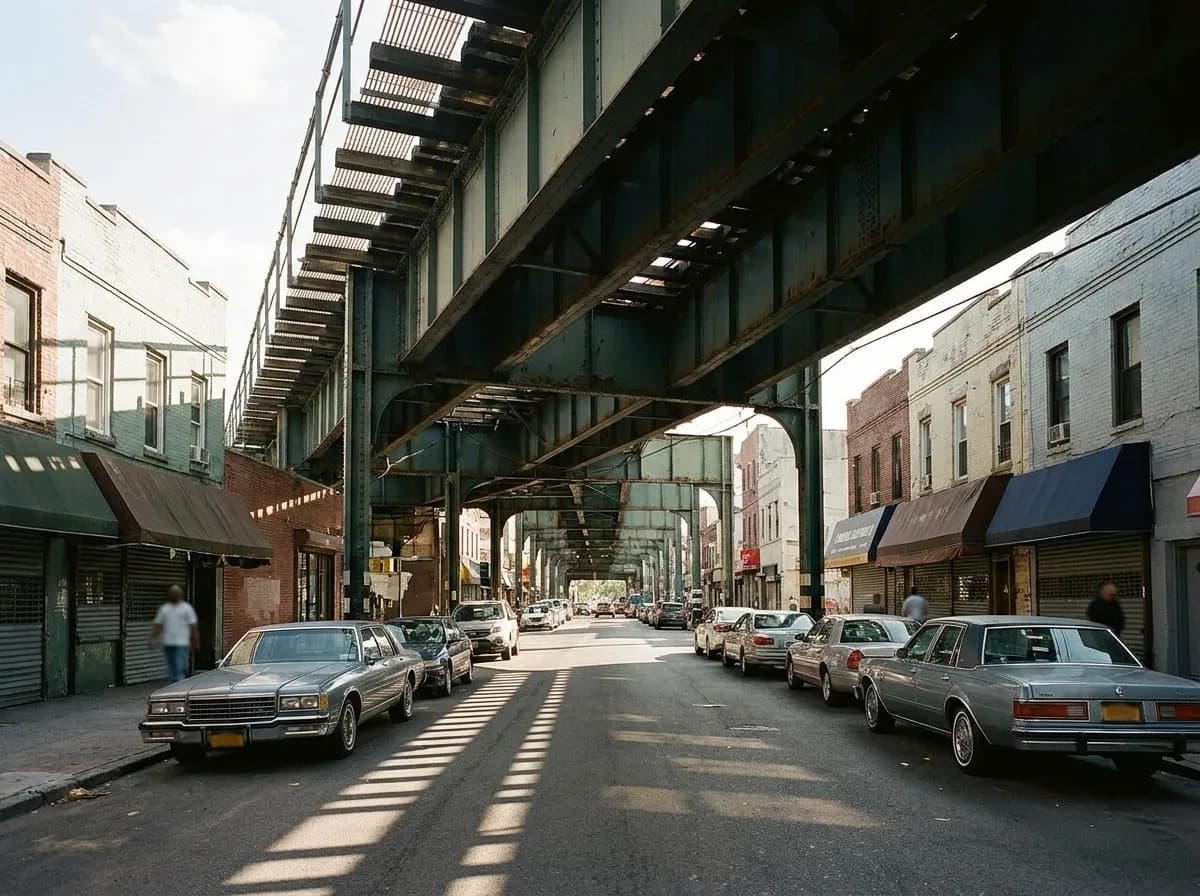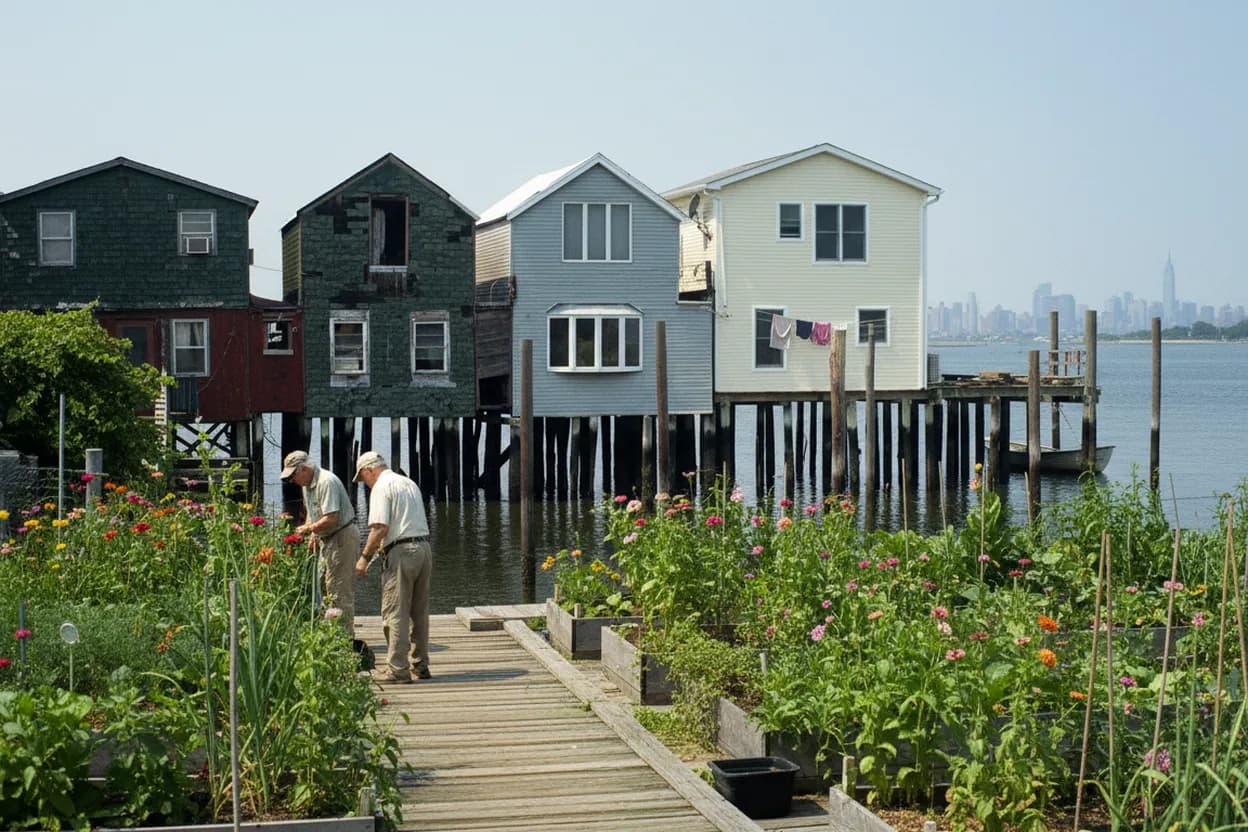
Jamaica Bay North Garden is best treated as a shorter decision inside Jamaica Bay Wildlife Refuge, not a separate full-day destination. For a Queens resident who wants birds, water, and a calmer morning with an older parent, the appeal is the ability to sample the refuge without committing to every pond, blind, and muddy edge. The National Park Service identifies the North and South Gardens as quieter, shaded areas off the West Pond Trail, while the wider refuge remains a major bird habitat. Go early, keep the plan modest, and assume your real constraint is comfort: heat, insects, restroom access, and transit reliability matter as much as sightings.
Want a quieter Jamaica Bay route matched to heat, mobility, and train timing? Text Karpo before leaving, and ask for a short North Garden plan with a same-morning backup.
Use Jamaica Bay North Garden As The Short Version Of The Refuge
The North Garden works because it narrows the Jamaica Bay Wildlife Refuge experience. NPS describes the full West Pond Trail as a two-hour outdoor commitment, with salt marshes, mudflats, shoreline, and woods along a wide gravel route. If that feels like too much, aim for the visitor center, a measured West Pond start, and the wooded garden spur. You still get bird habitat and bay context without turning the morning into an endurance outing.
This is not the right pick if someone expects manicured beds, formal labels, or a guaranteed close-up wildlife show. NYC Bird Alliance notes the North and South Gardens are now more like dense forest, vines, shrubs, and clearings than traditional gardens. That is the point: quieter, less staged, and more seasonal. The tradeoff is wayfinding and uneven attention; a short route can feel underwhelming if you arrive needing spectacle instead of decompression.
Start Jamaica Bay North Garden From The Visitor Center Side
The cleanest starting logic is the Jamaica Bay Wildlife Refuge Visitor Center, then the trail system behind it. NPS lists the refuge trails and parking lot as open daily from 6 a.m. to 9 p.m., while the visitor center is open Friday through Monday, 10 a.m. to 4 p.m. That split matters. An early morning walk may be better for heat and birds, but restrooms and ranger help depend on building hours.
For transit riders, NPS gives the official subway approach as the Rockaway-bound A train to Broad Channel, then a walk along Noel Road to Cross Bay Boulevard and about three quarters of a mile to the visitor center. The Q21 and Q53 are also listed as bus options. Because A service changes can affect Rockaway trips, verify same-day routing before leaving, especially with an older parent who should not absorb surprise transfer walks.
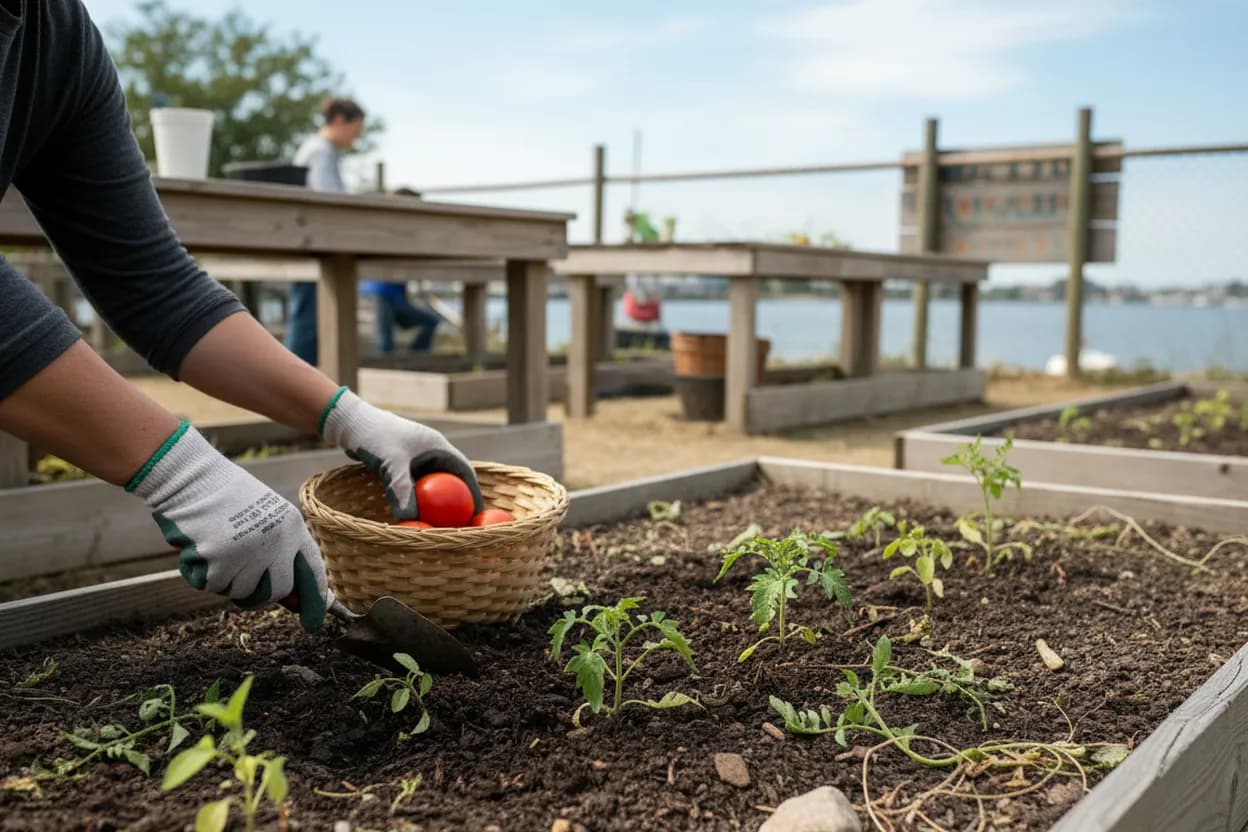
Keep The Jamaica Bay North Garden Pace Deliberately Small
A good early route is not the whole refuge. Budget time for the visitor center area, the first West Pond stretch, and the North Garden detour only if the group still feels steady. The North Garden sits where the trail has moved past bay-side salt marshes and the West Pond view drops away. That makes it useful as a shaded reset, but less useful if the main goal is constant open-water viewing.
Set a turnaround rule before the walk starts: if heat builds, insects are active, or footing feels tiring, return toward the visitor center rather than adding East Pond or Big John’s Pond. This is especially important with an older parent because benches, shade, bathrooms, and water are not evenly distributed in the field. The outing succeeds when everyone leaves relaxed, not when every named feature has been checked off.
Read Jamaica Bay North Garden For Birds Without Chasing Them
Jamaica Bay Wildlife Refuge has serious birding credentials, but this plan should stay low-pressure. NPS says more than 325 species have been recorded at the refuge in recent decades, and NYC Bird Alliance calls it excellent year-round for migration and wintering waterfowl. In the gardens, look and listen for songbirds, movement in shrubs, and activity around small clearings. Binoculars help, but patience matters more than chasing every sound.
The ethical failure mode is stepping off trail for a better view. NYC Bird Alliance specifically tells visitors to stay on the trail, and that advice fits the North Garden too. Dense vegetation can hide sensitive habitat, poison ivy, ticks, nesting areas, or soft ground. Keep voices low, let birds come into view, and skip playback. A short nature reset should leave the place quieter than you found it.
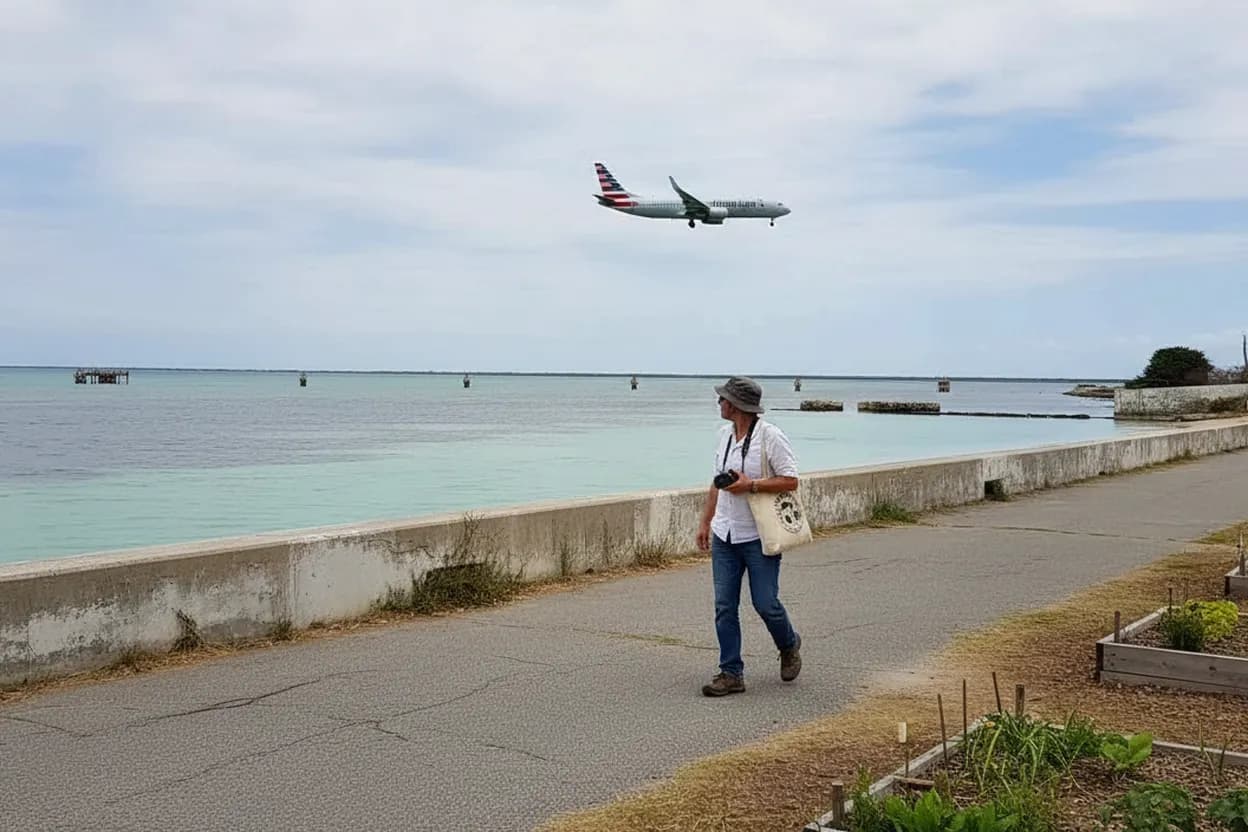
Match Jamaica Bay North Garden To A Breezy Morning
The weather slice matters here. A breezy morning before heat builds is the smart window because exposed sections of the West Pond route can feel hotter than the map suggests. NPS recommends insect repellent for the East Pond area from late spring through early fall, and that caution is sensible around brushy refuge paths too. Bring water, sun protection, and layers that can handle both bay wind and still wooded patches.
If the day turns humid, shorten the route instead of pushing through. The North Garden can provide a more serene, shaded feel than the open pond edge, but shade does not solve dehydration, biting insects, or fatigue. If someone is already uncomfortable at the visitor center, use the building, exhibits, or a brief overlook as the visit. The better decision is often a smaller walk with a cleaner ride home.
Plan Jamaica Bay North Garden Around Restrooms And Mobility Limits
Accessibility is partly confirmed and partly practical. NPS lists Jamaica Bay Wildlife Refuge amenities including wheelchair accessibility, drinking water, restrooms, benches, bicycle racks, and staff or information when available. The visitor center page says restrooms are available only when the building is open. For an older parent, that means Friday through Monday, 10 a.m. to 4 p.m., is the safer service window if restroom certainty matters more than early bird activity.
The trail choice still needs judgment. The West Pond route is described by NPS as wide gravel, while the garden areas are wooded and less formal in feel. Wheelchair-accessible amenities do not mean every spur is equally comfortable for every mobility device, cane, or knee. If walking tolerance is uncertain, stay close to the visitor center, confirm current trail conditions with rangers by phone, and avoid adding muddy or confusing side paths.
Verify Jamaica Bay North Garden Conditions Before Leaving Queens
Make one last check the same morning. Confirm Gateway operating hours, Jamaica Bay Wildlife Refuge visitor center hours, MTA A train status, and bus options before committing. NPS lists the visitor center phone as 718-318-4340, and Gateway’s general phone as 718-354-4606. If you need restroom access, ranger advice, binocular borrowing, or current trail conditions, call during posted visitor center hours rather than relying on old maps or third-party descriptions.
The backup logic is simple: if transit is messy, heat is rising, or the visitor center is closed when you need facilities, switch to a smaller neighborhood waterfront walk or postpone. If everything checks out, Jamaica Bay North Garden is a strong medium-difficulty choice for a decompressed early morning. Treat it as a quiet sample of Jamaica Bay Wildlife Refuge, not a conquest of the whole place, and it does its job well.
Tags: #JamaicaBayNorthGarden #JamaicaBayWildlifeRefuge #QueensNYC #NYCNature #NYCBirding #BroadChannel #WestPondTrail #GatewayNRA #HiddenGemsNYC #QuietNYC #TransitTrip #MorningWalk #AskKarpo #BeforeYouGo
Sources consulted: Source 1: nps.gov · Source 2: home.nps.gov · Source 3: home.nps.gov · Source 4: nycbirdalliance.org
All trademarks are the property of their respective owners.
Ask Karpo first
Tell Karpo your date, group size, budget, and starting neighborhood. We’ll check current access, timing, transit, and the cleanest plan for Jamaica Bay North Garden before you head out.