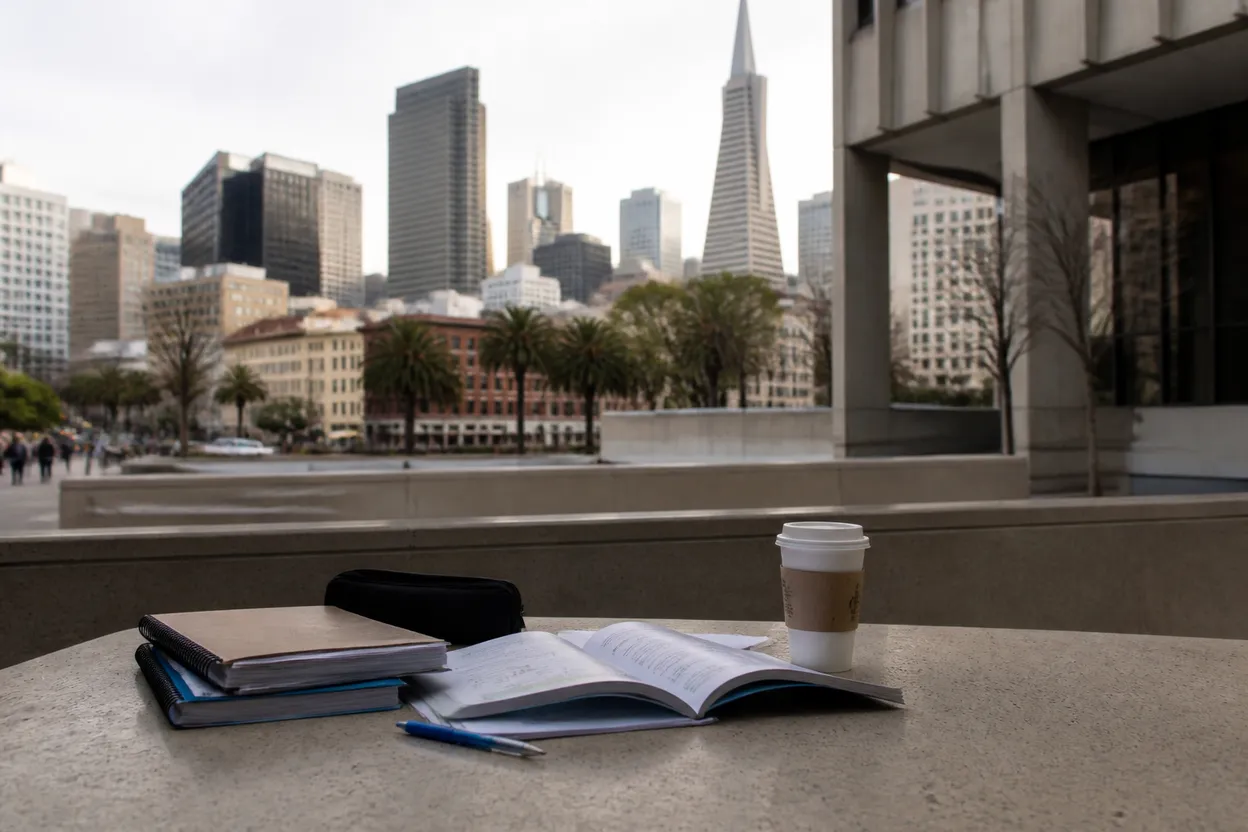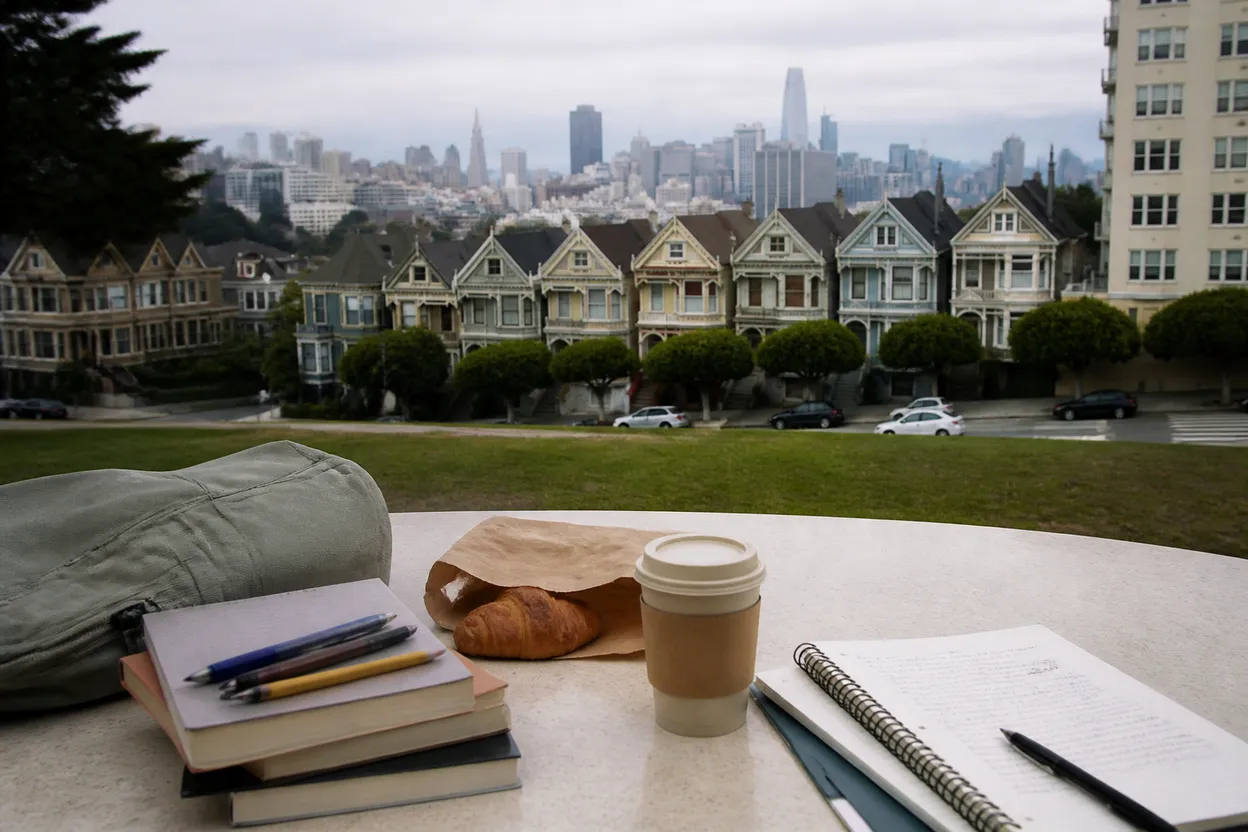
When a name like jacob lombard surfaces in a baseball conversation or social media thread, the impulse to search is immediate—but knowing whether the results are credible takes a different skill set entirely. For solo students tackling back-to-school research projects or parents guiding teen researchers through the noise of viral sports claims, San Francisco's public library network offers a grounded alternative to the endless scroll of unverified posts. This checklist walks through the practical steps of using branch locations, transit connections, and archival databases to cross-check statistics, compare publication dates, and distinguish official records from speculation. The goal is not to become an expert overnight, but to develop a repeatable process that fits into after-school hours, respects the need for quiet focus, and builds confidence in source evaluation—one search term at a time.
Text Karpo your SF starting point, available research time, and preferred library atmosphere for a Jacob Lombard source-checking route with one quieter backup stop.

Choosing Your Primary Research Branch and Mapping Transit
The Main Library at 100 Larkin Street anchors the system with extended weekday hours—open until 8 p.m. Tuesday through Thursday as of the official schedule—and houses the largest collection of sports reference materials, periodical archives, and database access terminals. For students living in the Mission or Noe Valley, the Mission branch at 1234 Valencia Street offers Tuesday-through-Thursday evening hours until 8 p.m., reducing travel time while still providing digital catalog access and interlibrary loan requests. The tradeoff is straightforward: Main delivers deeper archival holdings and more simultaneous database seats, while neighborhood branches offer shorter commutes and often less crowded study tables during the 3 p.m. to 6 p.m. after-school window.
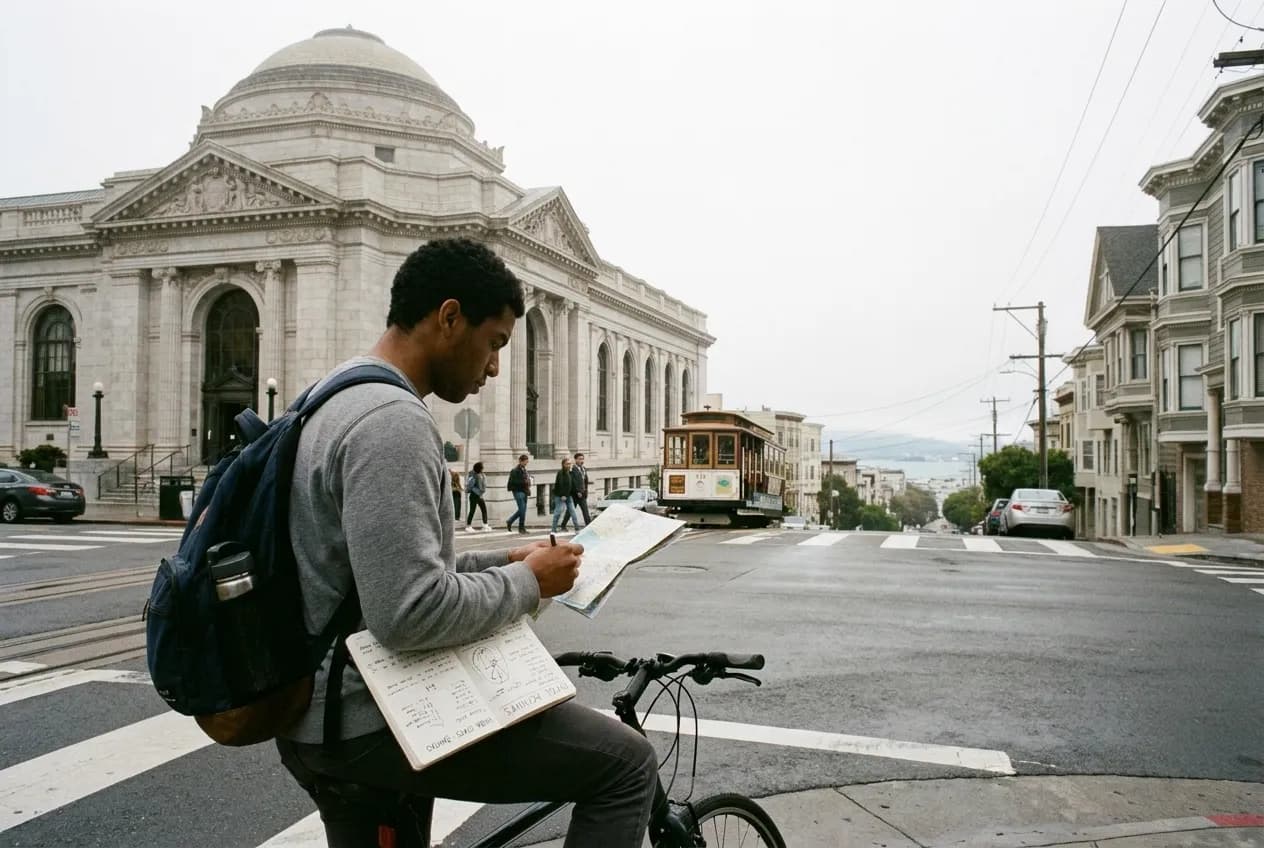
SFMTA's trip planner at sfmta.com/go allows you to compare Muni routes from your school or home address to your chosen branch, with options to filter by walk, bike, or transit. A solo researcher leaving a high school near the Embarcadero can reach Main via the F Market or multiple bus lines, while a parent-teen pair in the Sunset might find the N Judah to Civic Center faster than driving and hunting for street parking. Testing the route on a non-research day—noting which stops have sheltered seating, which transfers feel safest in late afternoon light—turns an abstract plan into a confident routine. The city's accessibility page confirms that all branch entrances accommodate wheelchairs and strollers, though elevator wait times and restroom proximity vary by building age.
Distinguishing Official Statistics from Aggregator Sites
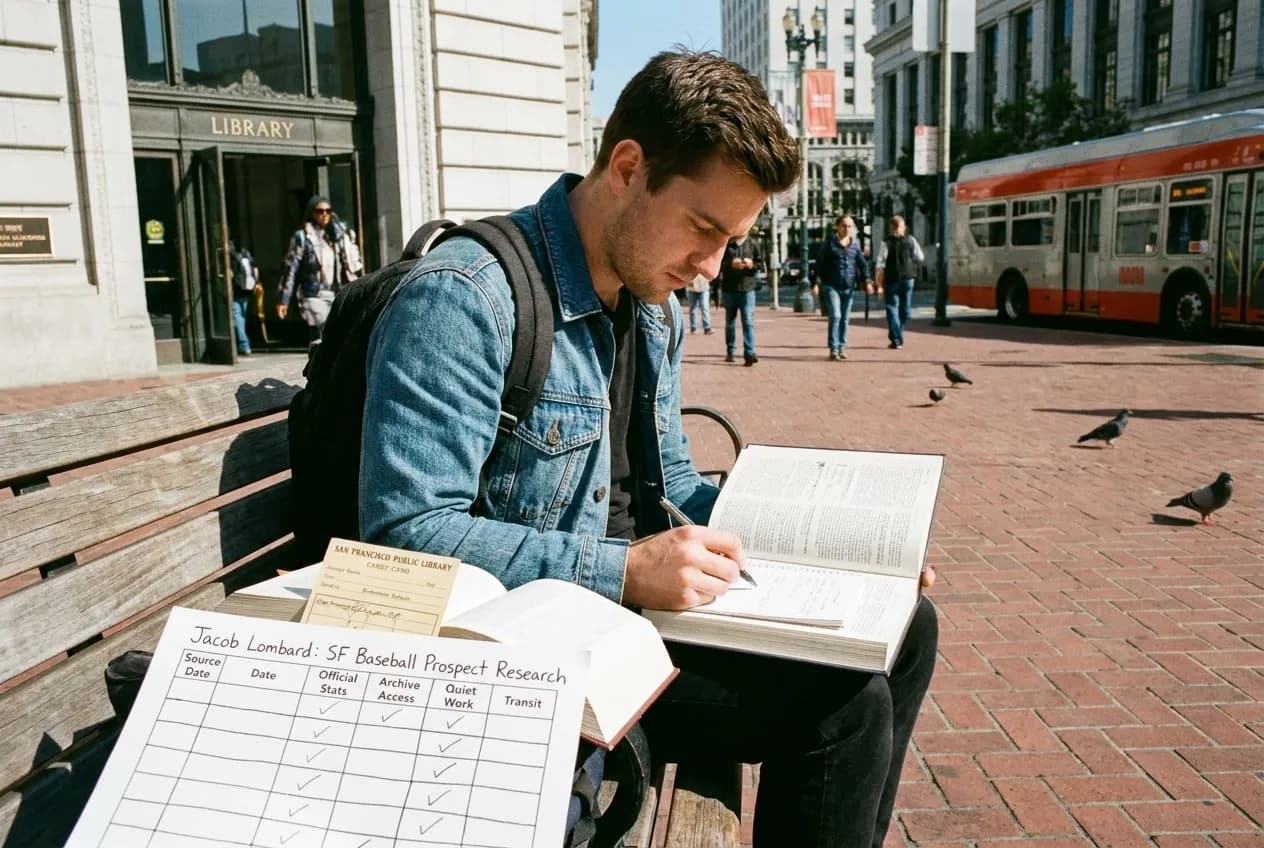
A baseball search that returns a player name, team affiliation, or career stat line may pull from league databases, fan wikis, sports betting platforms, or outdated roster pages—each with different update cycles and editorial oversight. Official sources include Major League Baseball's historical archives, minor league affiliate records published by leagues themselves, and college athletic department media guides stored in library microform collections or digital repositories. Aggregator sites and social platforms often remix these records without timestamps, making it unclear whether a statistic reflects a current season, a historical summary, or a projection. The verification step is to locate at least two independent sources with visible publication or update dates, then compare figures for consistency.
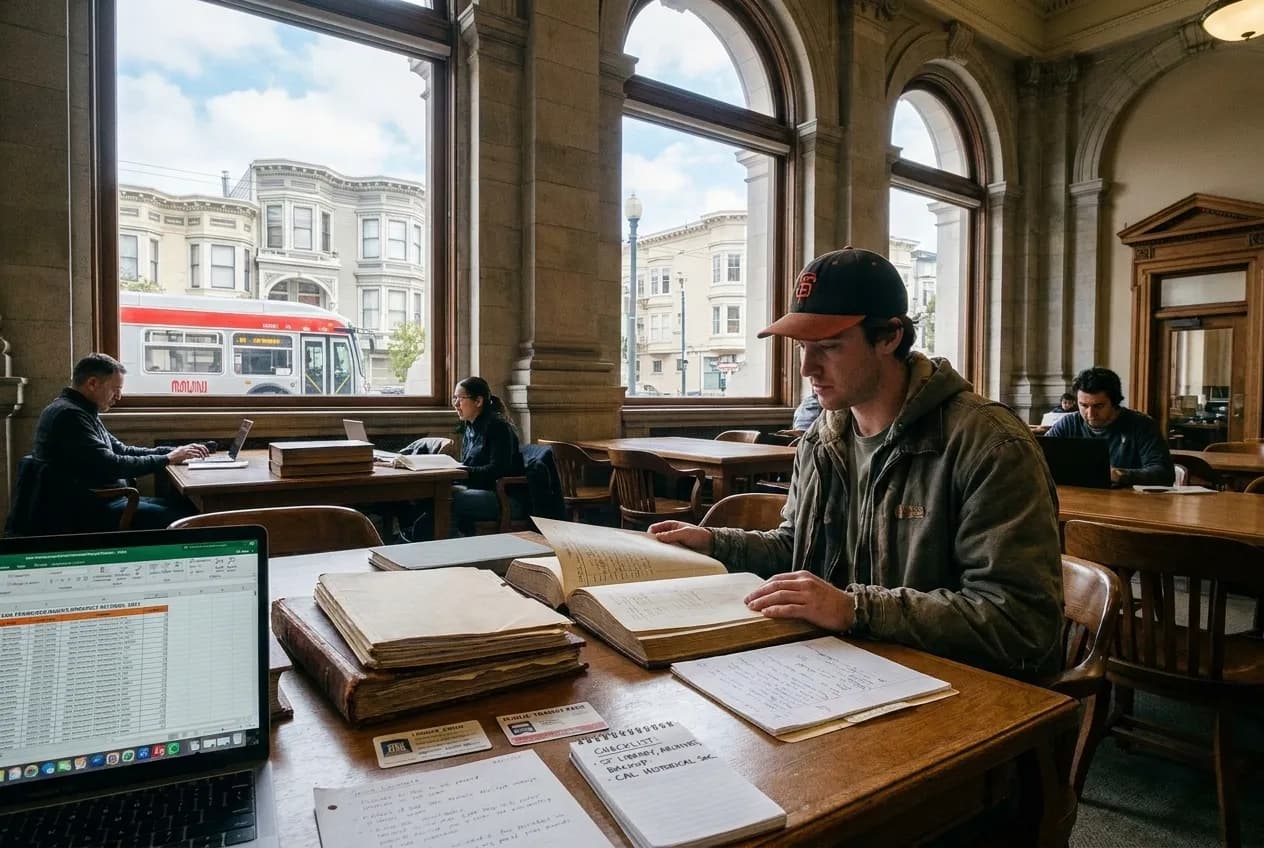
San Francisco Public Library's digital catalog provides remote access to newspaper archives—including the San Francisco Chronicle's historical database—and sports reference subscriptions that index box scores, draft records, and transaction logs by year. A researcher logged in with a library card can search a player name, filter results by date range, and download PDFs of original articles that show the context around a statistic: was it a season total, a career high, or a spring training exhibition? This process takes longer than copying the first search result, but it surfaces discrepancies—misspelled names, conflated players with similar surnames, or stats attributed to the wrong season—that a single-source approach would miss. The habit of checking two sources becomes muscle memory after three or four research sessions.
Evaluating Quiet-Work Conditions and Peak-Traffic Windows
Library research demands sustained attention, and not all branches offer the same acoustic environment or seating density during after-school hours. Main's third-floor reading room enforces a strict quiet policy and features individual study carrels with task lighting, but the ground-floor computer lab hums with group projects and phone conversations until closing. Mission Bay at 960 4th Street, open until 8 p.m. on Wednesdays, draws fewer high school students than Mission or Noe Valley, resulting in a calmer atmosphere but a smaller print periodical collection. A solo researcher sensitive to noise might prioritize a branch with a dedicated quiet zone, even if it means a longer commute, while a parent-teen pair working collaboratively may prefer a branch with adjacent seating and a more flexible sound policy.
Peak traffic typically runs from 3:30 p.m. to 5:30 p.m. on weekdays, when students arrive directly from school and before evening programs begin. Arriving at 2:45 p.m.—if a school schedule permits early dismissal or independent study periods—or delaying until 6 p.m. can secure a preferred seat and faster database login. Weekend hours shift the dynamic: most branches open at 10 a.m. Saturday and 1 p.m. Sunday, with Sunday afternoons often quieter than Saturday mornings. Testing both windows over two weekends reveals personal preference and helps a researcher decide whether to consolidate work into one longer Saturday session or split tasks across two shorter Sunday visits.
Cross-Referencing Publication Dates and Archive Layers
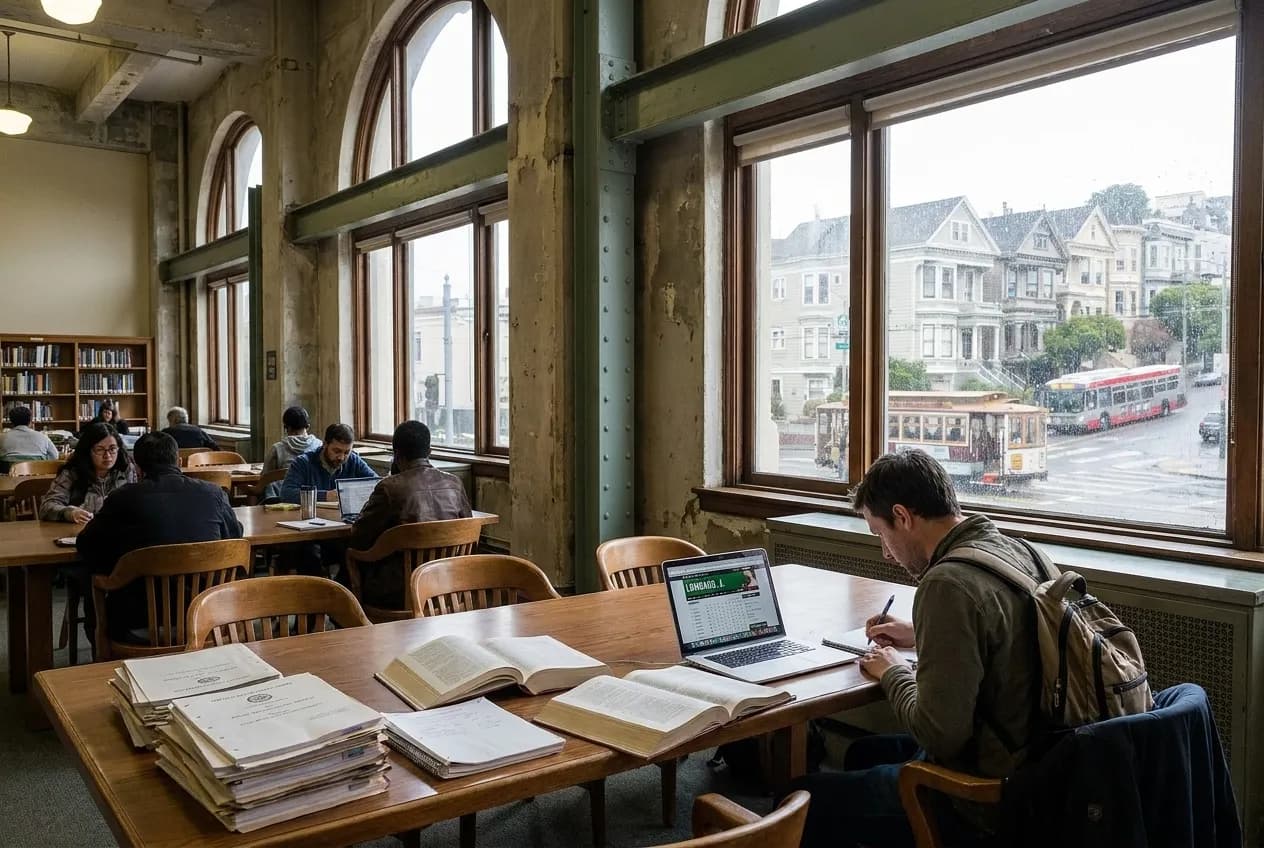
A credible sports record includes not just a number but a timestamp: the season, the date of the game, and ideally the source that first published the statistic. When a search result lists a player's batting average or draft position without a year, the researcher must trace backward—checking the URL for a publication date, scanning the page footer for a "last updated" stamp, or searching the player name alongside a known event (a championship, a trade, a college tournament) to triangulate the timeframe. Library databases often display a "coverage dates" field in the search interface, showing whether a particular newspaper archive runs from 1980 to 2010 or includes only the past five years. Matching the coverage window to the research question prevents wasted clicks on sources that cannot possibly contain the needed information.
Microform collections—rolls of microfilm or microfiche storing decades of local and national sports pages—require a different workflow. A researcher identifies the publication and date range, requests the reel from the reference desk, threads it into a reader, and manually scrolls to the correct issue. This analog step feels slow compared to keyword search, but it surfaces adjacent articles, box scores, and editorial commentary that digital indexes might not tag. A high school student researching a 1990s minor league team may discover a feature story two pages away from the target box score, adding narrative context that strengthens a bibliography. The tradeoff is time: microform review suits a deep-dive project more than a quick fact-check, so researchers should allocate at least 45 minutes per reel and plan accordingly.
Identifying a Backup Research Stop and Contingency Routes
Even well-planned library visits encounter obstacles: a database goes offline for maintenance, a branch closes early for staff training, or a reserved study room is double-booked. Designating a backup location—ideally on the same transit line or within a 15-minute walk—turns a disruption into a minor detour rather than a lost afternoon. For a researcher based near Main, the Asian Art Museum's reading room (also at Civic Center) offers free Wi-Fi and seating during public hours, though it lacks sports-specific databases. A student working at Mission branch might list Noe Valley (451 Jersey Street, open until 8 p.m. on Tuesdays and Wednesdays) as a secondary option, checking both branch hours before leaving home to confirm neither has a posted closure.
Contingency routes matter when Muni delays or street closures disrupt the primary path. SFMTA's real-time alerts, available by subscription or on the homepage, flag service changes at least 48 hours in advance for planned work and within minutes for unplanned incidents. A researcher can bookmark two or three alternate routes in the trip planner—one using a different bus line, one combining walking and light rail, one relying on bike share if the weather cooperates—and choose the best option based on the day's alert feed. This redundancy reduces the anxiety of a single point of failure and reinforces the broader lesson of the checklist: reliable research is not about perfection, but about having a process that adapts when conditions shift.
Tags: #SanFranciscolibraries #backtoschoolresearch #sourceverification #baseballstatistics #publiclibrarysystem #studentresearchtips #SFMTAtransit #archiveaccess #factcheckingguide #solostudy #afterschoolresources #sportsrecords
Sources consulted: Source 1: sf.gov · Source 2: sfmta.com · Source 3: sfpl.org · Source 4: sf.gov
All trademarks are the property of their respective owners.
Ask Karpo first
Ask Karpo to turn this San Francisco idea into a current plan for your date, budget, companion, transit preference, and energy level. Karpo can narrow the route and flag what to verify before you go.