 Where to Eat Near Penn Station That Isn't a Chain
US Open 2026
Jacob Batalon Hawaiian Food: NYC Poke Bowls Near 2026 Open
A practical guide to Hawaiian poke bowls, açaí cafés, and tropical-inspired plates along the 7 train corridor before, during…
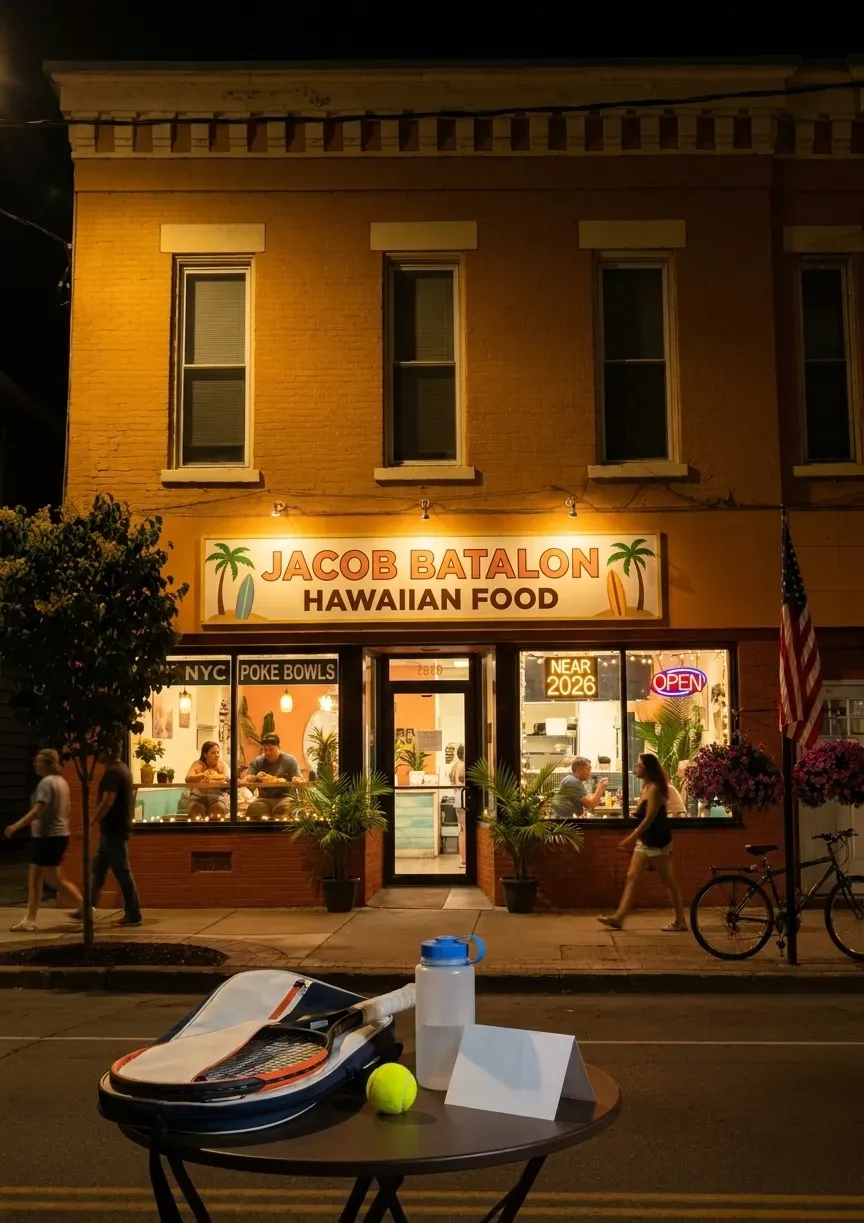
Jacob Batalon's name trends for many reasons—roles, interviews, red carpets—but for New York visitors planning around the 2026 US Open, the real question is simpler: where do you find a satisfying Hawaiian poke bowl, a cold açaí bowl, or a plate of kalua pork near Flushing Meadows Corona Park when you're navigating the 7 train corridor between sessions? The US Open runs late August through early September, drawing hundreds of thousands of tennis fans to Queens, and the neighborhood's dining landscape—especially its growing roster of Hawaiian-inspired and Pacific Rim cafés—offers a practical, refreshing counterpoint to stadium concessions and sit-down restaurants. This guide maps out how to fold Hawaiian cuisine into your US Open routine, whether you're catching an early match, killing time between sessions, or winding down after night tennis under the lights.
Text Karpo with your US Open session time and Queens starting point, and we’ll turn this Hawaiian cuisine into a practical local plan.
Why Hawaiian Food Fits the US Open Rhythm
Hawaiian cuisine—poke bowls, musubi, loco moco, shave ice, açaí—is built for grab-and-go flexibility and outdoor eating, which aligns perfectly with the US Open's long days and unpredictable match schedules. The tournament's official visitor guide permits outside food in soft-sided containers, so a poke bowl packed in a compliant bag can be your courtside lunch. Even if you prefer to eat before entering the grounds, Hawaiian spots along the 7 train corridor in Flushing, Jackson Heights, and Woodside offer quick counter service, generous portions, and flavors that feel lighter than fried stadium fare. The tropical vibe—soy-ginger marinades, sesame oil, fresh greens, pineapple—also suits late-summer heat, especially when you're walking the park's open plazas or waiting in line for Arthur Ashe Stadium.
Poke Bowl Geography Along the 7 Train
The 7 train is the official US Open transit artery, and several stops between Manhattan and Flushing host Hawaiian or Pacific-inspired fast-casual spots. Flushing's downtown core, a short walk or shuttle ride from Mets–Willets Point station, has seen an uptick in poke counters and build-your-own bowl cafés, many tucked into food courts or sharing storefronts with bubble tea shops. Jackson Heights, two stops west, offers a smaller but eclectic dining scene where Hawaiian poke sometimes shares menu space with Latin American ceviche or Filipino kinilaw. Woodside and Sunnyside, closer to Manhattan, have a handful of health-focused cafés that feature açaí bowls and poke as part of broader wellness menus. Because the 7 runs express and local service, you can hop off at any stop, grab a bowl, and catch the next train to Mets–Willets Point without adding much time to your journey.

What to Look for in a Queens Poke Bowl
Not all poke bowls are created equal, and Queens' diversity means you'll encounter Hawaiian-style poke, Japanese chirashi-inspired bowls, Korean bibimbap hybrids, and mainland fast-casual interpretations. Classic Hawaiian poke starts with cubed raw ahi or salmon, soy sauce, sesame oil, green onion, and sometimes limu (seaweed) or inamona (roasted kukui nut). Many Queens spots let you build your own: choose a base (white rice, brown rice, mixed greens, or half-and-half), a protein (tuna, salmon, tofu, shrimp), mix-ins (edamame, cucumber, avocado, mango, seaweed salad), and a sauce (ponzu, spicy mayo, ginger-soy, wasabi aioli). Portion sizes tend to be generous—a regular bowl is often enough for lunch and a snack—and prices typically range from twelve to eighteen dollars, depending on protein and toppings. If you're new to poke, ask the counter staff for recommendations; many are happy to steer you toward combinations that balance richness, acidity, and crunch.
Timing Your Meal Around Match Schedules
The US Open's official event schedule posts session times months in advance, but exact match start times within each session remain fluid. Day sessions typically begin at 11 a.m., night sessions at 7 p.m., and some days feature both. If you're attending a day session, consider an early breakfast or mid-morning poke bowl in Flushing before heading to the grounds; many cafés open by 10 or the posted time For night sessions, a late-afternoon bowl in Jackson Heights or Woodside gives you fuel without the heaviness of a full dinner, and you can still grab a snack inside the venue. Between sessions—if you're holding tickets for both day and night, or if rain delays push matches late—stepping out to a nearby café for a fresh bowl and a walk around Corona Plaza or the Queens Museum can reset your energy better than circling the food court.
Beyond Poke: Musubi, Shave Ice, and Açaí
Hawaiian cuisine extends beyond poke, and a few Queens spots offer musubi (grilled Spam or tofu wrapped in rice and nori), loco moco (rice, hamburger patty, fried egg, gravy), and kalua pork plates. Musubi is especially portable—individually wrapped, easy to eat on the train or in the park, and filling enough to tide you over between matches. Shave ice, Hawaii's answer to Italian ice or snow cones, appears at some Flushing dessert counters and food trucks during summer; look for versions with condensed milk, fruit syrups, and mochi toppings. Açaí bowls, while Brazilian in origin, have become a staple of Hawaiian café menus and Queens health-food spots alike. Topped with granola, banana, honey, and coconut flakes, they're a lighter option for breakfast or a post-match treat. If you're exploring the neighborhood before or after your session, these smaller bites let you sample more of the corridor's flavors without committing to a full sit-down meal.
Pairing Hawaiian Stops with Other Queens Errands
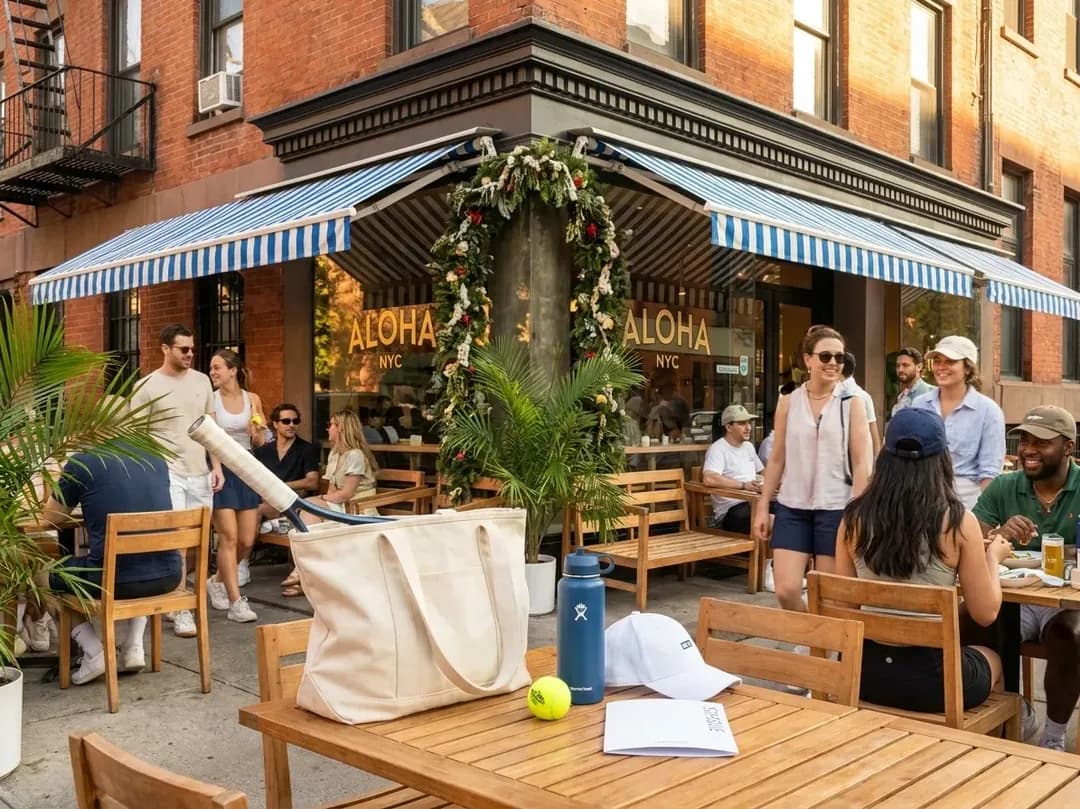
The 7 train corridor is dense with non-food attractions, and a poke-bowl stop can anchor a broader Queens itinerary. The Queens Museum, a short walk from Mets–Willets Point, houses the Panorama of the City of New York and rotating contemporary art exhibitions; admission is suggested-donation, and the museum café offers light snacks. The Unisphere, the park's iconic steel globe, is a quick photo op and a shaded rest spot. Flushing's downtown has bookstores, bubble tea shops, and Asian bakeries where you can pick up snacks for later. Jackson Heights' 82nd Street corridor features South Asian sweets shops, Colombian bakeries, and vintage clothing stores. If you're staying in Long Island City or Astoria, both neighborhoods have their own Hawaiian or poke-adjacent cafés, plus waterfront parks, breweries, and galleries that make for pleasant pre- or post-tournament detours. The MTA's official US Open transit guide includes service updates and alternative routes, which is helpful if you're planning multi-stop days.
Practical Notes for First-Time Visitors
If you're new to Queens or the US Open, a few logistical details smooth the experience. The Mets–Willets Point station is an outdoor platform, so dress for sun or rain. The walk from the station to the tournament gates takes about ten minutes, and the path is well-signed. Outside food is allowed, but the official prohibited-items guide bans glass, large coolers, and backpacks over a certain size; a soft lunch bag with a poke bowl, fruit, and a reusable water bottle is compliant. Many Hawaiian cafés along the 7 train offer online ordering or call-ahead pickup, which saves counter wait time during lunch rushes. If you're attending multiple days, varying your poke spot—Flushing one day, Jackson Heights the next—keeps the routine fresh and lets you explore different blocks. NYC Health's food-safety resources provide inspection grades for restaurants, which you can check via the city's online database if you want extra confidence in your choice.
Jacob Batalon's name may draw you to a search, but the real discovery is how well Hawaiian food fits into a Queens day built around tennis, transit, and neighborhood exploration. Poke bowls, musubi, and shave ice offer the portability, flavor, and lightness that long tournament days demand, and the 7 train corridor delivers enough variety to keep every meal interesting. Whether you're a local looking to refresh your US Open routine or a visitor planning your first trip to Flushing Meadows, folding Hawaiian cuisine into your schedule turns a practical need—where to eat—into a small, flavorful adventure.
Tags: #USOpen2026 #Queens #FlushingMeadows #KarpoFinds #Karpo #jacobbatalon #NewYorkLocal #TennisTravel #NYCLocalLife #TennisTravel
Sources consulted: usopen.org — Official event schedule · usopen.org — Official visitor A-Z guide · usopen.org — Official transportation directions · usopen.org — Official prohibited-items guide · MTA — Official US Open transit guide · NYC Parks — Flushing Meadows Corona Park · NYC Tourism — Queens · NYC Health — Food Safety
All trademarks are the property of their respective owners.
Ask Karpo first
Want to know what is actually open, how to time the trip, and where to pause around Queens? Ask Karpo for the latest public US Open context, a respectful visitor plan, and a live route around Flushing Meadows before you head out.
Ask Karpo for more information.
Keep reading
- Where to Eat Near Penn Station That Isn't a Chain
 Andytown Coffee in the Outer Sunset: The Snowy Plover Explained
- Best Things to Do in Chicago: What the City Gives Away