 Where to Eat Near Penn Station That Isn't a Chain
US Open 2026
IRGC Commander Ahmad Vahidi Remarks International News Cafes US Open
Use a global-news search hook as a smarter way to plan calm, informed Queens routines around the 2026 US Open.
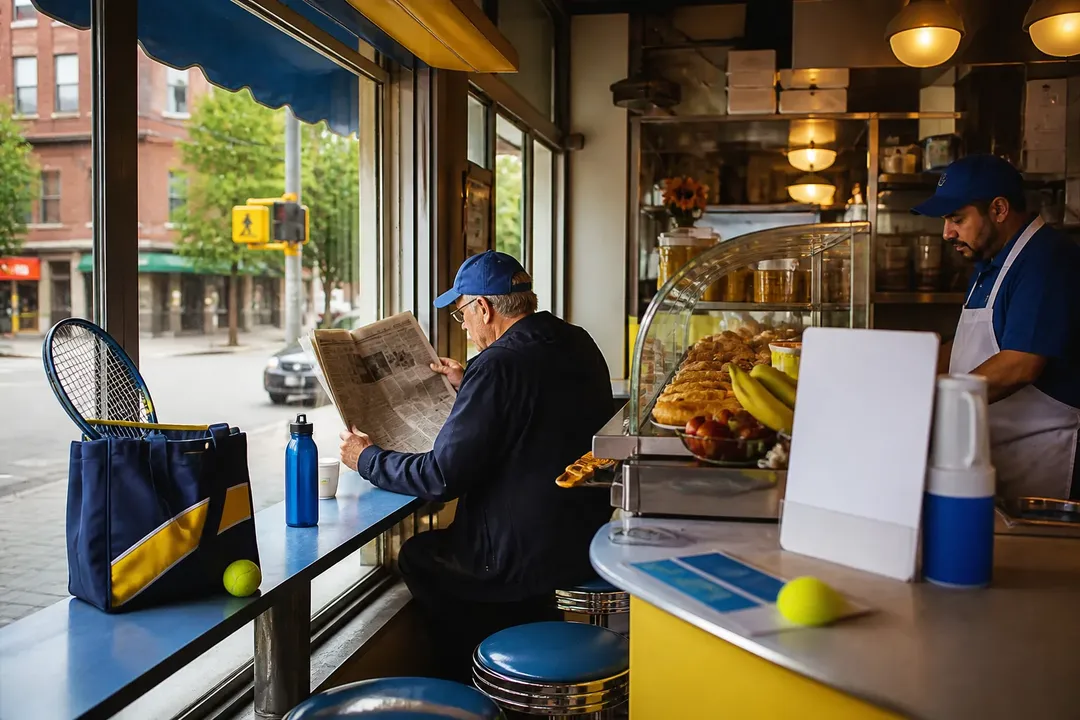
“IRGC Commander Ahmad Vahidi remarks” may look like a hard-news search phrase, not a tennis-trip prompt. But for international visitors coming to the 2026 US Open, that kind of headline is a useful reminder: a New York match day often sits inside a wider news day. You may want a quiet cafe before a session, a place to scan foreign press, a reliable transit plan from a Queens hotel, or a calm stop where your group can catch up on global updates without turning the whole day into phone-scrolling. Around Flushing Meadows, the 7 train corridor gives you a practical local-life map: tennis at the USTA Billie Jean King National Tennis Center, food and neighborhood errands in Flushing, multilingual energy in Jackson Heights and Corona, hotel routines in Long Island City, and post-match decompression in Astoria.
Text Karpo with your US Open session time and Queens starting point, and we’ll turn this Global news reading rooms and foreign press newsstands in Queens for international tennis visitors seeking updates into a practical local plan.
Start With The Official US Open Frame
Before choosing a cafe, bookstore, newsstand, bar, museum, or walking loop, anchor the day in the official US Open schedule. The event schedule is the only place you should treat as your baseline for session structure, grounds timing, and the rhythm of the tournament. Build your local plan around that, then check the visitor A-Z guide and prohibited-items guide before packing a bag. This matters more than it sounds: if you are trying to fit a breakfast news catch-up, a 7 train ride, security entry, match time, and dinner in Queens into one day, small assumptions can create unnecessary stress.
Think in blocks. First, your pre-tennis block: hotel, breakfast, news, coffee, and transit. Second, the venue block: arrival, entry, match, food, restroom, merchandise, and breaks. Third, the post-tennis block: subway, dinner, walk, museum-adjacent pause, or a quieter ride back toward Long Island City or Manhattan. The more international your group is, the more useful it is to agree on a single meeting point and a single news-check moment instead of letting everyone drift into separate feeds all afternoon.
Use The 7 Train Corridor Like A Local
For US Open visitors, the 7 train corridor is the cleanest mental model for Queens. The MTA’s official US Open transit guide should be your starting point for public transportation planning, especially because station guidance, event crowd patterns, and service details can change. The practical idea is simple: the 7 train links Midtown, Long Island City, Sunnyside, Woodside, Jackson Heights, Corona, Mets-Willets Point, and Flushing. That gives visitors a useful spine for food, hotels, news browsing, and neighborhood pauses.
If your group is staying in Long Island City, you may have a straightforward pre-match routine: coffee near the hotel, a quick check of international headlines, then the train east. If you are starting in Jackson Heights or Corona, build in time for a neighborhood snack or deli stop before continuing toward the tennis grounds. If you are starting in Flushing, you are close to the action but still need to treat venue entry as its own step, not an afterthought. Citi Field is nearby, and the broader park area can feel busy during major event windows, so keep your plan simple and confirm official transit guidance close to the day.
Where News Fits Into A Match Day
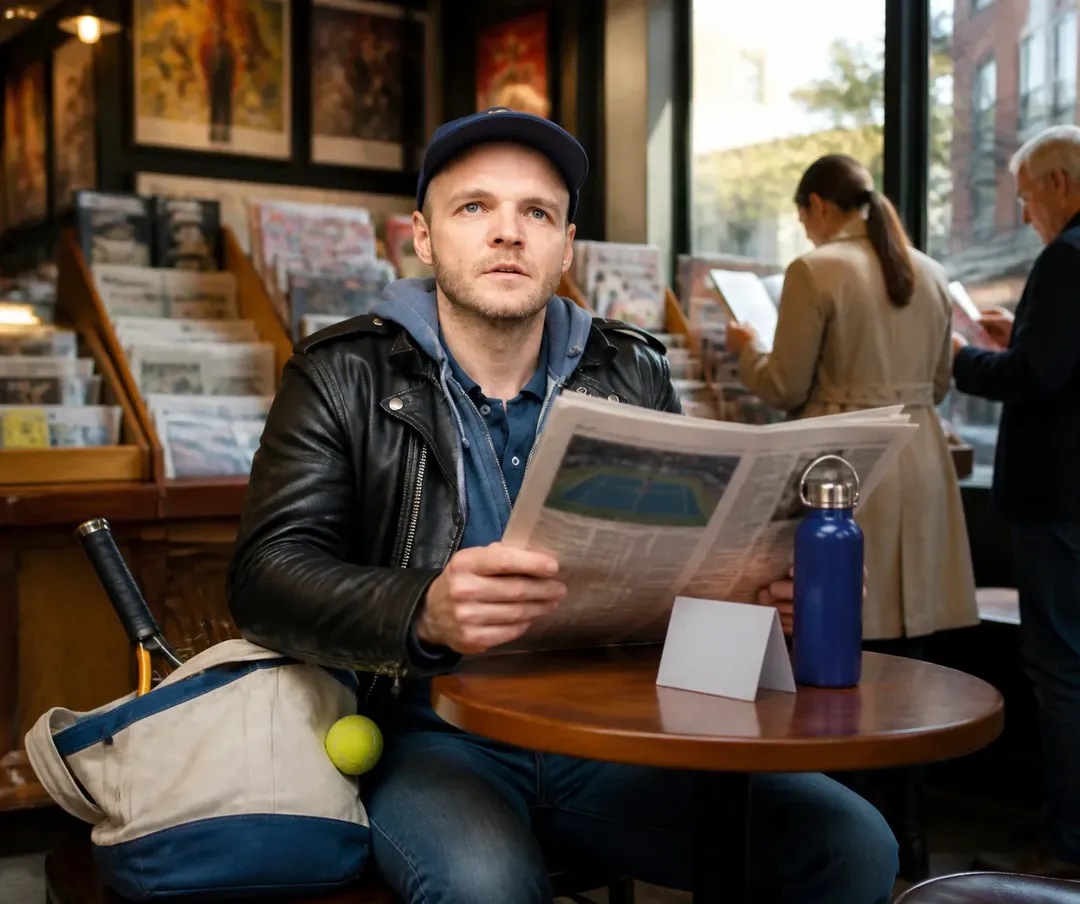
A global-news reading room does not have to be formal. In Queens, it can mean a quiet hotel lobby, a cafe table with strong Wi-Fi, a bookstore browse, a neighborhood newsstand, or a calm bar before the evening crowd builds. For visitors following international politics, markets, culture, or home-country headlines, the goal is not to chase every update. The goal is to create a respectful, low-friction moment to get informed, then return to the day.
That is where the title’s keyword becomes useful without turning into a claim about what is happening now. If someone in your group is tracking international coverage around Iranian politics or military leadership commentary, plan a dedicated news stop before or after the session. Keep it location-based: “We’ll check headlines over coffee in Long Island City,” or “We’ll browse foreign-language papers before dinner in Flushing,” or “We’ll use Jackson Heights as our food-and-news pause.” This keeps the trip grounded in real local movement instead of reactive scrolling outside the stadium gates.
Queens Neighborhoods To Consider
Flushing is the most obvious local-life anchor near the US Open. It is dense, fast-moving, and full of food options, with a strong international feel that can be valuable for visitors who want more than a stadium-only experience. It is also a place where you should check individual business sources close to your visit, because hours, waits, menus, and seating can vary. Treat Flushing as a strong pre- or post-session option when your group is comfortable with crowds and quick decisions.
Jackson Heights is useful when your group wants a wider Queens view. It is known for multilingual streets, food variety, and the everyday rhythm of residents moving between errands, transit, and meals. Corona keeps you close to Flushing Meadows Corona Park and can work well for a simple bite or neighborhood walk when the plan is not too ambitious. Long Island City is often easier for hotel routines, skyline views, galleries, and a more decompressed start or finish. Astoria can be a good evening choice for bars and restaurants if your group wants to step away from the immediate tournament corridor.
Build A Cafe And Press-Stop Routine
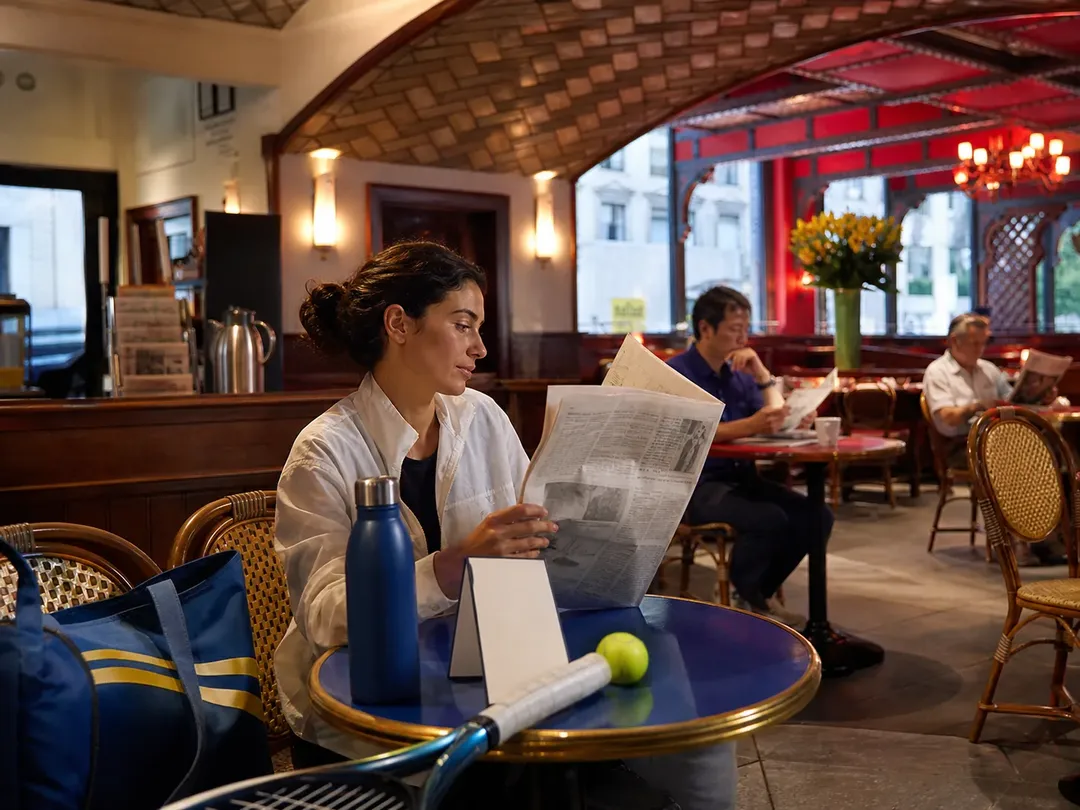
A good US Open news routine has three parts: a place to sit, a way to verify information, and a clean exit plan. Choose a cafe, hotel lounge, bookstore, deli counter, or bar based on where you already need to be, not because it sounds perfect online. For a morning session, that may mean reading headlines near your hotel and heading straight to transit. For an evening session, it may mean a late lunch in Flushing, a brief walk, then venue entry. For a full-day grounds plan, keep the news stop early so it does not compete with match time.
If foreign press matters to your group, search close to the trip for current bookstores, newsstands, libraries, cultural centers, and cafes along your actual route. Do not assume a specific publication, language selection, seating policy, or opening hour without checking. Queens changes block by block, and the best plan is usually the one that respects real-time business information while keeping the route easy.
Food, Parks, Museums, And Breathing Room
Flushing Meadows Corona Park is not just background scenery. NYC Parks describes it as one of Queens’ major public spaces, and it can give visitors a valuable sense of place around the tennis complex. Depending on your schedule, you might add a short park walk, a museum visit, or a public-art moment, but keep the plan modest. On a US Open day, the win is not seeing every landmark. The win is arriving with enough energy to enjoy the match and still feel like you touched New York beyond the stadium.
For food, use NYC Health’s food safety resources as a reminder to make sensible choices and check current business information. Queens is one of New York’s best boroughs for eating across cultures, but no guide should promise a specific restaurant experience without current verification. Build a shortlist by neighborhood, then check hours, reservations, recent notices, and transit distance close to the visit. If your group includes older relatives, children, jet-lagged travelers, or people carrying bags, choose convenience over cleverness.
Practical Notes
- Check the official US Open schedule before setting any cafe, museum, or dinner plan.
- Use the US Open visitor A-Z guide and prohibited-items guide before packing for the venue.
- Use the MTA’s official US Open transit guide close to your travel date, especially for 7 train planning.
- Confirm current hours, seating, menus, and availability directly with cafes, bookstores, newsstands, museums, bars, and restaurants.
- Keep one clear meeting point for your group before entering the tennis grounds and one after leaving.
- Treat Flushing, Corona, Jackson Heights, Long Island City, and Astoria as different planning zones, not interchangeable stops.
- Leave room for security, walking, crowds, and decision fatigue; a simple Queens plan usually beats an overpacked one.
A Smart Visitor Plan
The best version of this day feels informed but not consumed by the news. Read what matters, check your route, eat something good, and give Flushing Meadows the focus it deserves. International visitors often try to solve too many problems at once: tennis tickets, family logistics, foreign headlines, neighborhood food, transit, luggage, and jet lag. Karpo’s local-life approach is to turn those moving parts into a short, realistic plan tied to your actual session time and starting point.
Use official sources for the hard facts. Use Queens neighborhoods for texture. Use a cafe or reading stop as a pause, not the whole itinerary. Then let the US Open be the center of the day.
Tags: #USOpen2026 #Queens #FlushingMeadows #KarpoFinds #Karpo #irgccommanderahmadvahidiremark #NewYorkLocal #TennisTravel #NYCLocalLife #TennisTravel
Sources consulted: usopen.org — Official event schedule · usopen.org — Official visitor A-Z guide · usopen.org — Official transportation directions · usopen.org — Official prohibited-items guide · MTA — Official US Open transit guide · NYC Parks — Flushing Meadows Corona Park · NYC Tourism — Queens · NYC Health — Food Safety
All trademarks are the property of their respective owners.
Ask Karpo first
Want to know what is actually open, how to time the trip, and where to pause around Queens? Ask Karpo for the latest public US Open context, a respectful visitor plan, and a live route around Flushing Meadows before you head out.
Ask Karpo for more information.
Keep reading
- Where to Eat Near Penn Station That Isn't a Chain
 Andytown Coffee in the Outer Sunset: The Snowy Plover Explained
- Best Things to Do in Chicago: What the City Gives Away