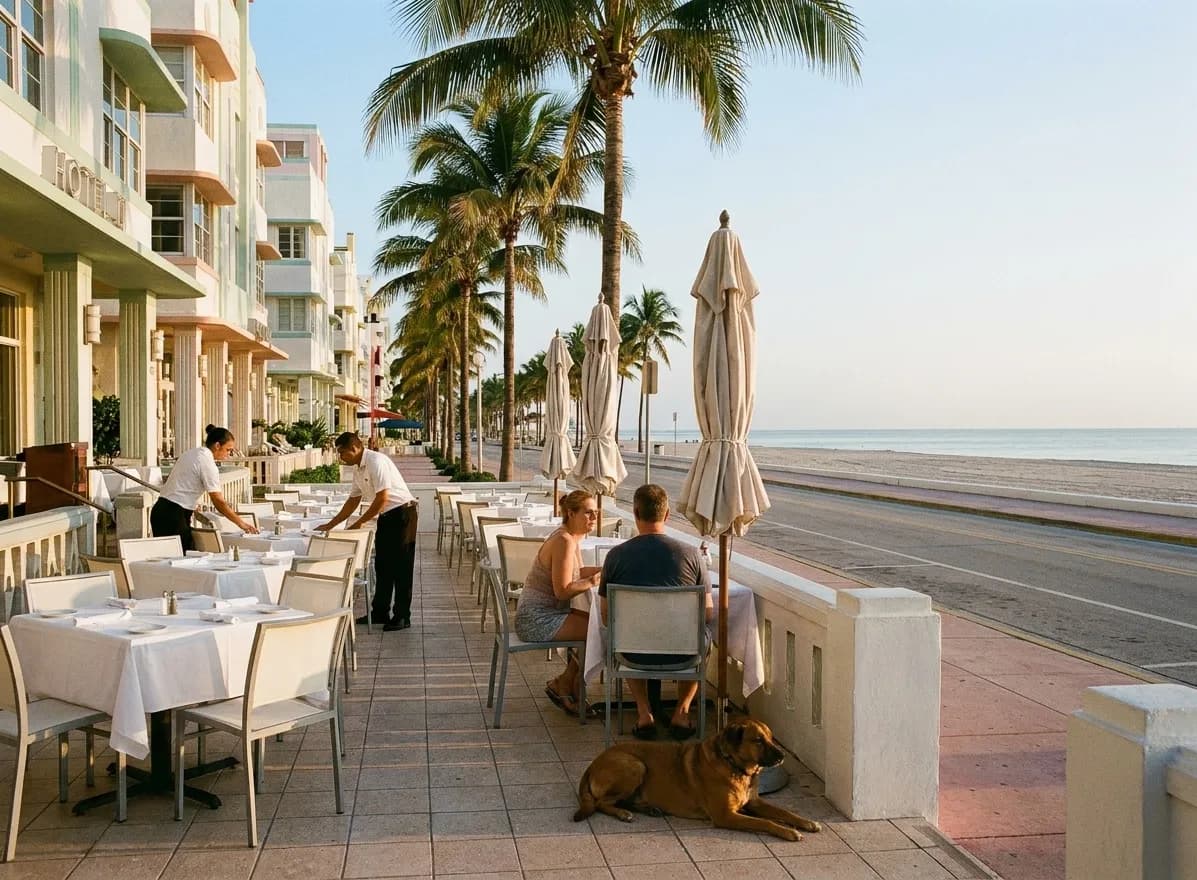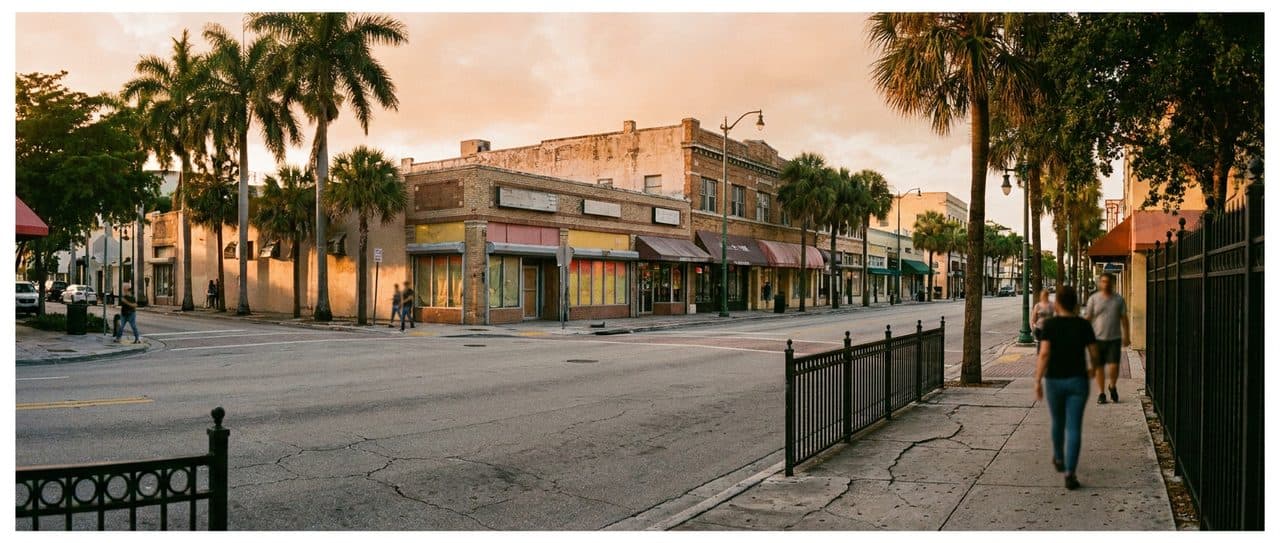
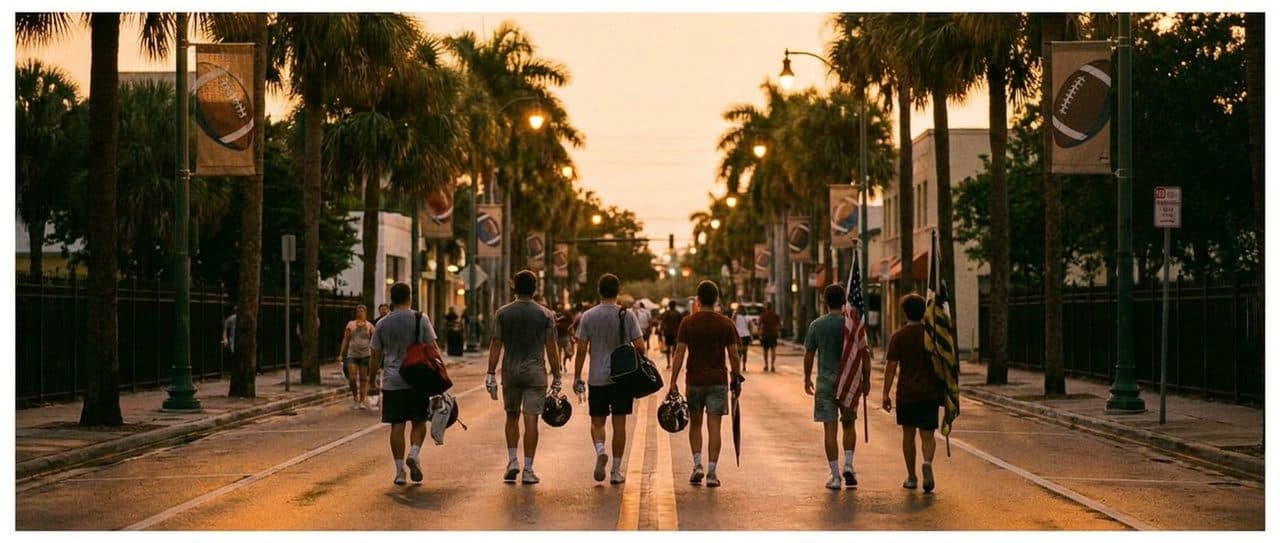
You're not here for the game — you're here for what happens after. When Iraq faced Venezuela in a group stage match that mattered more to Miami's diasporas than to any bracket, the real action started when the final whistle blew and thousands of people poured into Little Havana's streets carrying flags, drums, and the kind of relief that only comes from watching your country play on foreign soil. The walk that follows, threading through Calle Ocho and the blocks just south, becomes its own event — slower, stranger, and more layered than any stadium moment.
The First Twenty Minutes Are Just Decompression
Right after the match ends, you're still in the current. Everyone's moving in the same direction, away from wherever they clustered to watch — sports bars, living rooms with open doors, community centers with projectors aimed at blank walls. The sidewalks along Southwest 8th Street thicken with people who aren't quite ready to go home. You'll hear car horns tapping out rhythms, see Venezuelan flags draped over shoulders like capes, catch the burnt-coffee smell drifting from ventanitas that stayed open late for the crowd. No one's in a hurry. The energy is all exhale. Walk west from around 17th Avenue and let the crowd thin naturally as you go. By the time you hit the low twenties, the density shifts and you start noticing individuals instead of mass.
Where the Sidewalk Turns into Someone's Front Porch
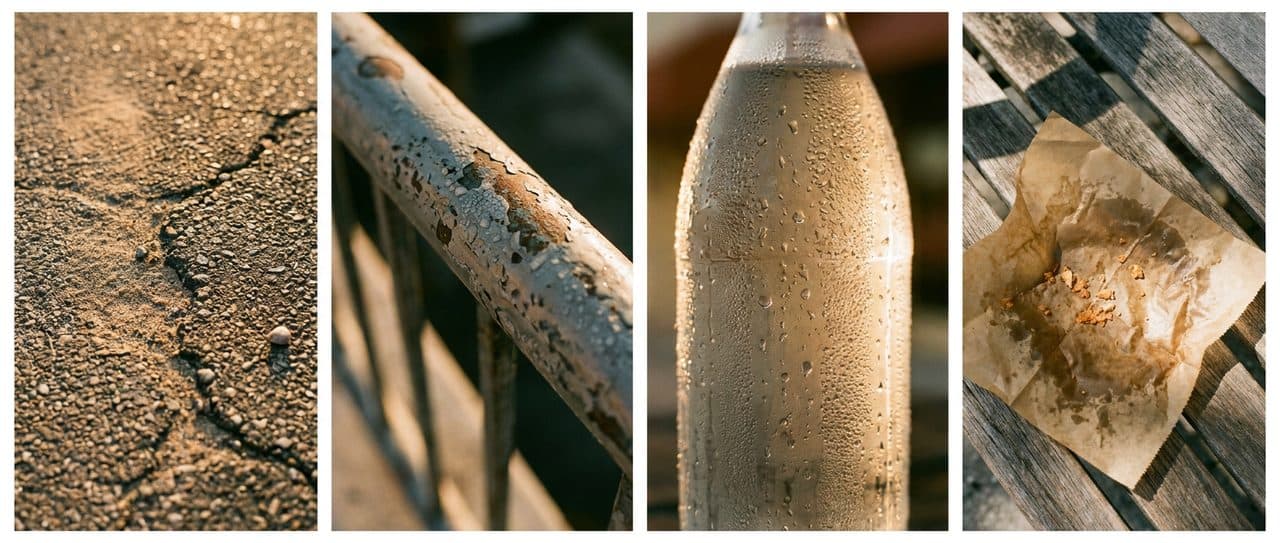
A few blocks down, the commercial strips give way to residential stretches where the game was just as present but quieter. You'll pass houses with their garage doors half-open, folding chairs still arranged in semi-circles, a cooler sweating in the driveway. This is where the neighborhood watched together without needing a bar. An older man might still be standing in his carport, arms crossed, talking to a neighbor about a call the ref missed. The light here is sodium-yellow from the streetlamps, and the air smells like grilled meat and citronella. You're not intruding — the front yard is public space tonight. Someone's abuelo will nod at you as you pass. You nod back. That's the transaction. Keep walking and you'll hear a radio still on somewhere, playing cumbia now that the commentary's done.
The Domino Park Spillover Happens Without Announcement
Máximo Gómez Park doesn't close just because a match ended. The tables fill up again, slower this time, with a different crowd than the daytime regulars. You'll see younger guys now, still wearing replica jerseys, sitting down with men who've been playing here for decades and didn't bother with the game. The sound of tiles hitting tables cuts through everything else — sharp, rhythmic, almost conversational. No one's keeping score the way they do during the afternoon sessions. This is the wind-down. You can sit on the perimeter benches and watch without joining. The pavilion lights create hard shadows, and if you stay long enough you'll notice how the older players move tiles without looking, muscle memory from thousands of games. The air is thick and still, the kind of heat that doesn't break even after sunset.
The Ventanitas That Read the Room
Some windows stay shuttered. Others open wider. The coffee counters along this stretch know exactly what the post-match crowd wants, and it's not a sit-down meal. You'll find cortaditos served in tiny plastic cups, croquetas passed through the window on napkins, maybe pastelitos if the batch is still warm. The rhythm here is fast and familiar. You order, you pay with cash, you step aside. No one lingers at the window itself. The exchange is quick but not cold — the person working the ventanita will make eye contact, ask how you're doing, hand you change without counting it in front of you. You drink your coffee standing on the sidewalk. It's sweet, almost syrupy, and strong enough that you feel it immediately. The cup is too hot to hold comfortably so you shift it between your hands while you walk.
The Murals Look Different in the Dark
You've probably seen the Calle Ocho murals in daylight — bright, bold, painted by artists whose names are on plaques below. At night, under streetlights and the occasional neon spill from a bar, they flatten and sharpen at the same time. The colors lose their gradients but gain contrast. You'll notice details you missed before: a face in the background, a hand gesture, the way a rooster's eye follows you as you move. The murals aren't roped off or treated like museum pieces. They're part of the architecture, tagged over in spots, weathered by humidity and sun. You'll walk past one and hear a couple arguing in Spanish in front of it, using the wall as a backdrop without acknowledging it. That's the point. The art is infrastructure here, not decoration.
Where the Crowd Remembers It's Still a Weeknight
Eventually, the energy peaks and then breaks. You'll feel it happen — the groups get smaller, the laughter gets quieter, people start checking their phones for the time. The bars that were shoulder-to-shoulder an hour ago now have empty stools. You can hear the music more clearly because there's less conversation covering it. This is when you notice who's still out: the people who don't want the night to end, the ones who came alone and stayed that way, the bartender wiping down the counter in slow circles. The walk turns meditative. You're still in Little Havana but it's shifting back into its everyday self, the version that exists when there's no match, no crowd, no reason to perform. You pass a laundromat that's still open, fluorescent-bright, one person inside folding clothes and watching a telenovela on a phone propped against the detergent shelf.
Practical Notes
Most of the action concentrates along Southwest 8th Street between around 12th and 27th Avenues, with the heart of it closer to the middle of that stretch. The walk itself takes an hour if you're moving steadily, twice that if you're stopping. Ventanitas keep flexible hours but generally stay open later when there's foot traffic — expect service until crowds thin. The Metrorail's Vizcaya station is a short walk north, or you can catch the 8 bus along Calle Ocho if you're tired. Parking is street-only in the residential blocks; read the signs carefully. Bring cash — most small windows don't take cards. The neighborhood is walkable and active, but stay aware of your surroundings as you would anywhere at night.
Tags: #LittleHavana #Miami #TheLongWayHome #CalleOcho #PostGameWalk #MiamiNights #DiasporaStories #NeighborhoodWalks #UrbanExploration #MiamiCulture #SidewalksAfterDark #VentanitaCulture #LateNightMiami #CityOnFoot #HiddenMiami
Sources consulted: timeout.com · atlasobscura.com · nycgo.com
All trademarks are the property of their respective owners.