The Flag FIFA Cannot Stop
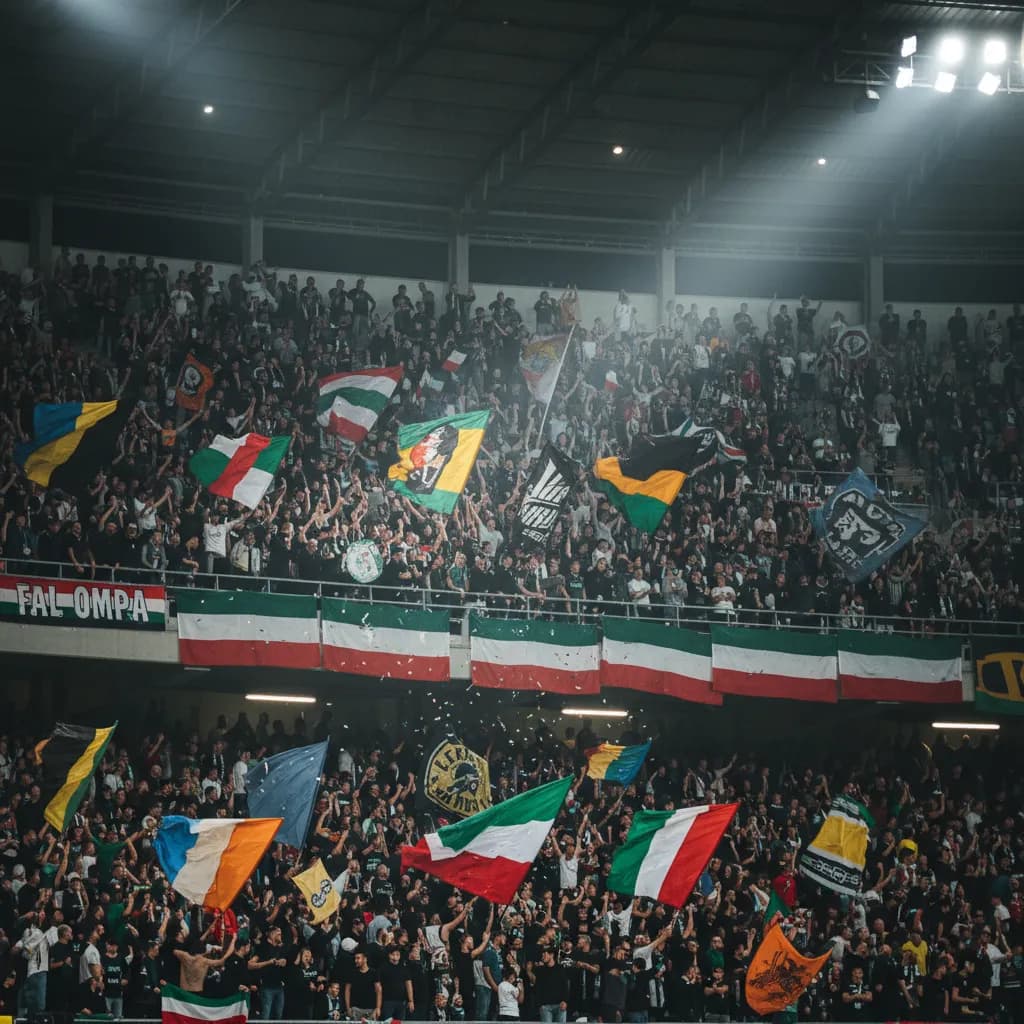
At every Iran match at the 2026 World Cup, a pattern has repeated itself. Security checkpoints confiscate lion-and-sun flags — the emblem of pre-revolutionary Iran — from fans entering the stadium. And at every match, the flags appear anyway. Hidden in clothing, concealed inside other flags, or smuggled in pieces and reassembled inside the venue, the lion-and-sun has been the most persistent and visible political protest at the tournament. FIFA's confiscation policy, which treats the flag as a political symbol prohibited under stadium regulations, has proven impossible to enforce against a diaspora community that views the emblem as a symbol of cultural identity, not regime opposition.
The Historical Significance of the Lion and Sun
The lion-and-sun emblem has been part of Iranian culture for over 800 years, predating the current Islamic Republic by centuries. It appeared on the Iranian flag from the early 19th century until the 1979 revolution, when the new government replaced it with the current emblem. For millions of Iranians in the diaspora — an estimated 3-4 million in the United States alone — the lion-and-sun represents a connection to Iranian heritage that transcends politics. Many fans who display the flag insist they are not making a political statement but simply expressing pride in a cultural identity that predates the current government.
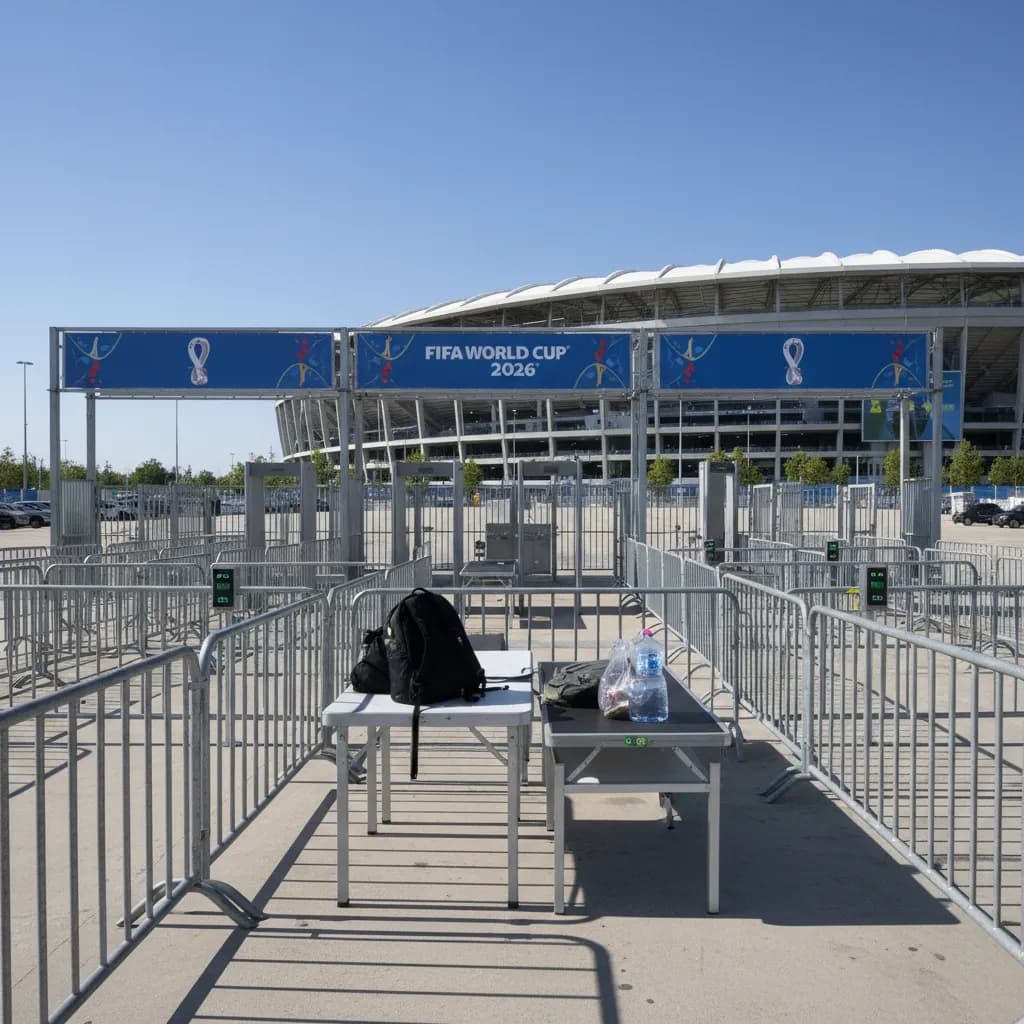
FIFA's Confiscation Policy Has Failed
FIFA's ban on the lion-and-sun flag is part of a broader prohibition on political symbols inside World Cup stadiums. The policy is designed to prevent the tournament from becoming a platform for political protests. But the enforcement has been inconsistent and, in the eyes of many fans, arbitrary. Rainbow flags have been allowed at some venues but confiscated at others. Palestinian flags have been visible in the crowd at multiple matches without intervention. The selective enforcement of the flag ban has fueled accusations of double standards and strengthened the resolve of Iranian fans to display the emblem.
Los Angeles' Iranian Community Led the Charge
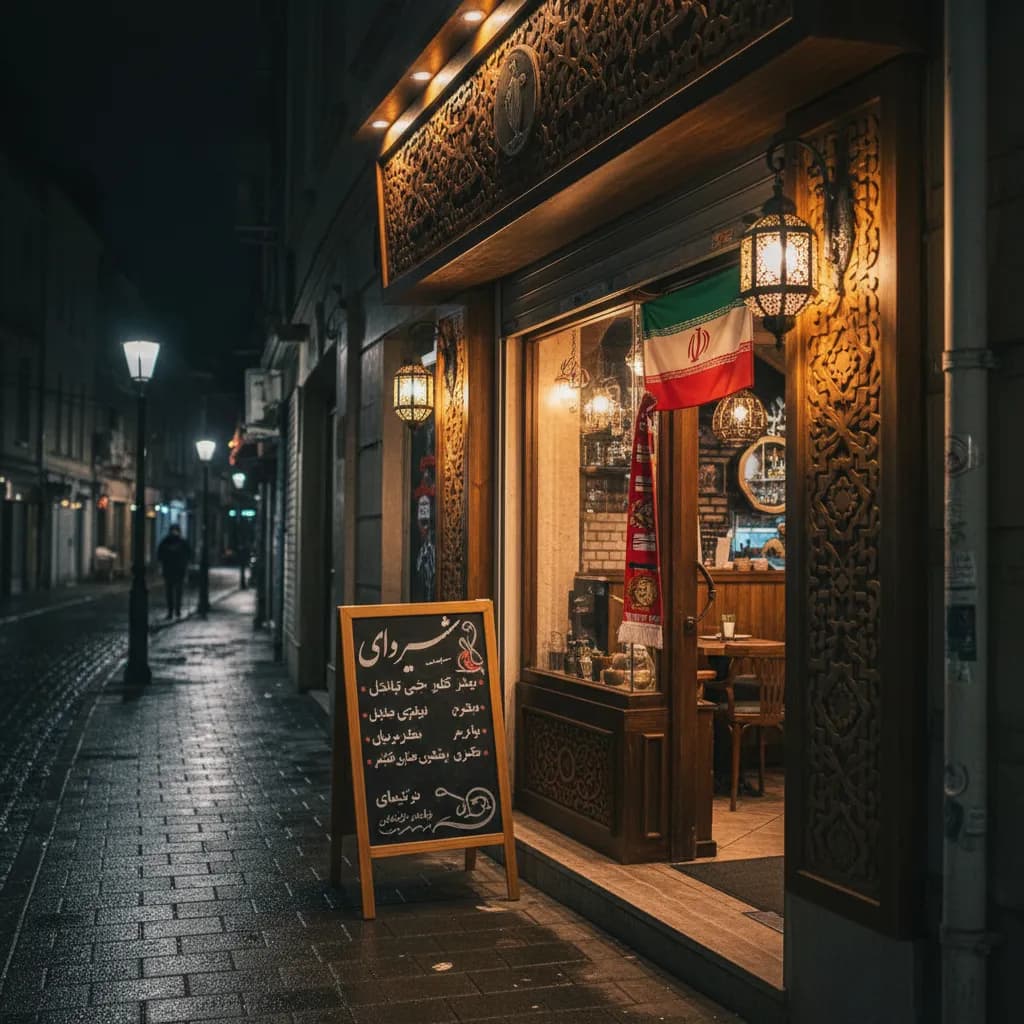
Los Angeles is home to the largest Iranian diaspora community in the world — an estimated 800,000 people, concentrated in Westwood, Beverly Hills, and Encino. The community, often called Tehrangeles, mobilized for the World Cup with unprecedented organization. Ahead of Iran's group-stage match at SoFi Stadium, an estimated 5,000 fans gathered outside the venue waving lion-and-sun flags in a demonstration that was peaceful, joyful, and impossible to ignore. Inside the stadium, smaller flags appeared throughout the match, held up during the national anthem and unfurled after every Iran attack.
The Viral Moments That Defined the Movement
Several specific moments went viral on social media. A young woman in the upper deck at SoFi Stadium unfurled a massive 15-foot lion-and-sun flag that had been hidden inside a backpack, holding it up for a full 10 minutes while security debated how to respond. A group of fans in Philadelphia arranged themselves in a human formation that spelled out the lion-and-sun shape when viewed from above — a choreographed protest that was captured by TV cameras and shared millions of times. At NRG Stadium in Houston, a banner reading in Farsi and English was displayed briefly before being confiscated.
The Broader Political Context
Iran's World Cup campaign has been overshadowed by politics since before the tournament began. The coaching staff were denied US entry visas due to diplomatic tensions, forcing Iran to prepare with a reduced technical team. Fan protests against the Iranian government — which have been ongoing since 2022 — have found new energy at the World Cup, with the tournament providing a global stage for dissent. FIFA has tried to maintain neutrality, but the organization's relationship with the Iranian Football Federation — which is controlled by the government — has drawn criticism from human rights organizations.
A Symbol That Transcends the Tournament
The lion-and-sun flags will disappear from stadiums when Iran's World Cup campaign ends. But the images will endure. In a tournament defined by goals, tactics, and controversy, the sight of Iranian fans defiantly displaying a symbol of their heritage — against the wishes of both FIFA and the Iranian government — has been one of the most powerful human stories of the 2026 World Cup. Football has always been more than a game, and the lion-and-sun flags are a reminder that stadiums are not just venues for sport but spaces where identity, memory, and resistance find their voice.
Tags: World Cup 2026, Iran, lion and sun flag, FIFA, political protest, Iranian diaspora, Los Angeles, SoFi Stadium, human rights, World Cup controversy
Sources consulted: ESPN · Al Jazeera · FIFA
All trademarks, team names, league names, and player likenesses mentioned in this article are the property of their respective owners and are used here for informational and editorial purposes only.
Ask Karpo First
Want to find Iranian cultural events near World Cup venues or explore LA's Tehrangeles neighborhood? Ask Karpo for the latest match schedule, a guide to Westwood's Persian restaurants, and cultural highlights in the LA area during the World Cup.