Miami's reputation is not built on cinema, and the multiplex-heavy landscape of the county does little to challenge that. What exists instead is a small, concentrated independent scene — a handful of venues, several of them nonprofit or institutionally backed, doing genuinely serious programming for an audience that is smaller than the city's size would suggest and considerably more committed.
The independent rooms here programme in short runs and one-off screenings that are easy to miss. Ask Karpo what is showing near you this week.
The venues that matter
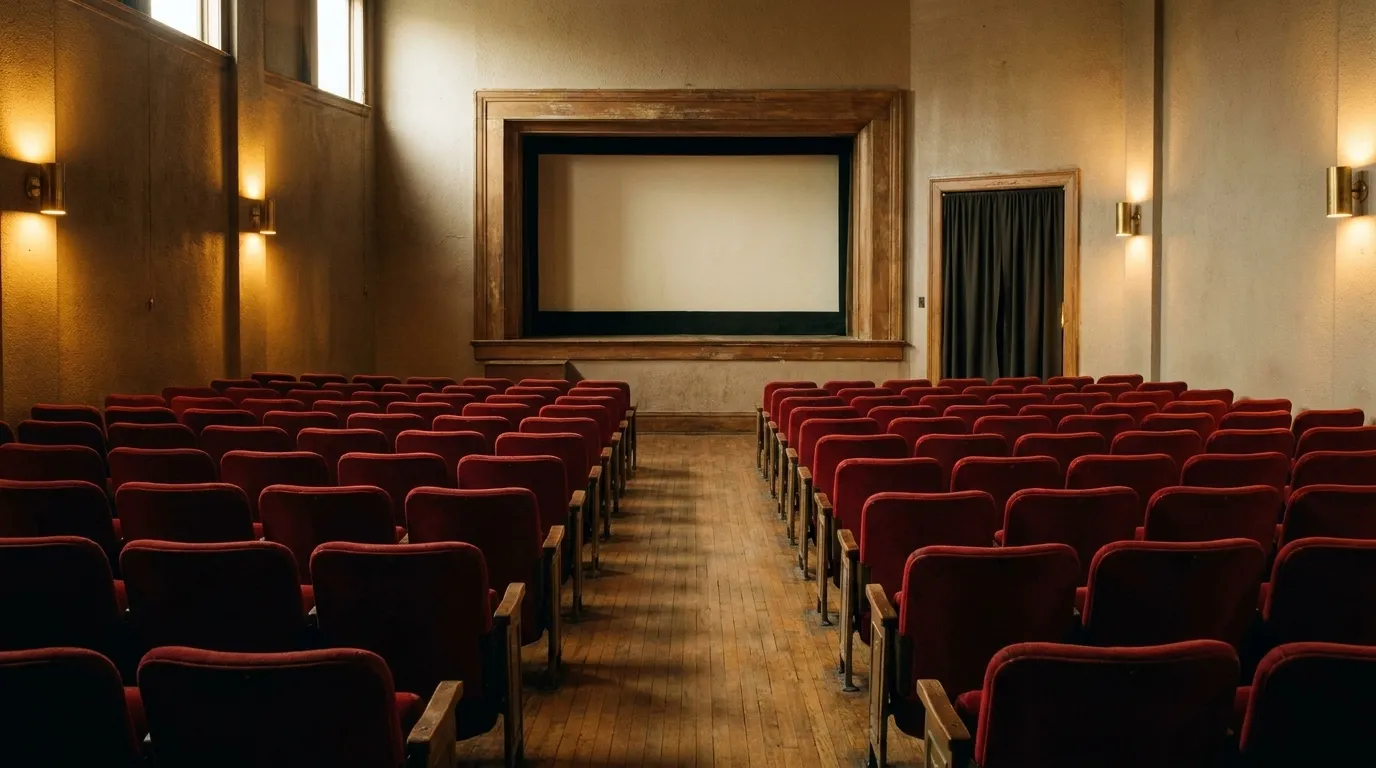
Coral Gables Art Cinema is the county's dedicated arthouse, a nonprofit single-screen operation running first-run independent and foreign-language releases alongside repertory programming, and it is the reference point for the whole scene. O Cinema, also nonprofit, operates on Miami Beach and has been the other consistent independent presence for over a decade, programming documentary, independent and community-oriented work.
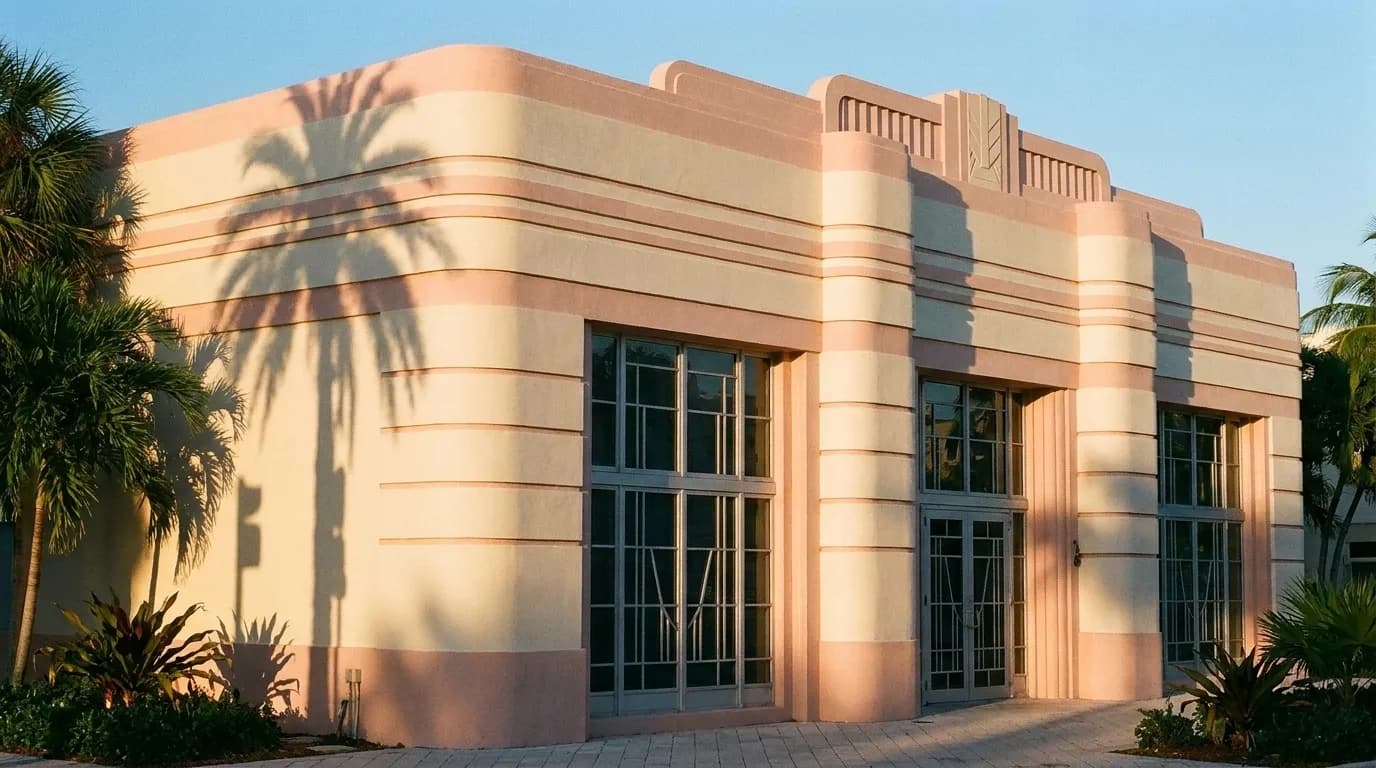
The Tower Theater on Southwest Eighth Street in Little Havana is the historic venue — an Art Deco cinema that has been on that block since the 1920s and became a cultural centre for Cuban Miami in the 1960s, screening films with Spanish subtitles for a community that had just arrived. It remains one of the most significant cultural buildings in the city. The Miami Beach Cinematheque and the museum programmes at the Pérez Art Museum Miami and the Bass round out the picture.
The Spanish-language advantage
The thing Miami offers that almost no other American city does is a genuine commercial market for Spanish-language cinema. Films from Spain, Argentina, Mexico, Colombia, Cuba and elsewhere get theatrical runs here that they do not get anywhere else in the country, sometimes in multiplexes rather than only at arthouses, and frequently without subtitles because the audience does not need them.
For anyone who reads Spanish, this makes Miami one of the better cities in the United States for film. For anyone who does not, it is worth checking whether a screening is subtitled before booking, because the default at some venues and for some releases is that it is not.
The festival calendar
Miami's festival season is concentrated in the cooler months and it is where the independent scene is most visible. The Miami Film Festival, run by Miami Dade College, is the largest and has been running since the 1980s, programming a substantial international slate with a strong Ibero-American focus. Other festivals through the year cover documentary, Jewish film, Brazilian film, short film and LGBTQ cinema, several of them long-running.
Festivals are also where the independent venues do their best business, and they are the easiest way into the scene for someone new to it. Passes are usually available and frequently better value than individual tickets if you plan to see more than three films.
What the multiplexes actually carry
It is worth correcting one assumption: in Miami the multiplex is not only a first-run venue. Because of the size and buying power of the Spanish-speaking audience here, mainstream cinemas in Kendall, Doral, Hialeah and West Miami routinely carry Spanish-language releases and Latin American co-productions alongside the studio slate, and several programme them on multiple screens. If you are looking for a specific film from Spain, Mexico or Argentina, checking the suburban multiplexes as well as the arthouses is worthwhile — the film is quite often at both, and the multiplex has more showtimes.
Repertory and one-off screenings
Beyond the dedicated venues, a substantial amount of interesting film in Miami happens as one-off events: museum screenings, university programmes, screenings in galleries and bookshops, outdoor series in the cooler months, and events attached to art fairs. These are announced through the venues' own channels rather than through any aggregator, which is why they are easy to miss entirely.
The practical approach is to follow three or four venues directly rather than searching for showtimes. The independent scene here is small enough that following Coral Gables Art Cinema, O Cinema, the Cinematheque and the museums covers most of what is worth knowing about.
Where the scene is thin
It is worth being honest about the gaps, because they shape how to use what exists. Miami has no nightly repertory house of the kind New York and Los Angeles support, so classic and archival programming arrives in seasons and one-off events rather than continuously. Independent runs are short — a film that plays for three weeks in a larger market may get four days here, so seeing something on its opening weekend is often the only chance. And geography works against the audience: the venues are spread from Coral Gables to Miami Beach with a causeway in between, which means almost every screening is a drive. Planning around short runs rather than assuming a film will still be there next week is the habit that matters.
Membership and support
The nonprofit venues here run membership schemes that discount tickets and, more importantly, keep them open. Miami's independent cinema has had a difficult two decades — venues have closed, moved and reopened, and the ones that survive do so on tight margins. If you use them more than occasionally, membership pays for itself and does more good than at a chain.
These are also the venues most likely to programme something you would not otherwise see, which is the entire point of an arthouse. Supporting them is what keeps that programming possible in a market that does not obviously support it.
Practical notes
Check whether a Spanish-language screening is subtitled before booking. Book ahead for anything at the single-screen venues, which sell out more easily than a multiplex. Parking in Coral Gables and on the Beach is metered and enforced; the Gables has municipal garages that are cheaper than the meters for a two-hour stay. Festival passes are better value than individual tickets above three films. And follow the venues directly, because a large share of the interesting programming here never reaches a showtimes aggregator.
Tags: #Miami #MiamiCulture #ArthouseCinema #IndieFilm #MoviesNearMe #CoralGables #LittleHavana #SouthBeach #TowerTheater #FilmFestival #SpanishLanguage #WeekendPlans #MiamiEvents #Cinema
All trademarks are the property of their respective owners.
Ask Karpo first
Want to know what the independent rooms near you are screening this week, whether it is subtitled, and which festival is running? Ask Karpo before you book.