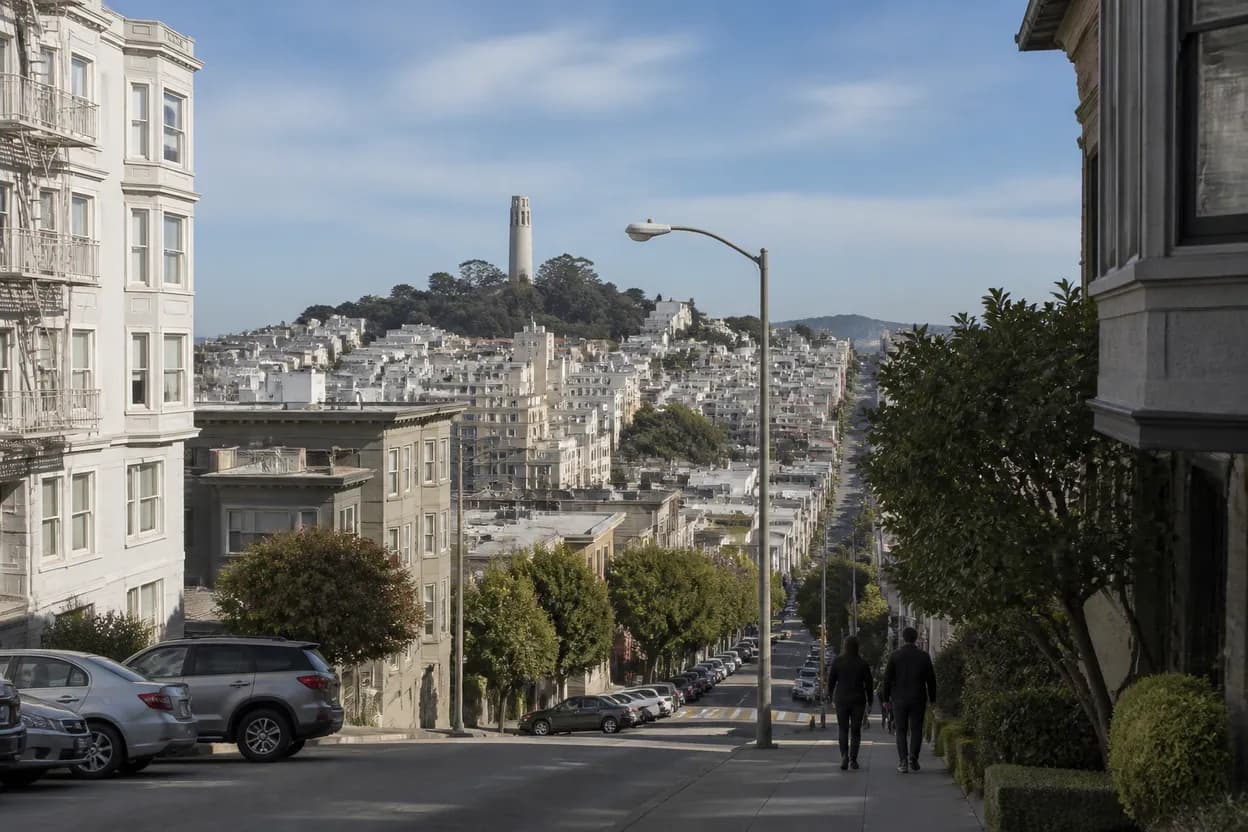
A headline can pull attention from anywhere, and idaho shooting is one of those phrases that may send readers searching far beyond the place named in it. For San Francisco, the useful move is not to pretend the phrase has a local connection, an event tie-in, or a secret door. Treat it instead as a reminder to slow down, verify what is public, and build a day around odd finds you can actually reach. On Friday, August 7, 2026, that means checking official transit conditions, watching for crowd pressure from major city activity, confirming access before you cross town, and keeping one calmer backup ready if the first stop is unavailable, crowded, or simply not worth the wait.
Want a San Francisco odd-finds plan checked before you leave? Text Karpo with your starting point, time window, mobility needs, and backup tolerance.

Use the headline to open a more curious detour
The phrase idaho shooting belongs in this guide only as a timely search hook, not as evidence of a San Francisco incident, appearance, affiliation, memorial, screening, or sanctioned gathering. That distinction matters. A good city plan starts by refusing the false shortcut: if a headline makes you curious, use that curiosity to look for public, low-friction places with a real reason to visit, then verify the basics before you move.
For an odd-finds day, set a narrow mission. Instead of trying to “see hidden San Francisco,” choose one public stop that rewards close looking: a small archive-style display, a storefront with unusual objects, a civic space with overlooked design details, a transit-adjacent curiosity, or a park feature you can confirm through an official source before going. Keep the route simple enough that a delay does not ruin the day.
Because the city can change quickly, build the first decision around movement. SFMTA’s official site offers a Trip Planner and route information for Muni, walking, biking, driving, and parking. It also posts alerts and travel updates. Use those tools first, then decide whether your odd stop is still sensible.
Choose a place with a real point of view
A useful hidden gem is not just a place with fewer people. It has a point of view: a collection, a craft, a public work, a specialized shopfront, a neighborhood-scale institution, or a setting that reveals how San Francisco is put together. If you cannot explain why the stop is odd, specific, and publicly accessible, it is probably just filler.
Start with a candidate that is reachable by transit and has a clear public-facing page, posted address, or city listing you can verify. Do not rely on social clips that show private interiors, back rooms, staff-only views, or out-of-date hours. If the official page is inaccessible, behind security verification, or slow to render, treat that as a signal to pause rather than assume the details are current.
Your timing should also account for citywide pressure. SFMTA’s current homepage flags Outside Lands for August 7–9, and separate travel updates include Chinatown construction from July 30–August 9 and Hayes Valley Shared Spaces on Fridays and Saturdays in August 2026. Those notices do not make your stop impossible, but they do argue for checking routes close to departure.
Look for materials archives or hands-on details
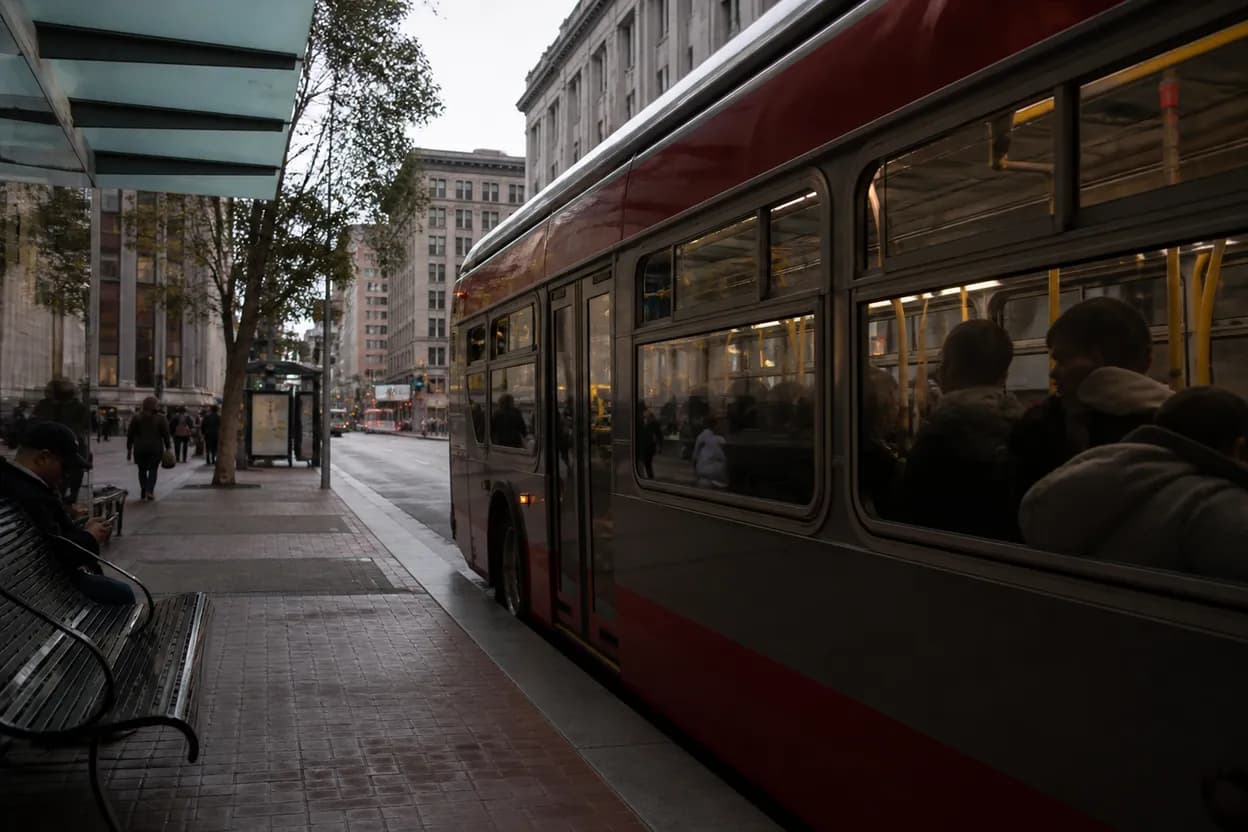
Odd finds are strongest when they give you something concrete to inspect: labels, tools, textures, maps, signage, machinery, specimens, public art components, old infrastructure, or a documented process. The goal is not to “discover” something locals have somehow missed. The goal is to notice the kinds of details that disappear when a visit is built only around restaurants, skyline photos, or trending posts.
Before you go, make a three-part verification note. First, write the official source you used. Second, write the current access question: hours, public entry, reservation, construction impact, route impact, or photography limit. Third, write your exit plan if the answer changes. This keeps the visit practical and reduces the temptation to argue with staff, trespass for a better view, or pressure a small place because you traveled across town.
If your candidate is near a park or recreation site, verify changing details directly on the official San Francisco Recreation and Parks page before relying on it. The available source extract indicates that the site should be used for current verification, but it does not provide stable hours, amenities, closures, or program details here. That means no assumptions.
Pair the odd stop with a calmer second option
A one-stop plan is fragile. Pair the odd find with a quieter second option that uses the same transit spine or a short walk, not a cross-city scramble. The backup does not need to be less interesting; it needs to be less dependent on a single door, timed entry, crowd pattern, or staff availability. A public plaza, self-guided streetscape, park edge, or transit-accessible neighborhood walk can work if you have verified the route.
Use SFMTA’s trip tools as the skeleton. Check Muni routes and stops, then compare walking, biking, driving, and parking only if those modes fit your group. If an alert affects your line, do not assume it will clear in time. The official homepage example shows how quickly alerts can change, including a McAllister delay that had cleared and service resuming on the 5 and 5R. That is exactly why same-day checking matters.
For Friday or Saturday outings in August 2026, be especially conservative around areas affected by posted shared-space activity or major events. Crowd risk is not only about crowds at your destination. It can mean slower boarding, changed curb access, full sidewalks, ride-hail congestion, or a backup option that suddenly feels less calm than expected.
Respect access photography and privacy rules
Hidden-gem culture can turn careless fast. Public access does not mean unlimited access, and an unusual interior does not make staff, visitors, residents, or private workspaces part of your content. Unless an official source clearly states that photography, filming, or specific areas are permitted, ask on arrival and accept the answer without bargaining.
Be especially careful with odd finds that sit inside small businesses, civic facilities, community spaces, or residential-feeling blocks. Do not block entrances, photograph people at close range without consent, or treat a quiet place as a set. If a staff member says a section is closed, the useful response is to pivot to your backup, not to look for another way in.
This is also where rumor discipline matters. A viral phrase such as idaho shooting may attract anxious or speculative searches. Do not ask local workers to confirm unrelated claims, do not imply an endorsement, and do not frame your visit as connected to a tragedy unless an official local source clearly establishes that connection. This guide does not.
Verify current entry details
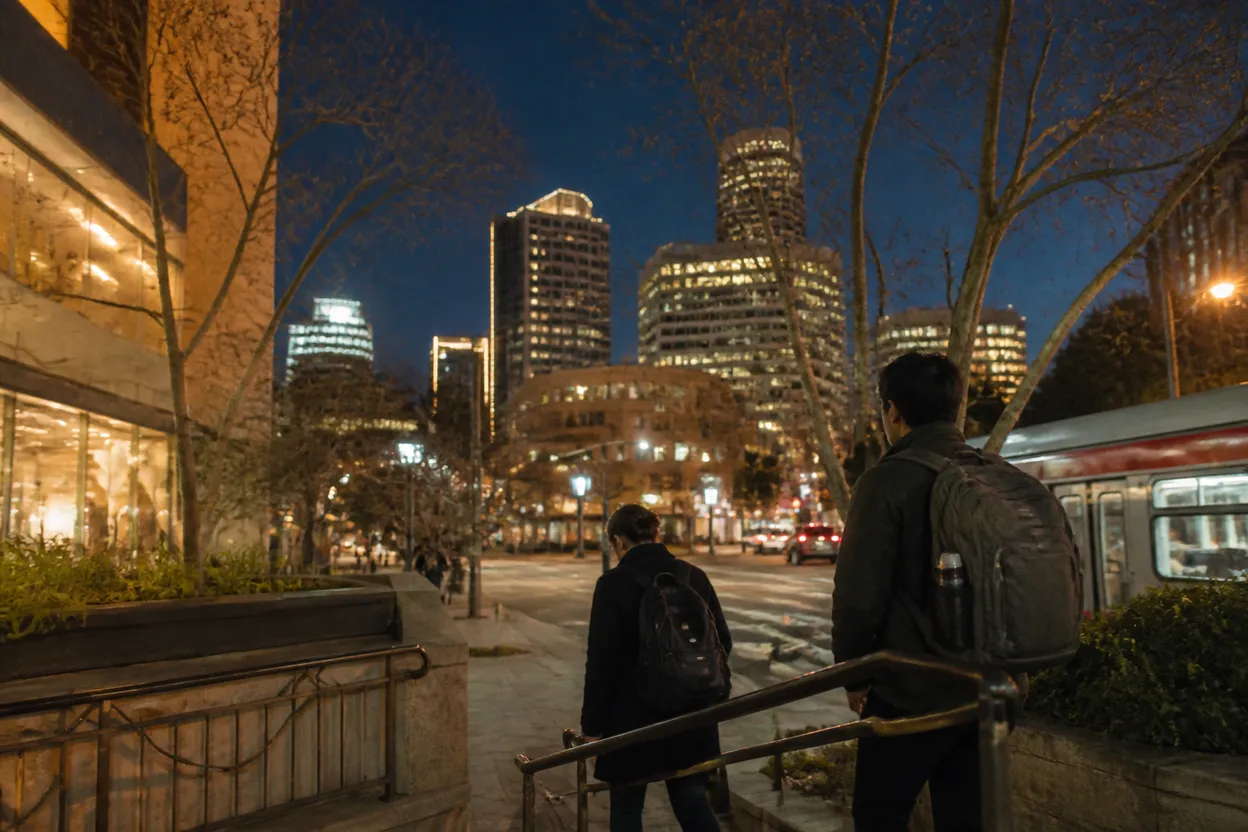
Run the final check in this order: destination access, transit route, nearby travel updates, weather-appropriate walking distance, and backup plan. SFMTA’s site provides official route and trip-planning tools, visitor transportation guidance, Muni route and stop information, travel maps and guides, and current alerts. It also lists 311 contact information and free language assistance, which can matter when a plan changes while you are already out.
Do not lock in a plan based on a cached post, an old blog, or a screenshot. If a page displays security verification, times out, or fails to render, that is not confirmation. Try again, use another official channel when available, or choose a lower-risk public alternative. Verification is not a formality; it is the difference between a clean city detour and a wasted transfer.
A practical San Francisco odd-finds plan for today should fit on one note: one verified first stop, one route, one timing window, one access question, one crowd-risk note, and one backup. If any of those pieces is missing, your best hidden gem may be the decision to wait, reroute, or choose the quieter option.
Tags: #SanFrancisco #HiddenGems #OddFinds #CityGuide #TransitTips #SFMTA #PublicAccess #TravelSmart #CrowdCheck #BackupPlan #AskKarpo #BeforeYouGo #VerificationFirst #SFDayPlan
Sources consulted: sftravel.com · sfmta.com · sfrecpark.org
All trademarks are the property of their respective owners.
Ask Karpo first
Ask Karpo first if your San Francisco plan depends on a single doorway, a trending claim, or a tight transfer. Send your start point, preferred transit mode, time window, and must-avoid crowds, and Karpo can help pressure-test the route before you commit.


