Every city has a list of things visitors are told to eat, and the list is always a mixture of genuine institutions and things that were good forty years ago. San Francisco's version is unusually mixed, because the city's food identity is built on a handful of real and important traditions that have each been thoroughly commercialised in one specific location while continuing to be excellent everywhere else.
Some of these are worth the queue and some have a better version four blocks away. Ask Karpo which is which near you.
Sourdough, which is real
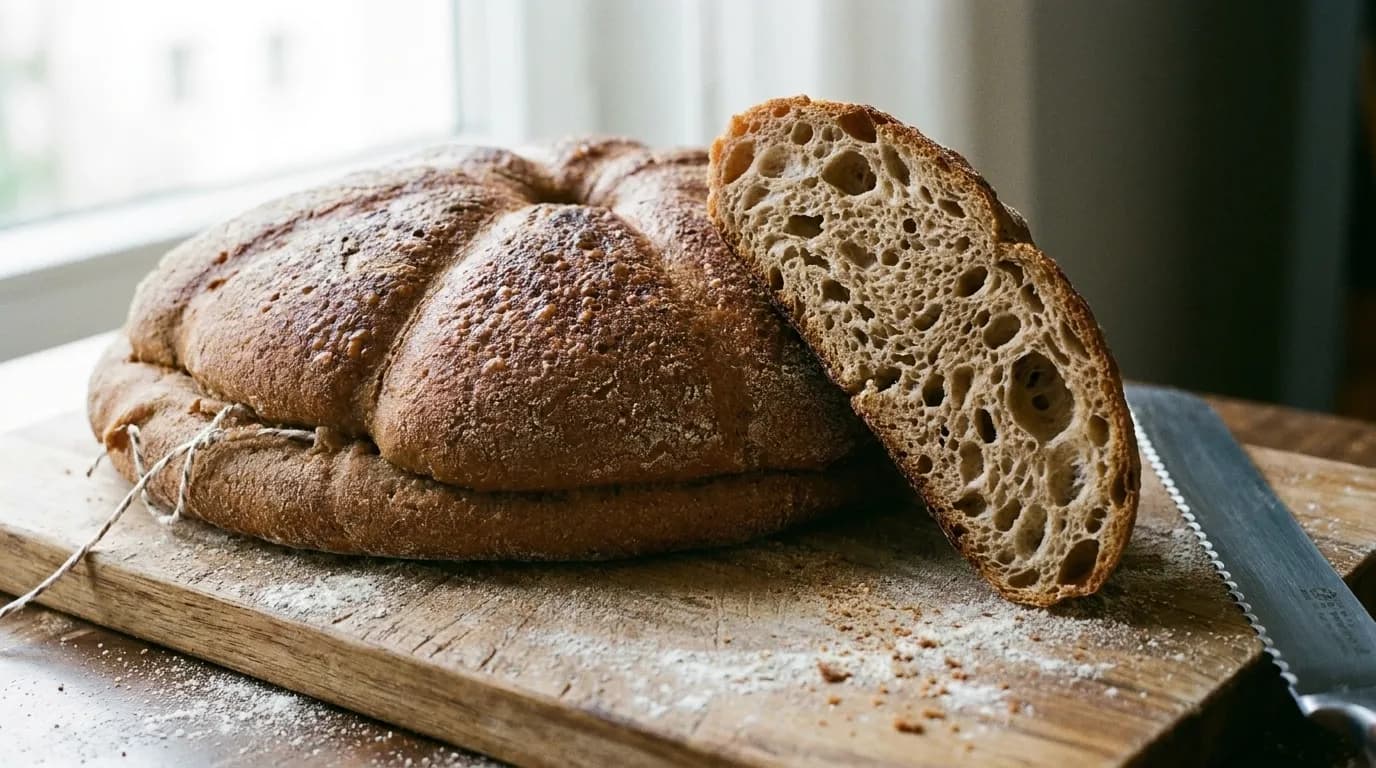
San Francisco sourdough is a genuine local tradition dating to the Gold Rush, when bakers here found that the local wild yeast and bacteria produced a distinctively sour loaf. Boudin has been baking since 1849 and maintains a continuous starter, which is a real thing rather than a marketing claim. The Fisherman's Wharf bakery is a tourist operation; the bread itself is the point and it is available across the city.
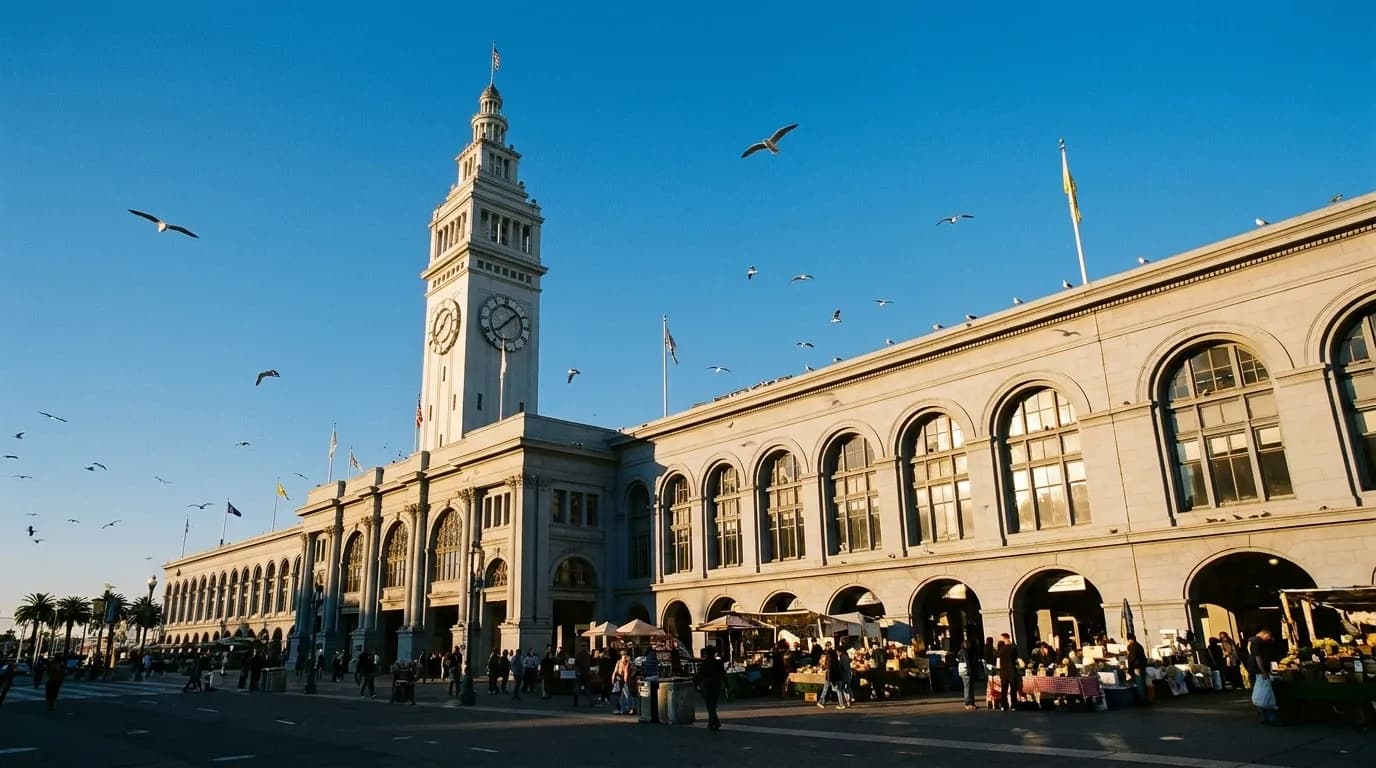
The better version of this experience is to buy a loaf from any of the serious bakeries in the Mission, the Richmond, Hayes Valley or at the Ferry Building farmers market, where the craft has moved on considerably in the last two decades. The tradition is real; the queue at the wharf is optional.
Cioppino and the Dungeness crab season
Cioppino — a tomato and wine seafood stew — was created by Italian fishermen in San Francisco and is a genuinely local dish. Dungeness crab is the local shellfish and its season traditionally opens in November, though it has been delayed in recent years for whale entanglement and domoic acid reasons, which is worth checking before planning around it.
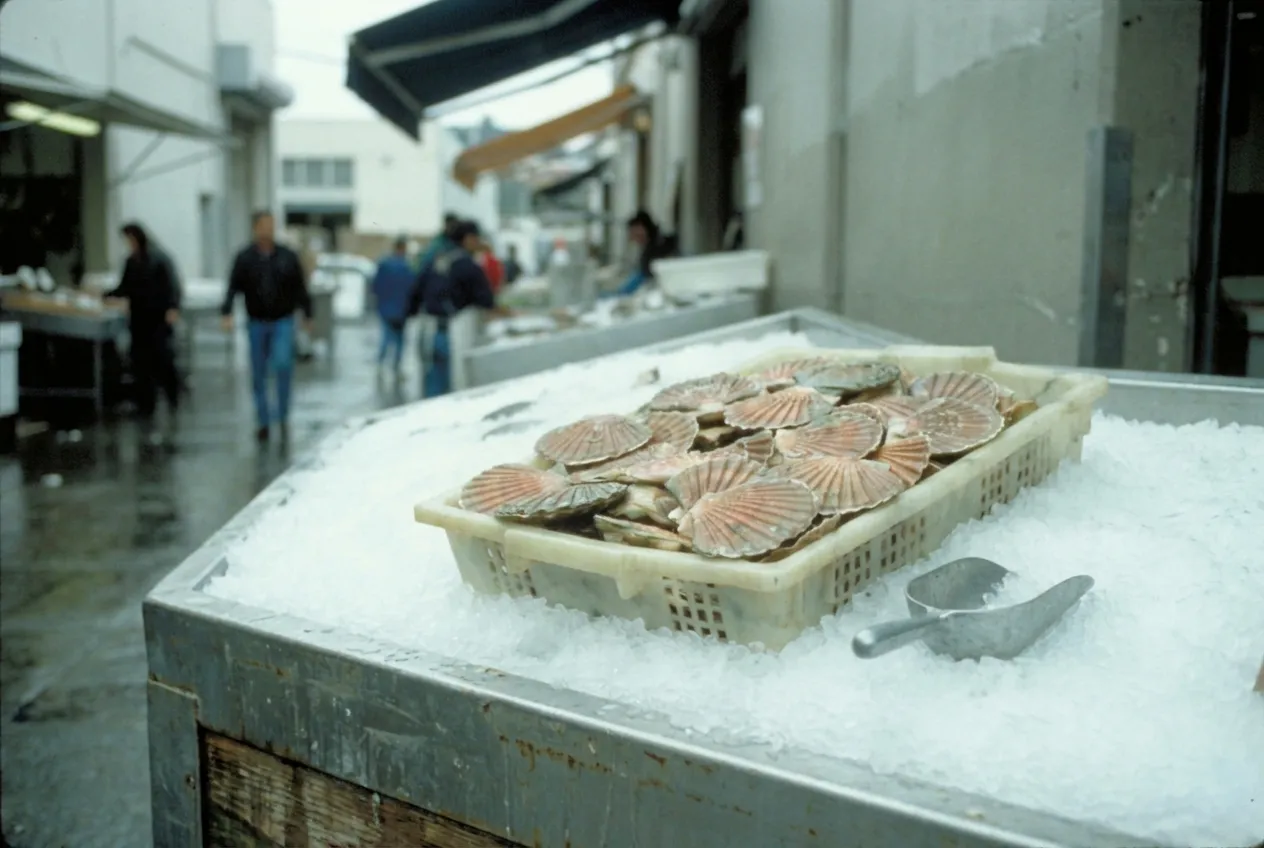
The wharf version of both is expensive and inconsistent. The better versions are in North Beach's Italian restaurants, in the Sunset and Richmond's Chinese seafood houses — which do salt and pepper Dungeness crab superbly — and in the fish markets. A whole crab bought from a market and eaten at home is the local version and costs a fraction of the restaurant price.
The Mission burrito
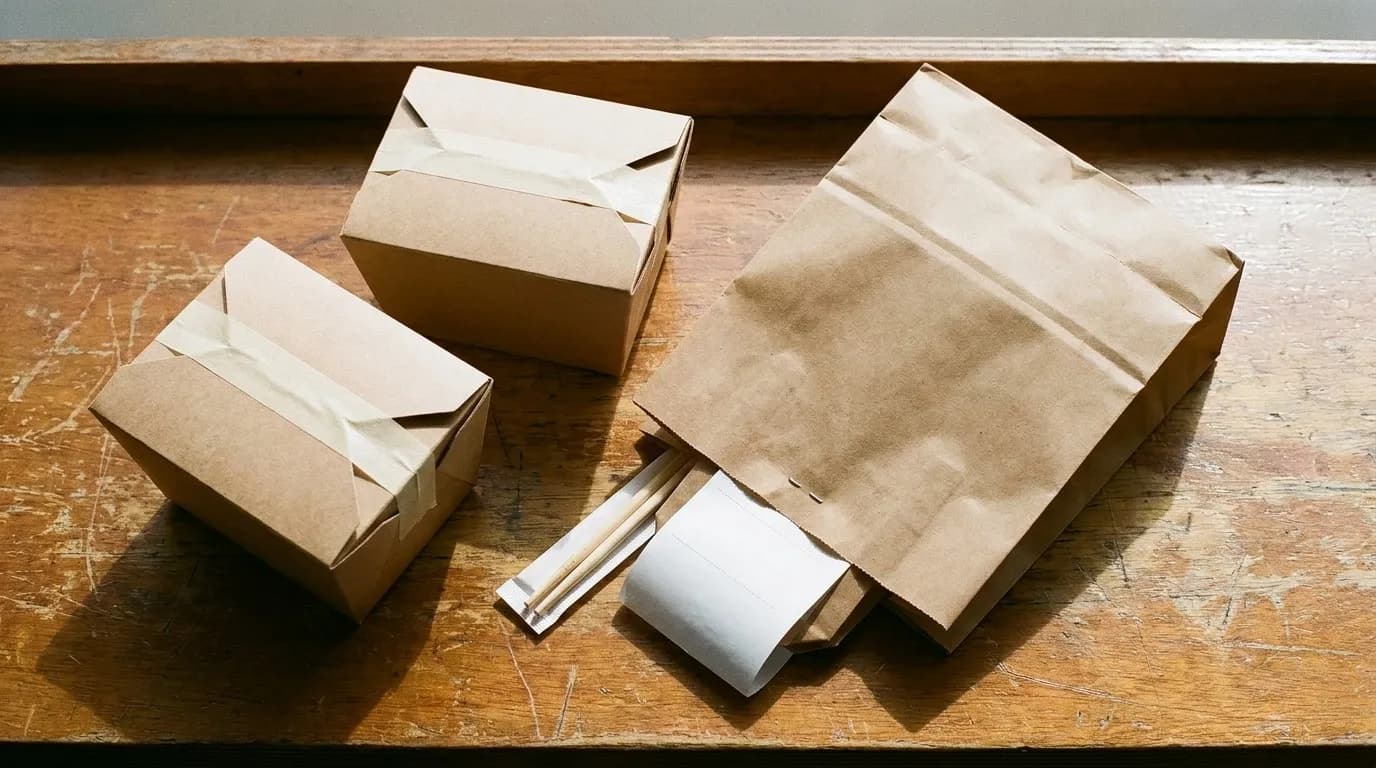
This one is straightforwardly worth doing and there is no tourist-trap version to avoid. The Mission burrito was created in the neighbourhood's taquerias in the 1960s — a large flour tortilla, steamed, wrapped around rice, beans, meat, salsa and often cheese and avocado, then foiled. It is the city's genuine contribution to American food and it costs about the price of a sandwich.
The only advice worth giving is to order it the way regulars do: super for cheese, sour cream and avocado, and dorado or a la plancha to have it seared on the flat top afterwards. And to accept that the argument about which taqueria is best is unresolvable and part of the experience.
Dim sum and the Chinatown question
San Francisco's Chinatown is the oldest in North America, dating to the 1840s, and it is a genuine neighbourhood rather than a themed district. The dim sum, the roast meat windows and the bakeries there are excellent and cheap, and it is absolutely worth doing.
What is worth knowing is that the larger and in many opinions better dim sum halls are in the Richmond and the Sunset, where the Chinese population has substantially moved, and that Grant Avenue is the tourist street while Stockton Street a block over is the one the neighbourhood shops on. Walking one block changes the experience entirely.
The Irish coffee and the rest
Two more genuine artefacts worth knowing. The Irish coffee as served in the United States was popularised at the Buena Vista Cafe near Fisherman's Wharf from 1952, after the owner and a travel writer worked out how to reproduce a drink from Shannon Airport; the cafe still makes them in long rows and it is a real piece of city history rather than an invention. And the fortune cookie, which was almost certainly developed in San Francisco rather than in China — the Golden Gate Fortune Cookie Factory in a Chinatown alley still folds them by hand. Both are small, cheap and worth ten minutes.
What to skip
The blanket advice on Fisherman's Wharf is to visit it for the sea lions and the view and to eat somewhere else. The seafood there is expensive, the queues are long and the same dishes are better and cheaper almost anywhere in the city. The chowder in a bread bowl is a genuine San Francisco artefact and it is a better one at any decent bakery-café than at the wharf.
The general rule holds across the city and across most cities: the closer a restaurant is to a major attraction, the worse the ratio of price to quality. San Francisco is seven miles square, which means the good version of everything is a short bus ride away.
The broader point about all of these is that San Francisco's food identity was built by working people — Gold Rush bakers, Italian fishermen, Chinese immigrants, Mexican and Central American families in the Mission — and every one of those traditions is still alive in the neighbourhoods that made it. The version sold at the waterfront is a souvenir of the thing. The thing itself is four bus stops away, cheaper, and still being made by the people who make it.
Practical notes
Check whether Dungeness crab season has opened before planning around it; the date has moved in recent years. Buy sourdough from a neighbourhood bakery rather than at the wharf. Order a burrito dorado. Walk one block off Grant Avenue in Chinatown. Ferry Building farmers market is Saturday morning and is worth the trip in itself. And note that several San Francisco restaurants add a service or health surcharge printed at the bottom of the menu.
Tags: #SanFrancisco #SFFood #Iconic #Sourdough #MissionBurrito #Cioppino #DungenessCrab #Chinatown #FerryBuilding #NorthBeach #PlacesToEat #FoodNearMe #SFEats #Classics
All trademarks are the property of their respective owners.
Ask Karpo first
Want to know which of these is genuinely worth the queue near you today, whether crab season is open, and where the local version is? Ask Karpo before you join the line.