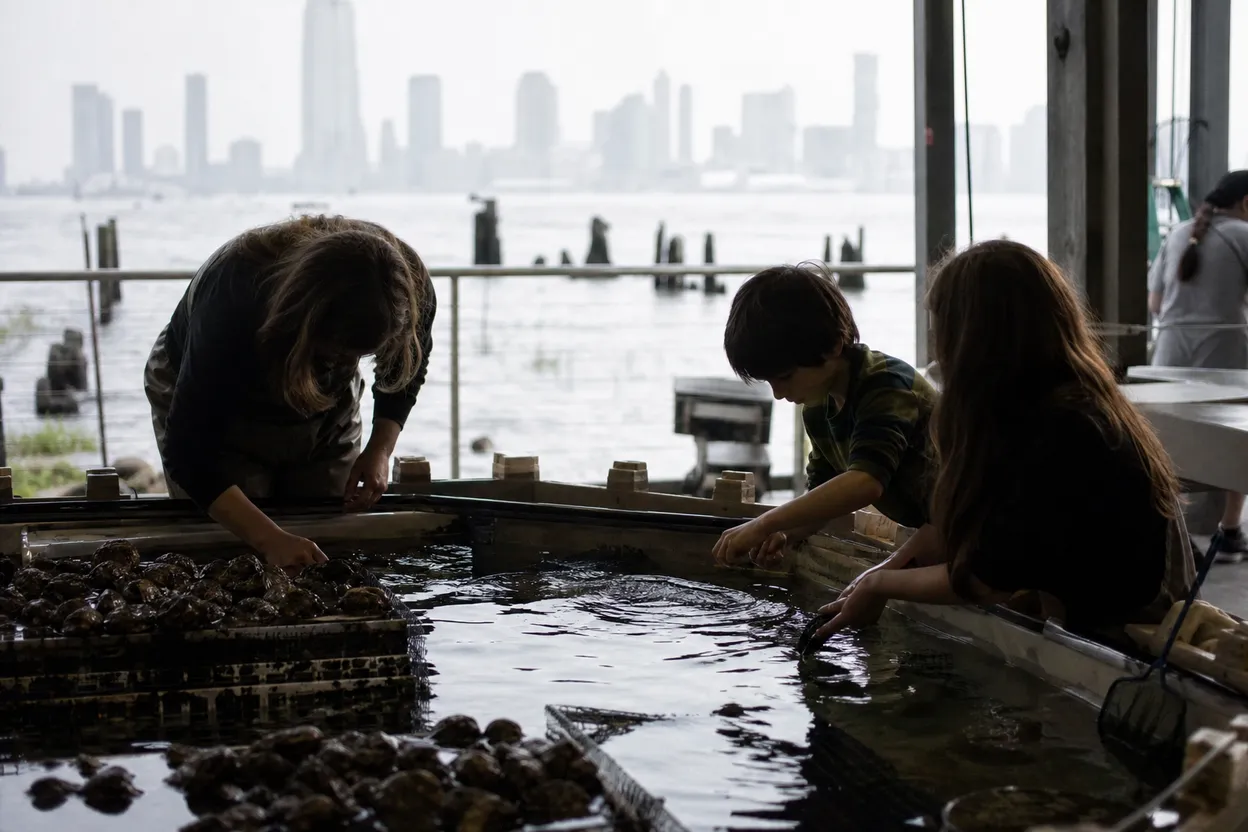
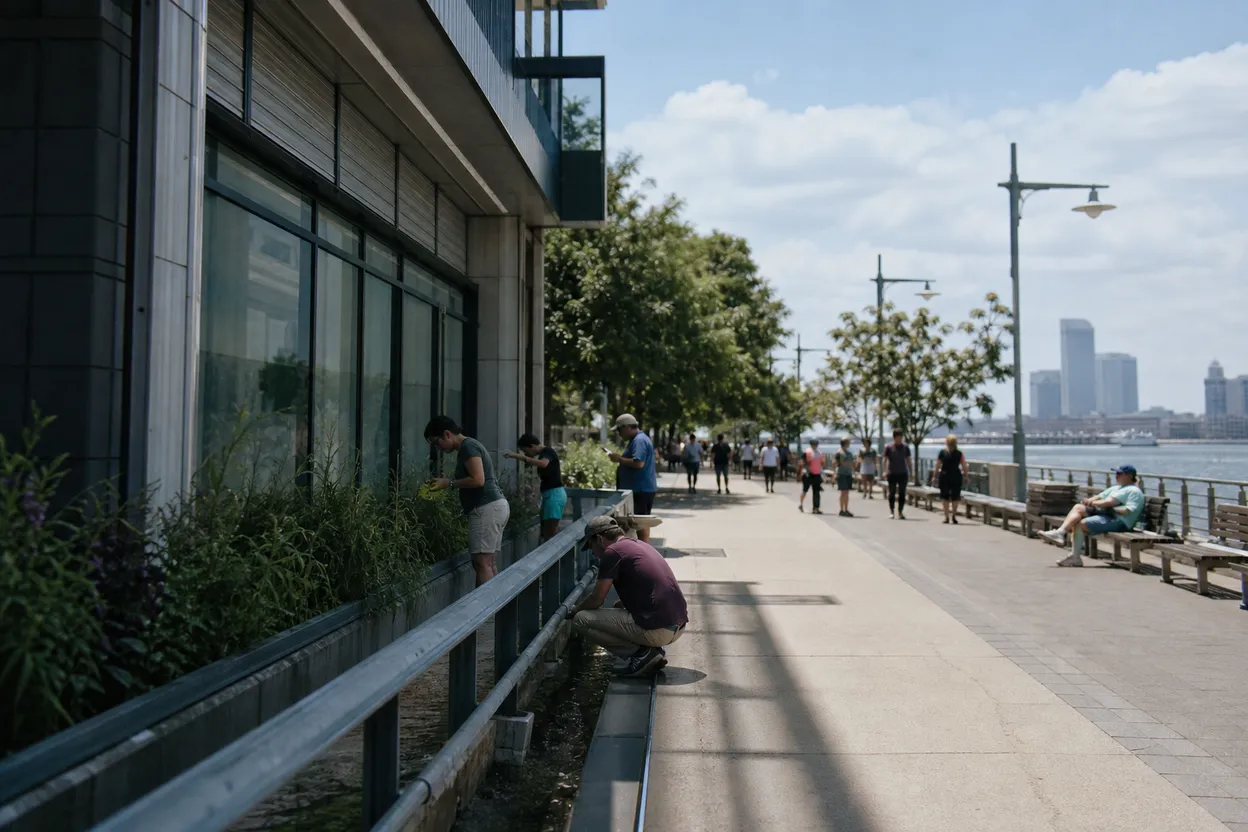
Hudson River Park Wetlab is the kind of New York stop that can rescue a weekend afternoon without turning it into a full museum day. The draw is simple: a compact marine-science setting tied to the Hudson River, useful for curious families who want a real educational pause near the waterfront. The catch is that seasonal public access and program details should be checked before anyone builds the whole day around it. Treat the Wetlab as a flexible detour, not the only reason to cross town. Done that way, it can pair neatly with a riverside walk, a playground break, or a low-pressure backup plan nearby.
Want a quick read on whether this works for your child’s age, timing, and route? Text Karpo before you go and ask for the practical version.
Why This Works As A Short Science Stop
The Wetlab’s best use is as a focused pause in a larger Hudson River Park outing. Families should expect a compact educational stop, not a large aquarium or all-day attraction. That smaller scale is part of the appeal for children who like fish, water, ecology, and hands-on questions, but it also means adults should keep expectations tight. The strongest plan gives the visit a clear purpose and an easy exit.
Because the experience is tied to the river, it can make the waterfront feel less abstract for children. Instead of treating the Hudson as scenery, families can frame the stop around what lives in the estuary and why the park’s edge matters. That gives the outing a city-service angle: a free or low-cost educational detour that supports public learning, outdoor time, and neighborhood pacing without requiring a major ticketed commitment.
Check Seasonal Access Before Building The Route
The most important planning detail is access. The supplied source file did not include confirmed current hours, opening dates, or entry rules, and search-result snippets are not enough to rely on for a July 15, 2026 article. Readers should check Hudson River Park’s official Wetlab or education pages before leaving, especially if visiting on a weekend afternoon. Seasonal facilities can change public hours, program formats, or closures with limited notice.
Do not assume the Wetlab is open just because the park is open. A waterfront park can be available while a lab, classroom, or staffed educational space is closed. Families traveling with young children should make the access check before promising the stop, then repeat it the morning of the visit if the trip depends on it. The safest wording for the plan is: go if current public access is confirmed.
Best Fit For Curious Families, Not Rushy Groups
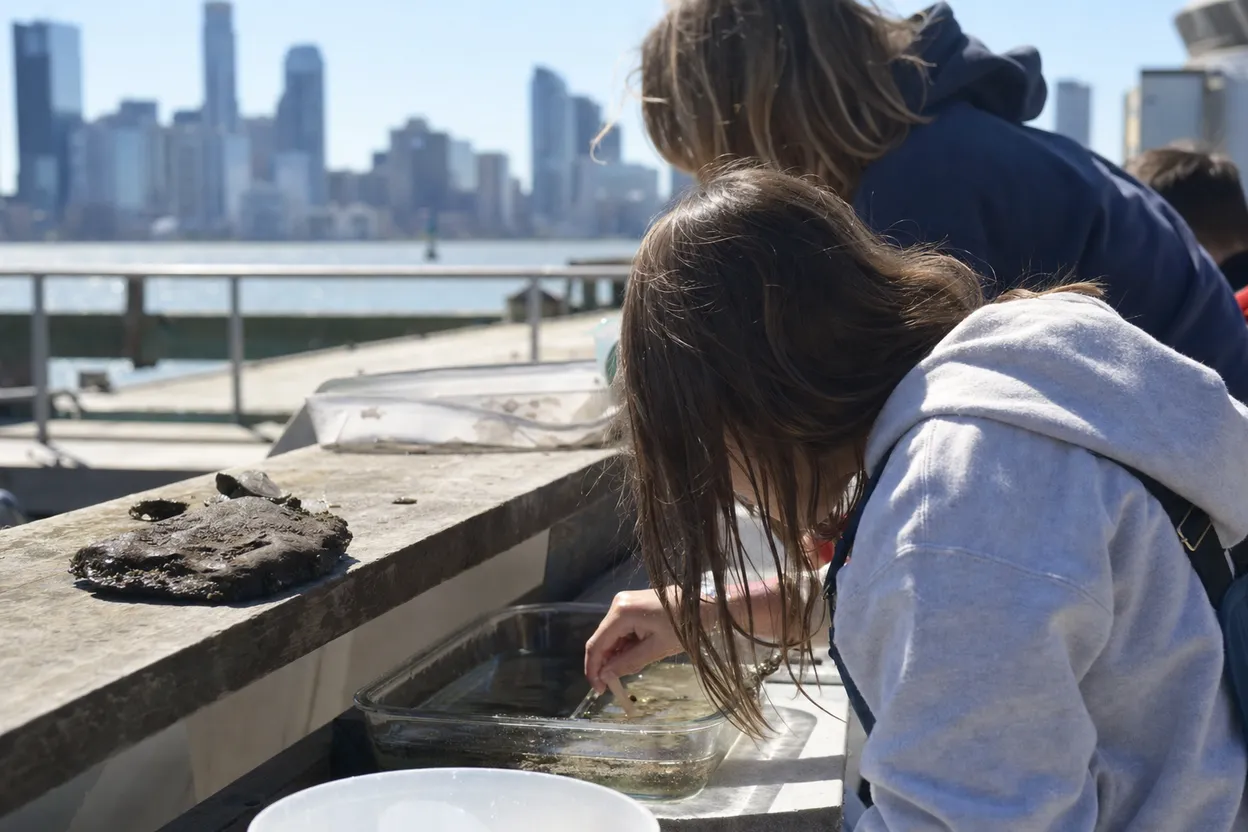
This stop is best for families who can slow down and let children observe. It may suit elementary-age visitors, science-minded older kids, and adults who enjoy short educational detours. Toddlers may still enjoy the river context, but the value depends on patience, sightlines, and how much of the space is actually open to the public that day. Families looking for rides, food halls, or a big indoor attraction may feel underwhelmed.
The difficulty level is easy if the Wetlab is open and the group is already near the west side waterfront. The challenge is not physical complexity; it is managing attention and timing. A successful visit might last only a short while, which is fine. Build the afternoon around a sequence of small wins: arrive, check in, observe, ask a question if staff are available, then move back outside before interest drops.
Pacing A Weekend Afternoon Around It
For a weekend afternoon, make the Wetlab one stop in a two-part plan. Start with the confirmed opening window, then add a flexible outdoor segment before or after it. That structure protects the day if children need movement, snacks, bathrooms, or a reset. It also avoids the common mistake of treating a small educational space as if it should carry several hours of attention on its own.
The best pacing is unhurried but bounded. Give children enough time to look closely, then leave before the visit turns into waiting around. If there is a public program, arrive with margin, because waterfront routes can be slower than expected in summer. If there is no program or access is limited, pivot quickly to walking the park rather than trying to force the original idea.
Tradeoffs Families Should Know Up Front
The main tradeoff is certainty versus spontaneity. The Wetlab sounds like an easy free detour, but any seasonal or staffed educational space needs verification. A family that checks before going can keep the stop low-stress. A family that arrives without checking risks disappointment, especially with children who were promised fish, science, or indoor time. That risk is manageable, but only if adults treat the outing as flexible from the start.
Another tradeoff is scale. A compact lab can feel more personal and specific than a major museum, but it will not offer the same volume of exhibits, amenities, or crowd absorption. If multiple families are meeting, confirm whether the space suits the group size and whether any visit requires registration. If a child needs quiet, step-free certainty, or predictable seating, verify those details directly with the venue.
Accessibility, Weather, And Comfort Planning
Accessibility should be checked through official Hudson River Park information before the visit, because exact routes, entrances, elevator availability, restroom access, and temporary closures can change. Families using strollers, wheelchairs, mobility aids, or sensory supports should avoid relying on old listings. Ask practical questions: where to enter, whether the public space is step-free, whether restrooms are nearby, and whether staff recommend a particular arrival point.
Weather matters because the Wetlab works best inside a broader waterfront plan. Heat, storms, poor air quality, or strong wind can make the outdoor portion less pleasant, even if the educational stop is available. Bring the ordinary city basics: water, sun protection, and a realistic snack plan. If the lab portion is brief or unavailable, the surrounding park can still work, but only if the weather supports lingering outside.
What to verify for Hudson River Park Wetlab
Before leaving, verify the official Wetlab page or Hudson River Park education calendar for current public access, dates, hours, registration requirements, cost, location guidance, and any age notes. Confirm the route from your starting point using live transit or navigation, not memory. If meeting another family, share the same source link so everyone has the same expectation about timing and backup options.
Set the backup before the child hears the headline plan. A good backup is nearby, public, and simple: continue walking the waterfront, use a playground if appropriate, or shift to another confirmed indoor stop in the area. The Wetlab is strongest when it adds a smart educational layer to an afternoon, not when it becomes a brittle plan with no second option. Verify first, then keep the day easy.
Tags: #HudsonRiverPark #Wetlab #NYCFamilies #NYCWithKids #FreeNYC #MarineScience #HiddenGems #WeekendNYC #FamilyTravel #NYCParks #WaterfrontNYC #AskKarpo #BeforeYouGo #KarpoNYC
All trademarks are the property of their respective owners.
Ask Karpo first
Tell Karpo your date, group size, budget, and starting neighborhood. We’ll check current access, timing, transit, and the cleanest plan for Hudson River Park Wetlab before you head out.