
When Alexander Zverev steps onto the hard courts at the USTA Billie Jean King National Tennis Center each August and September, he carries more than racquets and ambition. The German professional has managed type 1 diabetes since he was four years old, a reality that adds invisible layers of preparation to every match he plays at the US Open. For fans watching from the stands or planning their visit to Flushing Meadows, understanding how elite athletes navigate chronic health conditions offers a window into the demanding logistics behind Grand Slam tennis. Zverev has been open about his condition, and in 2022 he formalized his commitment to diabetes awareness by founding the Alexander Zverev Foundation, an organization dedicated to supporting children and families affected by the disease.
Text Karpo Now: Tell us what you want from How Zverev Manages Diabetes During the Demanding US Open, and Karpo can track official updates, match timing, tickets, transit, and the easiest way to plan your US Open day.
Understanding Type 1 Diabetes in Athletes
Type 1 diabetes is an autoimmune condition in which the pancreas produces little or no insulin, the hormone that allows glucose to enter cells for energy. Unlike type 2 diabetes, which often develops later in life, type 1 typically appears in childhood and requires lifelong management. For someone diagnosed at age four, as Zverev was, the condition becomes woven into daily routines from the earliest memories. Managing the condition requires constant attention to food intake, physical activity, stress, and timing throughout the day.
The physical demands of a five-set tennis match can last four or five hours, with players covering miles of court during rallies that test both aerobic and anaerobic systems. Intense exercise affects blood sugar levels, and the combination of heat, humidity, and competitive stress at the US Open creates additional variables. Athletes with type 1 diabetes must anticipate how their bodies will respond to these conditions, a challenge that requires experience, planning, and often real-time adjustments. Thousands of athletes around the world have demonstrated that type 1 diabetes and elite sport are entirely compatible with proper management.
The US Open Environment
The US Open presents unique challenges for all competitors. Played on hard courts during late summer in New York City, the tournament often features high temperatures and humidity that can reach uncomfortable levels, especially during day sessions. Night sessions under the lights in Arthur Ashe Stadium offer cooler conditions but bring their own circadian rhythm considerations. The two-week format means players must maintain peak physical condition while managing recovery between matches, which may be scheduled with only a day or two of rest.
Professional tennis provides certain accommodations that help all players perform at their best. Medical timeouts, regular changeovers every two games, and set breaks offer structured moments when players can assess their condition and make adjustments. While the rules apply equally to all competitors, these built-in pauses can be valuable for athletes who need to monitor physiological markers beyond simple fatigue. The tournament's medical facilities and staff are equipped to handle a wide range of player needs, though the specifics of any individual's medical management remain private unless the athlete chooses to share them.
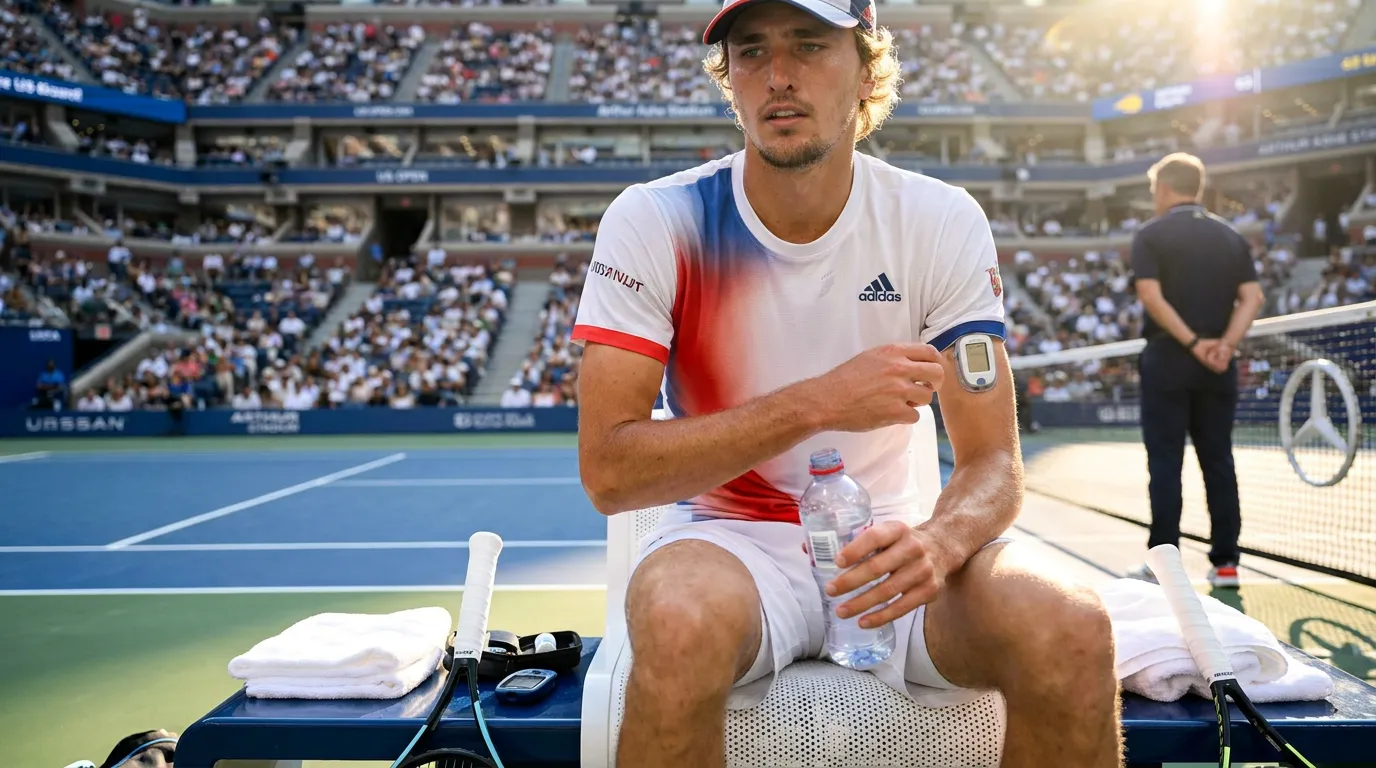
Privacy and Public Disclosure
Athletes face complex decisions about how much of their personal health information to share publicly. Zverev has chosen to be open about his diabetes, a decision that serves multiple purposes. Public disclosure can help normalize chronic conditions, showing young athletes and fans that health challenges need not limit ambition or achievement. It also provides context for observers who might otherwise misinterpret certain behaviors or routines. At the same time, being public about a diagnosis does not obligate an athlete to share treatment details, daily management strategies, or real-time health data.
The Alexander Zverev Foundation represents a proactive approach to turning personal experience into broader impact. Founded in 2022, the foundation focuses on supporting children and families dealing with diabetes, creating resources and community for those navigating similar challenges. This kind of advocacy work extends an athlete's influence beyond competition results, using platform and visibility to advance causes that might otherwise receive less attention. Charitable foundations run by athletes often become important parts of their legacy, sometimes outlasting their competitive careers and touching lives far from the tennis court.
What Spectators Might Observe
Spectators at the US Open are unlikely to observe obvious signs of diabetes management during a match, which is precisely the point. Modern medical technology and refined personal protocols allow athletes to compete without visible interruption. However, fans who watch closely might notice certain patterns that are common among all professional players and take on additional significance for those managing chronic conditions. Attention to hydration, careful food choices during breaks, and consistent routines around changeovers are universal in professional tennis but can serve multiple purposes simultaneously.
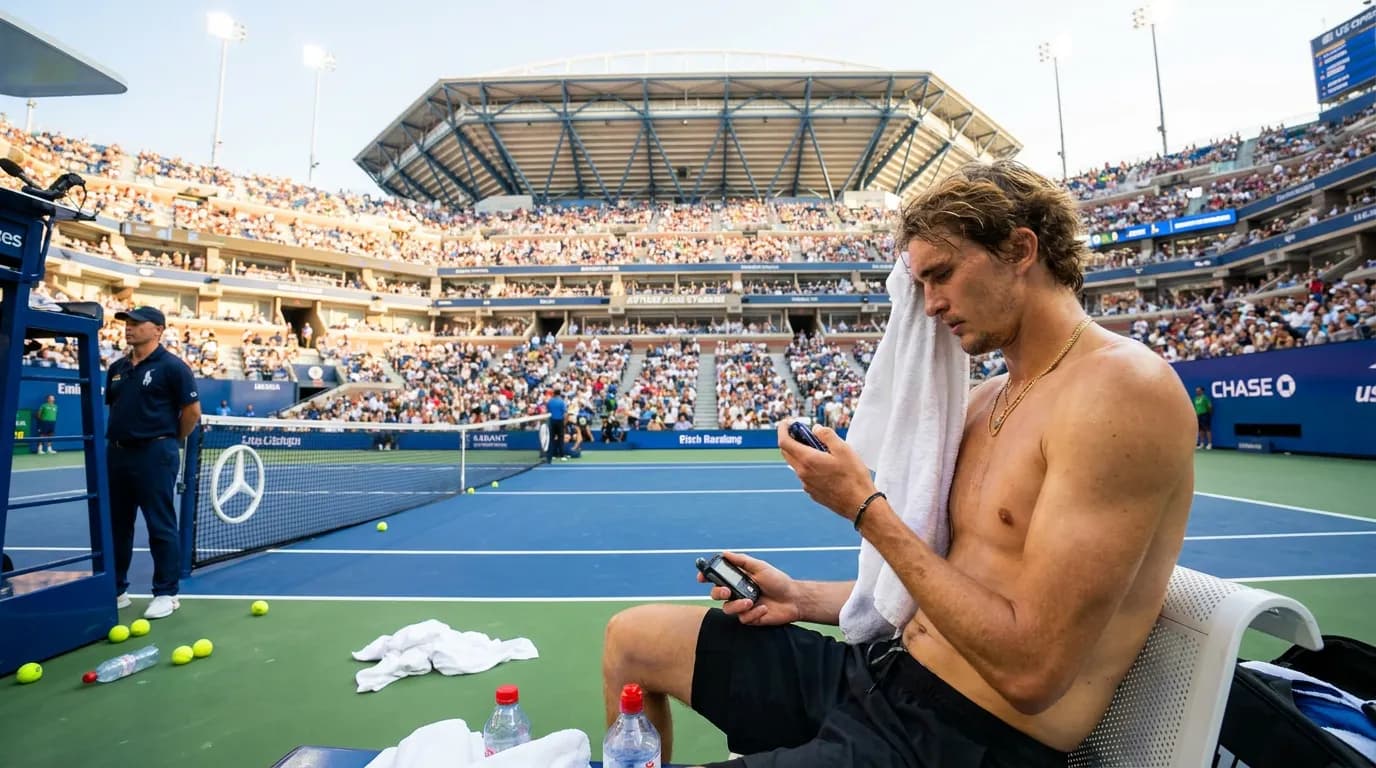
The broader lesson for spectators is that elite athletes are rarely operating under ideal conditions. Injuries, illness, jet lag, personal stress, and chronic health conditions are part of the landscape of professional sport. What appears effortless on court often represents triumph over invisible obstacles. This reality does not diminish athletic achievement but rather deepens appreciation for the dedication required to compete at the highest level. When fans understand the fuller picture of what athletes manage behind the scenes, the drama of competition gains additional dimensions.
Practical Notes
If you are planning to attend the US Open and manage diabetes yourself, the tournament grounds offer multiple food and beverage options, though prices reflect the premium nature of a major sporting event. Bringing permitted snacks and sealed water bottles can help you manage your own needs throughout a long day of watching tennis. The USTA Billie Jean King National Tennis Center is a large facility with significant walking distances between courts, so comfortable shoes and awareness of your physical limits matter. Shade is limited in some seating areas, particularly in the outer courts, so sun protection and hydration planning are essential during day sessions. Medical services are available on-site for emergencies, and accessibility services can be arranged in advance for fans who need them. Check the official US Open website for current policies on what items you can bring into the grounds, as these rules are updated periodically for security and operational reasons.
Tags: #USOpen2026 #Tennis #GrandSlam #NewYorkTennis #ArthurAsheStadium #FlushingMeadows #USOpenGuide #TennisFans #SportsTravel #HardCourt #NewYork #KarpoFinds
Sources consulted: alexanderzverevfoundation.com — Official reference · usopen.org — Official reference
All trademarks are the property of their respective owners.
Ask Karpo first
Before you lock in tickets or build a full day around an unconfirmed schedule, ask Karpo first. Share your dates, budget, and favorite players, and Karpo can help turn official US Open updates into a practical New York plan.