 Where to Eat Near Penn Station That Isn't a Chain
US Open 2026
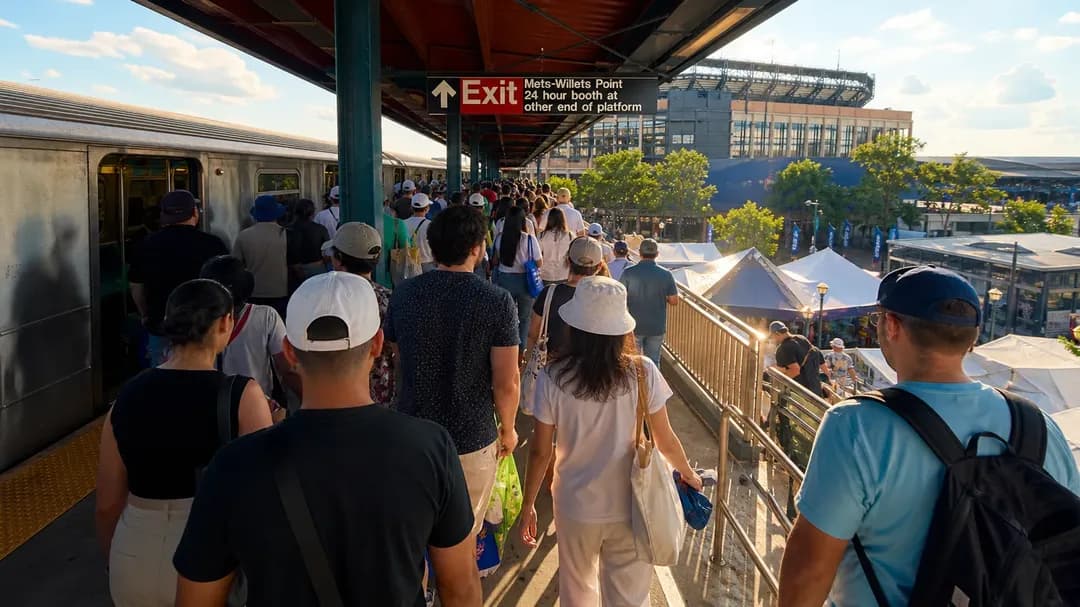
How to Reach the US Open from Manhattan Fast
This practical guide helps US Open fans travel from Manhattan to Flushing Meadows with fewer transfers, better buffers, and smarter backup routes.
Getting from Manhattan to the US Open is usually a manageable cross-borough trip, but it works best when you treat transportation as part of the event day rather than an afterthought. The USTA Billie Jean King National Tennis Center is in Flushing Meadows, Queens, and visitors coming from hotels, offices, restaurants, or sightseeing in Manhattan will often compare subway, rail, and transfer-based routes. The best choice depends on your exact starting point, your comfort with crowds, the amount of walking you want to do, and whether you are attending a day session, a night session, or spending a longer stretch on the grounds. Transit conditions, service changes, and travel times vary, so check current MTA guidance and official US Open travel updates before departure.
Text Karpo Now: Tell us what matters most for How to Reach the US Open, and Karpo can turn current US Open updates into a practical plan before you go.
Start With Your Location
The fastest-looking route on a map is not always the lowest-friction route in real life. If you are near the east side of Midtown, a direct transit option may feel easier than crossing Manhattan first. If you are downtown, on the Upper West Side, or far from a convenient subway connection, the first leg can matter as much as the Queens leg. Build the plan from your actual doorway, not from a generic “Manhattan” starting point, and compare the total number of stairs, platforms, station changes, and decision points.
For most fans, the goal is simple: fewer transfers, fewer chances to miss a connection, and an arrival that leaves room for security screening, wayfinding, restrooms, food, or merchandise before tennis begins. A route with one clear transfer may be better than a route that appears faster but requires several platform changes. That is especially true if you are traveling with children, older relatives, luggage after hotel checkout, or friends who may split up during a crowded transfer.
- Confirm your session, gate guidance, and posted travel notes on the official US Open visitor pages before leaving.
- Use current MTA US Open guidance and live service information instead of relying on an old screenshot or saved route.
- Choose a meeting point before boarding in case your group gets separated underground or near the grounds.
- Keep your ticket, phone battery, and payment method accessible before the final approach.
Choose Subway Simplicity
For many Manhattan visitors, the subway is the most straightforward public-transit choice because it does not require a separate commuter-rail ticket or a reserved departure. The MTA’s US Open guidance is the place to confirm current subway routing to the event area, including service patterns and planned changes. In ordinary fan terms, the subway advantage is flexibility: if one train is missed, another may be available later, and you are not tied to a specific departure selected earlier in the day.
The tradeoff is crowding and variability. Stadium-bound riders may be joined by commuters, tourists, and other eventgoers, and platforms can feel busier around popular arrival windows. If packed cars make the trip stressful, consider leaving earlier than the last possible moment or traveling outside the most obvious rush toward a session. Do not assume that a mapping-app itinerary will stay ideal throughout the day; service adjustments, station conditions, and delays can change the best choice.
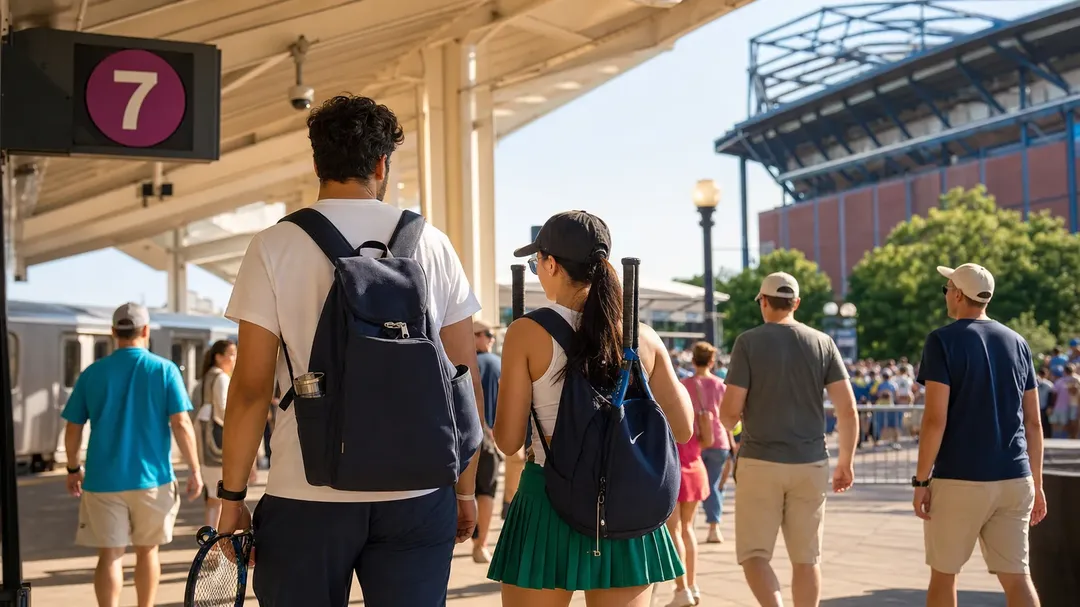
Subway planning becomes easier when you reduce transfers. Pick the Manhattan station that makes the first leg simple, then follow current signs and MTA updates toward the Queens stop serving the tennis center area. If an app offers several routes with similar projected times, favor the one you can explain in one sentence to the least transit-savvy person in your group. That simple test helps when a platform is crowded, an announcement is hard to hear, or cell service is uneven.
Consider Rail Carefully
Rail can be attractive for fans who want a more station-to-station feel, especially if their Manhattan starting point is convenient to the appropriate terminal or connecting transit. The MTA’s official US Open stadium guide is the right place to confirm current Long Island Rail Road event service details, including whether and how trains are serving the Mets-Willets Point area for the tournament. Treat rail as a current-day option to verify, not a permanent promise, because schedules and stopping patterns can vary.
The rail choice may feel cleaner for visitors who prefer departure boards, fewer local stops, and a trip that resembles commuter rail rather than a subway ride. It can also be useful if you are starting near a major Manhattan rail hub and do not want to add another subway transfer first. However, rail requires attention to direction, ticketing, platform information, and return options. If an evening session runs late, check the current return pattern before assuming the same choice will be best after the final point.
- Check whether rail is convenient from your actual Manhattan neighborhood, not just from a map label.
- Confirm the stop, direction, and return service before entering the paid area or boarding.
- If your group is large, decide whether you value a scheduled rail plan or the flexibility of the subway.
- Have a backup route ready in case the departure you wanted becomes inconvenient.
Plan Buffers and Backups
A smart US Open arrival plan includes a buffer, but not because fans need to panic. The buffer is for normal event-day friction: a slower walk to the station, a missed train, a crowded platform, a restroom stop, a longer security line, or the need to find the right entrance after reaching Flushing Meadows. Tennis also has its own rhythm. Day sessions can mean longer movement around the grounds, while night sessions can create concentrated arrival waves. The best buffer is generous enough that a small delay does not spoil the start of your visit.
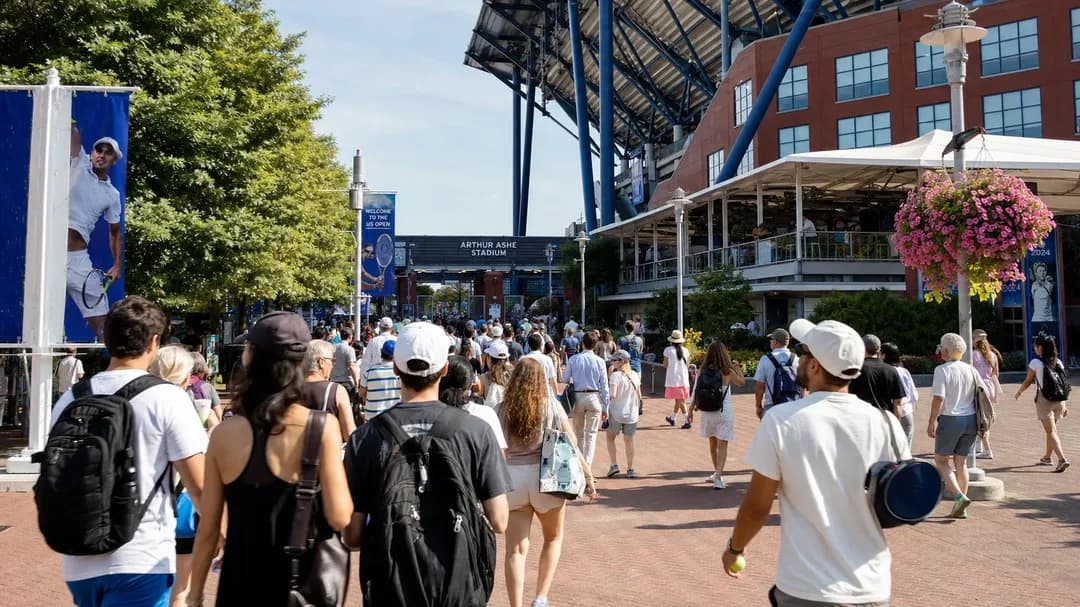
Transfers are where many Manhattan trips become less comfortable. A clear cross-platform transfer is very different from a long walk through a large station with multiple stairways and confusing exits. When comparing two routes, count the transfers and decide whether each one is worth it. A trip that asks you to change trains twice may be fine for an experienced New Yorker traveling light, but it may be a poor fit for a first-time visitor managing a group chat, digital tickets, and a tight session window.
Your backup route should be specific, not vague. “We will just take a car” is not a complete plan, because street traffic, pickup locations, pricing, and event congestion can all change. A better backup is knowing which subway or rail alternative you would use if your first route is disrupted, and where you would make that switch. If you are still in Manhattan, decide whether you would reroute before leaving, at a major transfer point, or only after checking live MTA updates.
Practical Notes
Pack for movement, not just for tennis viewing. Wear shoes that can handle station stairs, platform waits, and walking around the grounds. Leave Manhattan with your phone charged, mobile ticket ready, and travel payment method separated from anything you might need to find at the gate. If you are meeting friends, choose a landmark before you reach Queens and avoid relying on a last-minute call in a crowd. Check the official event schedule close to your visit so your arrival plan matches the session you actually hold. Recheck MTA alerts shortly before departure and again before leaving the grounds. If weather, a service change, or your group’s energy level shifts, choose the simpler route over the clever one.
Tags: #USOpen2026 #Tennis #GrandSlam #NewYorkTennis #ArthurAsheStadium #FlushingMeadows #USOpenGuide #TennisFans #SportsTravel #HardCourt #NewYork #KarpoFinds
Sources consulted: new.mta.info — Official reference · usopen.org — Official reference · usopen.org — Official reference
All trademarks are the property of their respective owners.
Ask Karpo first
Want to know what is confirmed, when to show up, and how to make how to reach the us open work for your day? Ask Karpo for current US Open updates, a respectful fan plan, and a live route around Flushing Meadows.
Ask Karpo for more information.
Keep reading
- Where to Eat Near Penn Station That Isn't a Chain
 Andytown Coffee in the Outer Sunset: The Snowy Plover Explained
- Best Things to Do in Chicago: What the City Gives Away