 Where to Eat Near Penn Station That Isn't a Chain
US Open 2026
How Tie-In Events Shape US Open Week
Tie-in events can make a US Open trip richer, but they also affect timing, transit, packing, and how much tennis a fan can realistically enjoy.
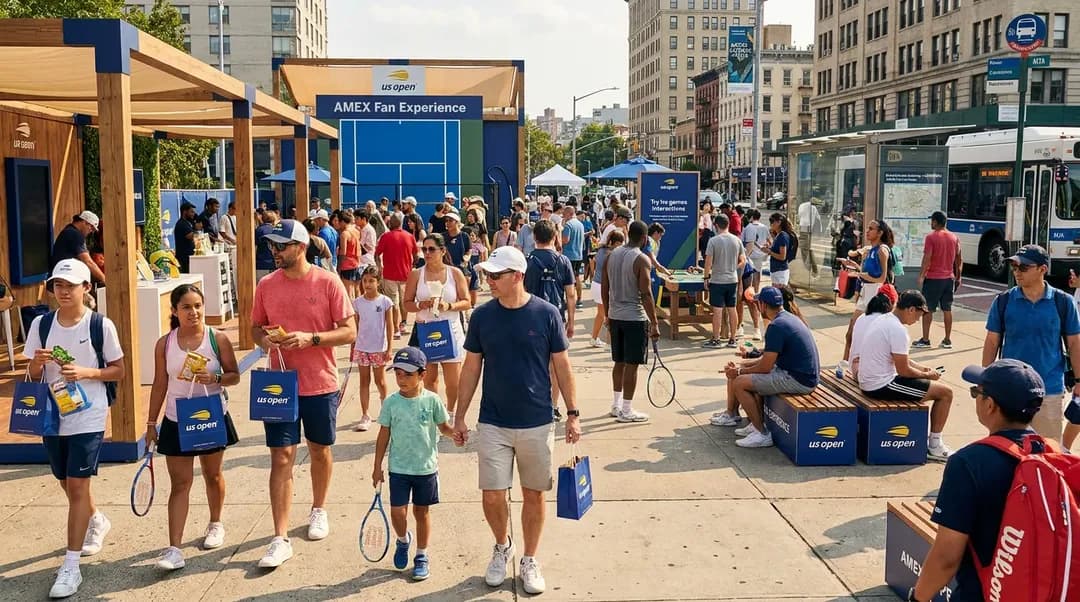
A US Open day is rarely shaped by the match ticket alone. Around the tournament, sponsor activations, public tennis activities, and New York events can pull fans toward extra stops before, between, or after sessions. Those additions can be worthwhile: they may create a livelier trip, give casual fans something to enjoy beyond scorelines, or help visitors turn one stadium visit into a fuller New York day. They can also create friction. A short promotional stop can become a line. A photo opportunity can turn into extra items to carry. A cross-town detour can leave a group rushing toward the gates instead of settling in before the tennis. The best plan treats tie-ins as part of the day’s design, not as automatic bonuses. Decide which extra experience actually improves the trip, keep the main tennis commitment protected, and be willing to skip anything that threatens the session or activity that mattered most when you booked the day.
Text Karpo for a current, low-friction plan for how tie-in events shape us open week—including timing, route checks, and practical options that fit your day.
Why Tie-Ins Matter
For “How Tie-In Events Shape US Open Week,” the useful 2026 calendar anchor is August 23 through September 13, with singles main-draw play beginning August 30. That long window creates several kinds of fan days. Some visitors will focus on main draw sessions. Others may look at Fan Week and public tennis activities before the singles main draw begins. New York travelers may also be fitting the tournament around hotels, restaurants, work obligations, museums, shopping, or family plans. Tie-ins sit between those priorities. They can make an early arrival feel worthwhile, give a non-ticketed companion a way to participate in the atmosphere, or help a group choose one date over another.
Their value is not only novelty. Tie-ins affect pacing. A fan who wants to watch as much tennis as possible should avoid turning the morning into a scavenger hunt. A family with children may benefit from a lower-pressure activity before committing to a longer stadium day. A first-time visitor may appreciate time to understand the grounds and nearby movement patterns before a ticketed session. The key is to separate the fixed element from the flexible one. If the fixed element is tennis, the add-on should bend. If the fixed element is a broader New York outing, the tennis-related stop should be chosen for convenience, not just curiosity.
Sponsor Events Around Sessions
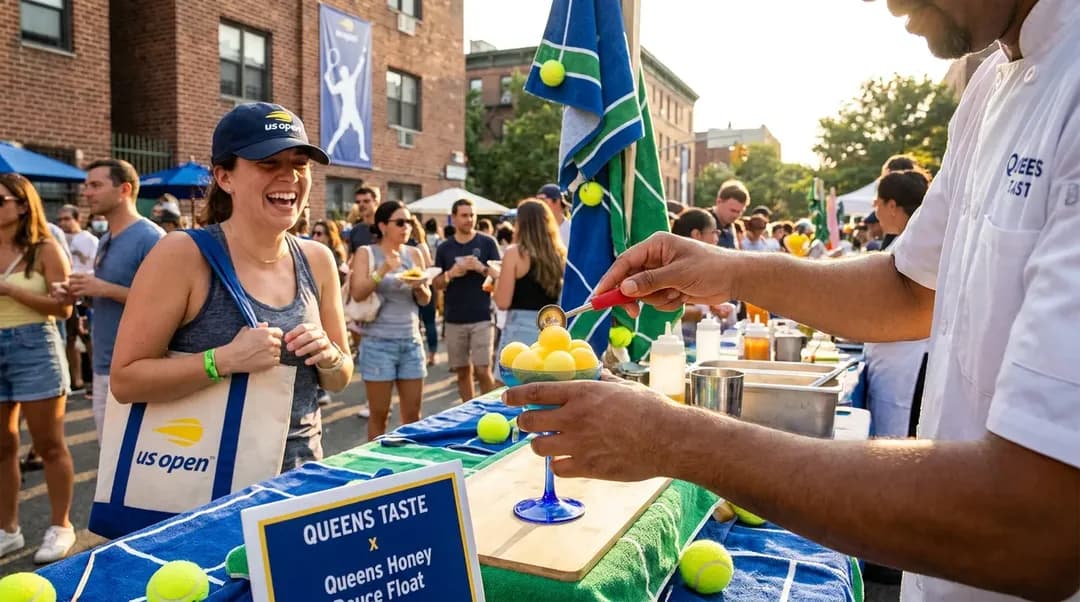
Sponsor events work best when they are treated as optional layers around a session, not as the spine of the day. An activation near the grounds, in a retail location, or at a hospitality venue may sound easy until it requires registration, a queue, a separate check-in, or a detour from the route to the tournament. That time competes with entering the site, finding seats, buying food, using restrooms, and simply adjusting to crowds and weather. For a fan with one important session, the test is simple: would the stop still feel worth it if it took twice as long as expected? If not, it belongs after the tennis or on another day.
These events also change what fans carry. Samples, merchandise, posters, and photo props can be fun in the moment and annoying for the next six hours. A light packing plan matters because stadium visits involve walking, screening, seat rows, and long periods without wanting to manage clutter. Advice: if you expect to collect anything, decide in advance whether it can fit comfortably in the bag you already planned to bring. If it cannot, skip it or arrange a hotel drop-off before going to the venue. Do not assume a sponsor appearance, giveaway, price, or entry option unless the organizer confirms it for that specific event.
- Use sponsor stops only when they fit naturally before or after the tennis you care about most.
- Avoid placing a registration-based event immediately before a must-see session or match window.
- Treat giveaways as optional if carrying them would make the rest of the day harder.
- Keep event confirmations, tickets, and maps easy to reach on your phone.
Public Tennis Before Main Draw
Public tennis activities before the singles main draw can be useful for fans who want US Open atmosphere without making every decision depend on a marquee match. The official Fan Week information is the planning reference for that part of the experience. For some visitors, this period can make the tournament more approachable: a child can see the setting, a casual fan can sample the energy, and a serious fan can observe tennis rhythms without the same pressure that comes with a single expensive day built around one seat. It can also help travelers learn how long it takes to reach the grounds and move around the site.
The risk is assuming that open or public programming is effortless. Popular activities can still involve waiting, crowding, weather exposure, or capacity limits. Advice: choose one purpose for the day. Make it a grounds-orientation day, a family tennis day, a casual festival-style visit, or a focused watch-tennis day. Trying to make it all of those at once can turn a flexible opportunity into another overbooked itinerary. Fans planning both Fan Week activities and later main draw sessions should use the earlier visit to simplify the later one: note entrances, walking distances, food preferences, shaded areas, and the amount of time the group realistically needs before settling in.
City Programming And Detours
New York can amplify the week because tennis is only one draw in a crowded late-summer city. A tennis-themed promotion, restaurant plan, shopping stop, cultural event, or brand installation may pair well with the tournament, but it can also compete for attention, transportation, and energy. The issue is not only distance on a map. A detour from Queens to Manhattan and back, or from a hotel to a sponsor stop and then to the venue, can affect meals, phone batteries, patience, and arrival time. Fans should plan by zones. A day built around the tournament area is different from a day built around a Manhattan hotel or a cross-borough sightseeing route.
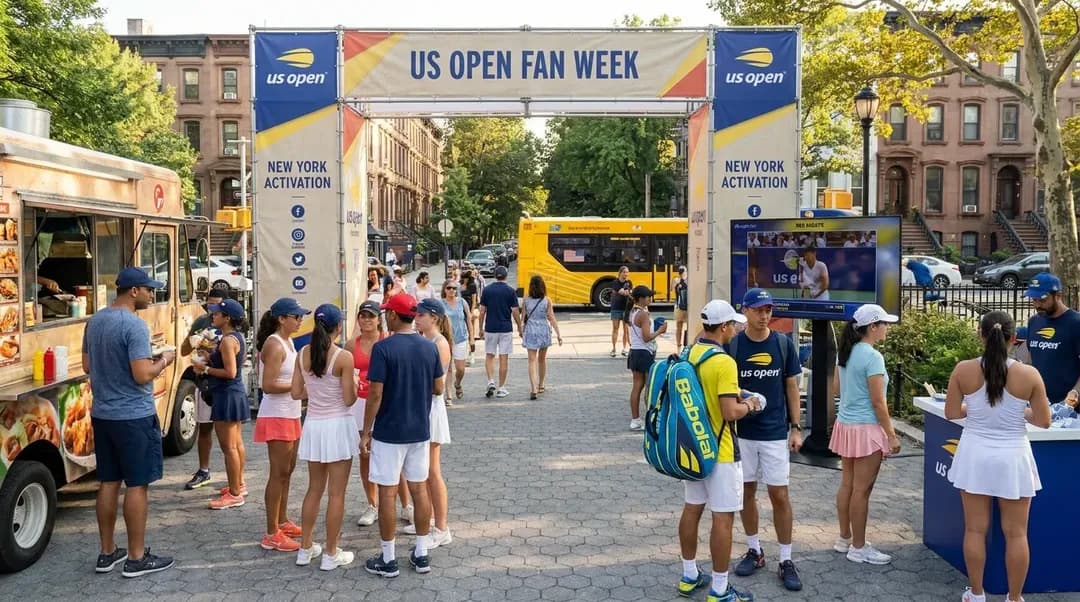
Tie-ins are most helpful when they solve a real planning problem. A nearby event can give early arrivers something to do. A city stop can keep a mixed-interest group happy before the tennis begins. A post-session plan can prevent everyone from debating options while tired. They become less helpful when they add uncertainty without adding much value. Advice: name the nonnegotiable moment before adding anything else. That may be the time you want to be through the gates, the start of a ticketed session, a dinner reservation, or the point when the group needs to head back. Once that moment is clear, add only the tie-ins that still leave a realistic buffer.
- Build around one fixed tennis commitment, then add nearby extras only if they support the day.
- Avoid curb-to-seat timing; leave room for lines, transit delays, and group regrouping.
- Pick meeting points that still work if phones are low or the group splits up.
- Keep one easy exit option from any city detour before heading to the venue.
Practical Notes
Advice: before travel, use the official event schedule, Fan Week page, and plan-your-visit information as the final references for the tournament pieces of the day. Because “How Tie-In Events Shape US Open Week” depends on live operations, verify the specific schedules, gates, transit conditions, local hours, inventory, and venue rules that affect this plan. Keep the bag plan conservative. Before acting on “How Tie-In Events Shape US Open Week,” recheck the official security page; its current limit is one searchable bag per guest, no larger than 12 by 12 by 16 inches. Save essential tickets, registrations, and directions where they can be accessed quickly. Most important, give yourself permission to abandon a tie-in. The right extra should make US Open week feel smoother, fuller, or more memorable, not push you into missing the tennis experience you planned around.
Tags: #USOpen2026 #Tennis #NewYork #Queens #FlushingMeadows #USOpenGuide #TennisFans #SportsTravel #NYCEvents #HardCourt #KarpoFinds #Karpo
Sources consulted: usopen.org — Official reference · usopen.org — Official reference · usopen.org — Official reference
All trademarks are the property of their respective owners.
Ask Karpo first
Want to know what is confirmed, when to show up, and what is actually open to the public? Ask Karpo for the latest US Open updates and a practical New York plan for how tie-in events shape us open week.
Ask Karpo for more information.
Keep reading
- Where to Eat Near Penn Station That Isn't a Chain
 Andytown Coffee in the Outer Sunset: The Snowy Plover Explained
- Best Things to Do in Chicago: What the City Gives Away