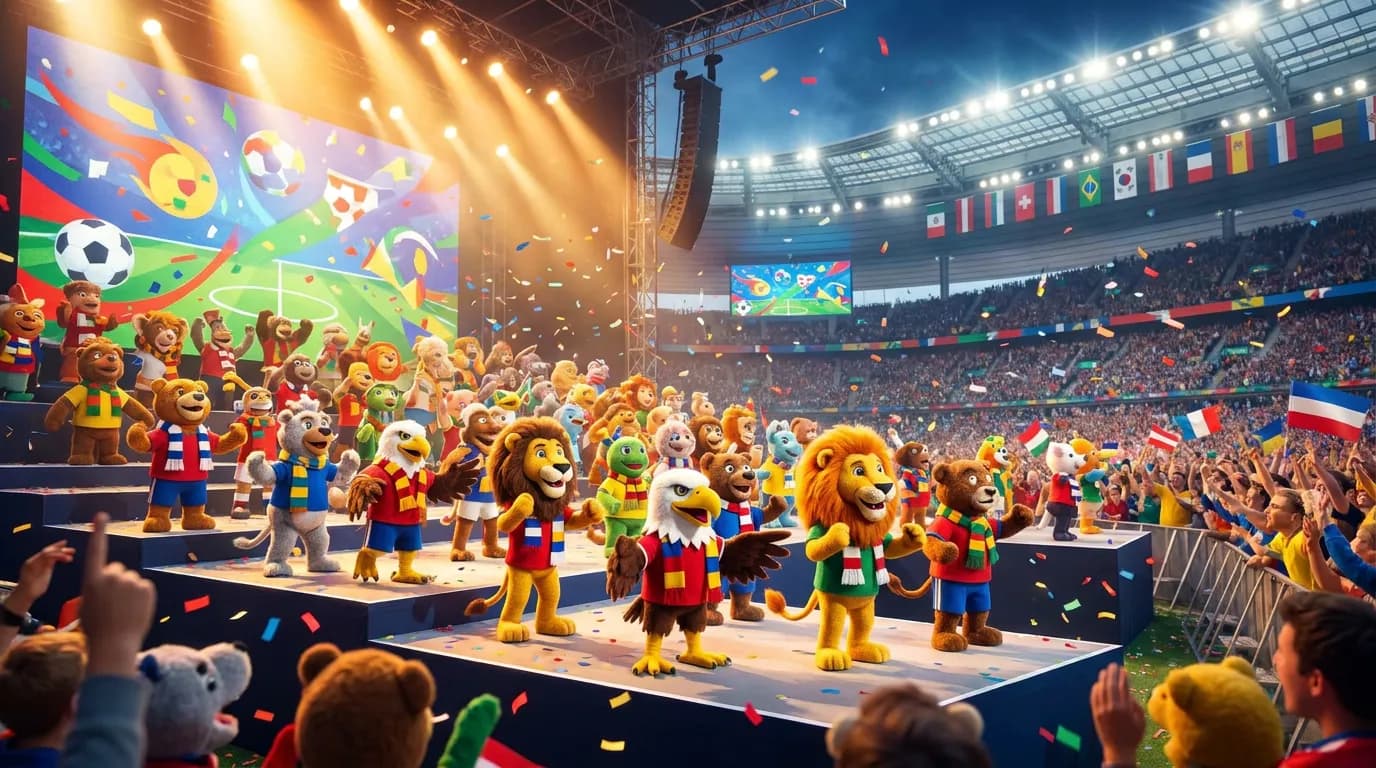
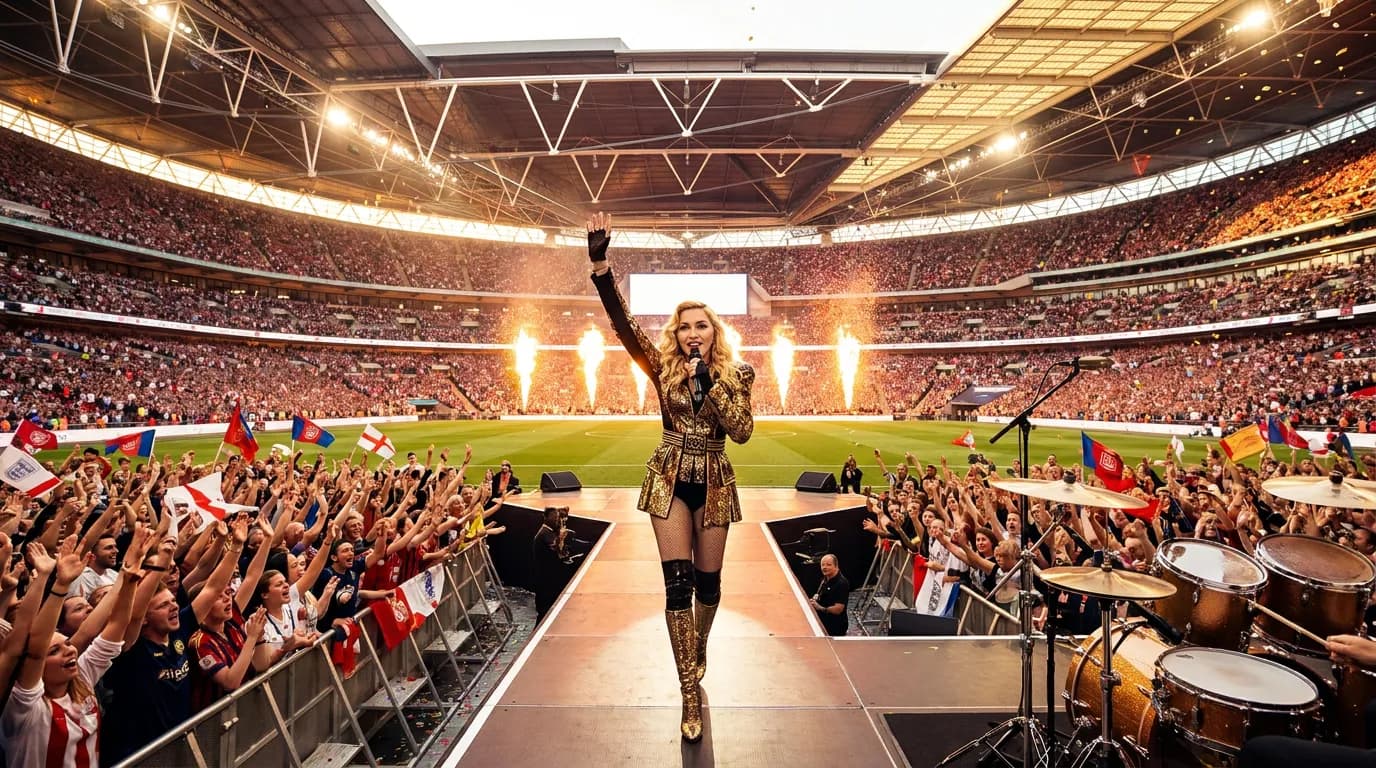
When Pelé lifted the Jules Rimet Trophy in 1970, just 16 nations had battled for soccer's ultimate prize. Fast forward to 2026, and that number will triple to 48 teams across the United States, Canada, and Mexico. This isn't just expansion for expansion's sake—it's a complete reimagining of how the world's most-watched sporting event will unfold, creating ripple effects that will transform everything from qualification drama to TV schedules.
The change represents the most significant World Cup format shift since the tournament moved to 32 teams in 1998. For American fans already buzzing about hosting duties, understanding this new structure is crucial to appreciating just how different—and potentially more thrilling—the 2026 experience will be.
More Nations, More Cinderella Stories
The expanded format creates space for 16 additional countries, opening doors for nations that have spent decades on the outside looking in. Take a country like Canada—co-hosts who hadn't qualified for a World Cup between 1986 and 2022. Under the old system, their 2022 qualification felt miraculous. In 2026, similar stories will multiply across every continent.
Each confederation receives expanded allocation slots: Europe jumps from 13 to 16 spots, Africa grows from 5 to 9, Asia increases from 4.5 to 8.5, and CONCACAF (North/Central America and Caribbean) balloons from 3.5 to 6.5 slots, plus the three automatic host nation berths. South America maintains 6 spots for 10 countries, making it still the most competitive region percentage-wise.
This redistribution matters enormously for global soccer development. Nations like Panama, which made their first World Cup in 2018, will have more realistic paths to qualification. African powerhouses like Nigeria, Algeria, and Egypt—who've missed recent tournaments despite strong soccer traditions—face better odds of reaching the world stage.
The psychological impact extends beyond the 16 newcomers. Traditional powers will face more diverse opposition earlier in the tournament, while smaller nations gain invaluable experience that typically translates into stronger domestic leagues and youth development programs.
A Longer Tournament Timeline Changes Everything
Forget the familiar four-week World Cup rhythm. The 2026 tournament stretches across 39 days, nearly a full month longer than recent editions. This extended timeline fundamentally alters the tournament's relationship with professional soccer calendars, television programming, and fan engagement patterns.
The tournament jumps from 64 to 104 total matches, meaning more soccer but also more complex logistics. For American fans planning their viewing schedules, this creates both opportunities and challenges. Prime-time matches across three time zones will offer more convenient viewing windows for different regions, but the extended calendar means maintaining tournament fever for over five weeks.
European clubs, already resistant to World Cup disruptions, face even longer periods without their star players. This tension could reshape transfer windows and league schedules globally. MLS, perfectly positioned with its spring-to-fall calendar, might find itself in an advantageous position as other leagues wrestle with the extended international break.
The marathon format also changes how teams must prepare physically and mentally. Squad depth becomes even more crucial, potentially favoring nations with stronger domestic leagues and larger player pools over smaller countries that rely heavily on a core group of stars.
Group Stage Revolution: From Four Teams to Three
Perhaps the most radical change involves scrapping the traditional four-team group format that's defined World Cups since 1986. Instead, 16 groups of three teams each will compete, with the top two from each group advancing alongside the eight best third-place finishers.
This shift eliminates one of soccer's most beloved tactical elements: final group stage matchdays where four teams play simultaneously, creating real-time qualification drama. Remember Spain and Portugal's 2018 group finale against Iran and Morocco? Those nerve-wracking parallel storylines disappear under the new format.
However, three-team groups introduce their own strategic wrinkles. Every match carries enormous weight, as teams play just two group games before learning their fate. No more using the third game to rest stars or play for specific results—every lineup decision becomes crucial.
The format also reduces the risk of collusion that occasionally surfaces when the final two teams in a four-team group both know exactly what result sends them through. With three-team groups, that mathematical certainty becomes nearly impossible to predict.

Knockout Stage Expansion Creates New Pressure Points
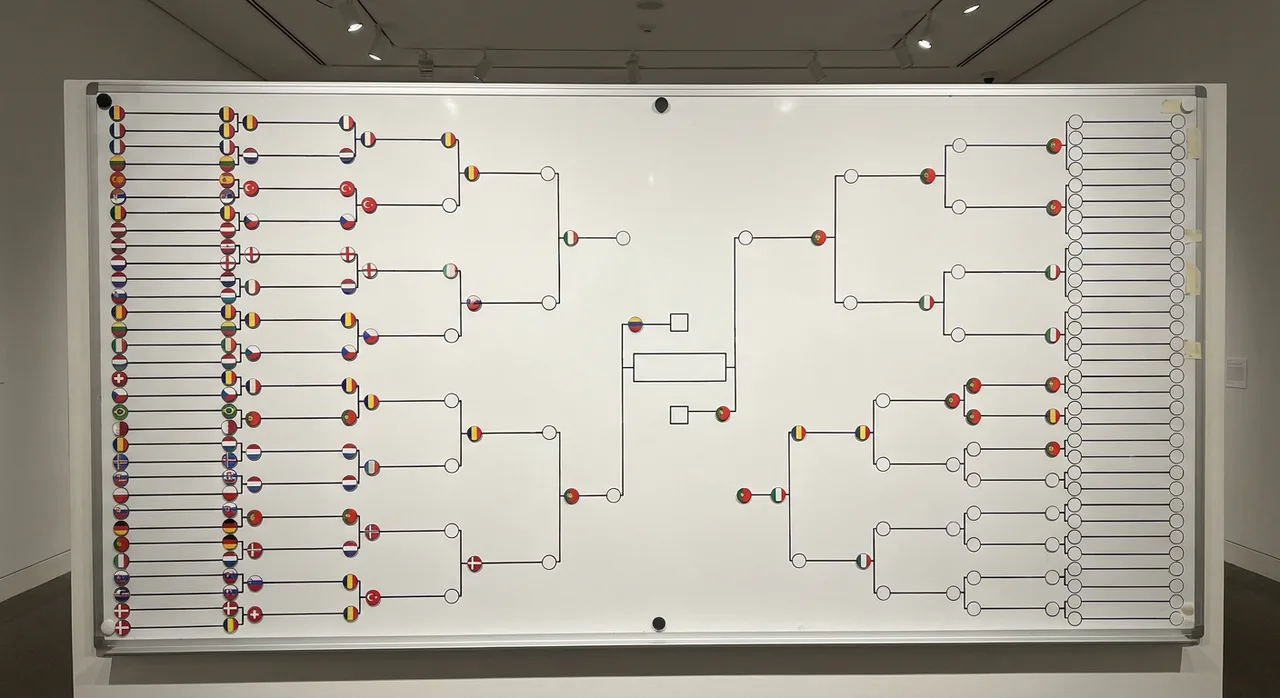
The knockout rounds grow from 16 to 32 teams, adding an entirely new elimination phase. This "Round of 32" creates fresh opportunities for upsets while giving more nations taste of knockout soccer's unique pressure.
Historically, reaching the Round of 16 marked significant achievement for smaller nations. Now, that psychological milestone shifts to the Round of 32, while traditional powers face earlier tests against opponents with nothing to lose. Brazil or Germany could theoretically fall to an inspired underdog performance before reaching the tournament's second week.
The expanded knockout stage also means more penalty shootouts, more last-minute heroics, and more heartbreak across a broader range of nations. For American television audiences, this translates into more must-watch elimination matches spread across additional weekends.
The format change also affects how we measure tournament success. Reaching the quarterfinals—previously achieved by eight teams—now represents a more exclusive accomplishment, as 32 teams enter knockout play but only eight advance beyond the Round of 16.
Host City Logistics and Fan Experience Transformation
Spreading 104 matches across three countries creates unprecedented logistical complexity but also unique opportunities for fans. The tournament will use 16 host cities, from Vancouver to Mexico City, creating the most geographically diverse World Cup ever.
American fans can potentially attend matches without international travel, while the expanded format means more games in each host city. Cities like Los Angeles, New York, and Dallas will each host multiple matches across different tournament phases, creating extended festivals rather than brief tournament stops.
However, following a specific team becomes more challenging. Fans hoping to track their nation's journey may face flights between countries for consecutive matches. The group stage draw will be crucial in determining which cities host each group, affecting everything from hotel bookings to local economic impact.
The three-nation format also creates unique cultural blend opportunities. Mexican fan traditions, American sports entertainment production values, and Canadian organizational efficiency will merge into something entirely new in soccer tournament presentation.
Practical Notes
For American fans planning their 2026 experience, several key dates matter: FIFA typically announces host city assignments for specific groups about six months before tournaments begin. Ticket sales usually open in phases, starting with general lottery systems approximately eight months prior.
The extended tournament timeline means vacation planning becomes more complex but potentially more rewarding. Rather than cramming multiple matches into a week-long trip, fans can space out their tournament experience or focus on specific phases that matter most to their favorite teams.
Television coverage will likely expand significantly, with multiple networks sharing broadcast rights to accommodate the increased match volume. This competition should improve viewing options and potentially reduce costs for streaming packages.
Tags: #WorldCup2026 #FIFA2026 #USMNT #Soccer #Football #WorldCupExpansion #MLS #CONCACAF #FIFA #WorldCup #SoccerTournament #InternationalSoccer #SportsTournament #GlobalSoccer
Sources consulted: fifa.com · espn.com
All trademarks are the property of their respective owners.
Ask Karpo first
Want to keep following the World Cup 2026 story? Ask Karpo for personalized bracket, live scores, and match schedule for your teams and city.