Argentina and France had played for 120 grueling minutes in the 2022 World Cup final, trading goals and momentum like heavyweight boxers. Then came the penalty shootout—five kicks each, sudden death if tied, with 1.5 billion people watching every step, every breath, every moment that stretched between Emiliano Martínez's gloves and glory. That marathon lasted nearly four hours from kickoff to Lionel Messi lifting the trophy, showcasing how World Cup matches can evolve from a simple 90-minute game into an epic that rewrites history.
The Sacred 90: Why Every Match Starts the Same
Every World Cup match begins with the same promise: two 45-minute halves separated by a 15-minute break. This timing hasn't changed since FIFA standardized it in 1897, making it one of soccer's most enduring traditions. Whether it's a group stage opener in Seattle or the final in New Jersey, that initial 90 minutes remains constant across the 2026 tournament's 104 matches.
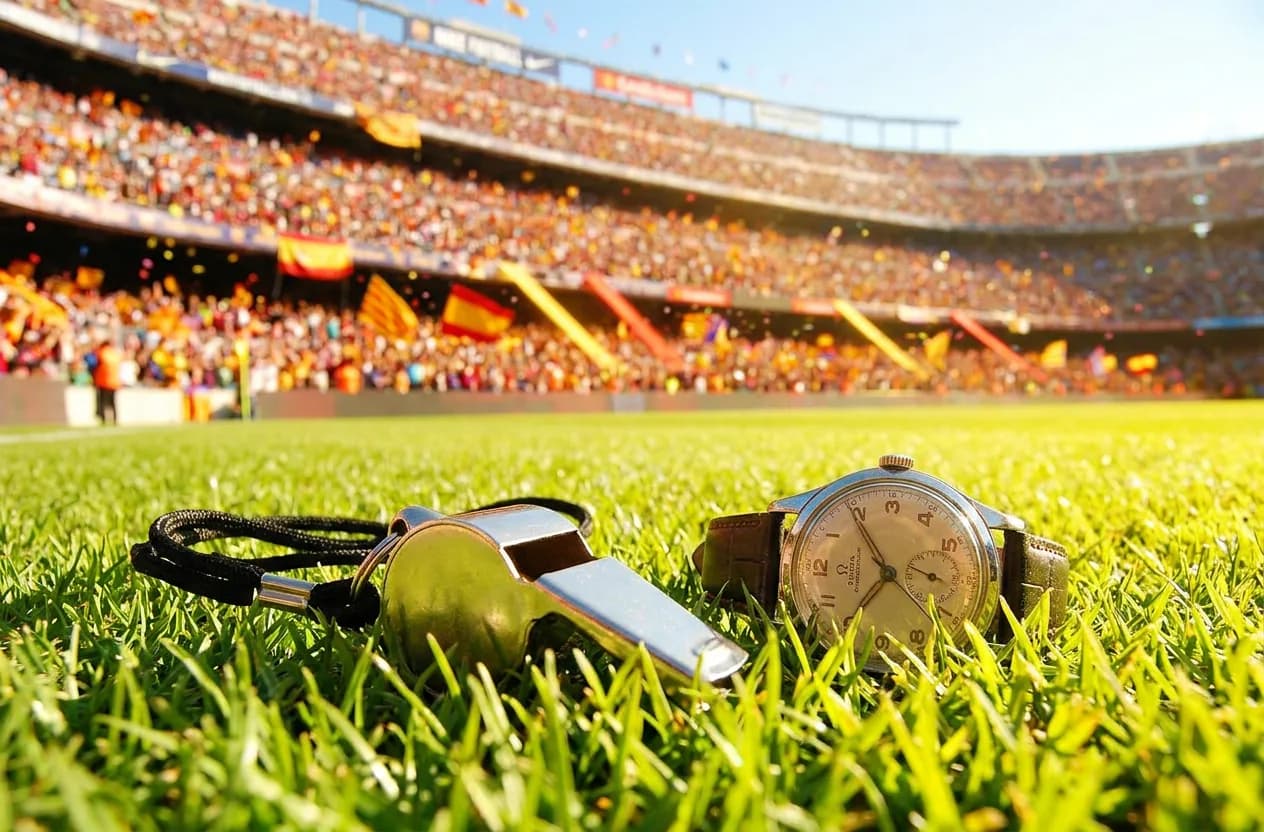
But those 90 minutes rarely end at exactly 90. The referee tracks time lost to substitutions, injuries, celebrations, and tactical delays, then adds "stoppage time" or "injury time" to each half. Modern World Cups see longer additions—the 2022 tournament averaged over eight minutes of added time per match, compared to just four minutes in previous tournaments. FIFA instructed referees to be more precise about lost time, leading to some halves stretching past 50 minutes.
When 90 Minutes Isn't Enough: Group Stage Drama
In World Cup group play, 90 minutes plus stoppage time decides everything. No extra periods, no penalties—just points awarded for wins and draws that determine which teams advance to the knockout rounds. This creates its own unique tension, where a single goal in the 95th minute can send one nation home while lifting another into the Round of 16.
The group stage has produced some of the tournament's most dramatic conclusions within this format. Germany's shocking exit in 2018 came after 90 minutes of regulation against South Korea. Brazil's stunning loss to Belgium in 2014 played out over exactly the time FIFA allocated. These matches prove that even without extra time, how long are soccer games world cup matches can feel eternal when everything hangs in the balance.
The Knockout Crucible: When Champions Need More Time
Everything changes once the knockout rounds begin. Starting with the Round of 16, tied matches after 90 minutes plus stoppage time trigger an additional 30 minutes of play—two 15-minute periods with a brief break between them. This extra time often produces the tournament's most memorable moments, when exhausted players find reserves of energy and skill that seemed impossible.
Extra time operates under sudden-death rules since 1993, meaning the first team to score wins immediately—the "golden goal" that FIFA experimented with briefly before abandoning it in 2004. Now teams play the full 30 minutes regardless of goals scored, creating opportunities for dramatic comebacks. France's 2014 Round of 16 victory over Nigeria required extra time. Croatia's entire 2018 semifinal run featured extra time in every knockout match except the final.
The 2026 tournament's expanded 48-team format means even more knockout drama, with 36 elimination matches potentially stretching beyond regulation. Each of these could theoretically reach the four-hour mark that defined Argentina's championship run.
The Ultimate Test: Penalty Shootouts and Sudden Death
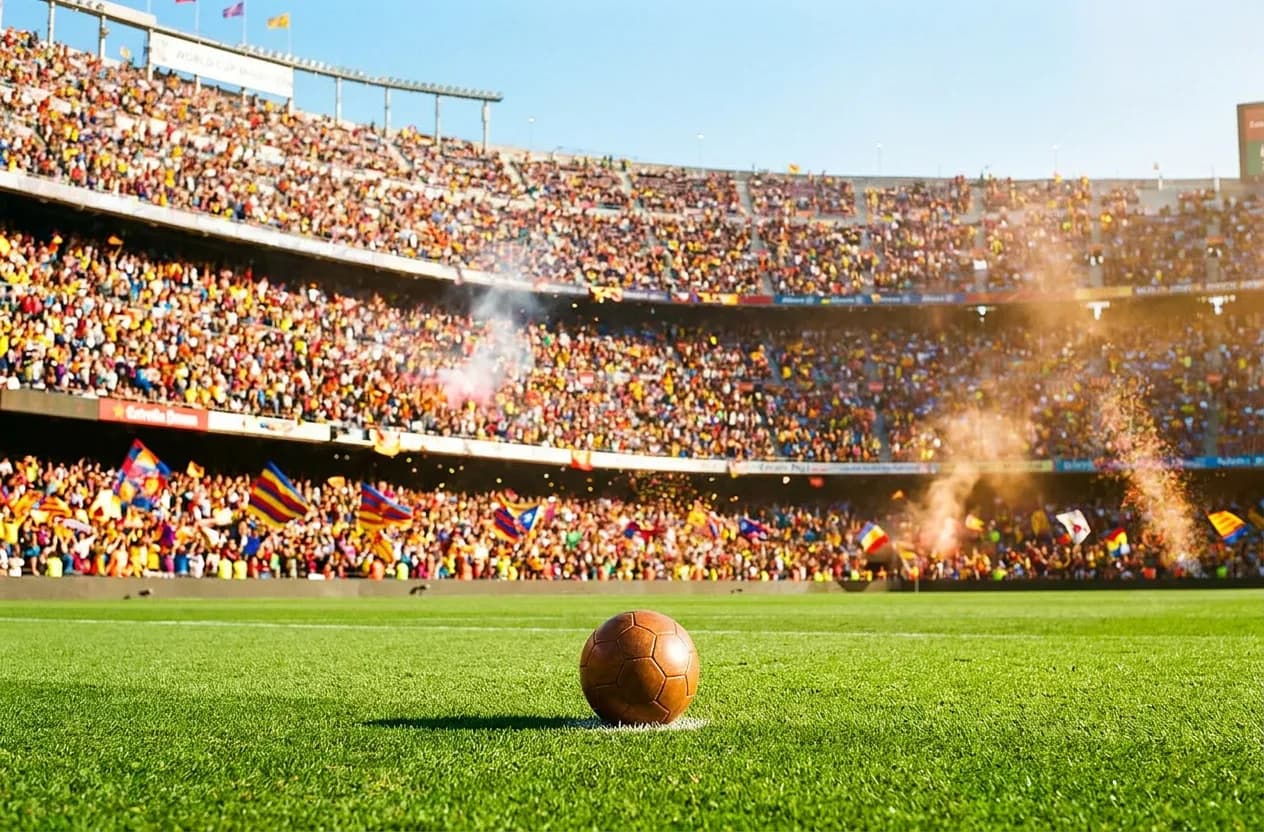
When 120 minutes can't separate two teams, soccer turns to its most nerve-wracking conclusion: the penalty shootout. Each team selects five players to take alternating shots from 12 yards, with only the goalkeeper defending the entire goal. If still tied after five rounds, the shootout continues in sudden-death format until one team gains an advantage after an equal number of attempts.
Penalty shootouts have decided some of the World Cup's most significant matches. Brazil lost the 1998 final to France after Roberto Baggio missed his penalty. Germany won the 2006 semifinal against Argentina in a shootout that lasted seven rounds. Italy claimed the 2021 European Championship (not a World Cup, but using the same format) after goalkeeper Gianluigi Donnarumma became the hero in the final penalty sequence.
The psychology of penalties creates a different kind of soccer entirely. Suddenly the world's best players must perform a simple skill under ultimate pressure, while goalkeepers transform from shot-stoppers into mind readers trying to guess direction and timing. These shootouts can add another 15-20 minutes to already extended matches.
The 2026 Factor: More Teams, More Time
The 2026 World Cup's expansion to 48 teams creates more opportunities for extended matches. With 104 total games compared to 64 in previous tournaments, the knockout rounds will feature additional matches where regulation time might not suffice. The tournament spans three countries—United States, Canada, and Mexico—meaning television broadcasts must account for matches potentially lasting four hours across multiple time zones.
This expansion also increases the likelihood of penalty shootouts, simply through mathematical probability. More knockout matches mean more opportunities for evenly matched teams to battle through 120 minutes. American audiences, still growing accustomed to soccer's rhythms, will experience the full emotional arc from regulation through extra time to penalties across multiple venues from Vancouver to Mexico City.
Practical Notes
Plan accordingly when attending or watching knockout stage matches. Regulation 90 minutes can stretch to four hours with extra time and penalties. Stadium policies typically keep gates open during extended play, but transportation and parking situations change significantly. Television schedules often build in buffer time for major knockout matches, but streaming and recording plans should account for potential delays. Bring patience—World Cup drama rarely follows the clock, and the most memorable moments often come in those extra minutes that transform good matches into legendary ones.
Tags: #WorldCup2026 #FIFA2026 #SoccerRules #WorldCupTiming #KnockoutRounds #PenaltyShootout #ExtraTime #USACanadaMexico2026 #WorldCupSchedule #SoccerBasics #FIFARules #FootballTiming #WorldCup
Sources consulted: fifa.com · espn.com
All trademarks are the property of their respective owners.
Ask Karpo first
Want to keep following the World Cup 2026 story as it unfolds? Ask Karpo for a personalized bracket, live score alerts, and a match schedule tailored to your teams and your city.