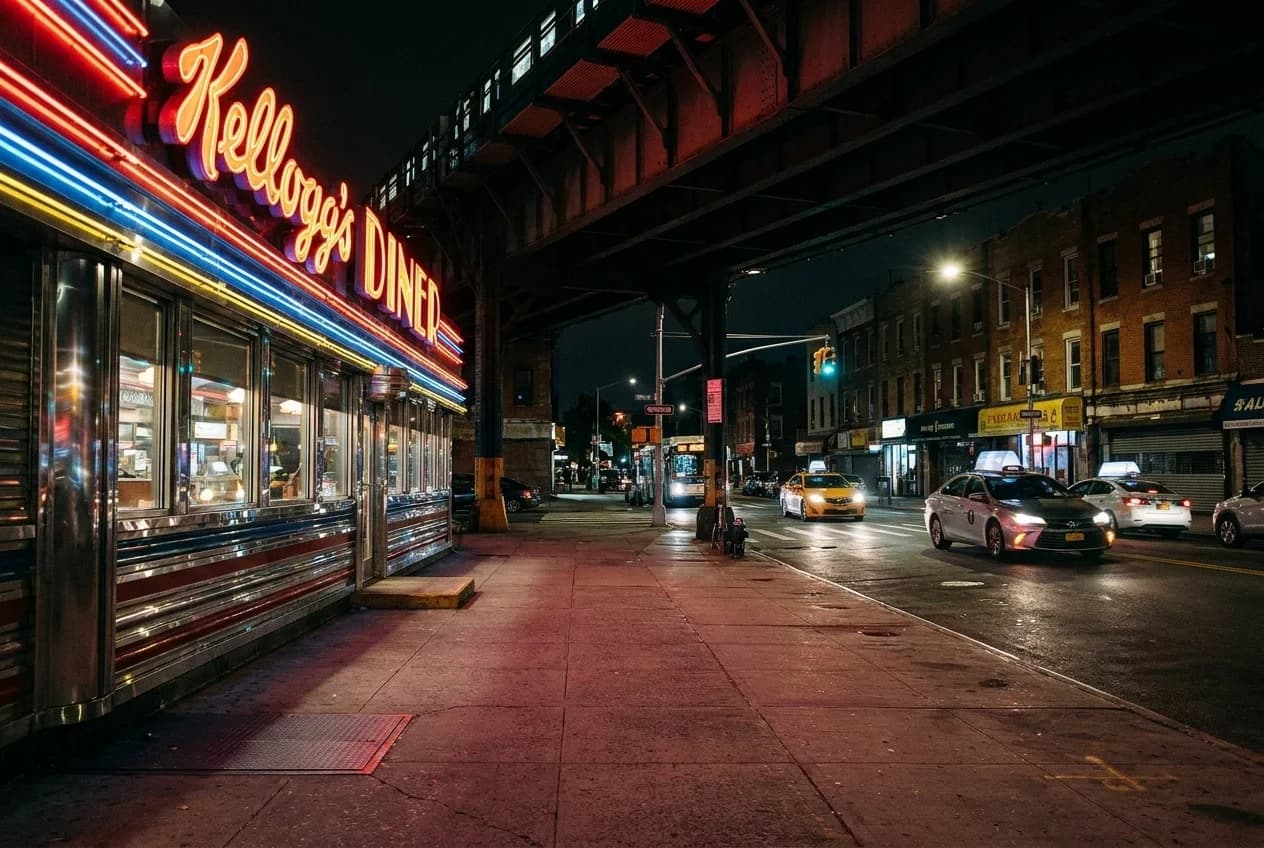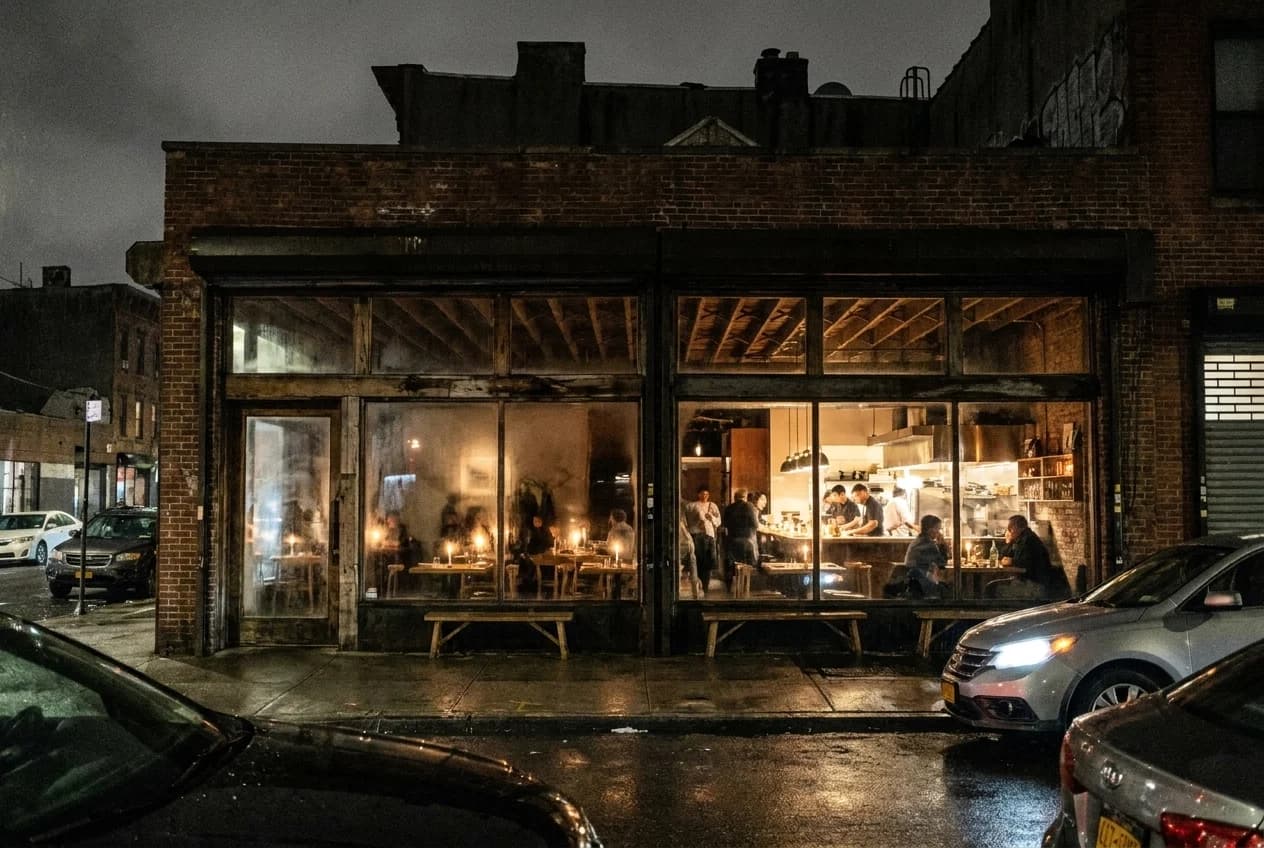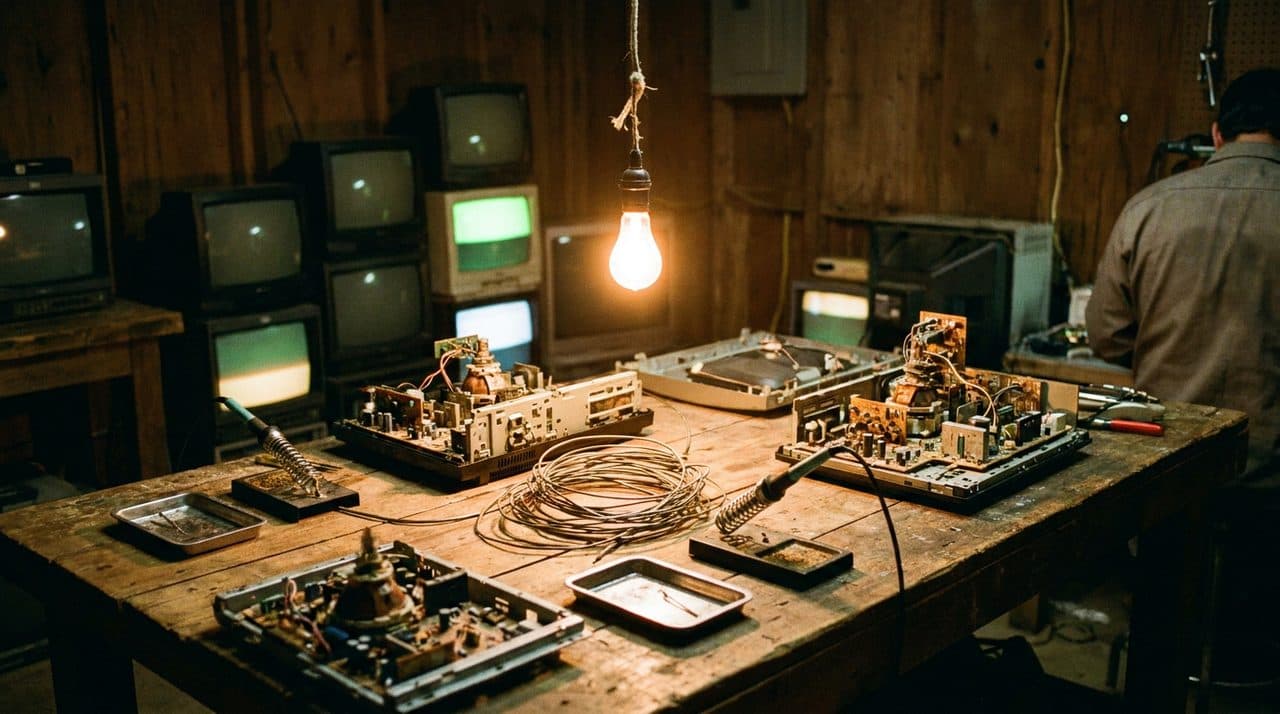
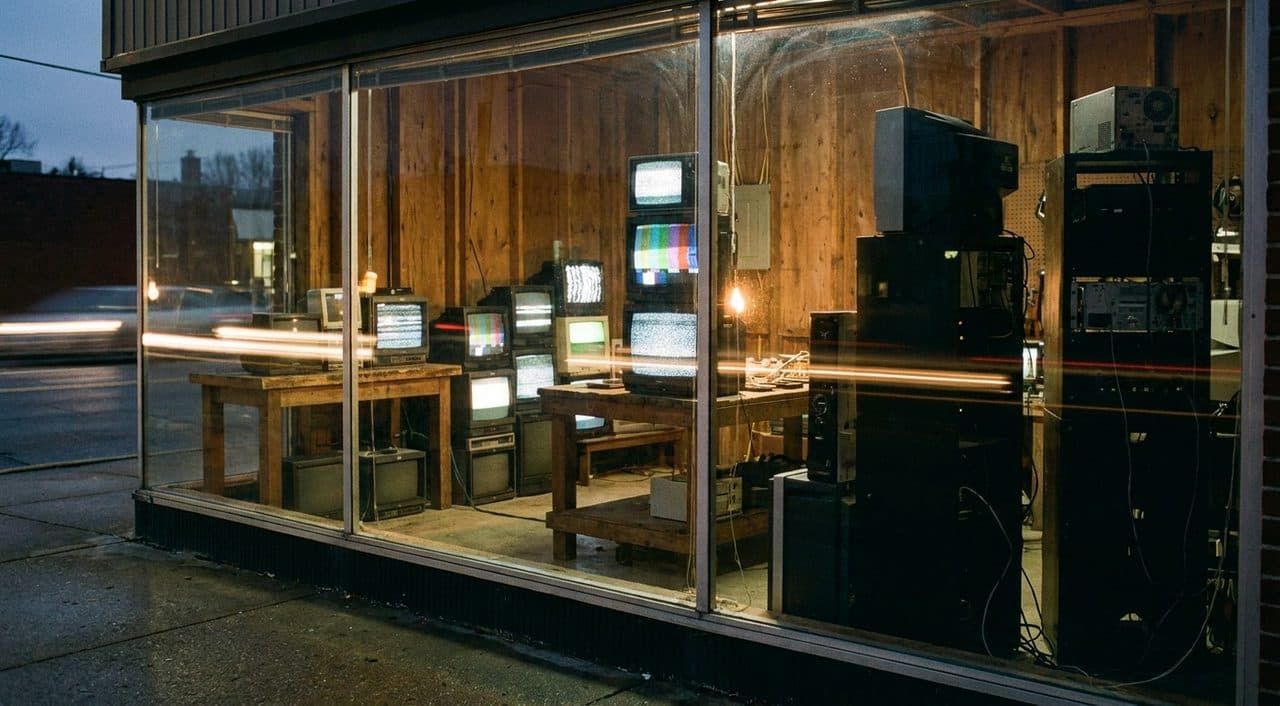
You walk past Theo's Television Service on a side street in Astoria and the window glows like a museum exhibit from 1974. Twelve cathode-ray tubes stacked on milk crates and metal shelving units flicker with the World Cup fixture list, each screen rendering the schedule in the particular grain and hum of its manufacturing era. The smallest set—a cream-colored portable from the late sixties—displays the matchups in such washed-out contrast you have to squint to read the team names.
The Physics of Obsolete Broadcasting
The shop occupies a narrow storefront wedged between a Greek bakery and a laundromat, and stepping inside feels like crossing into a parallel timeline where planned obsolescence never took hold. Theo, the proprietor who's been fixing picture tubes since the Reagan administration, routes a single digital signal through a converter box that translates modern broadcasts into the analog frequencies these sets understand. The result is imperfect by design—scan lines visible, colors bleeding at the edges on the few color models, a faint high-pitched whine emanating from the transformers. He's rigged the largest set, a console model with wooden cabinet doors, to cycle through fixture updates every few minutes, the image rolling slightly before settling into focus. The technical setup is more art installation than practical display, but during tournament season the neighborhood treats it as the most reliable source of match information, precisely because it never crashes or buffers.
When the Egyptian Grocers Arrive Before Dawn
The first wave of visitors shows up around six in the morning when matches kick off in distant time zones. You'll find the Egyptian grocers from the halal markets along Steinway Street pressed against the window, still in their delivery jackets, checking whether their national team plays that afternoon or three days later. They don't come inside—the window viewing is part of the ritual—but they'll stand there for ten minutes, pointing at different screens, debating which TV renders the text most clearly. The portable sets from the seventies have a sharper picture for static graphics, they insist, even if the contrast makes everything look like a photocopy of a photocopy. The shop doesn't open until mid-morning, but Theo leaves the sets running overnight during the tournament, the glow visible from two blocks away, a beacon for the early shift.
The Smell of Solder and Stale Coffee
Inside, the air carries that specific combination of heated metal, dust burning off old circuit boards, and coffee that's been sitting on a hot plate since the previous afternoon. Theo keeps a percolator running on a filing cabinet in the back, the kind with the glass bubble on top that gurgles every few minutes. The work counter is buried under disassembled VCRs, component cables coiled like sleeping snakes, and a tackle box full of vacuum tubes sorted by size. He's usually got a set open on the bench, probing connections with a multimeter while keeping one eye on the fixture display. The fluorescent lights overhead flicker in sympathy with the old TVs, creating a strobing effect that takes a few minutes to adjust to. Regulars know to grab the wooden stool near the door if they're planning to stay—it's the only seat with a clear sightline to all twelve screens simultaneously.
Why the Moroccan Café Sends Customers Over
The Moroccan café three doors down has a modern flat-screen mounted above the espresso machine, but during the tournament they'll actively redirect customers to Theo's window if someone asks about the schedule. It's become an unspoken agreement in the neighborhood—the café handles the live matches with commentary and mint tea, while the repair shop serves as the fixture oracle. You'll see the café owner walking over multiple times a day, checking the displays, then returning to update a chalkboard outside his own establishment. The relationship works because Theo's setup answers a different question than streaming apps or sports websites. People don't come here for push notifications or algorithmic predictions. They come because watching a match schedule render itself in monochrome on a tube TV from 1979 makes the information feel more permanent, less subject to last-minute changes or corrupted data feeds.
The Specific Texture of Cathode-Ray Glass
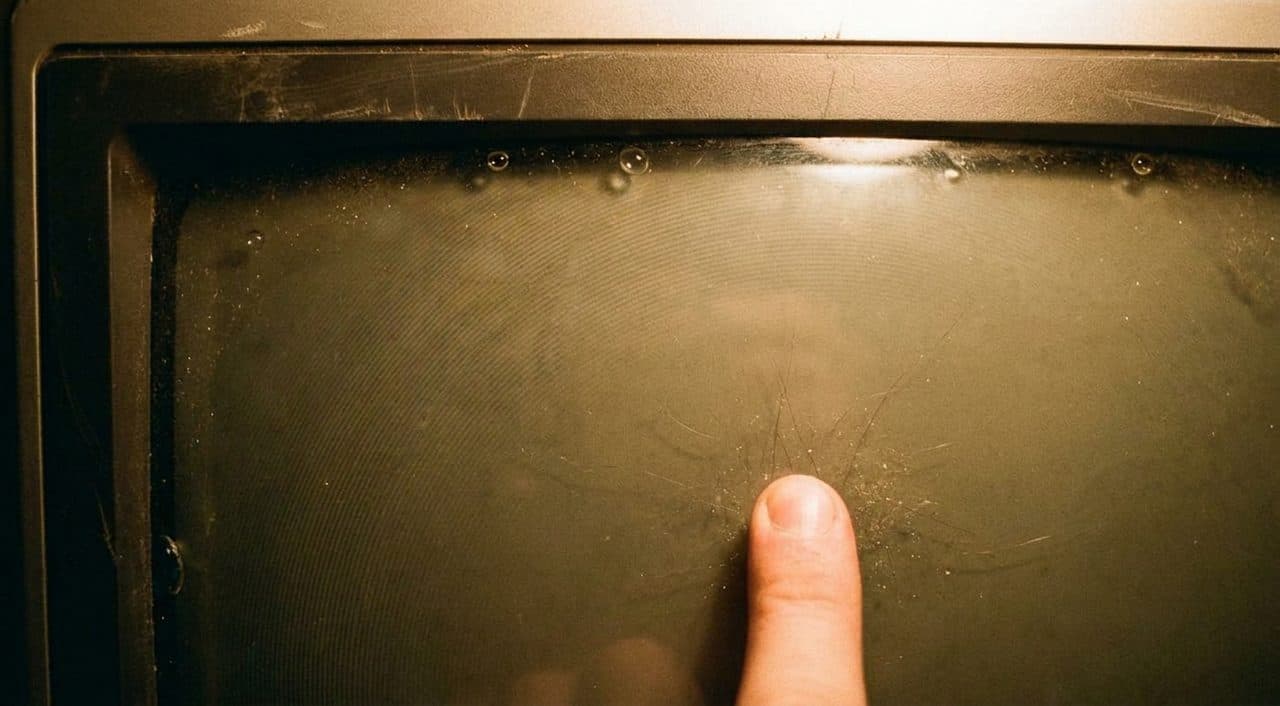
If you press your palm against the largest console screen when it's been running for hours, the glass radiates a dry heat that's nothing like modern electronics. The surface has a slight convex curve and a texture like very fine sandpaper—decades of static charge attracting microscopic dust particles that never fully wipe away. The smaller portables run cooler but develop hot spots near the ventilation grilles, and the plastic cabinets emit a smell like warm vinyl records. Theo discourages touching the screens, but he doesn't enforce it strictly, understanding that part of the appeal is the tactile confirmation that these devices operate on different principles than the glass rectangles everyone carries in their pockets. The static charge makes the hair on your forearms stand up if you get close enough, a small electrical field that feels vaguely alive.
Tournament Nights When the Sidewalk Becomes Theater
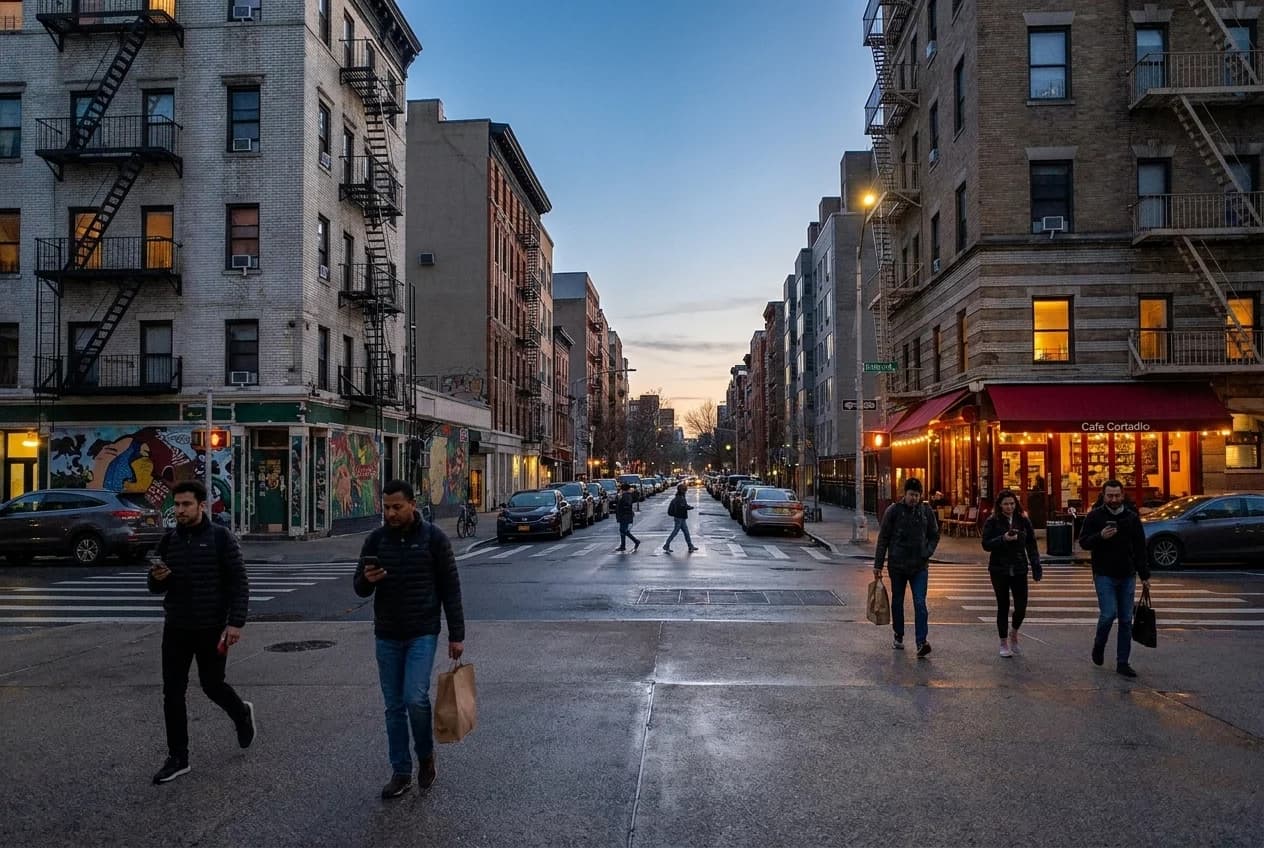
Right before major matches, the sidewalk outside transforms into an impromptu gathering space for the neighborhood's overlapping diasporas. You'll find Bangladeshi taxi drivers on break, Colombian construction workers still in their boots, Polish grandmothers who remember watching World Cups on similar sets in Warsaw. They're not here to watch the match itself—that happens at home or in the bars—but to perform a kind of pre-game ritual, consulting the analog oracle about what's coming. Theo sometimes brings out a folding table and sets up one of the portable TVs on the sidewalk, letting people adjust the rabbit-ear antenna themselves, searching for the clearest signal. The picture quality degrades in the open air, more interference from passing cars and overhead wires, but nobody minds. The degradation is part of the aesthetic, proof that you're accessing information through physical waves and electron beams rather than invisible data streams.
Practical Notes
The shop operates on an irregular schedule that loosely follows mid-morning to early evening hours, though during tournament season Theo keeps the window displays running around the clock. The storefront sits in the residential blocks south of the main commercial strip, walkable from the subway but easier to find if you're already wandering the neighborhood. There's no appointment system for repairs and no way to call ahead—you just show up with your broken equipment and wait your turn. The fixture displays run continuously from the tournament's opening match through the final, then the screens go dark until the next major competition. Bring cash if you're getting something fixed. The shop doesn't have a website or social media presence, which is exactly how the regulars prefer it.
Tags: #TheOddEdit #AstoriaQueens #RetroTech #AnalogNostalgia #CathodeRayTube #WorldCupRituals #NeighborhoodGems #VintageElectronics #NYCSubculture #DiasporaSpaces #ObsoleteTechnology #QueensNYC #HiddenNewYork #FixItCulture #AnalogFuture
Sources consulted: atlasobscura.com · timeout.com · nytimes.com
All trademarks are the property of their respective owners.