 Haaland Has Seven Goals and Norway Runs Entirely Through Him
⚽️2026 FIFA WORLD CUP
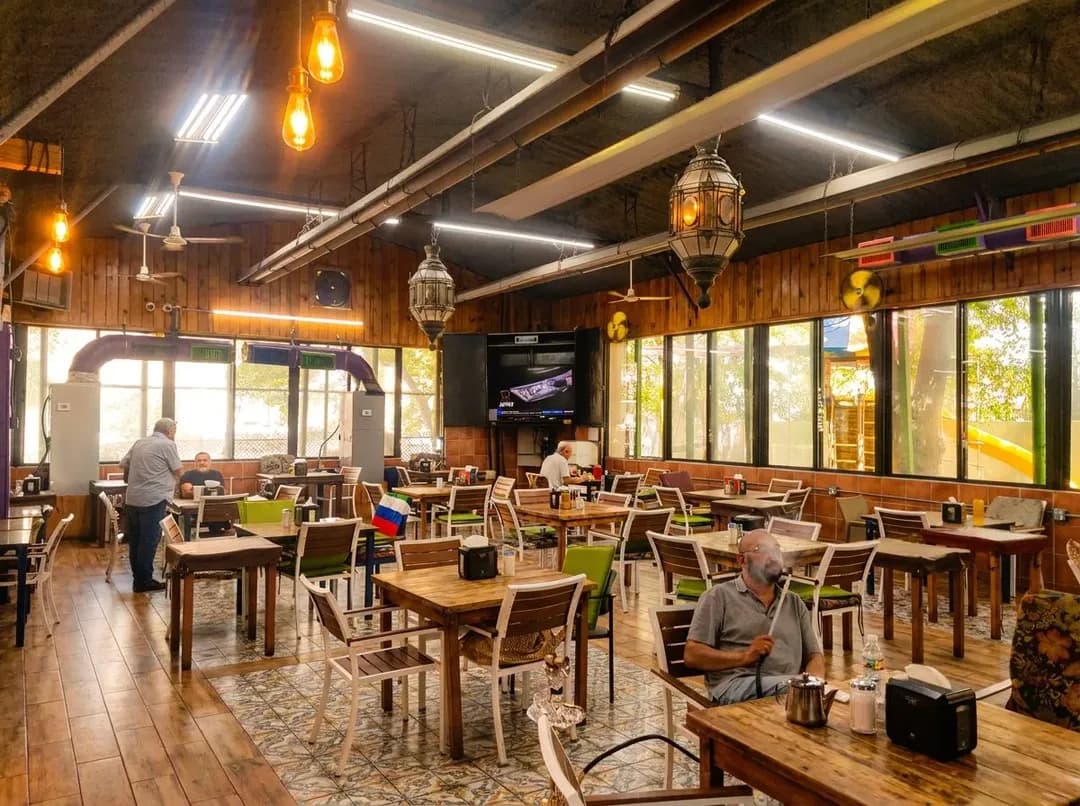
Houston Between World Cup Matches: Museums, Food, and Bayou Walks
Houston's Museum District, Buffalo Bayou paths, and global kitchens turn World Cup rest days into their own kind of discovery.
The Stadium and the City That Holds It
NRG Stadium sits south of downtown, a concrete bowl that has hosted Super Bowls and livestock shows with equal swagger. When the 2026 World Cup arrives—forty-eight teams across the United States, Canada, and Mexico from June 11 to July 19—Houston will welcome matches that draw tens of thousands, then release them back into a city that doesn't pause for anyone. The final takes place July 19 at MetLife Stadium in East Rutherford, New Jersey, with semifinals at AT&T Stadium in Arlington and Mercedes-Benz Stadium in Atlanta, but Houston's group-stage and knockout fixtures will pack hotels and test the patience of every taco truck within five miles.
In Houston between matches? Ask Karpo for museums, food, and bayou walks to fill the day.
What separates Houston from tighter host cities is space, both geographic and cultural. There's room to breathe between kickoffs, room to wander without a game-day itinerary. The MetLife final will feature the tournament's first-ever halftime show, curated by Coldplay's Chris Martin with Madonna, Shakira, and BTS, but Houston offers a different kind of spectacle: the slow discovery of a city that never needed a single marquee moment to justify itself.
If you're here for three days with only one match ticket, you'll find Houston rewards the unscheduled afternoon. The Museum District, Montrose's vintage shops, and Buffalo Bayou's shaded paths don't compete with the tournament—they run parallel, patient and inexhaustible.
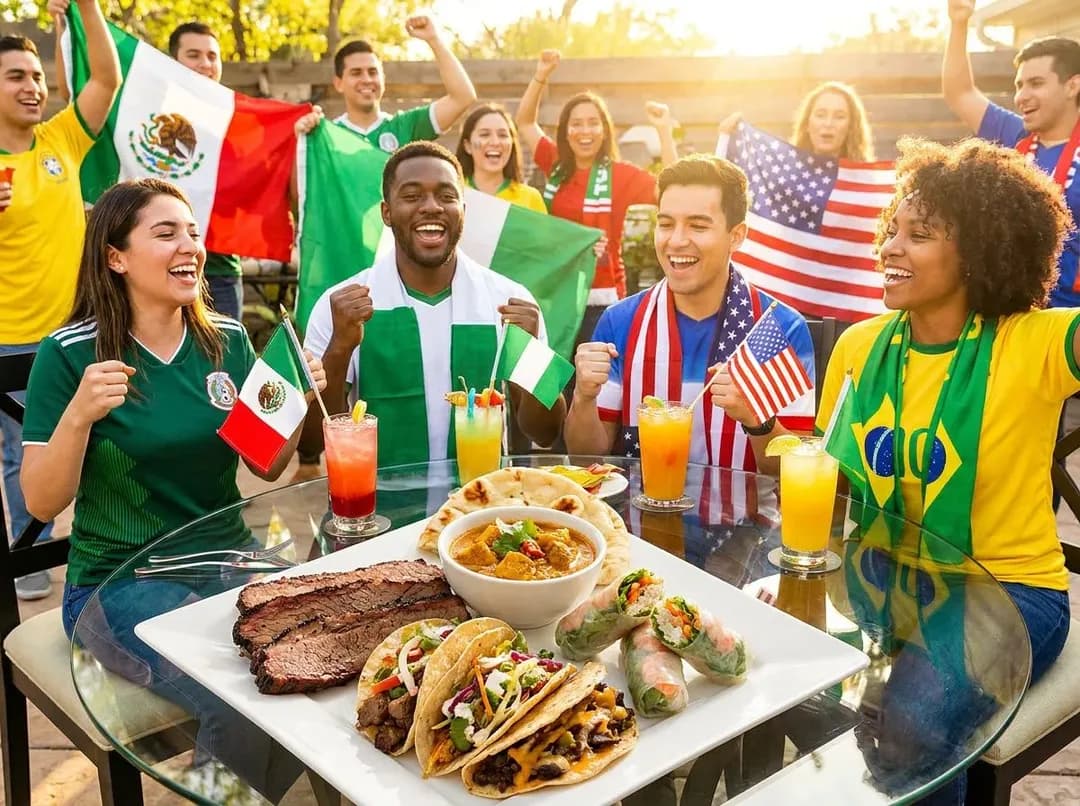
Museum District: Nineteen Institutions, One Long Block
The Museum District clusters nineteen institutions within walkable range, anchored by the Museum of Fine Arts, the Contemporary Arts Museum Houston, and the Houston Museum of Natural Science. You can spend a morning inside the MFAH's European galleries, break for Vietnamese iced coffee on a patio, and still make an afternoon dinosaur hall without ever summoning a rideshare. The district doesn't charge admission at several venues, and even the ticketed museums keep prices reasonable by coastal standards.
The Contemporary Arts Museum Houston—CAMH to locals—occupies a stainless-steel parallelogram that photographs beautifully in midday sun. Inside, rotating exhibitions lean toward video installations, conceptual sculpture, and work that asks questions without rushing to answer them. It's free, air-conditioned, and staffed by people who seem genuinely pleased you wandered in. Next door, the MFAH's Nancy and Rich Kinder Building houses modern and contemporary collections in a Steven Holl–designed space full of translucent panels and unexpected sightlines.
The Houston Museum of Natural Science draws families for its paleontology halls and butterfly center, but the gem and mineral collection upstairs is worth the climb—cases of raw azurite, polished malachite, and meteorite slices that look like they fell from a different planet's sky. If you time it right, the Burke Baker Planetarium runs shows that recalibrate your sense of scale after a week of stadium crowds.
Montrose: Vintage Stores and Sidewalk Murals
Montrose sits west of downtown, a neighborhood that has absorbed waves of artists, LGBTQ+ residents, and vintage-store owners without losing its fundamental scrappiness. Westheimer Road cuts through the heart of it, lined with thrift shops, taco joints, and murals that change every few months. It's walkable in the early morning or late afternoon; midday heat will send you ducking into whatever shop has the coldest AC.
The vintage clothing stores here—Pavement, Retrospect, a dozen others—stock everything from 1970s western shirts to 1990s band tees, sorted with varying degrees of curatorial care. Prices reflect the neighborhood's gentrification arc, but you can still find a good denim jacket for less than you'd pay in Brooklyn. Between shops, look for the murals: large-scale pieces that cover entire building sides, often commissioned by local arts nonprofits and repainted annually.
Montrose also holds a concentration of Houston's independent coffee shops and breakfast taquerias. You'll see locals in cycling kits, service-industry workers between shifts, and the occasional museum-goer who wandered over from the district. It's a neighborhood that doesn't perform its diversity—it simply operates as though difference were the baseline.
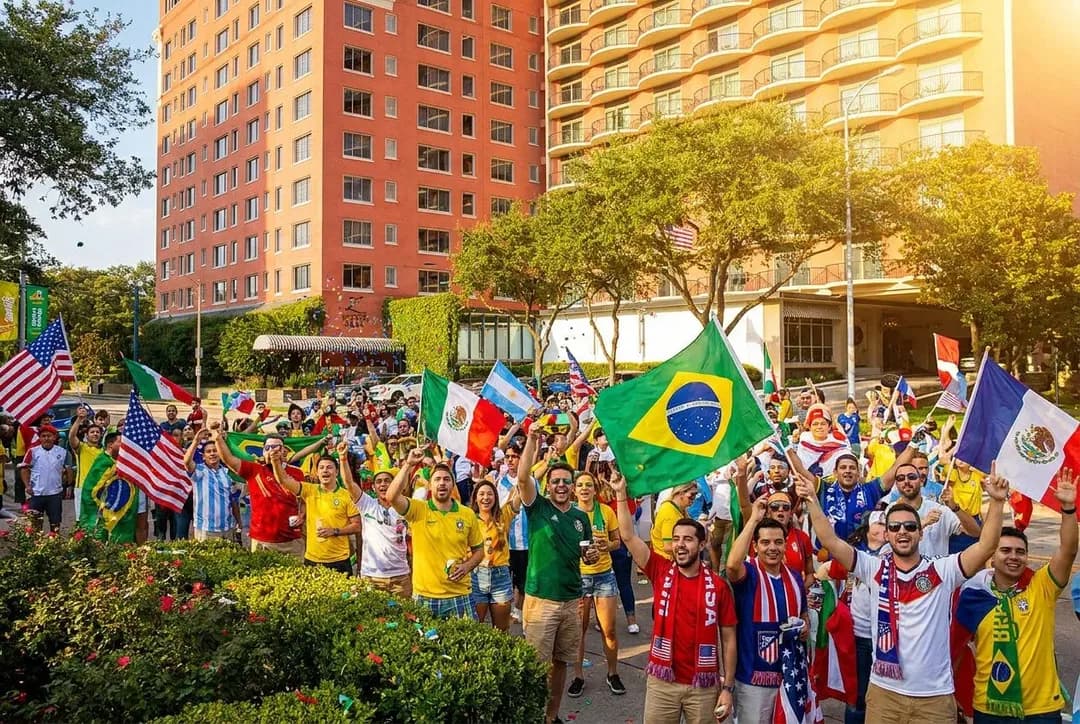
Buffalo Bayou: The City's Green Artery
Buffalo Bayou runs fifty-three miles from Katy to the Houston Ship Channel, but the most compelling stretch for visitors is the section between Shepherd Drive and downtown, where the bayou has been transformed into a linear park with trails, public art, and overlooks that frame the skyline. You can walk or rent a bike at several access points; the path is paved, shaded in stretches, and surprisingly serene given its proximity to highways and high-rises.
The Buffalo Bayou Partnership maintains the trails and programs events, but on a weekday afternoon you'll mostly encounter joggers, dog-walkers, and people who've discovered that a two-mile walk along water resets the nervous system better than any hotel gym. The Waugh Drive bat colony—a colony of Mexican free-tailed bats that roosts under the bridge—emerges at dusk during warmer months, a living cloud that spirals into the evening sky. It's free, it's strange, and it requires nothing but patience and a spot on the grassy slope.
Farther east, the bayou path leads to Eleanor Tinsley Park, where you can see the downtown skyline reflected in the water and watch kayakers navigate the mild current. The park hosts festivals and concerts, but between events it's just open space, picnic tables, and a reminder that Houston carved out room for nature even as it paved over most of the coastal prairie.
Food: Six Continents, One Lunch Hour
Houston's food reputation rests on its immigrant communities and the restaurants they've built without waiting for permission from food media. You'll find Nigerian suya, Vietnamese bánh mì, Pakistani nihari, and Salvadoran pupusas within a few miles of each other, often in strip malls that look unremarkable until you step inside and realize the kitchen is running a family recipe that predates the building by decades.
The city's Chinatown sprawls along Bellaire Boulevard in the southwest, anchored by Hong Kong–style dim sum houses, Sichuan hot-pot restaurants, and bakeries that turn out egg tarts and pineapple buns all day. It's not a single neighborhood but a constellation of plazas, each with its own supermarket, herbal medicine shop, and bubble tea counter. You don't need a guide—just pick a plaza, park, and walk until something smells right.
Closer to downtown, the original Chinatown near downtown has largely dispersed, but Midtown and Montrose hold the city's densest concentration of independent restaurants: taquerias that serve barbacoa on weekends, Thai spots that don't dial down the heat, and Korean fried-chicken joints that stay open past midnight. Houston doesn't curate its food scene into tidy districts; it scatters excellence across the sprawl and trusts you to seek it out.
The Rhythm of Rest Days
World Cup host cities tend to divide into two types: those that try to contain the tournament within fan zones and official events, and those that let it spill into the existing fabric of the city. Houston falls into the second category by default. There are no centralized fan festivals here on the scale of Kansas City's Power & Light District watch parties or the official FIFA Fan Festival on the National WWI Museum and Memorial grounds. New York and New Jersey will offer the Fan Village at Rockefeller Center, the Jersey Fan Hub at Sports Illustrated Stadium in Harrison, the Queens Fan Zone at the USTA Billie Jean King National Tennis Center, and the indoor Dream Fan Fest at American Dream, but Houston's approach is more diffuse.
That diffusion works in your favor if you're the kind of traveler who prefers discovery to programming. Between matches, you're free to follow your own curiosity: a morning in the Museum District, lunch in a Malaysian kopitiam, an afternoon walk along the bayou, and dinner in a Montrose taqueria where the only English on the menu is the word 'taco.' The city doesn't hand you an itinerary; it hands you space and lets you fill it.
By the time you board your flight—whether you're heading to the semifinals in Arlington or Atlanta, or straight home—you'll have accumulated a different kind of World Cup memory. Not the roar of the stadium, but the quiet satisfaction of a city that trusted you to find your own way through it.
Practical notes
- NRG Stadium is accessible via METRORail Red Line; allow extra travel time on match days.
- Museum District parking is metered; consider rideshare or the METRORail to avoid circling.
- Buffalo Bayou bike rentals available at multiple kiosks; trails are busiest early morning and late afternoon.
- Montrose and Bellaire Boulevard restaurants often close between lunch and dinner; check hours before heading out.
- Houston heat peaks June through July; carry water and plan indoor breaks during midday hours.
Houston doesn't ask you to choose between the World Cup and the city itself—it assumes you're capable of holding both. Between matches, you'll find museums that don't rush you, trails that cool the mind, and kitchens that have been perfecting their craft long before the tournament arrived. The final whistle will blow, the crowds will disperse, and Houston will still be here, sprawling and unhurried, ready for the next curious visitor who wanders off the official map.
Tags: #WorldCup2026 #HoustonTravel #NRGStadium #MuseumDistrict #BuffaloBayou #MontroseHouston #HoustonFood #CityWalks #TravelHouston #SoccerTravel #UrbanExploration #HoustonCulture #BayouTrails #GlobalCuisine #TexasTravel
All trademarks are the property of their respective owners.
Ask Karpo first
Planning your Houston World Cup itinerary and wondering which museum to hit first, where to find the best bánh mì between matches, or how to time a bayou walk around kickoff? Ask Karpo first—we'll help you map the rest days so they're as memorable as the goals.
Ask Karpo for more information.
Keep reading
- Haaland Has Seven Goals and Norway Runs Entirely Through Him
 World Cup Trophy Ceremony Timing Medals and Postmatch Celebrations
 Olise and France's Attack: The Semifinal Tactical Question