 Nisei Week Events: Little Tokyo's Enduring Japanese American Heritage Festival
Free Things to Do
Houston Astros Outfielder Taylor Trammell Stats: Free LA Baseball Analytics Meetup
Build a free weekday-evening stat study meetup in Los Angeles around baseball questions, not celebrity sightings. Use libraries, public calendars, transit planning, and venue verification to keep the group practical, sourced, and easy to join.
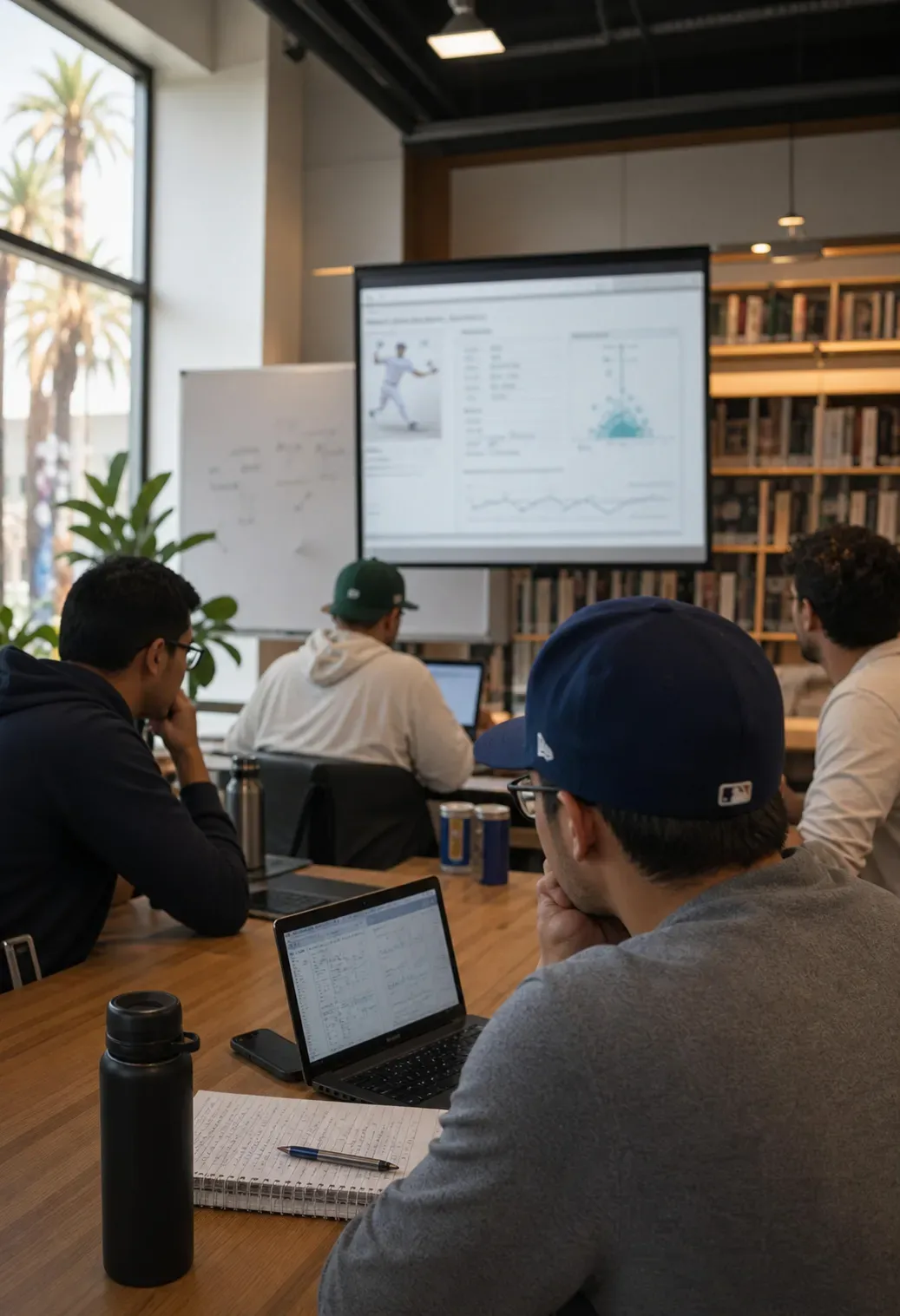
For an analytical meetup group, the search phrase houston astros outfielder taylor trammell works best as a prompt for player-performance discussion, not as a claim that the player is appearing in Los Angeles. The useful local opportunity is simpler: bring people together on a weekday evening to compare public baseball stats, debate sample size, and learn how to read changing player value without paying for a bar tab or a private room. In Los Angeles, the most grounded starting points are public spaces and official calendars. Los Angeles Public Library says it hosts free events every day and lets users browse by branch, audience, ZIP code, date range, and category. LA Metro connects Los Angeles County by bus, rail, bike, van, and more, with trip-planning tools, real-time arrivals, alerts, maps, schedules, and fare caps. Discover Los Angeles maintains an events calendar with filters for category, date, and region. Those facts do not prove that every room has a projector, whiteboard, or open WiFi on demand, so the right plan is a verification-first directory: choose candidate spaces, confirm equipment and rules directly, then publish the meetup details only after the basics are locked.
Text Karpo your LA area, preferred weeknight, group size, and whether you need projector access or just table space. We'll find a library meeting room with analytics tools and suggest a card shop backup with WiFi.
Start With Library Branches, Then Verify the Room
Los Angeles Public Library is the cleanest first pass for a free baseball analytics meetup because its event system is already built around local public programming. The calendar lists branch locations across the city, including Central Library, Westwood Branch Library, North Hollywood, Hollywood, Palms - Rancho Park, Silver Lake, Venice, Van Nuys, Watts, Wilmington, and many others. It also supports browsing by audience, ZIP code, and date range, which matters for a group that wants repeat attendance rather than a one-time burst. For this use case, look for branches that already host adult discussions, author talks, literacy sessions, book clubs, or public media programs, because those listings suggest the branch is accustomed to structured group activity.
The tradeoff is that a public event listing is not the same thing as a room reservation. Before positioning a branch as a meetup option, confirm whether the space can support laptops, quiet discussion, screen sharing, and collaborative note-taking. Ask specifically about projector access, whiteboard or presentation tools, WiFi expectations, signup rules, room capacity, and whether outside groups may use the space for recurring free discussions. Keep the description neutral until confirmed: “candidate library branch for a sabermetrics discussion” is accurate; “weekly projector-equipped meetup” is only accurate after the branch confirms it.
Build the Session Around a Question, Not a Player Claim
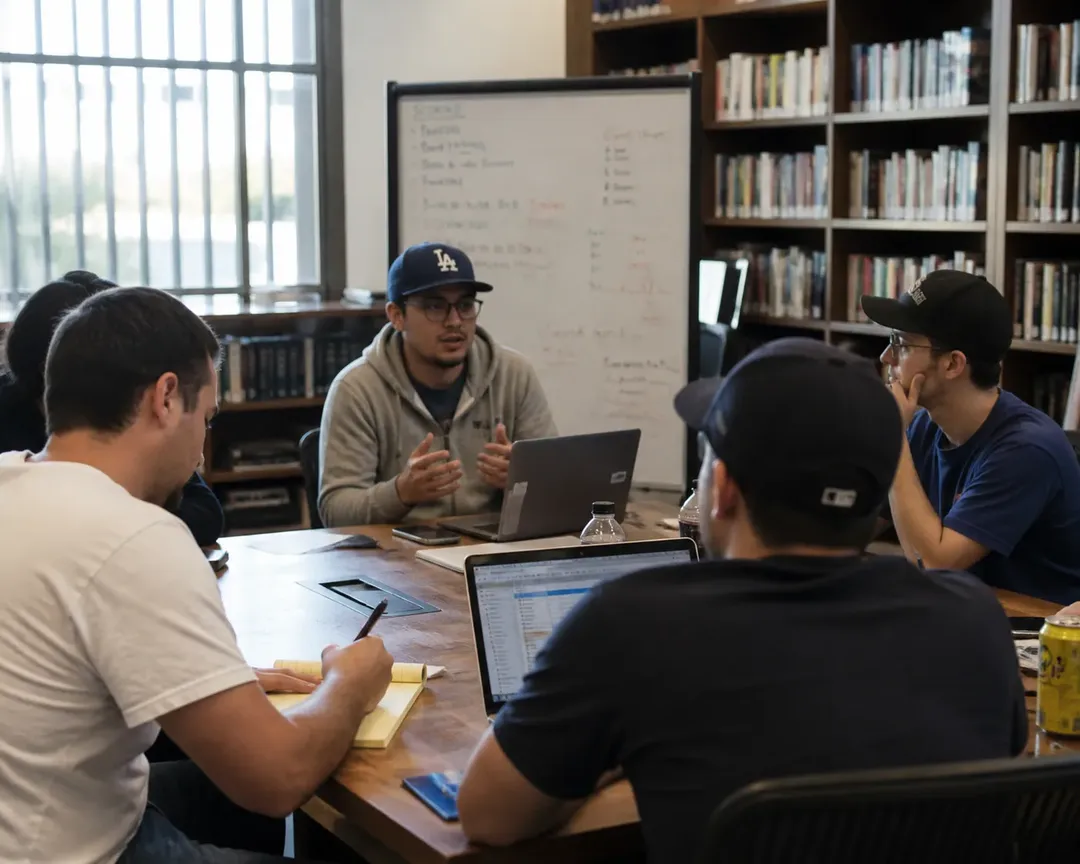
A strong weekday-evening analytics meetup needs a focused question. For example: what does a small stretch of plate appearances reveal, what does it hide, and how should a group compare recent production with longer-term indicators? That framing lets houston astros outfielder taylor trammell function as the search hook while keeping the event honest. Unless an official local source confirms an appearance or connection to a Los Angeles event, do not imply that the player, the Astros, or any team representative will attend. The better promise is that attendees will use a current baseball topic to practice analysis.
That distinction also improves the quality of the meetup. Intermediate participants usually do not need another casual watch party; they need a room where people can challenge assumptions, ask whether a metric is stabilizing, compare rate stats with context, and discuss what would change their mind. A good format is three parts: one shared player-performance question, one small-group stat review, and one final discussion about confidence level. The session can be free, useful, and local without pretending to be official team programming.
Use LA Metro as the Attendance Filter
In Los Angeles, the best free venue is not always the one with the nicest room; it is often the one most people can actually reach on a weekday evening. LA Metro’s official riding information says Metro connects Los Angeles County by bus, rail, bike, van, and more. Its rider tools include a trip planner, real-time arrivals, maps and schedules, service alerts, and the LA Metro app for iPhone and Android. For a meetup directory, that means each candidate should be checked against transit access before it is promoted. If a branch or community room requires a long transfer chain for most attendees, it may underperform even if the room is technically free.
Cost expectations should be stated carefully and only from official fare information. Metro lists a regular fare of $1.75, a daily cap where riders pay for three rides and then ride free after that day’s cap, and a 7-day cap. It also states that transfers are free within two hours when using TAP, credit, or debit card, and that some students, seniors, riders with disabilities, and low-income riders may qualify for free or reduced rides. For a free-things-to-do audience, include transit as part of the planning math: the meetup can be free to enter while transportation may still carry a fare for some attendees.
Screen Public Calendars for Nearby Competing Demand
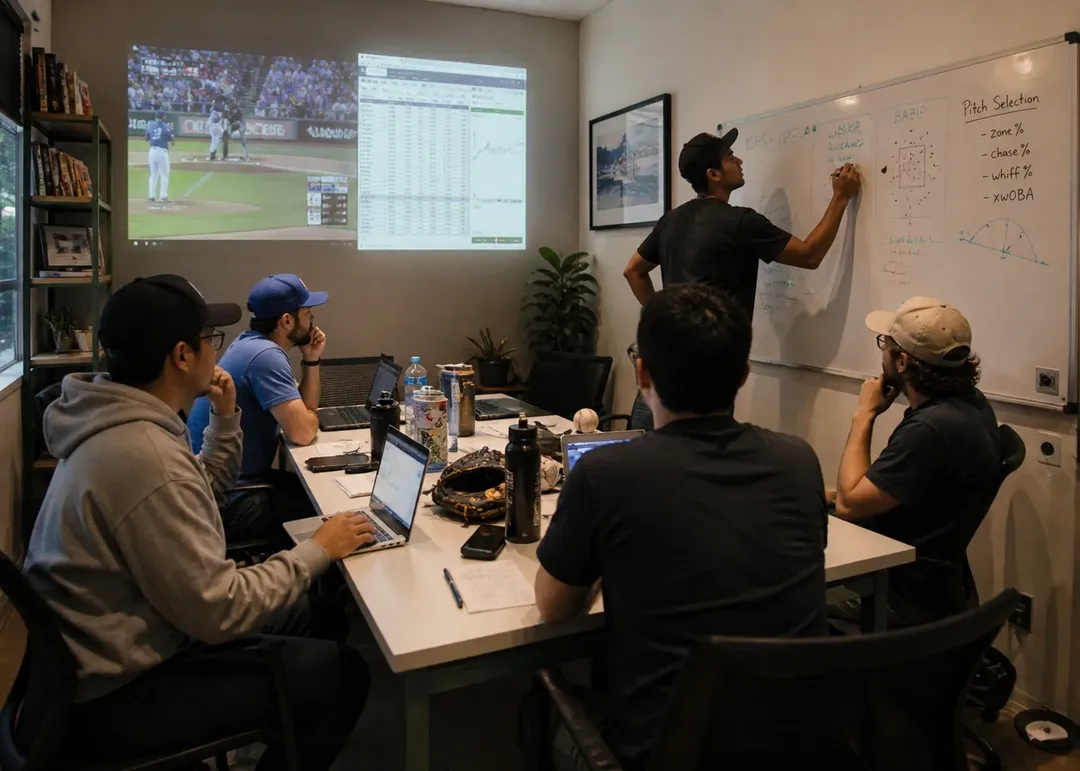
A weekday-evening baseball analytics group should not ignore the rest of the city’s event load. Discover Los Angeles maintains an events calendar with date, category, and region filters, and the August 2026 listings show how busy LA evenings can become, especially with music, film, museums, theatre, sports, food, and festivals. That does not mean a small meetup should avoid active nights entirely. It means organizers should check the calendar before choosing a neighborhood and time, because nearby concerts or large events can affect transit crowding, parking pressure, and whether casual attendees decide to make the trip.
The practical move is to compare two or three candidate regions rather than chasing the most famous location. A Downtown or LA Metro-adjacent room may work for cross-city access, while a Westside, Valley, Hollywood, or South LA option may work better for a more local group. The directory should present these as decision paths, not rankings. Say who each route fits: transit-first participants, people coming after work, students looking for open learning space, collectors who want a card-shop-adjacent discussion, or spreadsheet-heavy attendees who need a quiet table and stable connection.
Make the Directory Verification-First
The brief calls for public libraries, community college open labs, and baseball card shop back rooms, but only public official extracts here support specific claims about Los Angeles Public Library, LA Metro, Discover Los Angeles, and LA County arts programming. Community college labs and card shop rooms can still be part of a responsible directory, but they should sit in a “to verify” lane until the organizer checks policies directly. For each possible listing, capture the same fields: venue name, neighborhood, official event or room-use link, whether the activity is free to attend, whether recurring meetup use is allowed, equipment availability, WiFi expectations, food rules, transit route notes, and contact confirmation date.
This process protects trust, which is the real growth lever for a free city guide. People searching houston astros outfielder taylor trammell may arrive because they want a current baseball angle, but they stay when the page helps them decide what to do tonight or next week without overclaiming. A reliable listing should tell readers what is confirmed, what must be checked, and what type of participant the option fits. For August 6, 2026 planning, the best next step is to shortlist library branches from the LAPL calendar, check Metro routes and alerts before publishing directions, scan the city events calendar for nearby congestion, and only then invite the group.
Tags: #LosAngeles #FreeThingstoDo #BaseballAnalytics #Meetups #PublicLibraries #Sabermetrics #WeekdayEvening
Sources consulted: Source 1: metro.net · Source 2: discoverlosangeles.com · Source 3: lapl.org · Source 4: lacountyarts.org
All trademarks are the property of their respective owners.
Ask Karpo first
Ask Karpo to turn this Los Angeles idea into a current plan for your date, budget, companion, transit preference, and energy level. Karpo can narrow the route and flag what to verify before you go.
Ask Karpo for more information.
Keep reading
- Nisei Week Events: Little Tokyo's Enduring Japanese American Heritage Festival
 Hollywood Forever Cemetery Events: Dia de los Muertos, Cinespia in Hollywood
 Unforgettable Free Summer Events: Grand Performances, California Plaza, Downtown LA