 Where to Eat Near Penn Station That Isn't a Chain
US Open 2026
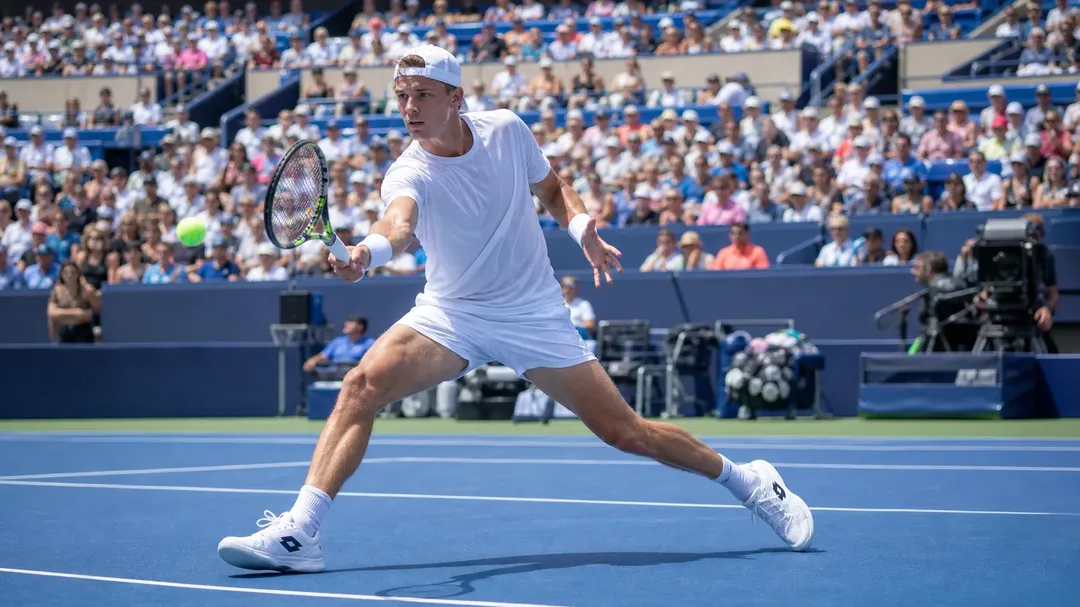
Holger Rune’s US Open Opportunity Depends on Point Discipline
If Holger Rune is in the US Open field, his best hard-court chance may come from pairing first-strike aggression with calmer choices under pressure.
Holger Rune is compelling because his game rarely feels passive. The reliable baseline is straightforward: he plays aggressive baseline tennis and can redirect pace. The more useful question, if he is part of the US Open conversation, is how that aggression is organized from one point to the next. New York hard courts can reward players who take time away, step inside the baseline, and turn neutral exchanges into pressure. They can also punish rushed decisions when the rally has not yet tilted. Rune’s opportunity would depend less on producing highlight winners than on recognizing which balls deserve attack, which balls require height and depth, and which moments call for a neutral reset. That is point discipline: not playing timidly, but choosing risk that fits the score, court position, and incoming ball.
Text Karpo Now: Tell us what matters most for Holger Rune s US Open Opportunity, and Karpo can turn current US Open updates into a practical plan before you go.
Aggression Needs Structure
Aggressive baseline tennis works best when it has a map. A player who can redirect pace is dangerous because he can take an opponent’s crosscourt shot and send it down the line, or change direction before the opponent has recovered. The danger is that redirection often reduces margin. On a hard court, the ball may arrive quickly enough to tempt a swing before the feet are fully set. For Rune, the disciplined version begins with a clear distinction between build balls and finish balls.
A build ball is not defensive. It improves court position without demanding an immediate winner: heavy crosscourt depth, a firm ball through the middle to jam the opponent, or a higher-margin angle that opens space. A finish ball comes after the opponent has been stretched, shortened the reply, or left a predictable target. Fans can watch whether Rune earns attacking lanes or tries to create them too early from neutral positions. That difference can decide whether his pace becomes pressure or turns into errors.
Serve And First Ball
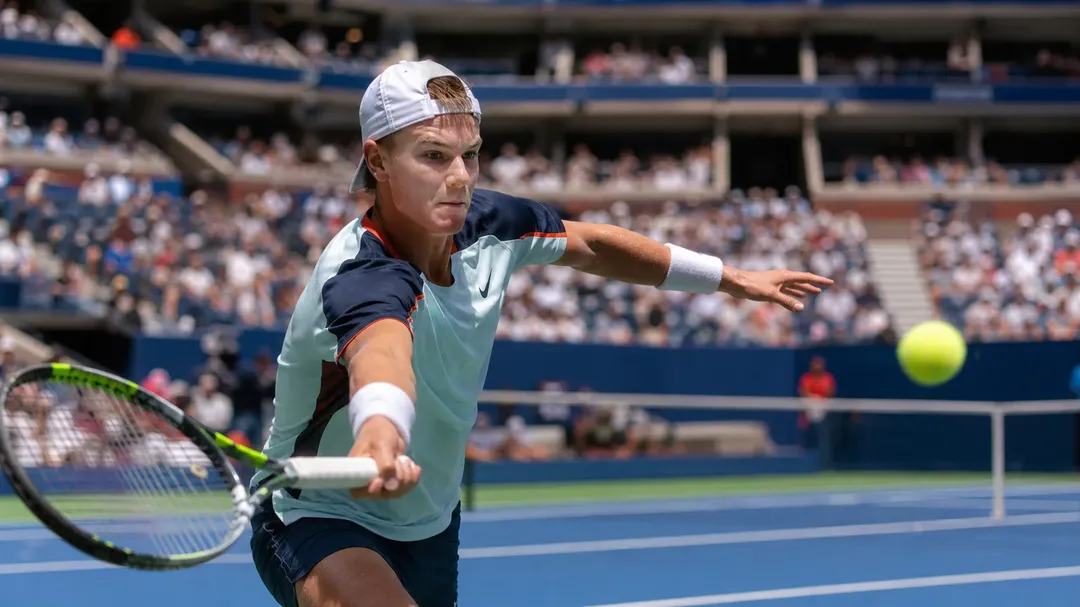
Serve patterns matter because they can simplify the next choice. The first serve does not have to be only about aces or unreturned balls. For an aggressive baseliner, a good serve is often the serve that produces a specific first groundstroke. Wide serves can pull a returner off the court and make the next shot into open space more natural. Body serves can prevent a full swing and create a shorter reply. Serves into a backhand corner can set up a forehand or a controlled backhand redirection.
The key is repeatable intent, not variety for its own sake. If Rune serves and immediately faces a balanced opponent, the disciplined choice may be to accept a longer rally rather than force a low-percentage second shot. If he serves and gets a floating return, the opportunity is real. The shot after the serve often tells the story: balance inside the baseline, aim at a larger target first, then press; or chase the smallest window before the point has been built.
- On first-serve points, watch whether the next shot looks planned or improvised.
- On second-serve points, notice whether he protects court position after the return comes back.
- After body serves, look for jammed returns that allow attack without overhitting.
- After wide serves, watch whether he covers the obvious counterpunch.
Return Position Choices
Return games reveal point discipline in a different way. A returner can be aggressive by standing close, taking time away, and blocking the ball deep. A returner can also be aggressive by stepping back, creating a fuller swing, and driving the ball with more shape. Neither position is automatically right. The correct choice depends on serve speed, placement, score pressure, and whether the returner can recover after contact. The first goal is not always a winner; often it is removing the server’s easiest first ball.
For Rune, the redirection skill is especially relevant on return. If he reads a serve early, he can change the direction of the point immediately. But a fast hard-court setting can make overreaction expensive, especially against body serves or heavy first strikes. A disciplined return game would include enough blocked depth to prevent free attacks, mixed with selective strikes when the serve location is readable. A clean return through the middle can be tactically sharp because it removes angles and forces the server to play one more ball.
Fans should resist judging return games only by spectacular winners. A low, deep return that starts a neutral rally may be a major success against a strong serve. A missed return after an unnecessary direction change may show the impatience that keeps an attacker from stacking pressure. The best return patterns would make servers uncomfortable before trying to end the point.
Movement And Court Geometry
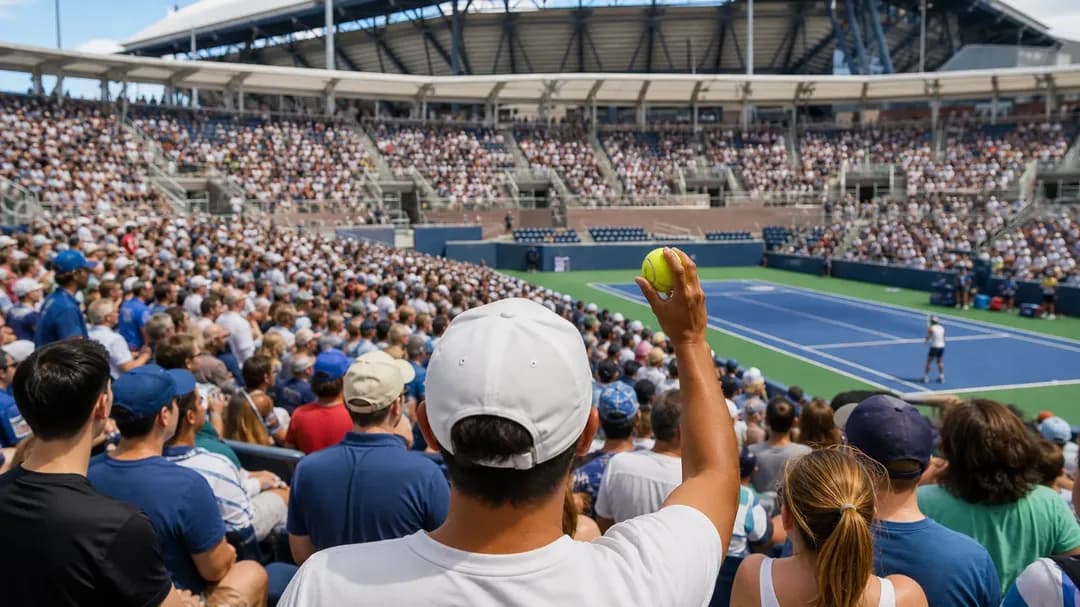
Hard-court geometry is about space, time, and recovery. A player who redirects pace can turn a crosscourt exchange into a sudden down-the-line change, but that shot carries a responsibility: after changing direction, the player must recover to cover the opponent’s best reply. If the redirection is struck from a balanced position, it can freeze the opponent. If it is struck while leaning or late, it can open the court for a counterattack. The same shot can be bold or careless depending on the feet.
Rune’s aggressive baseline identity makes movement choices central. He does not have to win every point by stepping forward. Sometimes the better attacking movement is lateral discipline: staying low, taking one extra adjustment step, and striking through the middle before changing direction. Against pace, the temptation is to use the opponent’s speed immediately. The disciplined option may be to absorb one shot, regain a central position, and redirect on the next ball. That patience can turn athletic defense into controlled offense.
- Look for deep crosscourt balls that create the first opening.
- Notice whether down-the-line changes come from balanced feet.
- Track recovery after attacks into open court.
- Watch how often he resets through the middle instead of forcing an angle.
Practical Notes
If Rune is on a US Open watch list, official player and schedule pages are the proper places to confirm participation and session details. Planning should stay flexible until those details are public, because a tactical preview should not assume a draw, seed, court, date, or result. From a viewing standpoint, the most useful perspective is not always the closest seat. A slightly higher angle can make serve-plus-one patterns, recovery positions, and return depth easier to read. The clearest signs are simple: whether he builds before attacking, whether redirections come from balance, and whether pressure points bring patient margin or rushed risk.
Tags: #USOpen2026 #Tennis #GrandSlam #NewYorkTennis #ArthurAsheStadium #FlushingMeadows #USOpenGuide #TennisFans #SportsTravel #HardCourt #NewYork #KarpoFinds
Sources consulted: atptour.com — Official reference · usopen.org — Official reference · usopen.org — Official reference
All trademarks are the property of their respective owners.
Ask Karpo first
Want to know what is confirmed, when to show up, and how to make holger rune s us open opportunity work for your day? Ask Karpo for current US Open updates, a respectful fan plan, and a live route around Flushing Meadows.
Ask Karpo for more information.
Keep reading
- Where to Eat Near Penn Station That Isn't a Chain
 Andytown Coffee in the Outer Sunset: The Snowy Plover Explained
- Best Things to Do in Chicago: What the City Gives Away