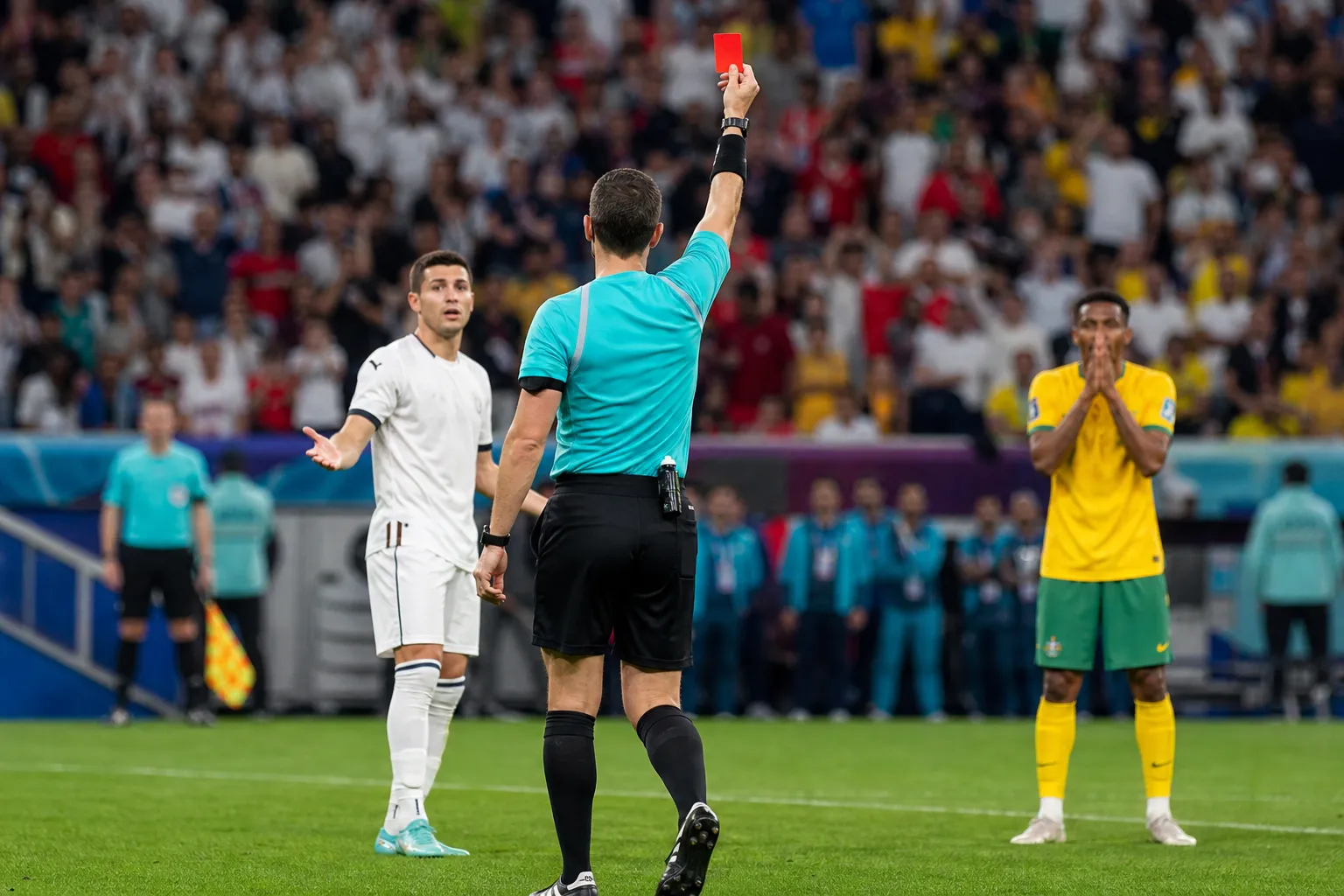
A red-card clip is not the same thing as the decision
When fans search for “Hincapié red card,” they are rarely looking for a neutral encyclopedia entry. They are usually trying to decide whether a clip proves something, whether the referee missed context, or whether the next match plan has changed because a player may be suspended. The search is emotional, but the useful article has to be orderly.
The first rule is to separate the clip from the official decision. A social replay can show contact, body language, crowd reaction, or the moment after a challenge. It may not show the referee’s angle, the assistant’s input, the full sequence, or what the official match record eventually says. That gap is where most bad arguments begin.
A longform guide should not tell readers what to feel about the decision. It should tell them what to check: the foul type, the timing, whether VAR was involved, what the match report confirms, and how the card affects the next fixture. That structure gives fans a way to discuss the moment without turning one cropped replay into the whole truth.
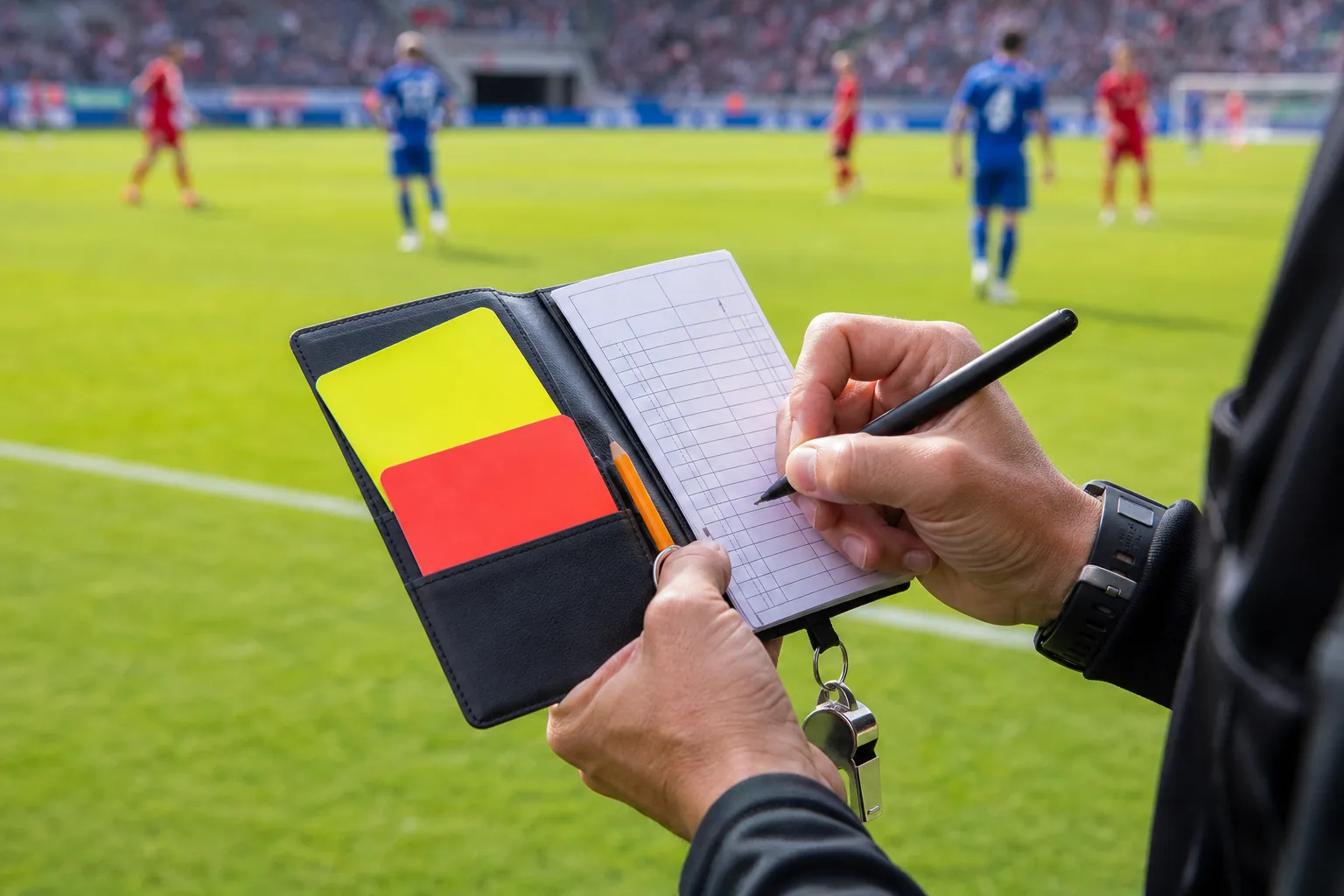
Read the replay in layers
Layer one is the action itself. Where is the ball? Which direction is the player moving? Is the contact high, late, reckless, or part of a normal challenge? A freeze-frame can make almost any collision look worse or cleaner than it felt in motion, so the first layer should be watched at full speed before anyone reaches for a verdict.
Layer two is the referee process. Did the referee show the card immediately? Was there a delay? Did players surround the official? Was there a VAR check or a communication pause? These details do not automatically prove the decision was right or wrong, but they help fans understand whether the call came from the field, the booth, or a combination of both.
Layer three is the match consequence. A red card changes shape, substitutions, pressure, and crowd mood. It may also affect the next match if suspension rules apply. This is where the search becomes practical. The reader may not only want to argue about the past; they may want to know how Ecuador lines up next and where fans are gathering after the controversy.
The safest replay take is the one that says what the clip shows, what it does not show, and what the official record confirms.
What fans should verify before posting
- The official match record and card minute.
- Whether the card was straight red or a second yellow.
- Whether VAR reviewed the incident or only checked a related phase.
- Whether suspension information has been officially confirmed.
- Whether the clip includes the full build-up, not only the final contact.
This checklist is deliberately plain because red-card discourse often becomes theatrical. A fan who knows the difference between a straight red, a second yellow, and a pending disciplinary update can move the conversation forward. A fan who only has a slow-motion clip usually repeats the same argument at higher volume.
How the card changes Ecuador’s next watch plan
If Hincapié is unavailable, the effect is not limited to the back line. It can change how Ecuador builds from defense, how aggressive the fullbacks can be, and how much cover the midfield needs to provide. Fans planning the next match should watch for the replacement profile, not only the replacement name.
This is also where venue planning changes. Controversy creates bigger crowds for the next game because people arrive ready to continue the argument. A quiet room may become a debate room. A fan bar may fill earlier than expected. If the next match is high-stakes, a controversy-driven search can turn into a logistics problem quickly.
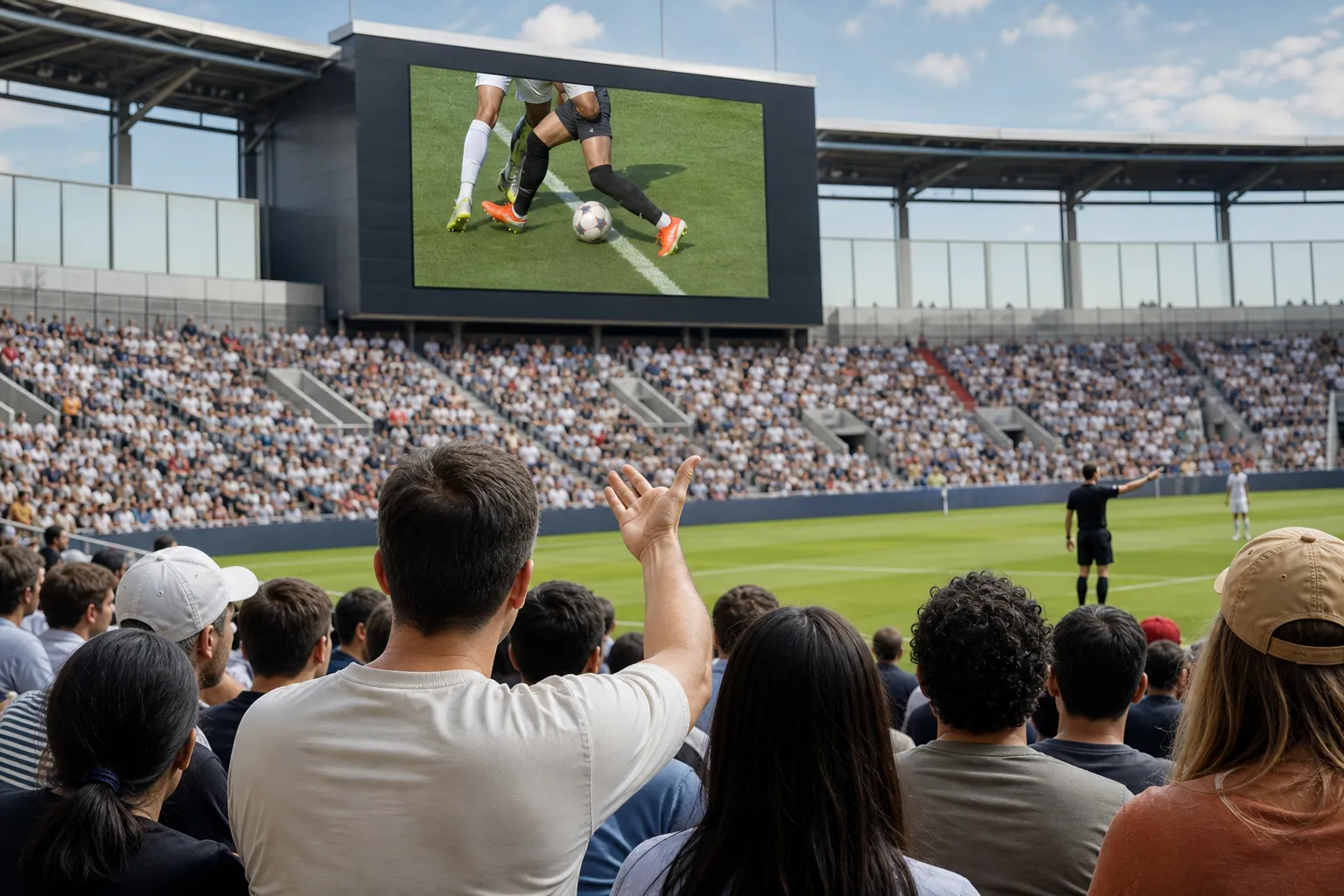
A better way to talk about the decision
The best public article should keep three lanes open. The first lane is the official fact: card type, minute, match status, and any confirmed suspension. The second lane is the visible football context: the action, the angle, and the tactical consequence. The third lane is fan utility: what to check before the next match and how to plan around the uncertainty.
This approach does not drain the emotion from the story. It gives the emotion somewhere useful to go. Fans can still disagree, but they are less likely to treat a partial replay as the whole case. That makes the article more durable and lowers the chance that it becomes another disposable outrage post.
Practical notes
Before making a plan around the red card, check the official fixture page, the match report, and any team communication on availability. If the next Ecuador match is nearby or in a crowded viewing zone, arrive earlier than usual and choose a backup place with audio. Controversy increases attendance because fans want a room where the argument feels shared.
Why the article should not become a verdict machine
The temptation after a red card is to make the article behave like a judge. That is usually the least useful version for fans. Most readers already have a reaction before they open the page. What they need is a way to organize the reaction so it does not collapse into two camps repeating the same clip. The article can say which facts are known, which interpretations are reasonable, and which claims should wait for official confirmation.
That distinction also protects the next match plan. If a fan thinks a suspension is confirmed when it is not, they may build the whole day around the wrong expectation. If a fan thinks the decision was only a social-media argument, they may miss the way it changes selection, crowd mood, and tactical discussion. A careful red-card guide gives the reader room to care without turning uncertainty into fake certainty.
Tags: #WorldCup2026 #FIFA2026 #WorldCupBuzz #MatchdayPlan #FanGuide #FootballFans #SoccerSearch #LiveSports #KarpoBuzz #AskKarpoFirst #WorldCupTravel #TeamNews
Sources consulted: Google Trends: hincapie red card · FIFA World Cup 2026 · FIFA fixtures
All trademarks are the property of their respective owners.
Ask Karpo first: Before you build plans around a suspension rumor or a replay clip, ask Karpo for the latest match updates, public viewing options, and a calmer route through the next Ecuador fan day.