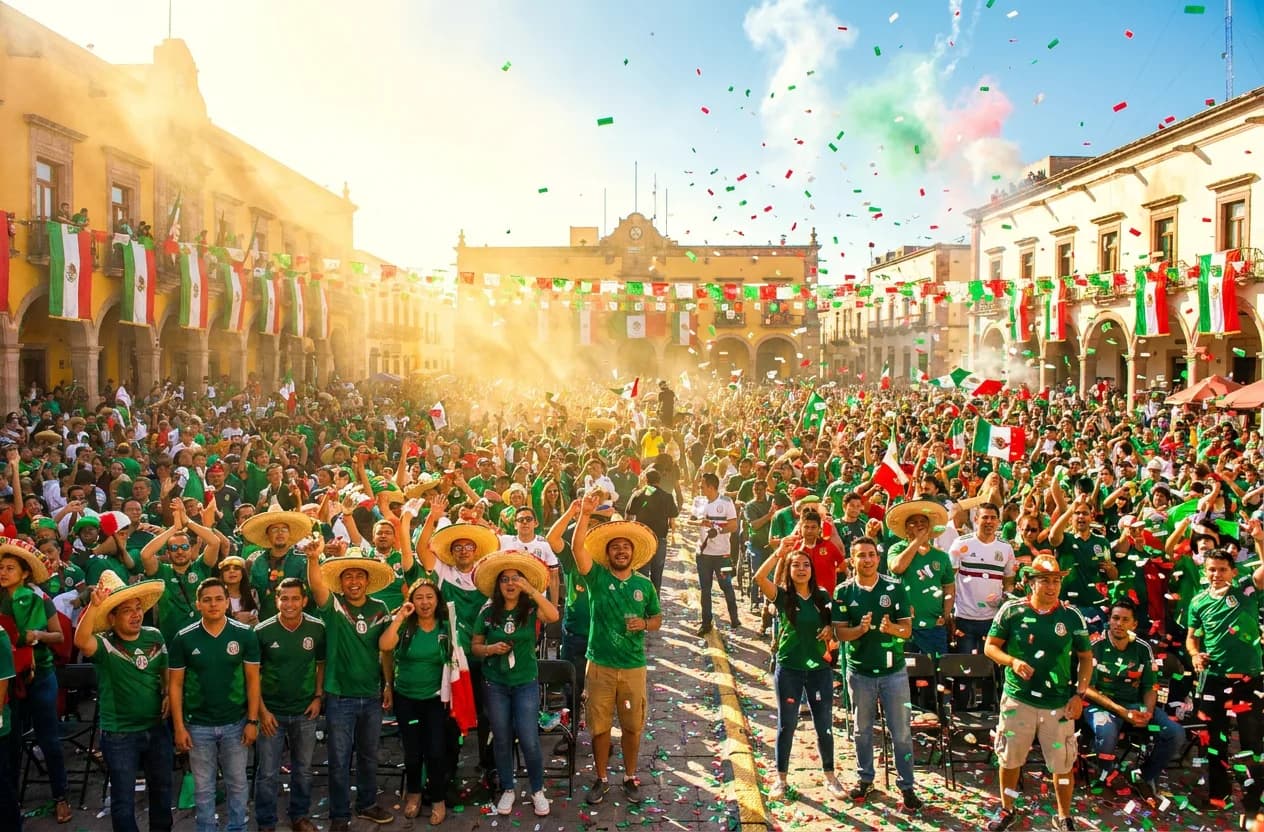
In the sprawling Estadio Azteca, where thin air and thunderous crowds have humbled visiting teams for generations, Mexico has played some of the most memorable matches in World Cup history. Yet for all the passion, all the brilliant individual moments, and all the dreams carried by 130 million people, El Tri has never lifted football's ultimate prize. As Mexico prepares for another crucial World Cup clash, this time against England in 2026, that painful reality looms large over a nation that has given everything to the beautiful game except a championship celebration.
The Curse of the Fifth Game
Mexico's World Cup story reads like a perfectly crafted tragedy, with the fifth game serving as an insurmountable wall. In 16 World Cup appearances dating back to 1930, El Tri has reached the Round of 16 seven times but advanced to the quarterfinals just twice. Those breakthrough moments came in 1970 and 1986, both times when Mexico hosted the tournament and had home crowds behind them.
The pattern became so predictable that Mexican fans coined it "la maldición del quinto partido" – the curse of the fifth game. Whether facing Argentina on penalties in 2006, the Netherlands in dramatic fashion in 2014, or Brazil in 2018, Mexico consistently fell at the same stage. Each elimination carried its own heartbreak, but the cumulative weight of these near-misses has defined Mexican football culture for generations.
The mathematics are stark: Mexico has played 57 World Cup matches across nearly a century of competition, scoring 60 goals and conceding 68. They've won 16, drawn 16, and lost 25. These numbers tell the story of a team perpetually on the edge of greatness but never quite breaking through to claim it.
Home Sweet Home: The Golden Generations
Mexico's two quarterfinal appearances both came on home soil, suggesting that El Tri performs best when backed by their passionate supporters. In 1970, playing in front of 100,000 fans at the Azteca, Mexico stunned the football world by reaching the last eight before falling 4-1 to Italy in a match that showcased both their potential and their limitations against elite European opposition.
Sixteen years later, the 1986 team captured hearts worldwide with their attacking flair and the emergence of Hugo Sanchez as a global superstar. That Mexican side defeated Bulgaria 2-0 in the Round of 16, setting up a quarterfinal against West Germany that went to penalties. The shootout loss was devastating, but it established Mexico as a legitimate World Cup force and created a generation of players who would influence Mexican football for decades.
Carlos Hermosillo, Manuel Negrete, and goalkeeper Sergio Goycochea became household names, not just in Mexico but across Latin America. Their style of play – technical, creative, and fearless – established the template for Mexican football philosophy that persists today.
The Eternal Bridesmaid Syndrome
What makes Mexico's World Cup history particularly fascinating is how consistently competitive they've been without ever achieving the ultimate breakthrough. Unlike smaller nations that occasionally punch above their weight, Mexico has been a fixture at World Cups, missing only three tournaments (1934, 1974, and 1982) in the competition's 93-year history.
This consistency has created a unique psychological burden. Mexican players grow up knowing their country has never won the World Cup, despite producing world-class talents like Sanchez, Cuauhtémoc Blanco, and Rafa Márquez. The weight of expectation combines with the frustration of repeated near-misses to create immense pressure on each new generation.
The 2018 World Cup in Russia exemplified this perfectly. After stunning Germany 1-0 in their opening match – a result that sparked celebrations across Mexico City so intense they registered on seismic sensors – El Tri seemed poised for their deepest run in decades. Instead, they lost 2-0 to Brazil in the Round of 16, extending their quarterfinal drought to 32 years.
England: A Different Kind of Challenge
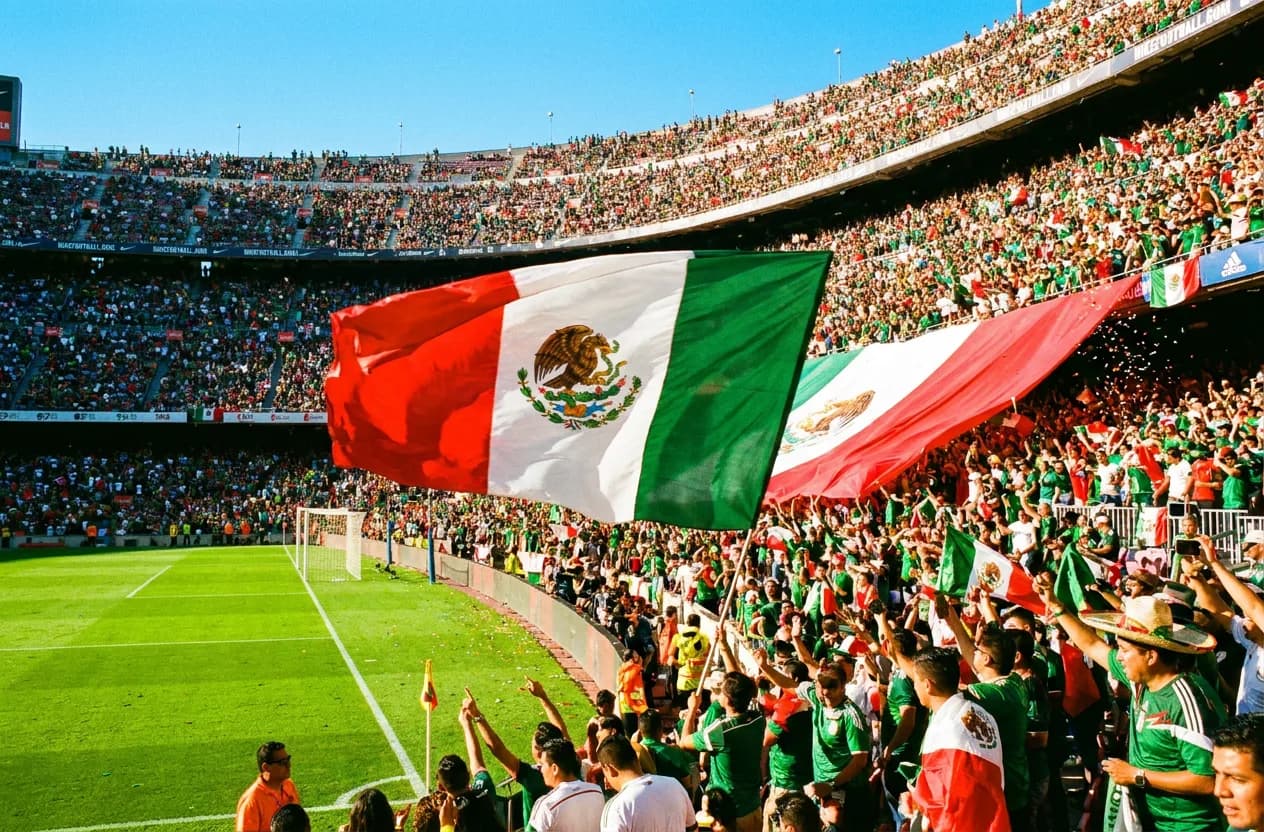
As Mexico prepares for their crucial England clash in the 2026 World Cup, they face an opponent with their own complex relationship with football expectations. England has won the World Cup once, in 1966, but has experienced decades of frustration since then. This dynamic creates an intriguing subplot: which team can better handle the pressure of unfulfilled expectations?
Historically, Mexico vs England matches have been competitive affairs. The teams have met twice in World Cup play, with England winning 4-0 in 1966 and 2-0 in 1982. However, those results don't reflect the current balance of power between the sides. Mexico's recent performances against European opposition have been much more competitive, and their familiarity with CONCACAF conditions could prove crucial.
The tactical battle will be fascinating. Mexico traditionally employs a high-pressing, technical style that can trouble possession-based teams like England. If El Tri can establish their rhythm early and get their crowd involved, they have the tools to cause problems for any opponent.
The 2026 Opportunity
Playing on home soil again gives Mexico their best chance in decades to finally break through to that elusive quarterfinal and beyond. The 2026 World Cup represents a unique opportunity, with Mexico co-hosting alongside the United States and Canada. The expanded 48-team format also provides additional pathways to advancement, though it won't matter if Mexico can't overcome their Round of 16 demons.
Current manager Diego Cocca has built his tactical approach around Mexico's traditional strengths while addressing some of their historical weaknesses in defensive organization. Players like Hirving Lozano, Raul Jimenez, and Edson Alvarez represent a golden generation with significant European experience, potentially the most talented Mexican squad since 1986.
Practical Notes
Mexico's World Cup matches during the 2026 tournament will likely draw massive television audiences across North America, with viewing parties becoming cultural events in Mexican-American communities. Fans planning to attend matches should expect intense atmospheres, particularly if Mexico advances deep into the tournament. Tickets for Mexico matches typically sell out quickly, and prices increase significantly on secondary markets. The team's traditional green jerseys become ubiquitous during World Cup years, and authentic merchandise often becomes collector's items. For the England clash specifically, kick-off times and venue details will be crucial factors in determining crowd composition and atmosphere.
Tags: #WorldCup2026 #FIFA2026 #Mexico #England #ElTri #MexicoVsEngland #WorldCupHistory #CONCACAF #EstadioAzteca #MexicanFootball #WorldCup #Soccer #Football #ThreeLions
Sources consulted: fifa.com · espn.com
All trademarks are the property of their respective owners.
Ask Karpo first
Want to keep following the World Cup 2026 story as it unfolds? Ask Karpo for a personalized bracket, live score alerts, and a match schedule tailored to your teams and your city.