The Sound of a Free Throw in a Room Full of Believers
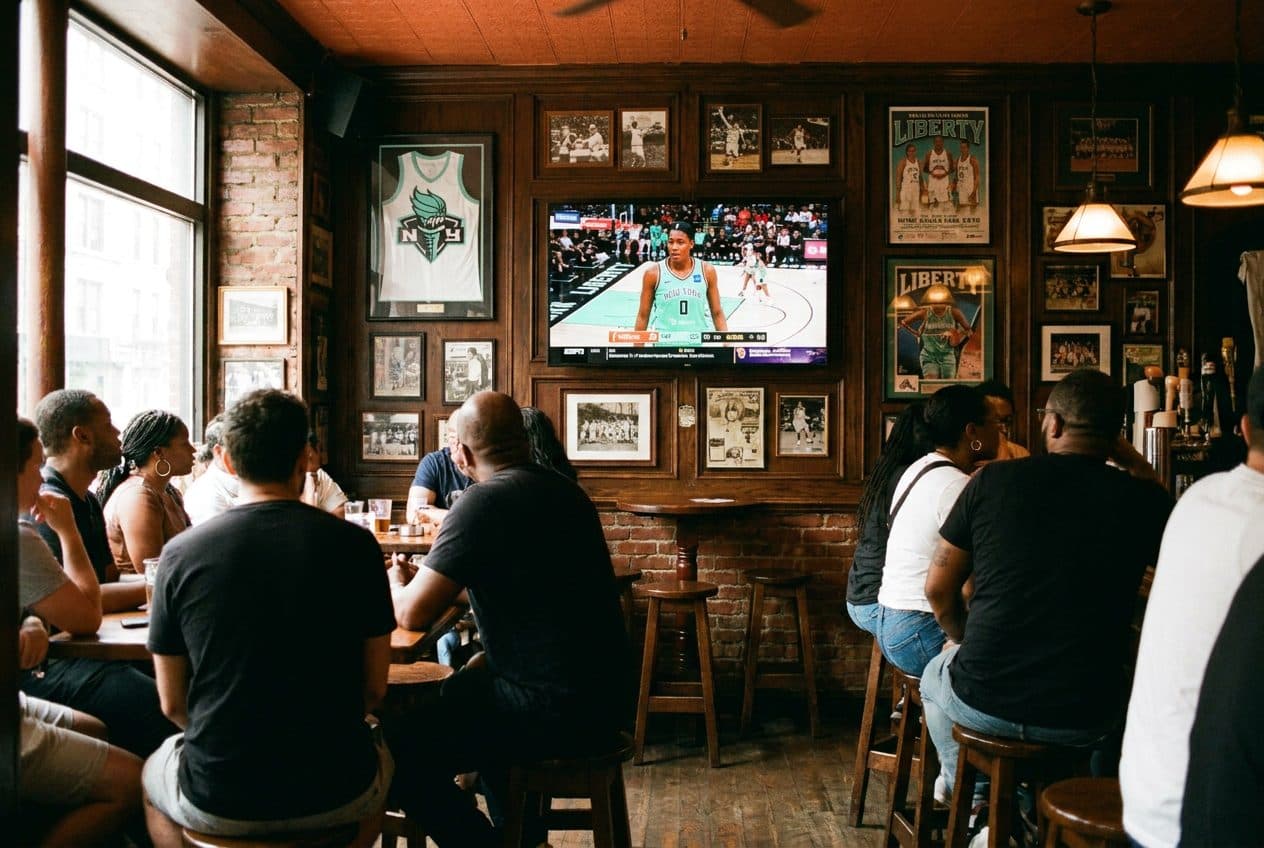
When the Liberty face the Aces and the game tips off on the screens at a Harlem sports bar near Frederick Douglass Boulevard, the crowd doesn't just watch—they referee, coach, and collectively hold their breath through every possession. The room smells like hot wings and spilled beer, but the energy belongs to playoff basketball, even when the calendar says regular season. Regulars claim their spots an hour before tip-off, staking out sight lines and settling bar tabs that will stretch deep into the fourth quarter.
The Choreography of Arrival
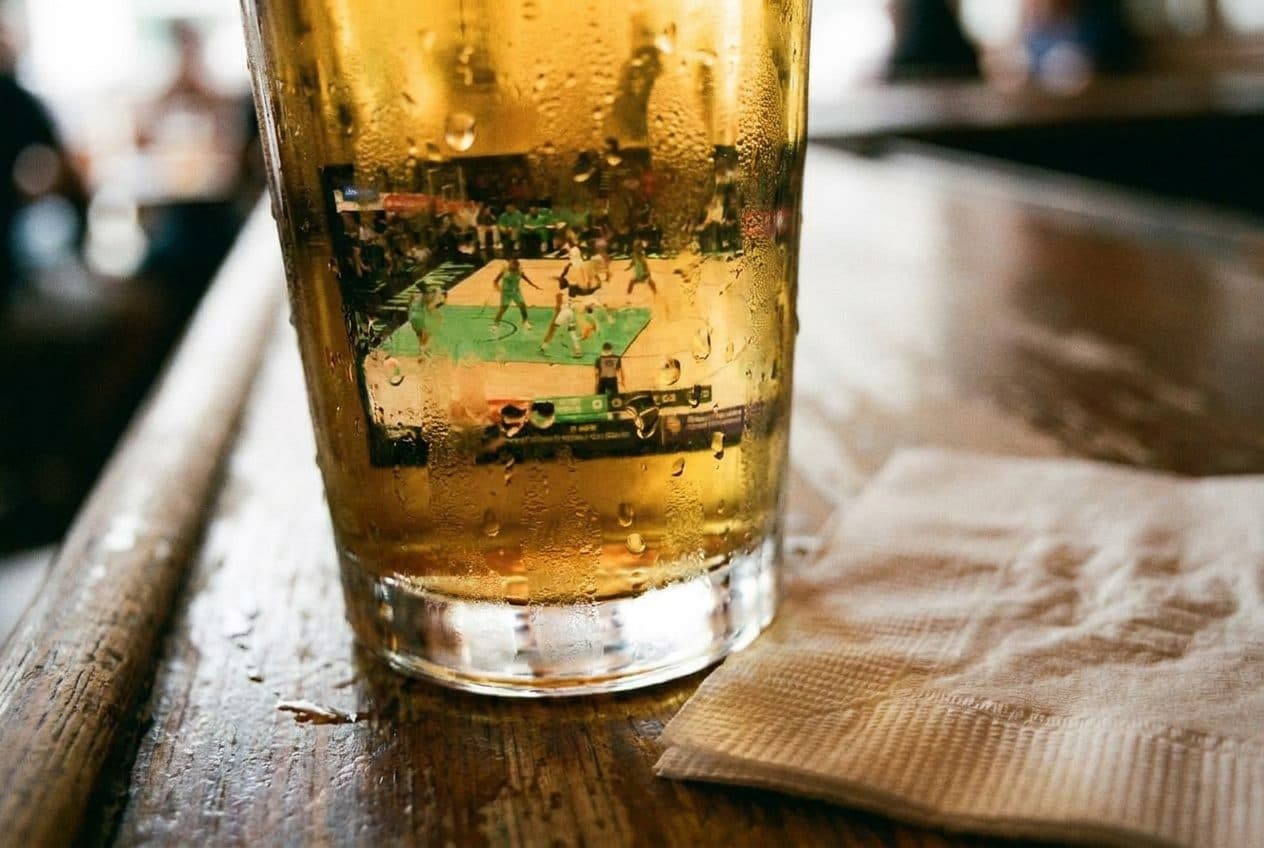
The first wave arrives while the pregame show runs its loops. These are the ones who know which barstool offers the cleanest view of the main screen, who've mapped the bathroom route that doesn't block anyone's angle during a crucial possession. They order their first round while the place still has elbow room, before the standing-room crowd packs in behind the high-tops. The bartender moves through the pre-game rush with the efficiency of someone who's done this particular dance dozens of times, pulling drafts and sliding baskets of fries down the bar without looking. By the time the starting lineups flash across the screens, every seat is spoken for and the overflow has formed a second tier along the back wall.
When the Room Goes Church-Quiet
Free throws create a specific kind of silence. The entire bar—a space that moments earlier buzzed with overlapping conversations and the clatter of silverware—drops to library volume as a Liberty player steps to the line. Someone near the pool table mutters a prayer under their breath. The shot goes up and the room exhales in unison, either in relief or frustration, before the noise floods back in. This rhythm repeats through both halves, a collective ritual that separates casual viewers from the invested. The bartender stops mid-pour during these moments, bottle tilted but motionless, eyes on the screen like everyone else.
The Defensive Stop That Moves Furniture
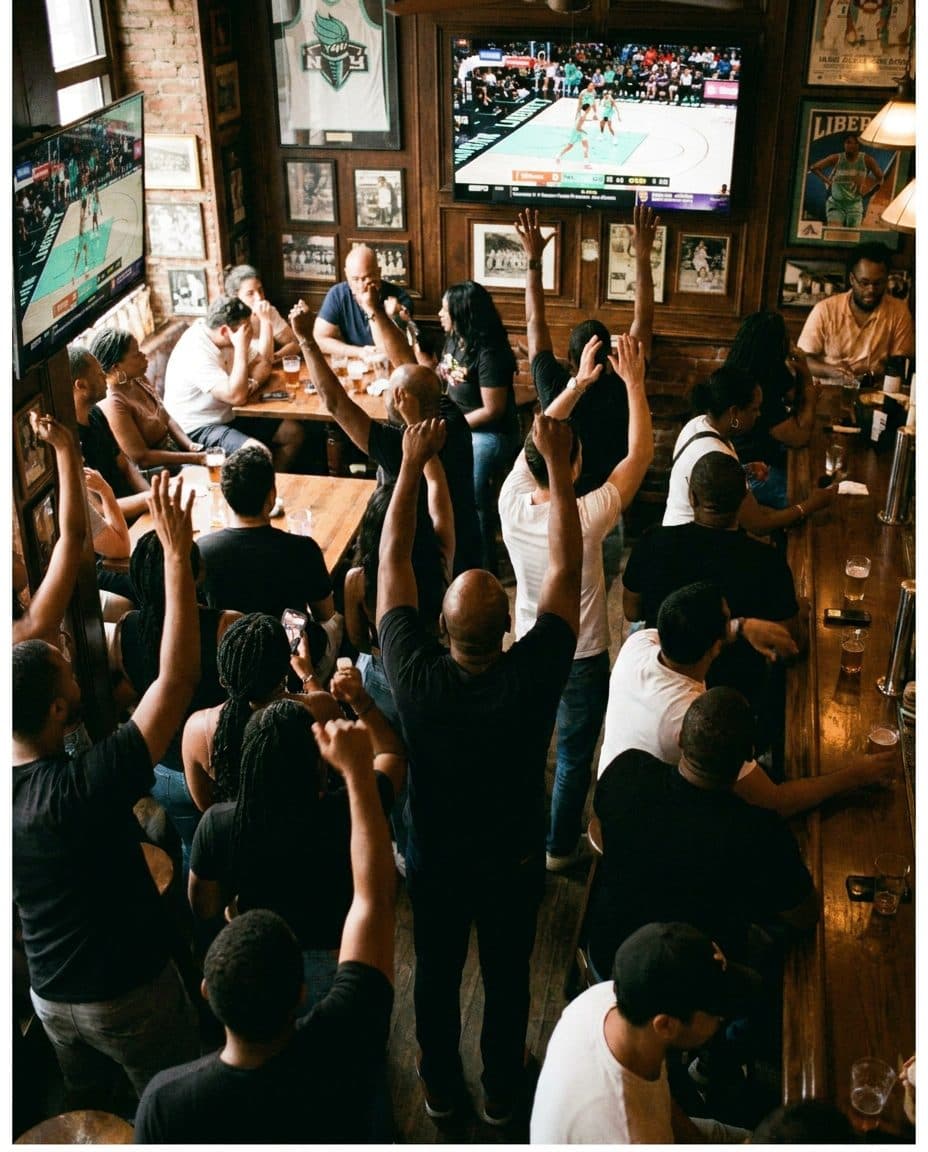
When the Liberty force a shot-clock violation or swat a layup attempt into the third row, the bar erupts with an intensity that rattles glassware. Barstools scrape backward as people leap up. High-fives connect across tables between strangers who've become temporary teammates. One regular—a woman in a vintage Liberty jersey from the franchise's first season—stands on the bottom rung of her stool and conducts the room like an orchestra, arms raised, demanding more noise. The celebration lasts longer than the play itself, bleeding into the next possession while the energy refuses to settle. The kitchen staff pokes their heads through the service window to catch the replay, spatulas still in hand.
The Halftime Economy
The break between halves transforms the bar into organized chaos. The bathroom line snakes toward the front door. The kitchen pushes out a backlog of orders—loaded nachos, jerk chicken sliders, baskets of sweet potato fries that arrive still crackling. Regulars who've been nursing the same beer for forty minutes finally order their second round. The bartender cranks the music up for exactly twelve minutes, a brief interlude before the second half demands silence again. Someone props the front door open to let the summer heat cut through the accumulated body warmth, and the street noise filters in—car horns, a passing conversation, the distant thump of someone else's music. Then the door swings shut, the lights dim slightly, and the room reorients toward the screens as the teams return to the court.
The Fourth Quarter Tension Economy
Late in a close game, the bar becomes a pressure cooker. People stop ordering food. Drinks sit untouched. Every whistle triggers groans or shouts at the referees, as if volume alone could overturn a call. The woman in the vintage jersey has her hands pressed together, elbows on the bar, watching through the gaps between her fingers. A timeout prompts a brief explosion of strategizing—what play they should run, who needs more touches, why that last defensive rotation left someone wide open. These aren't casual observations. The crowd speaks in the language of people who've watched enough film to have opinions on rotations and matchups. When play resumes, the room falls silent again, everyone leaning forward in their seats as if those few inches might change the outcome.
What Stays After the Final Buzzer
Win or lose, the bar doesn't empty immediately. The crowd lingers through the postgame handshakes and the first round of highlights, processing what just happened. Conversations bloom across tables—dissecting key plays, debating calls, already looking ahead to the next matchup. The bartender finally gets a moment to clear the wreckage of empty baskets and abandoned napkins. The woman in the vintage jersey accepts congratulations or condolences from half the room, depending on the result. The energy downshifts gradually, the volume dropping in increments rather than all at once. By the time the sports network moves on to other games, the diehards remain, the ones who'll stay until last call, still talking basketball, already counting down to the next time these two teams meet.
Practical Notes
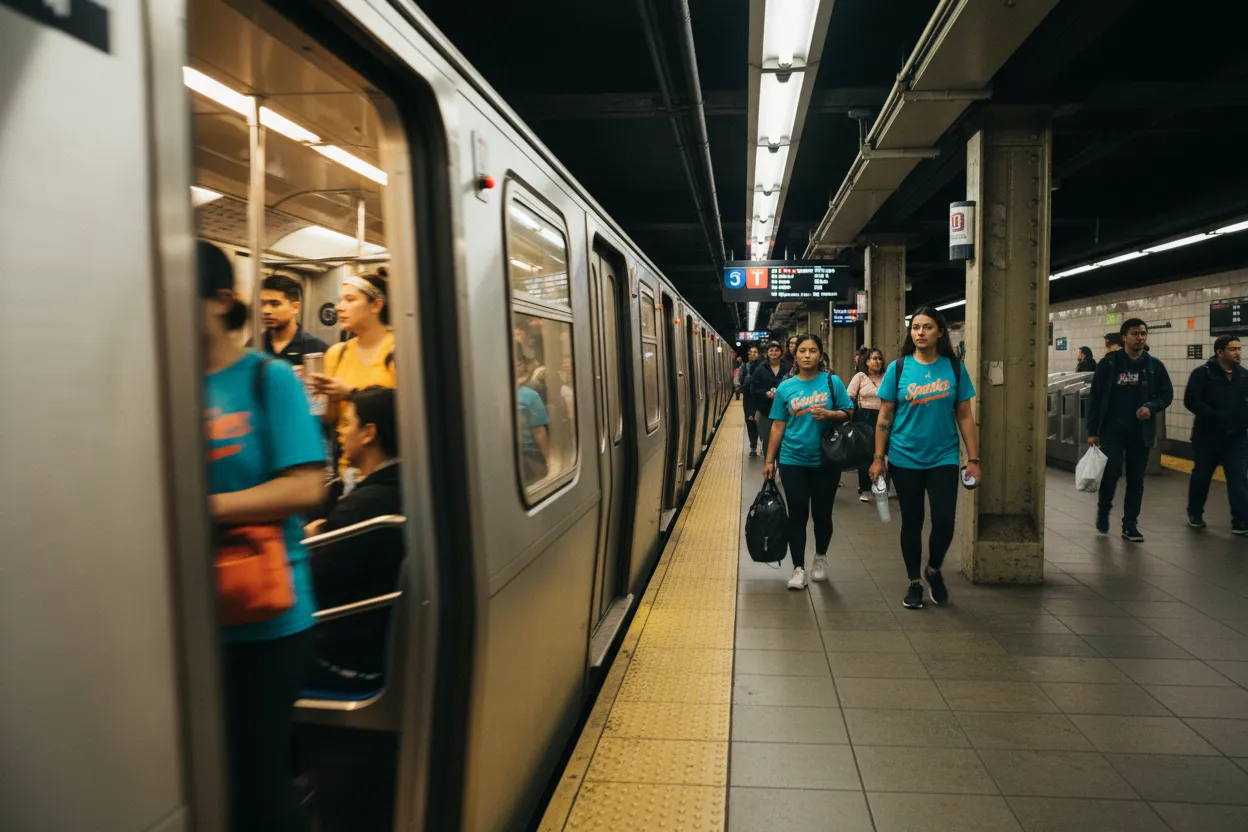
The bar opens in the late afternoon on game days, early enough for the pre-game crowd to settle in. Getting there an hour before tip-off guarantees a seat; arriving any later means standing room only when the Liberty play the Aces. The nearest subway stop sits a few blocks south, an easy walk through Harlem's evening energy. No reservations, no table service—claim a spot and hold it. The kitchen runs until late, and the bar stays open well past the final buzzer. Showing up in team colors earns immediate kinship with half the room.
Tags: #HarlemNights #WNBABasketball #NewYorkLiberty #SportsBarCulture #HarlemEats #BasketballSeason #LocalBarScene #FrederickDouglassBlvd #GameDayRituals #NYCNightlife #WomensBasketball #HarlemCommunity #BarCulture #RightOnTime #LibertyvAces
Sources consulted: timeout.com · secretnyc.co · thrillist.com
Please drink responsibly. Must be of legal drinking age.
All trademarks are the property of their respective owners.
Ask Karpo first
Want to know which bartender played college ball and where to stand for the best view?
Ask Karpo for the unspoken jukebox rule and the best time to arrive for a bar seat before you head out.