Hotel bars carry a tax in the imagination. People assume the drinks cost what the rooms cost, that you need to be a guest to sit down, that the atmosphere is stiff or designed for expense accounts. In practice, the four-to-six window at most Los Angeles hotel bars is the opposite: lower prices than the neighborhood cocktail bar, no cover, no reservation friction, and often better seating than you will find at seven thirty when the dining room empties into the lounge. The gap exists because hotels run two businesses under one roof, and happy hour belongs to the one that needs foot traffic.
Open the Karpo app right now to see which hotel bars near you are in their happy hour window, what they are pouring at the rail, and whether the lobby level or the rooftop is quieter tonight.
Why the economics tilt toward walk-ins before six
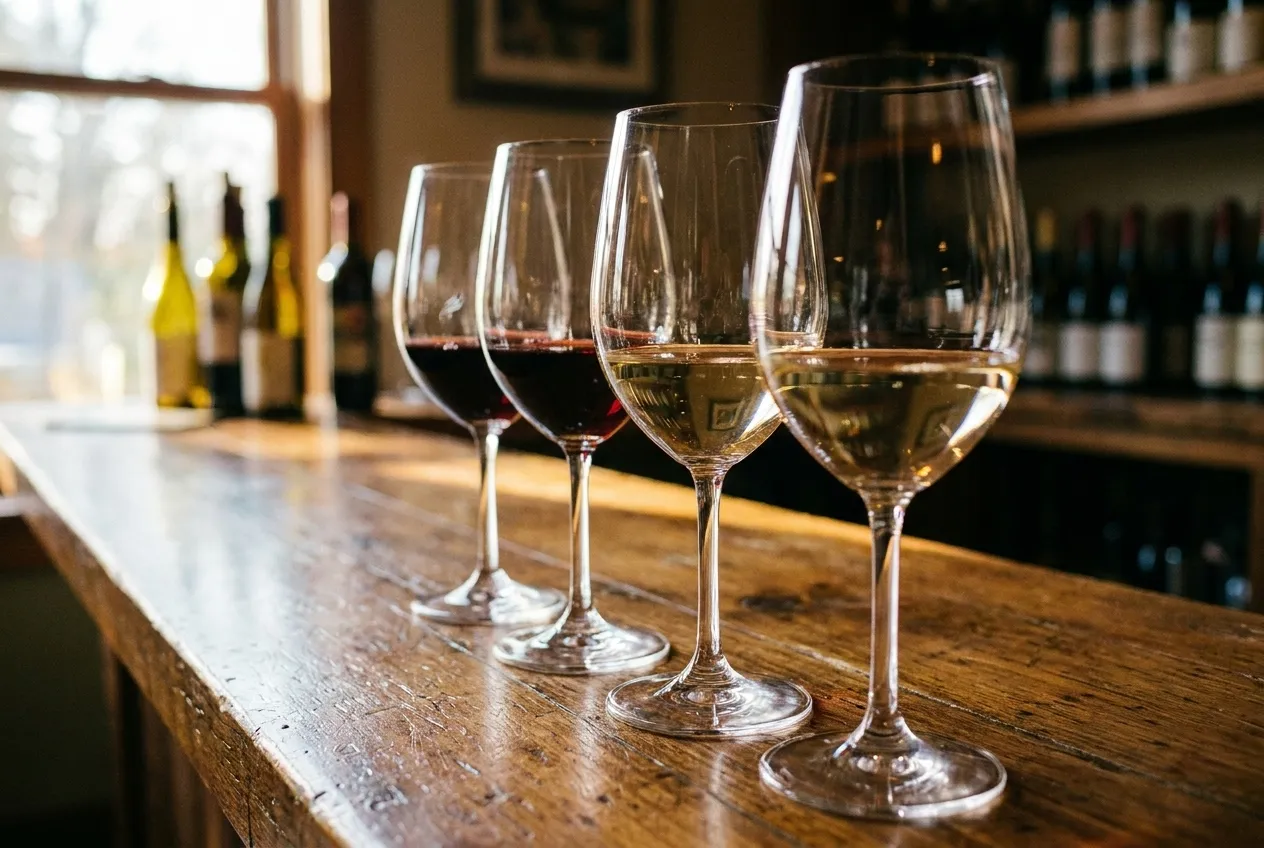
Hotel bars make their real money after eight, when guests come downstairs from their rooms or walk in from dinner reservations with an open bar tab mindset. The early window is dead time: business travelers are still in meetings, leisure guests are out seeing the city, and the restaurant has not seated its first turn. The bar is staffed and open because it has to be, but it is not earning. A happy hour menu with house wines at nine dollars and well drinks at ten pulls neighborhood workers and locals who treat the hotel as a place rather than a destination.
The price gap is real. A hotel in Downtown or West Hollywood that charges sixteen dollars for a cocktail at eight will run a five-to-seven special with the same rail pour at ten or eleven. Draft beer drops from ten to six. Small plates that exist to keep the kitchen warm before service come out at half the size and half the price. The hotel is not trying to win your loyalty for the weekend rate; it is trying to make the rent on a slow shift. You benefit from that math as long as you understand the hours when it applies.
Lobby bar versus rooftop: noise, light and when each one works
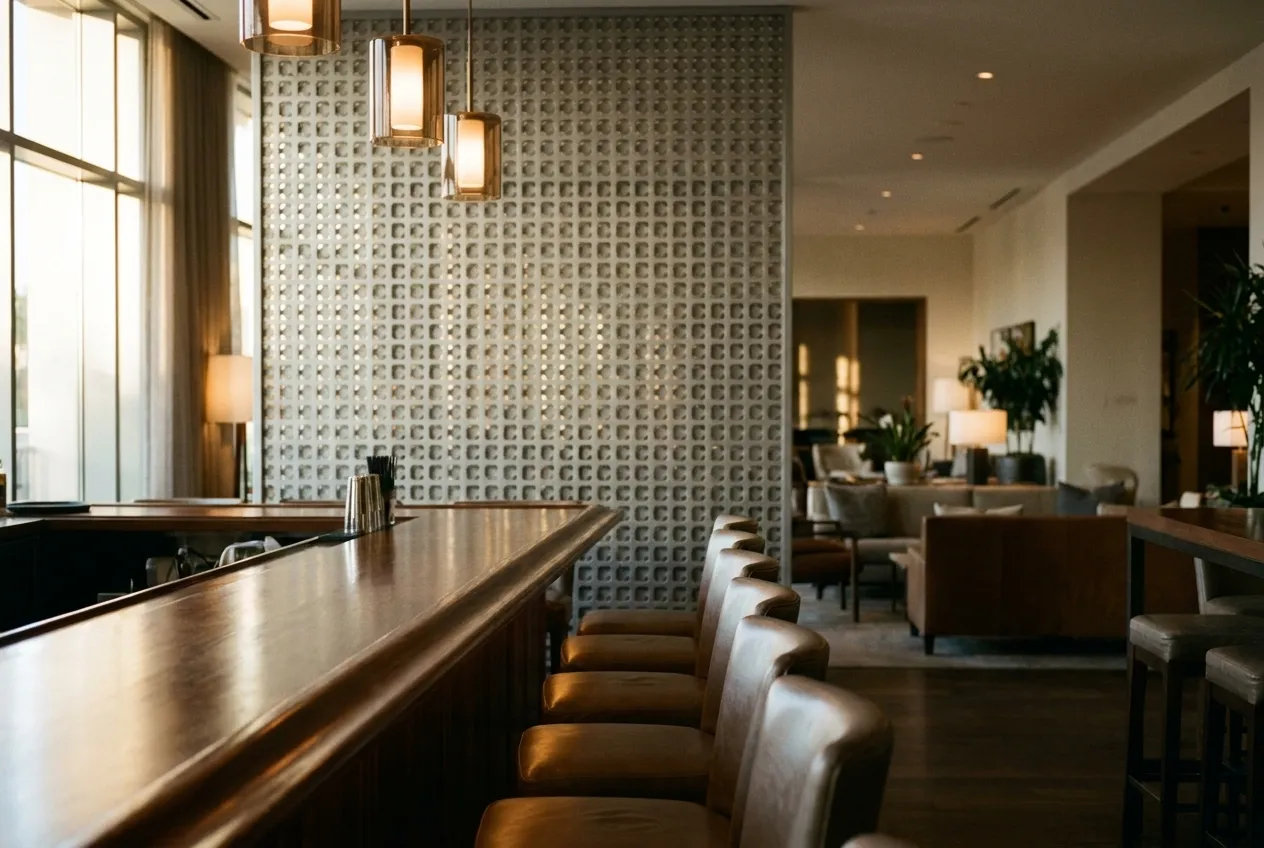
Most hotel properties in Los Angeles run at least two bar zones, and they do not fill at the same time or for the same reason. The lobby-level bar is the one that opens earliest, seats the most people, and runs the most consistent happy hour. It is also the one that handles overflow from check-in, meeting breakouts, and people killing time before a dinner reservation somewhere else. That makes it louder and more transactional. You can get a table, you can sit for an hour, but you are sharing the room with people on phone calls and small work meetings.
Rooftop and upper-floor bars open later, run shorter happy hours, and tilt toward tourists and special occasions. The view is the product, so the prices stay higher even during the discount window. A rooftop happy hour in Century City or Downtown might shave two dollars off a cocktail but hold the wine at fourteen. The trade-off is worth it if you want the table and the sight line, but it is not where you go to save money. The better move is to start at the lobby bar during the cheap hour, then move upstairs at seven when the rooftop is full but you are already in the building and past the elevator wait.
Timing matters more than the name on the building. A lobby bar at four fifteen on a Wednesday is empty and available. The same bar at five forty-five is standing room, filled with people who just finished work in the office tower next door or across the street. If you are trying to sit down and talk, four to five is the hour. If you want to feel like you are in a scene, five thirty to six thirty is when the room has energy but has not yet turned into the dinner crowd.
Which clusters in Los Angeles run the deepest hotel bar options
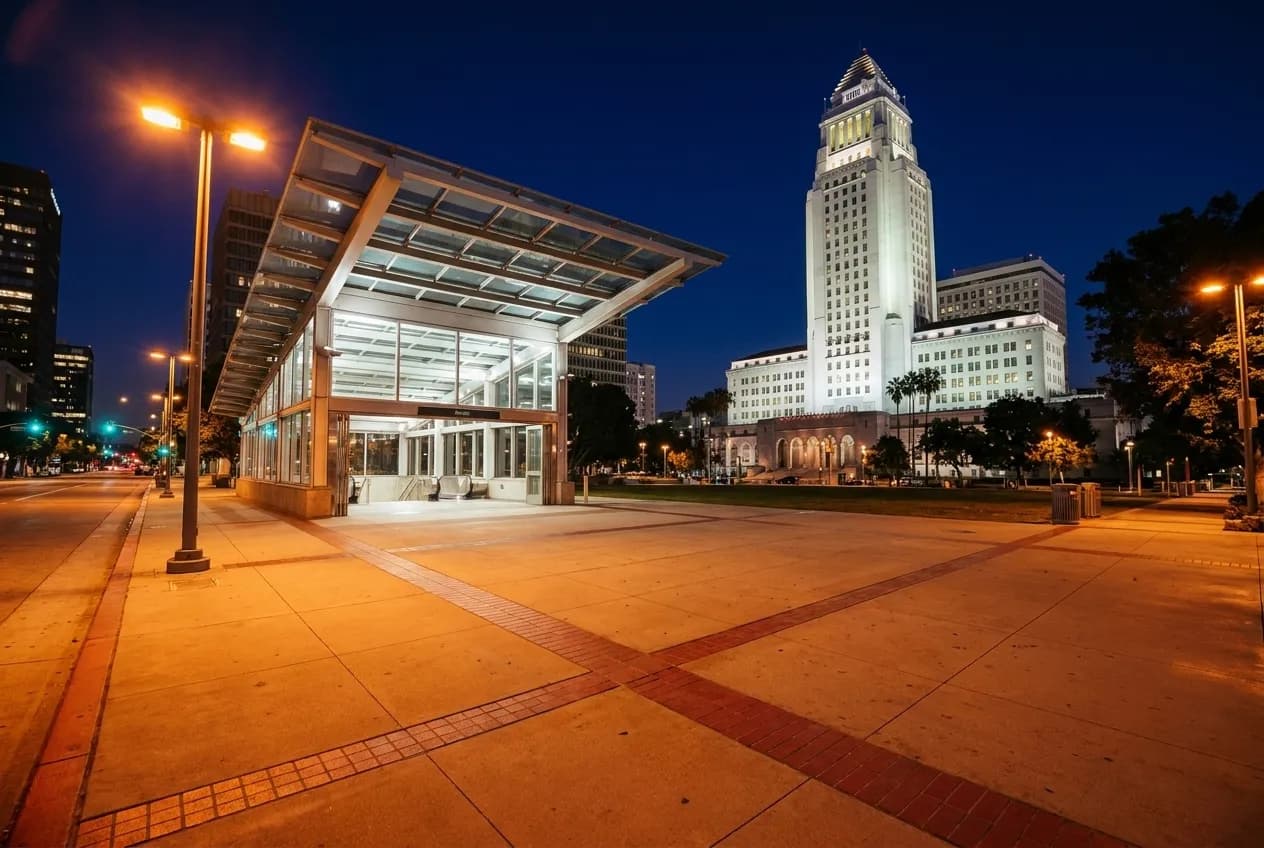
Downtown Los Angeles has the highest concentration of hotel bars within walking distance of each other, and the happy hour windows overlap enough that you can move between two or three in a single evening. The blocks between Figueroa and Grand, from Fourth Street to Eighth, hold at least six properties with lobby bars that run weekday specials from four or five until six or seven. The crowds skew corporate and local rather than tourist, which keeps the energy professional and the turnover high. You can get a table at four thirty without a wait and stay through six if you are ordering steadily.
West Hollywood and the Sunset Strip run a different model. The hotels are smaller, the bars are more designed, and the happy hour pricing is less aggressive. You will find specials, but they are more likely to be a dollar or two off a cocktail rather than a true half-price window. The value here is the room itself: better furniture, quieter corners, and a built-in exit strategy if you are heading to dinner on the Strip or in Beverly Grove. The bars fill later and empty slower, so a six o'clock arrival still gets you a seat most nights.
Century City and the Westside hotels near Beverly Hills run the quietest happy hours because they serve a business travel and extended-stay crowd that does not drink in large groups. The bars are open, the specials exist, but the rooms feel like lounges rather than scenes. That makes them useful if you are meeting someone for a conversation that requires low ambient noise, or if you are killing an hour before a reservation in Culver City or Santa Monica and want a guaranteed table. The price cuts are modest but reliable, and the four-to-six window is genuinely empty in a way that Downtown and West Hollywood are not.
How to use a hotel bar as a first stop that buys you time
The best tactical use of a hotel happy hour is as a placeholder when your dinner reservation is at seven thirty or eight and you do not want to sit at home or circle the block. You arrive at the hotel bar at five or five thirty, order something inexpensive, and sit until seven fifteen. You are paying ten or twelve dollars for a drink and an hour of climate control, a clean bathroom, and a place to charge your phone. When you walk out, you are three blocks or five minutes from wherever you are eating, and you have not spent the hour standing in a loud room or paying full price at a cocktail bar.
The same move works in reverse if you are waiting for someone who is late or stuck in traffic. A hotel bar at five does not require a reservation, does not charge a cover, and will not pressure you to order food. You can sit with one drink for thirty or forty minutes without attracting attention, because half the room is doing the same thing. The bar expects transient customers during happy hour; that is the business model. You are using the space the way it is designed to be used.
The trade-off is that hotel bars do not have the craft cocktail depth or the natural wine selection of a dedicated bar. The happy hour menu is built around volume pours and recognizable names: house wines, draft lagers, well spirits, and a handful of simple mixed drinks. If you are looking for a bartender who will build you something off-menu or talk through a flight of amaro, you are in the wrong room. But if you want a cold beer, a glass of wine that costs less than it should, and a table where you can sit and talk for an hour without anyone rushing you, the hotel bar at five o'clock delivers exactly that.
Tags: #HappyHourNearMe #LosAngelesHappyHour #LAHotelBars #DowntownLABars #WestHollywoodBars #CenturyCityBars #LABarScene #HappyHourLA #HotelBarsLA #LosAngelesBars #LANightlife #AfterWorkDrinks #LACocktails #BarsNearMe #LADrinks
Please drink responsibly. Must be of legal drinking age.
All trademarks are the property of their respective owners.
Ask Karpo first
Open the Karpo app to see which hotel bars near you are in their happy hour window right now, what the specials are running tonight, and how long it will take you to walk or drive there. Karpo tracks the live timing so you know whether you are hitting the quiet hour or arriving when the after-work crowd fills the room.