Hadestown in theaters has become one of the most searched weekend plans in Los Angeles as the acclaimed musical makes its way from stage to screen. Unlike traditional Broadway runs with fixed venues, a theatrical release means showtimes, participating locations, and ticket availability shift daily across the city's sprawling cinema landscape. As of July 29, 2026, no single theater list remains accurate for more than a few hours, so your planning starts with live verification on Fandango, AMC, or other major ticketing platforms. This guide prioritizes the process: how to check current Los Angeles listings, evaluate neighborhood options, time your pre-show route, and build a complete outing that accounts for group size, transit constraints, food budgets, and the unpredictability of same-day availability. Whether you're in Silver Lake, Culver City, Pasadena, or the South Bay, the framework is the same—confirm first, plan second, and always have a backup theater or showtime in mind.
Tell Karpo your Los Angeles neighborhood, preferred showtime, transit or driving plan, group size, food budget, and whether you want a quiet or lively pre-show stop. We'll check current listings and build the cleanest stage-to-screen outing, matching you with theaters that have verified availability, nearby food that fits your timeline, and contingency options if your first-choice screening is sold out or rescheduled.
Start with Live Listings, Not Static Guides
The first step for any Hadestown in theaters search is opening Fandango or the AMC Theatres site and entering your Los Angeles ZIP code or neighborhood. Hadestown's official site publishes production news and general release information, but it does not maintain a real-time showtime database. Fandango's Hadestown listing page and AMC's movie detail page are the most reliable tools for confirming which Los Angeles theaters are screening the musical on your chosen date, what times are available, and whether tickets remain in stock. Check both platforms: some independent or smaller chain theaters list exclusively on Fandango, while AMC properties may offer member discounts or reserved seating that other sites do not surface. As of today, July 29, 2026, you should verify listings the morning of or the night before your planned outing, especially for evening and weekend slots that sell out quickly.
When scanning results, note the theater's full address, the format (standard, IMAX, Dolby, or other premium screens), runtime, and any age or content advisories. Hadestown runs approximately two hours and thirty minutes with no intermission in its stage version; the screen adaptation may differ slightly, so confirm the listed runtime to plan your pre-show buffer. If your preferred neighborhood returns no results, widen the search radius by five or ten miles and consider transit time or parking availability at alternative locations.

Match Your Neighborhood to Theater Clusters
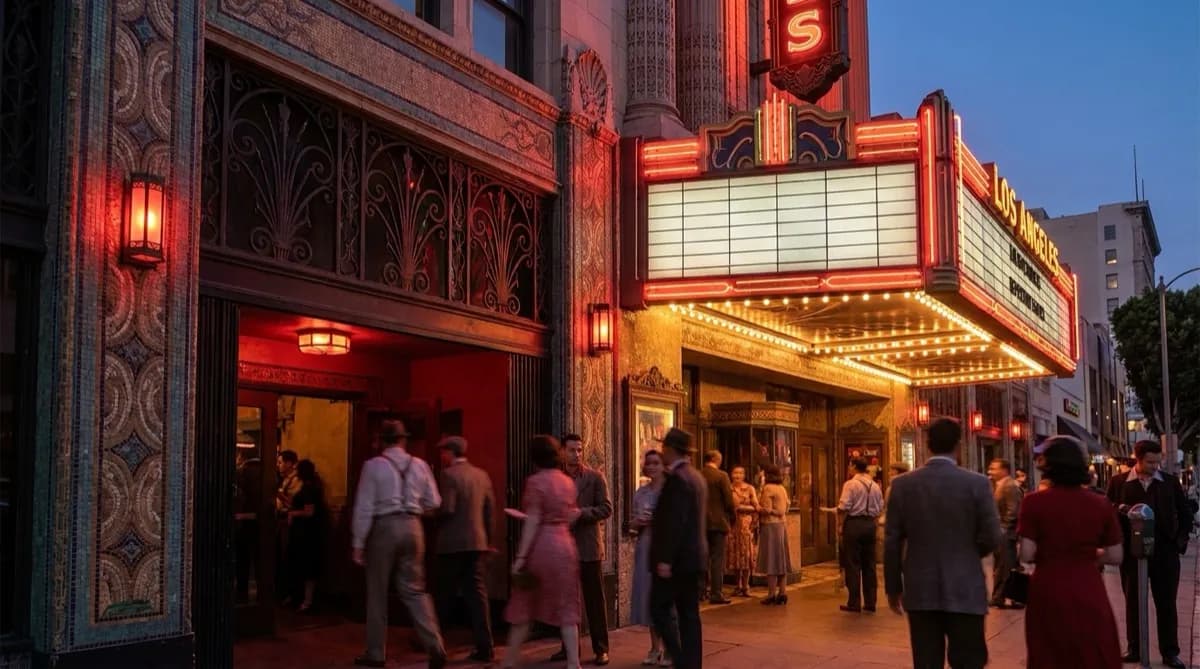
Los Angeles theater distribution clusters around downtown, the Westside (Century City, Westwood, Santa Monica), the Valley (Sherman Oaks, Burbank), and the South Bay (El Segundo, Torrance, Long Beach). If you live or work in one of these zones, start your listing search there to minimize travel time. Downtown theaters—including those near LA Live and the Historic Core—offer the densest concentration of dining and transit options, with Metro B and D lines connecting Union Station, Pershing Square, and 7th Street/Metro Center. Westside locations are typically car-dependent but provide ample parking structures and a wide range of upscale and casual dining within walking distance. Valley theaters often have free surface lots and family-friendly restaurant strips along Ventura Boulevard. South Bay cinemas near the beach or aerospace corridor appeal to groups coming from Orange County or the South Bay, with less congestion than central LA.
Choose your cluster based on your starting point, group composition, and whether you plan to drive, use rideshare, or take public transit. A party of six with strollers will prioritize free parking and step-free access; a couple using Metro will favor downtown or North Hollywood stations with direct rail service. Confirm the theater's accessibility features—wheelchair seating, assistive listening devices, and accessible restrooms—on the venue's website or by calling the box office before you book.
Time Your Pre-Show Route with a Sixty-to-Ninety-Minute Buffer
Once you have a confirmed showtime, work backward to schedule your pre-show stop. Aim to arrive at the theater fifteen minutes before the listed start to collect tickets, use restrooms, and settle into seats without rushing trailers. That means your dining or drinks window should close thirty minutes before showtime to account for payment, short walks, and unexpected delays. For a 7:00 PM screening, plan to finish your meal by 6:15 PM, leave your restaurant or bar by 6:30 PM, and be in the theater lobby by 6:45 PM. If you are driving, add ten to twenty minutes for parking search and garage walk time, especially in high-density areas like downtown or Century City on weekend evenings.
Public transit riders should check real-time Metro or bus schedules and add a fifteen-minute cushion for service gaps or crowded trains. Rideshare users should request pickup ten minutes earlier than the latest possible departure to avoid surge-pricing windows and driver availability issues. Groups larger than four may need two vehicles or a rideshare XL, which can take longer to match. Always have a backup showtime—typically the next screening, ninety minutes to two hours later—in case your first slot is sold out or your pre-show plan runs long.

Choose Quiet or Lively Pre-Show Stops by Group Mood
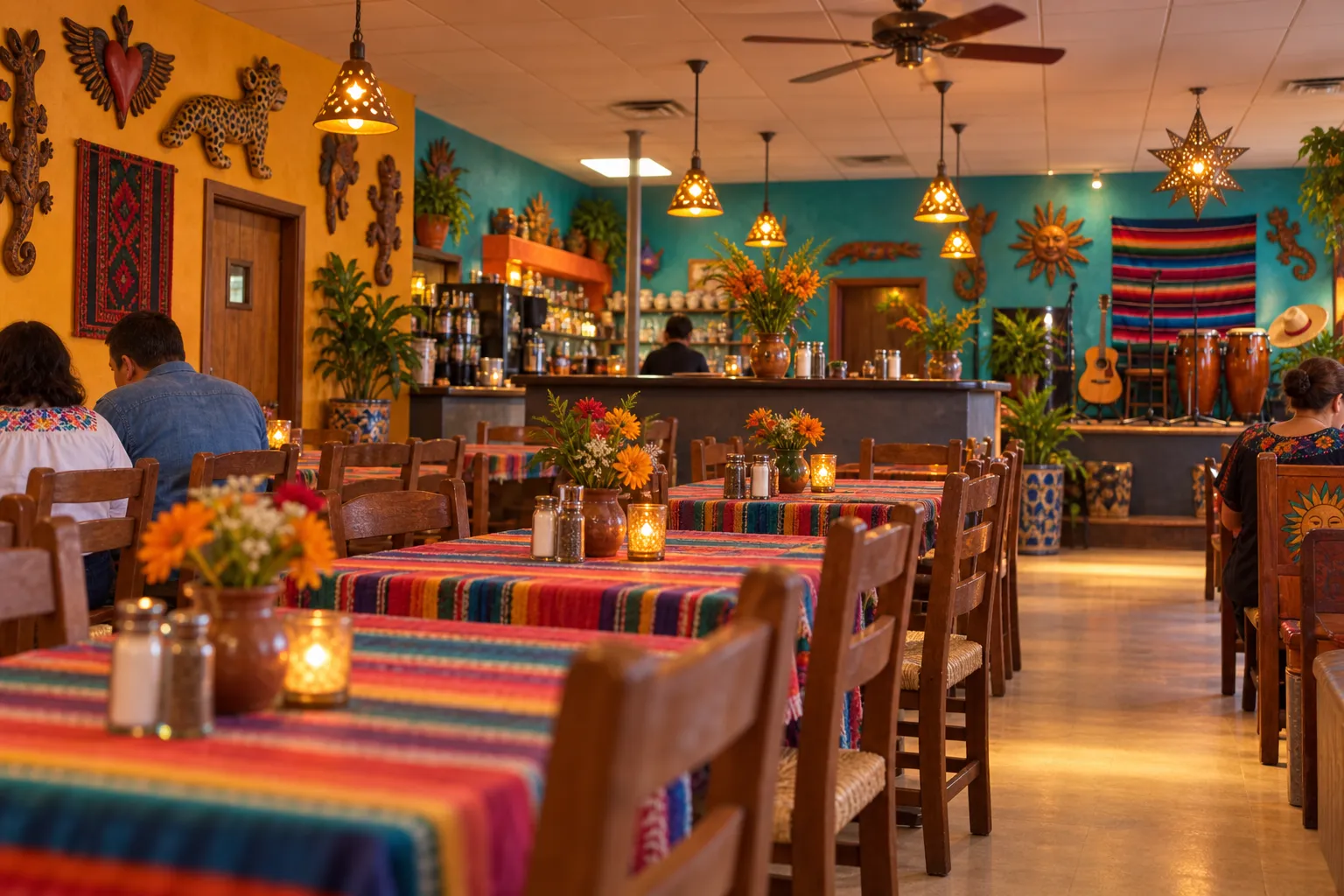
Your pre-show stop should match the group's energy and the musical's tone. Hadestown is a folk-opera retelling of the Orpheus and Eurydice myth, blending jazz, blues, and Americana into a somber, immersive narrative. Some viewers prefer a quiet, reflective meal—think wine bars with small plates, bookstore cafés, or bistros with low lighting and acoustic background music—to ease into the show's emotional arc. Others want a lively, social hour with cocktails, shared appetizers, and upbeat conversation to build excitement before the lights go down.
Quiet options work well for date nights, solo outings, or small groups who plan to discuss the production afterward. Look for spots with table service, reservations accepted, and menus that accommodate dietary restrictions without long waits. Lively stops suit larger groups, celebrations, or viewers who treat the outing as a full evening event. Brewpubs, tapas bars, and bustling noodle shops near theater districts offer faster turnover, communal seating, and menus designed for quick service. Confirm the restaurant's proximity to your theater—ideally within a five-minute walk—and check whether they accept reservations or operate on a first-come basis. On busy weekend nights, a fifteen-minute wait can derail your timeline.
Budget Categories and Group-Size Realities
Food budgets for pre-show stops in Los Angeles vary widely by neighborhood and cuisine. A low-budget plan—under fifteen dollars per person—might include taco trucks, food-court counters, or fast-casual chains within a short walk of the theater. Mid-range budgets of twenty to thirty-five dollars per person open up sit-down restaurants with appetizers, entrées, and non-alcoholic drinks. High-end options above forty dollars per person include wine pairings, craft cocktails, and multi-course tastings, but these require longer service windows that may not fit a tight pre-show schedule.
Group size affects both budget and logistics. Parties of two or three can usually walk into most restaurants without a reservation, even on weekend evenings, and split checks easily. Groups of four to six should call ahead or book online to secure a table and confirm the kitchen can serve everyone within your sixty-minute window. Parties of eight or more often need advance notice, may face automatic gratuity, and should consider restaurants with private or semi-private dining areas to avoid splitting across multiple tables. Always ask about group minimums, prix-fixe requirements, and whether the restaurant can accommodate strollers, wheelchairs, or service animals.
Build Contingency Plans for Sold-Out Showtimes and Listing Changes
Even with careful planning, theatrical releases can surprise you. A theater may pull a screening due to technical issues, a sold-out show may release a handful of seats minutes before showtime, or your group may arrive to discover the listed format has changed from standard to premium pricing. Always identify a backup theater within a ten-to-fifteen-minute drive or transit ride, and note its next available showtime. If your 7:00 PM slot is full, a 7:30 PM or 8:00 PM screening at a nearby venue keeps your evening on track with minimal replanning.
Check your ticketing platform's refund and exchange policies before purchasing. Some chains allow free cancellation up to two hours before showtime; others charge fees or offer credit only. If you are coordinating a large group, buy tickets as early as same-day listings appear—often around midnight or 6:00 AM—to secure adjacent seats. For last-minute outings, call the theater's box office directly to ask about seat availability and whether they hold back inventory from online sales. Keep Hadestown's official news page bookmarked for announcements about extended runs, special screenings, or format changes that might affect your plans.
Transit, Parking, and Accessibility Across LA Venues
Transportation is the variable that most often derails a smooth pre-show route in Los Angeles. If you are driving, confirm the theater's parking options: on-site structure, nearby surface lots, street metered parking, or valet service. Downtown and Westside venues typically charge between ten and twenty-five dollars for event parking on weekend evenings; Valley and South Bay locations more often offer free lots. Arrive twenty minutes early to account for garage entry queues and elevator waits, and keep small bills or a credit card ready for pay stations that may not accept mobile payments.
Public transit users should map their route on the Metro site or Google Maps, checking for weekend service changes, elevator outages, or bus detours. The B Line (Red) and D Line (Purple) serve downtown and Hollywood; the E Line (Expo) connects downtown to Santa Monica; the A Line (Blue) runs south to Long Beach. Most theaters are within a ten-minute walk of a station, but confirm the path is well-lit and accessible after dark. Rideshare pickup and drop-off zones at large theaters can be chaotic on weekend nights; designate a specific corner or landmark to avoid confusion and missed connections.
Accessibility features vary by venue age and ownership. Newer multiplexes typically offer wheelchair seating in multiple auditoriums, accessible restrooms on every floor, and assistive listening devices at the box office. Older or independent theaters may have limited accessible seating, stairs without elevators, or narrow aisles. Call ahead to confirm the theater can accommodate your needs, and ask whether accessible seating must be reserved in advance or can be selected at the door.
Tags: Weekend Plans, Los Angeles, Hadestown in Theaters, Pre-Show Dining, Theater Listings, LA Entertainment, Group Outings, Transit Planning, Accessibility, Showtime Verification
Tell Karpo your Los Angeles neighborhood, preferred showtime, transit or driving plan, group size, food budget, and whether you want a quiet or lively pre-show stop. We'll check current listings and build the cleanest stage-to-screen outing.
Sources consulted: hadestown.com · fandango.com · amctheatres.com
All trademarks are the property of their respective owners.
Ask Karpo first
Tell Karpo your Los Angeles neighborhood, preferred showtime, transit or driving plan, group size, food budget, and whether you want a quiet or lively pre-show stop. We’ll check current listings and build the cleanest stage-to-screen outing.