The Striker's Calculus
A semifinal is no place for hesitation. The forward who thrives here reads the game in fractions of a second—anticipating the defender's weight shift, the goalkeeper's angle, the split-second when a passing lane opens. Norway's attack has built its tournament run on that razor-edge timing, turning half-chances into goals that silence stadiums. The challenge now is a Spanish defense that gives nothing away cheaply, a unit drilled to compress space and force attackers into low-percentage decisions.
Text Karpo Now: Get real-time semifinal watch-party spots, transit hacks, and the inside line on where the atmosphere peaks in Dallas or Atlanta.
What makes this duel compelling is the contrast in philosophy. One side believes in the individual moment of brilliance, the other in collective discipline. When those two forces collide in a knockout match, the result often comes down to a single sequence—a mistimed step, a perfect through-ball, a reflex save. The striker's job is to create that moment; the defense's job is to deny it exists.
Across the group stage and the round of sixteen, Norway's forward line has shown an ability to adapt. Against deep blocks they've pulled defenders wide; against high lines they've exploited the channels. Spain will offer a different puzzle: a defense that shifts fluidly between shapes, that reads the game collectively, that rarely commits too many bodies forward. Solving it will require not just pace or power, but patience and precision.

Spain's Defensive Identity
Spain arrived at this World Cup with a reputation built on possession, but their semifinal berth owes as much to what they deny as what they create. Their back line operates as a connected unit, stepping up in unison to squeeze the pitch, dropping together when the opponent breaks. It's a system that demands constant communication and positional awareness, and it's proven effective against some of the tournament's most dangerous attacks.
The key is their ability to stay compact without sacrificing width. Full-backs tuck in when the ball is central, then spring wide when it's played out. Center-backs cover each other's runs, ensuring no striker ever finds himself truly isolated against a single defender. It's not flashy, but it's relentless, and in knockout football that consistency can be the difference between advancing and going home.
What makes Spain particularly difficult to break down is their comfort on the ball even under pressure. When they win possession in their own third, they don't panic—they build methodically, drawing the opponent forward and opening space behind. That composure forces attacking teams into a dilemma: press high and risk being played through, or sit deep and allow Spain to dictate tempo. Neither choice is comfortable.
The Margins That Matter
Semifinals are often decided by details invisible in the highlight reel. A defender's positioning that forces a striker onto his weaker foot. A midfielder's recovery run that closes a passing lane. A goalkeeper's starting position that shrinks the angle by inches. These are the margins that separate teams at this level, and both sides know it.
Set pieces loom large in tight matches. A well-rehearsed corner routine, a free kick delivered into a dangerous zone—these moments can bypass even the most organized defense. Spain's height advantage in the box is real, but Norway has shown creativity in their delivery and timing. Expect both coaching staffs to have spent hours on video, mapping tendencies and rehearsing counters.
Then there's the mental game. A semifinal carries a weight that earlier rounds don't. Players feel it in the tunnel, in the first whistle, in the way the crowd holds its breath before a shot. The team that manages that pressure—that plays with freedom despite the stakes—often finds an extra gear. History is full of underdogs who rose to the moment and favorites who tightened up when it mattered most.
Where the Battle Will Be Won
The midfield will be the hinge. If Norway can win second balls and transition quickly, they'll create the chaos their attack thrives in. If Spain controls the tempo and pins Norway deep, the defensive structure will eventually crack. Both teams know this, which means the opening twenty minutes will be a chess match—probing, adjusting, searching for the first sign of weakness.
Expect Spain to try to pull Norway's defensive line apart with patient buildup, stretching the pitch horizontally and then suddenly switching play. Norway will counter by staying compact centrally and forcing Spain wide, where crosses into a crowded box are easier to defend. The question is whether Spain's technical quality can unlock those tight spaces, or whether Norway's physicality and discipline will frustrate them into mistakes.
Individual matchups will matter. If Norway's wide players can isolate Spain's full-backs one-on-one, they'll create opportunities. If Spain's midfield can cut off the supply line to Norway's forwards, the game will tilt in their favor. Coaches will make adjustments on the fly—a tactical tweak, a substitution to change the rhythm—and the team that reads the game faster will have the edge.
The Atmosphere in Dallas or Atlanta
AT&T Stadium in Arlington and Mercedes-Benz Stadium in Atlanta will host the two semifinals, and both venues promise electric atmospheres. AT&T, with its retractable roof and massive video board, has already seen some of the tournament's most dramatic moments across its nine matches. The Dallas-Fort Worth metro area has embraced the World Cup with watch parties in Deep Ellum, Bishop Arts, and along the Katy Trail, where fans gather hours before kickoff to soak in the energy.
Atlanta's Mercedes-Benz Stadium, with its signature oculus roof and downtown location, offers a different vibe—walkable neighborhoods like Centennial Olympic Park and the Westside Provisions District fill with fans in team colors, and the city's MARTA rail system makes getting to the stadium straightforward. Both cities have leaned into the tournament, and the semifinal crowds will reflect that: a mix of die-hard supporters, neutral fans drawn by the stakes, and locals experiencing their first taste of World Cup drama.
Getting to either venue requires planning. In Arlington, official shuttles and ride-shares are the main options; parking is limited and fills early. In Atlanta, MARTA's Blue and Green lines run directly to the stadium, and the city has added extra service for match days. Either way, arrive early, wear comfortable shoes, and expect security lines. The payoff is being inside when the whistle blows and the roar begins.
What Comes Next
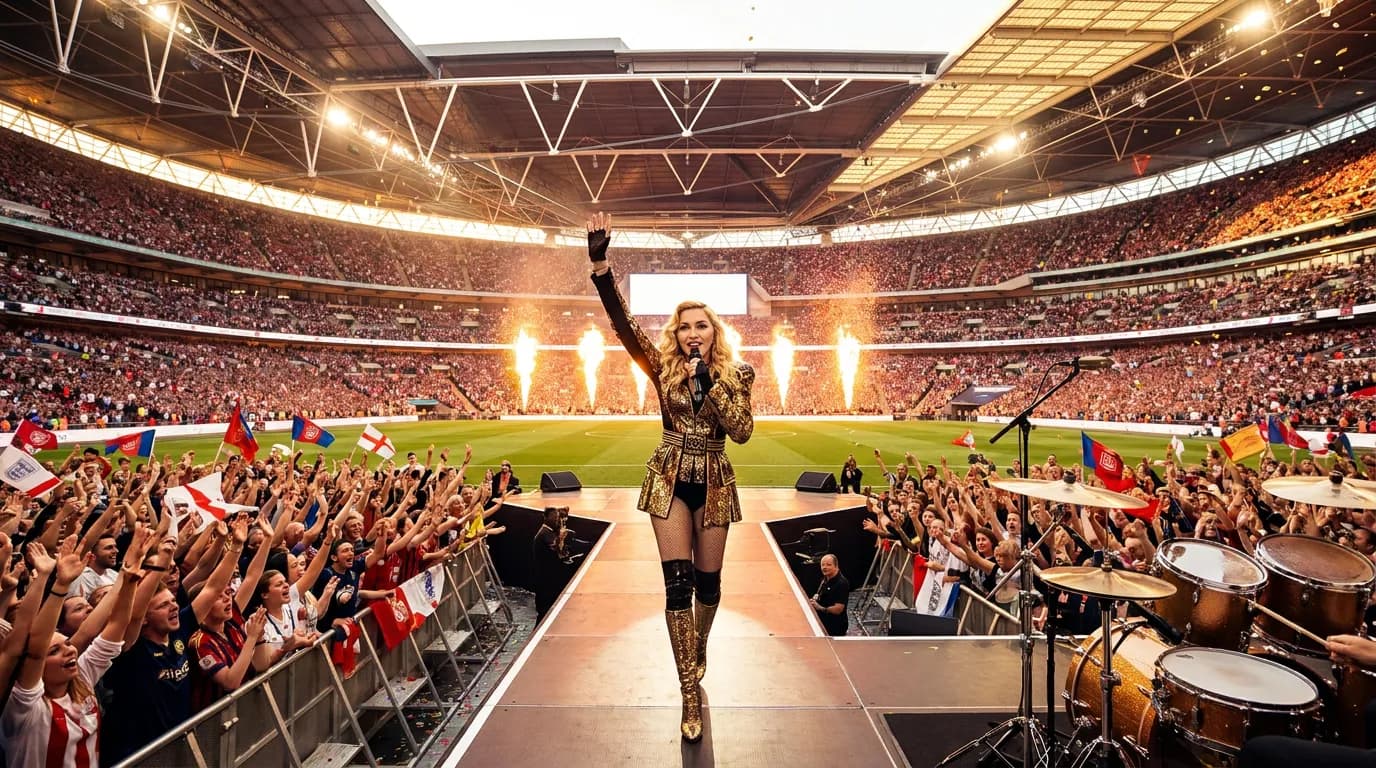
The winner of this semifinal will carry momentum into the final at MetLife Stadium on July 19, where Chris Martin's curated halftime show featuring Madonna, Shakira, and BTS will add another layer of spectacle. But that's a week away. Right now, the focus is singular: ninety minutes, maybe one-twenty, to decide who moves on and who goes home.
For Norway, this is a chance to cement a legacy. A semifinal appearance is already historic; a final berth would be transformative. For Spain, it's about living up to expectations, about proving that their blend of technique and discipline can carry them through the tournament's toughest tests. Both teams have earned their place here. Both believe they can win.
The beauty of knockout football is its clarity. No second chances, no margin for error. One team will find a way—through a moment of brilliance, a tactical adjustment, a stroke of luck—and the other will be left wondering what might have been. That's the drama, the heartbreak, the reason we watch. When the final whistle blows, we'll know which story gets to continue.
Practical notes
- AT&T Stadium in Arlington hosts nine World Cup matches; arrive via official shuttles or ride-shares, as on-site parking is extremely limited.
- Mercedes-Benz Stadium in Atlanta is accessible via MARTA Blue and Green lines; extra service runs on match days for easier transit.
- Security lines can be long—plan to arrive at least ninety minutes before kickoff to clear checks and find your seat.
- Dallas watch-party hubs include Deep Ellum and Bishop Arts; Atlanta fans gather in Centennial Olympic Park and Westside Provisions District.
- The final is July 19 at MetLife Stadium in East Rutherford, NJ; no on-site parking or tailgating, but NJ Transit offers shuttles with return wristbands.
A semifinal is where tournaments are won and lost, where the margin between triumph and heartbreak shrinks to a single play. Whether you're in the stands or watching from a packed bar in Dallas or Atlanta, you'll feel every pass, every tackle, every near-miss. This is the football that stays with you long after the final whistle—the kind that reminds you why the World Cup matters.
Tags: #WorldCup2026 #SemifinalShowdown #KnockoutFootball #StrikerVsDefense #NorwayFootball #SpainFootball #ATTStadium #MercedesBenzStadium #DallasWorldCup #AtlantaWorldCup #TacticalFootball #TournamentDrama #WorldCupSemis #FootballCulture #KarpoFinds
All trademarks are the property of their respective owners.
Ask Karpo first
The semifinal stage is where legends are made and dreams are tested. Whether you're planning your route to Arlington or Atlanta, hunting down the best watch-party spot, or just trying to make sense of the tactical chess match unfolding on the pitch, Ask Karpo first—we'll help you experience every moment with the insight and access that turns a great match into an unforgettable one.