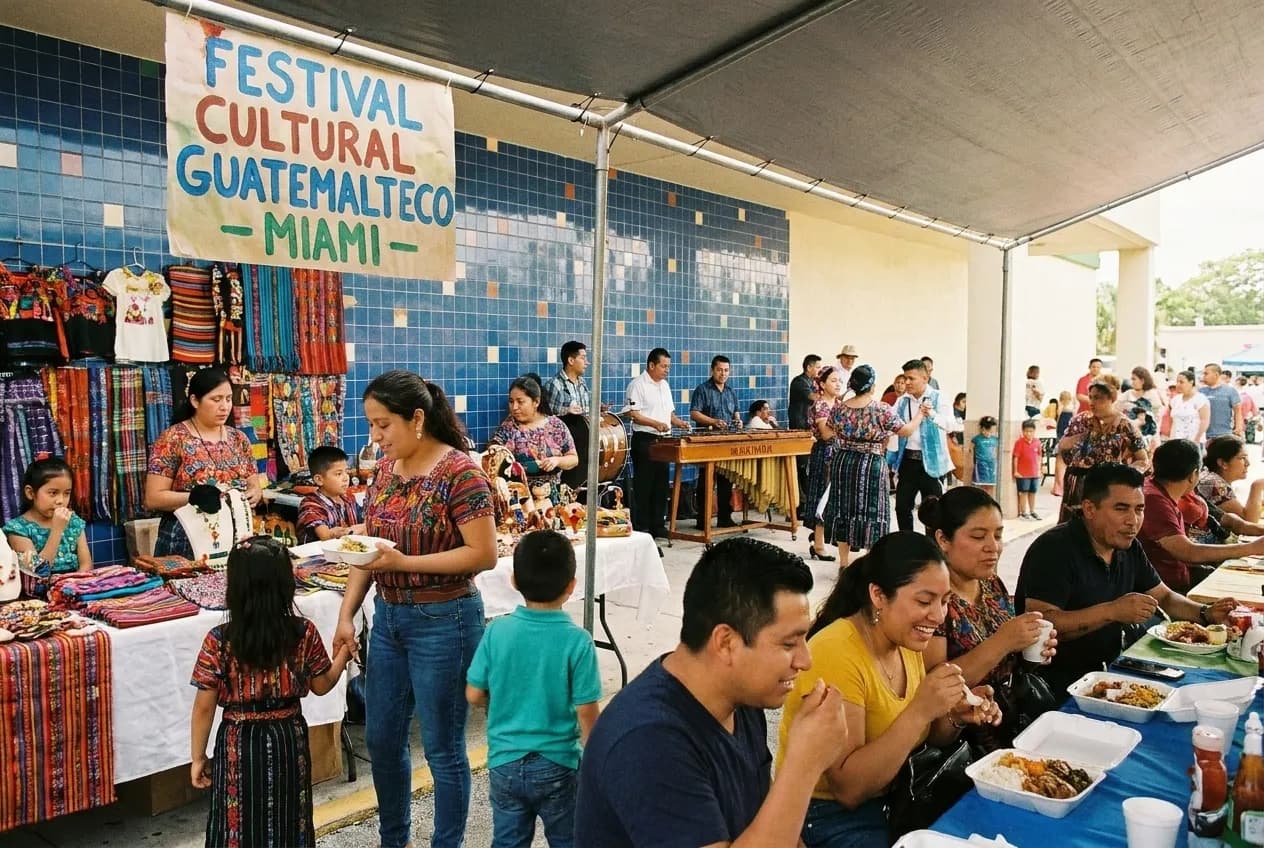
Miami's Guatemalan community creates a welcoming weekend landscape where families and friends can explore Central American heritage without leaving South Florida. From Little Havana to Westchester and Kendall, pockets of Guatemalan culture offer Saturday opportunities to taste traditional dishes, browse handmade textiles, and participate in celebrations that honor guatemala's rich history. Planning a full day around these experiences requires understanding that many cultural events operate on community schedules rather than fixed commercial hours, and that the best experiences often come from asking vendors about upcoming gatherings, confirming whether a restaurant is hosting live marimba music that particular weekend, or checking if a market stall accepts card payments or cash only. This weekend plan suits families seeking educational cultural exposure, friend groups interested in culinary exploration, and anyone drawn to the celebratory atmosphere of community-driven events where participation matters as much as observation.
Text Karpo your preferred Miami area, whether you want a restaurant meal or a market visit, and if you need kid-friendly activities. We'll send a ranked weekend itinerary of Guatemalan cultural events with parking notes and a backup list of Guatemalan restaurants if outdoor events are rained out.

Navigating Guatemalan Restaurant Specials and Weekend Menus
Guatemalan restaurants in Miami often reserve their most elaborate dishes and live entertainment for weekend service, but calling ahead reveals whether a specific Saturday features special menu items like pepián or kak'ik, whether a marimba ensemble will perform during lunch or dinner hours, and if reservations help during peak times. Some establishments operate as hybrid spaces—restaurant by day, event venue by evening—so confirming the schedule prevents arriving during a private celebration. The tradeoff between spontaneity and planning becomes clear when a family arrives hoping for a casual meal only to find a quinceañera has reserved the dining room, or when a group discovers the folkloric dance performance they wanted to see happens only on the first Saturday of each month.
Payment practices vary widely, with some smaller, family-run spots operating cash-only while others accept cards; asking when you call about weekend specials also clarifies this practical detail. Menu descriptions may assume familiarity with Guatemalan ingredients—if your group includes picky eaters or those with dietary restrictions, discussing options with staff before ordering helps everyone find something appealing. The decision between a restaurant experience and a market food stall depends on whether your group prioritizes sit-down service with live music or the flexibility to sample multiple vendors' offerings while exploring crafts and textiles in the same location.
Weekend Market Rhythms and What to Expect
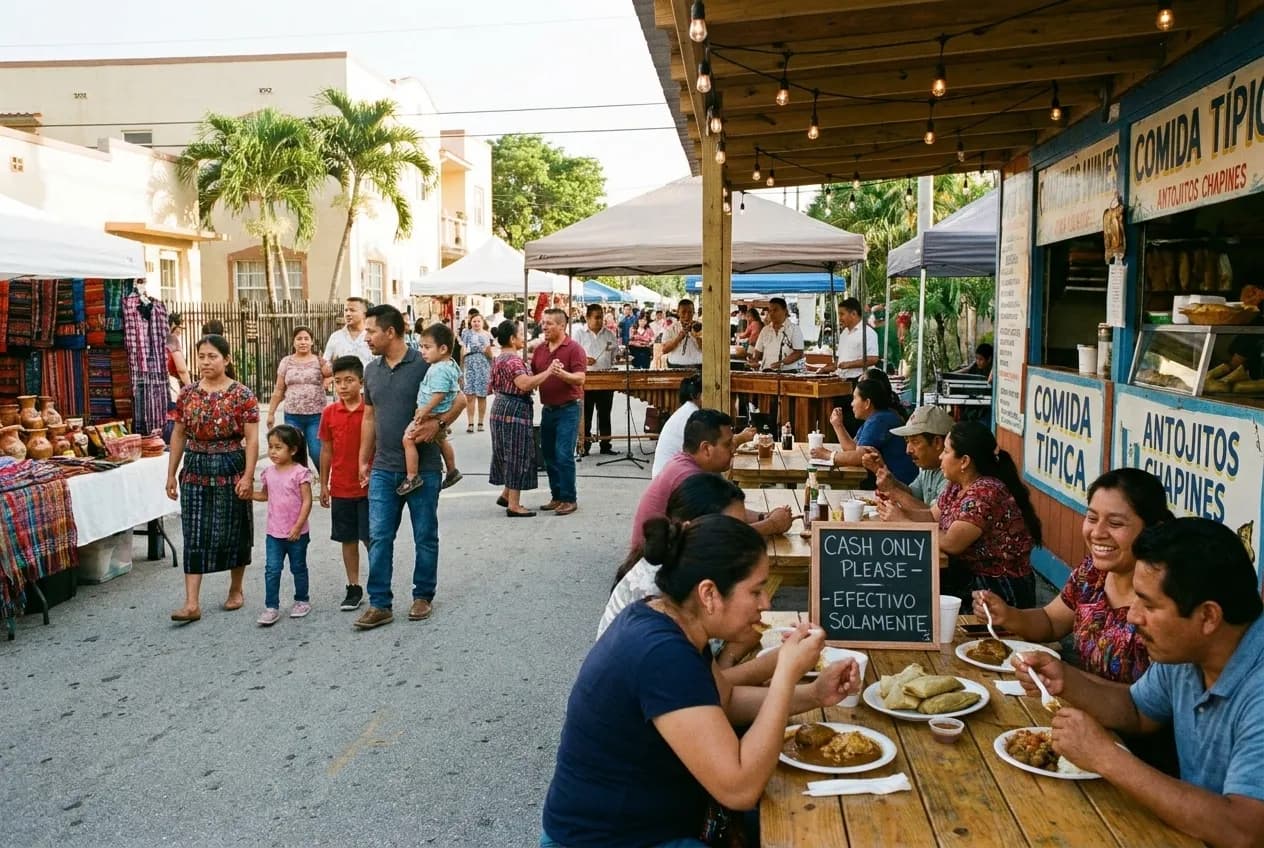
Guatemalan community markets in Miami typically operate on weekend mornings and early afternoons, with vendor arrival times staggered and the busiest, most vibrant hours often falling between 10 a.m. and 1 p.m. Confirming whether a market runs every Saturday or monthly, and whether it's held in a park, church parking lot, or community center, prevents wasted trips. These markets blend food vendors selling tamales and atol de elote with artisans offering handwoven huipiles, jade jewelry, and hand-painted ceramics, creating a sensory-rich environment that appeals to children and adults alike but can feel overwhelming if your group prefers structured activities over open-ended browsing.
Cash remains the dominant payment method at these markets, and while some vendors have adopted mobile payment apps, assuming you'll need bills and coins ensures smoother transactions. Asking vendors about the origins of textiles or the preparation methods for a particular dish often leads to richer interactions than simply purchasing and moving on—many vendors appreciate genuine interest and share stories that deepen the cultural experience. The tradeoff between arriving early for the fullest selection and arriving mid-morning when live music or cooking demonstrations might be underway depends on whether your group prioritizes shopping or cultural programming.
Community Events, Festivals, and Verification Steps
Guatemalan heritage celebrations in Miami range from intimate community gatherings to larger festivals marking Independence Day in September or other significant dates, but these events don't always appear on mainstream event calendars. Checking with Guatemalan cultural organizations, community centers, or the social media pages of active community groups provides more reliable information than general city event listings. Some celebrations take place in public parks—where Miami-Dade Parks, Recreation and Open Spaces maintains over 200 locations—while others occur in rented halls or church spaces, and knowing the venue type helps families prepare for parking, seating, and accessibility needs.
Event schedules at community celebrations often follow a flexible timeline, with activities like folkloric dance performances, children's craft workshops, or cooking demonstrations starting later than advertised or extending beyond posted end times. This fluidity reflects cultural norms around gathering and celebration but can frustrate families accustomed to strict schedules. Asking whether an event includes live music, dance performances, or hands-on activities helps set expectations, especially when traveling with children who need engaging programming rather than passive observation. Confirming whether food will be available for purchase, whether outside food is permitted, and whether restrooms and shaded areas are accessible makes the difference between a comfortable day and a logistical challenge.

Getting There: Transit and Parking Considerations
Reaching Guatemalan cultural destinations across Miami often requires a car, as many restaurants and community spaces sit outside the Metrorail and Metromover coverage areas. The Metromover, which operates free service from 5:30 a.m. to 10 p.m. seven days a week in downtown Miami, Brickell, and Omni areas, won't connect you to most Guatemalan community hubs, but it does offer free downtown access if you're combining a cultural outing with other activities. For families relying on public transit, checking Metrobus routes that serve neighborhoods with Guatemalan populations requires advance planning, and understanding that weekend bus frequencies may differ from weekday schedules prevents long waits at stops.
Parking at community events varies dramatically depending on venue—church parking lots may fill quickly during popular celebrations, while park-based events benefit from the larger lots maintained by Miami-Dade Parks. Arriving 20 to 30 minutes before a scheduled event start time usually secures parking and allows time to orient yourself, locate restrooms, and observe the setup. Some markets and festivals charge a small parking fee or request donations, so carrying small bills serves multiple purposes. The tradeoff between driving directly to a single destination and planning a route that connects multiple Guatemalan spots—a morning market, an afternoon restaurant meal, an evening community event—depends on your group's energy level and whether the logistics of moving everyone between locations feels manageable or exhausting.
Who This Weekend Plan Fits and What It Demands
This cultural weekend works best for families comfortable with unstructured exploration, friend groups interested in authentic experiences over polished tourist attractions, and anyone who finds joy in community-driven celebrations where you're a welcomed guest rather than a paying customer. Children gain exposure to a different cultural perspective, taste new foods in low-pressure environments, and see how communities maintain traditions across generations, but parents should prepare for sensory intensity—live music can be loud, markets can be crowded, and not every venue offers dedicated kids' spaces. Adults who appreciate folk art, traditional textiles, or regional cuisines find abundant opportunities to learn and purchase directly from makers and cooks.
The plan demands flexibility, a willingness to ask questions, and comfort with the fact that not every detail can be confirmed in advance. Unlike ticketed events with fixed start times and guaranteed programming, community cultural celebrations shift based on volunteer availability, weather, and participation levels. Bringing cash, arriving with an open mind about timing, and treating the day as an opportunity to participate in rather than simply observe a living culture transforms potential frustrations into memorable interactions. The reward for this flexibility is access to genuine cultural expressions, conversations with community members eager to share their heritage, and the satisfaction of supporting small businesses and artisans directly.
Tags: #GuatemalancultureMiami #weekendculturalevents #familyactivitiesMiami #Guatemalanrestaurants #communitymarkets #culturalfestivals #Miamiweekendplans #LatinAmericanheritage #authenticcuisine #familyfriendlyoutings #culturalexploration #weekendmarketsMiami
Sources consulted: Source 1: miamidade.gov · Source 2: miamidade.gov · Source 3: mdpls.org · Source 4: miamibeachfl.gov
All trademarks are the property of their respective owners.
Ask Karpo first
Ask Karpo to turn this Miami idea into a current plan for your date, budget, companion, transit preference, and energy level. Karpo can narrow the route and flag what to verify before you go.


