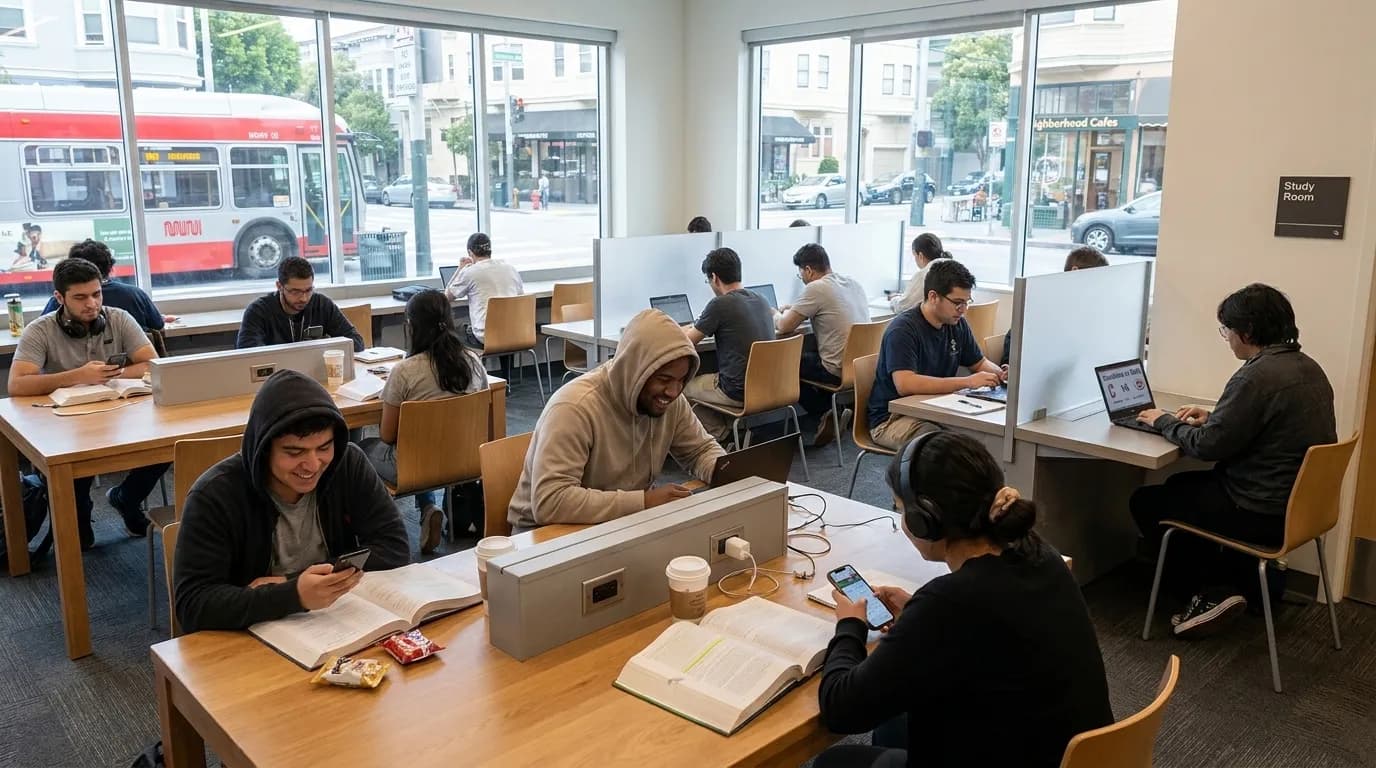
Late July into August marks the intersection of baseball season and back-to-school preparation, when college students and adult learners across San Francisco seek quiet, free study spaces that accommodate both focused coursework and occasional game-score checks. The guardians vs reds series unfolds during this transition period, and San Francisco Public Library branches provide an ideal solution: zero-cost study environments with extended hours, reliable Wi-Fi, and the flexibility to discreetly follow the game during breaks. Whether you're near SFSU, in the Richmond, or across the Sunset, library branches offer dedicated study rooms, open seating areas, and charging stations that support long study sessions without the pressure to purchase anything. The challenge lies in finding branches with strong connectivity, minimal crowding, and the right balance of quiet focus and flexible policies that let you check scores on your device without guilt.
Not sure which San Francisco library branch fits your study schedule and baseball-watching needs? Text Karpo to share your neighborhood, preferred study times, Wi-Fi requirements, and whether you need a private room or open seating. We'll match you with transit-accessible branches that balance quiet focus with the flexibility to follow the guardians vs reds series during breaks—and suggest nearby cafés for post-study game recaps.
Choosing Library Branches for Study and Game Updates
San Francisco Public Library operates multiple neighborhood branches, each with different seating configurations, Wi-Fi strength, and crowd patterns. Branches in the Richmond and Sunset neighborhoods tend to offer quieter environments compared to downtown locations, which see heavy tourist traffic during peak hours. When selecting a branch, prioritize those with dedicated study rooms that can be reserved in advance, ensuring you have a private space for longer sessions. Open seating areas work well if you prefer ambient activity, but confirm that the branch allows discreet use of headphones for audio streaming—policies vary by location. Charging stations are essential for multi-hour study sessions, especially if you're toggling between coursework and checking game scores on your device. Visit the San Francisco Public Library website to review branch amenities, hours, and reservation systems before committing to a location.
Timing Your Study Sessions Around Extended Hours
Late July into August often brings extended library hours to accommodate students preparing for the fall semester. Morning sessions—typically starting when branches open—offer the quietest environment with the fewest distractions, ideal for deep-focus work before checking afternoon game updates. Afternoon slots see moderate traffic but remain manageable outside downtown branches. Evening hours work well for those balancing daytime jobs or classes, though availability of study rooms may be limited. Check the San Francisco Public Library website for current hours at your preferred branch, as schedules can shift seasonally. Plan to arrive early if you need a specific seat or study room, and consider weekday visits over weekends when family traffic increases.
Transit Access and Neighborhood Fit
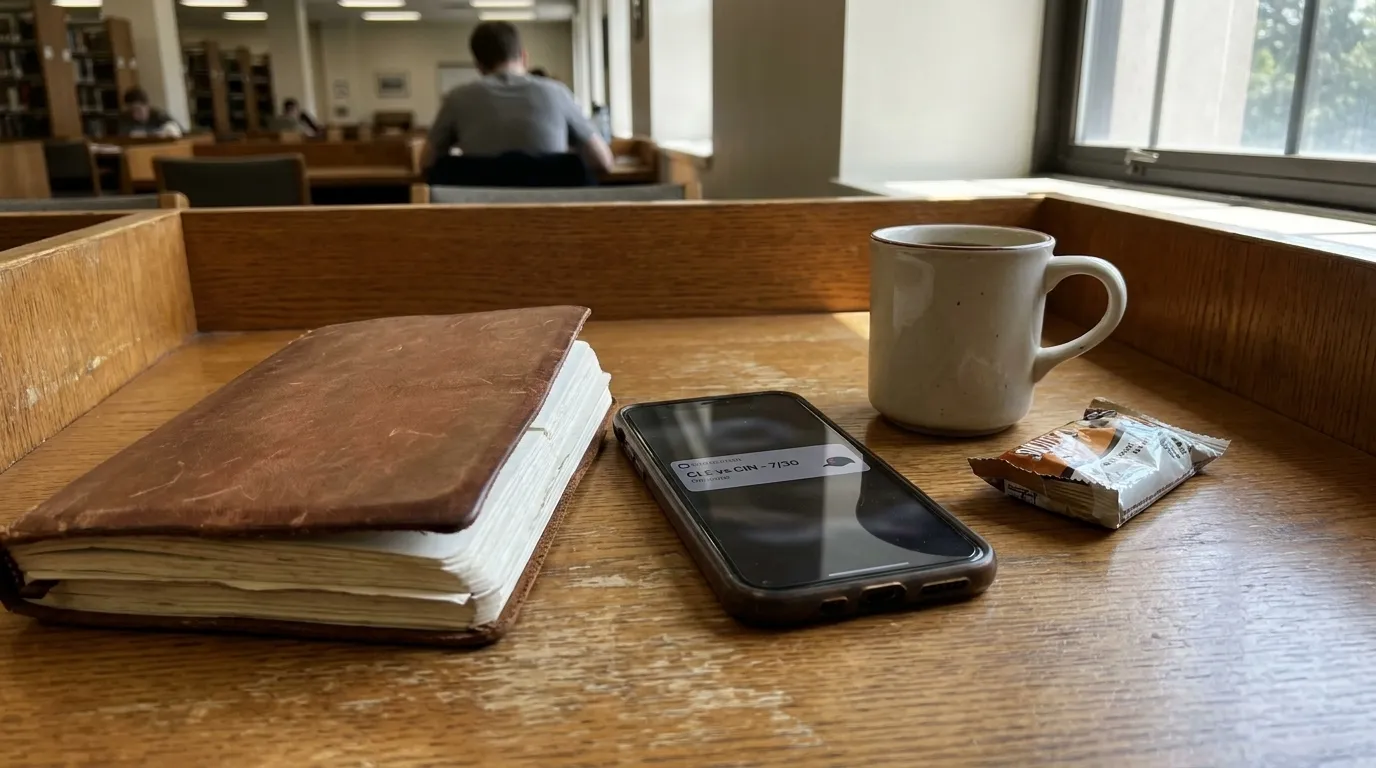
Transit-accessible library branches save time and eliminate parking hassles, especially for students commuting from campus or home. Branches near SFSU serve students in that area, while Richmond and Sunset locations connect via Muni bus lines that run frequently during daytime hours. Use the SFMTA website to map routes from your starting point to your chosen branch, and confirm return schedules if you're studying into the evening. Proximity to cafés matters for post-study breaks or game recaps—many neighborhoods around library branches offer coffee shops within a short walk where you can grab a snack or beverage for under ten dollars. Avoid downtown branches during peak tourist hours if you value quiet and available seating; neighborhood branches provide a more predictable, focused environment.
Wi-Fi Strength and Streaming Considerations
Not all San Francisco Public Library branches offer equally strong Wi-Fi, and connectivity can vary by room and time of day. Before settling into a multi-hour session, test the network speed on your device to ensure it supports both your coursework needs and occasional score checks or brief streaming. Some branches allow discreet audio streaming with headphones, while others maintain stricter quiet policies—clarify expectations with staff if you plan to listen to game audio during breaks. If Wi-Fi proves unreliable at your first-choice branch, have a backup location in mind, preferably one with a reputation for robust connectivity. Dedicated study rooms sometimes have better signal strength than open areas, so inquire about room availability if streaming is a priority.
Budget and Companion Fit
The core appeal of library study spaces is their zero cost—no purchase required, no pressure to vacate after an hour. This makes them ideal for students on tight budgets who need extended, uninterrupted time. If you want a coffee or snack, budget five to ten dollars for a nearby café visit before or after your library session. Libraries accommodate solo studiers and small groups equally well; if you're coordinating with classmates who also follow the guardians vs reds series, reserve a study room to discuss coursework and share game updates without disturbing others. Open seating areas suit individuals who prefer ambient noise and the flexibility to move around. Accessibility features vary by branch, so check the library website for details on elevators, accessible seating, and assistive technology if needed.
Backup Plans and Uncertainty Management
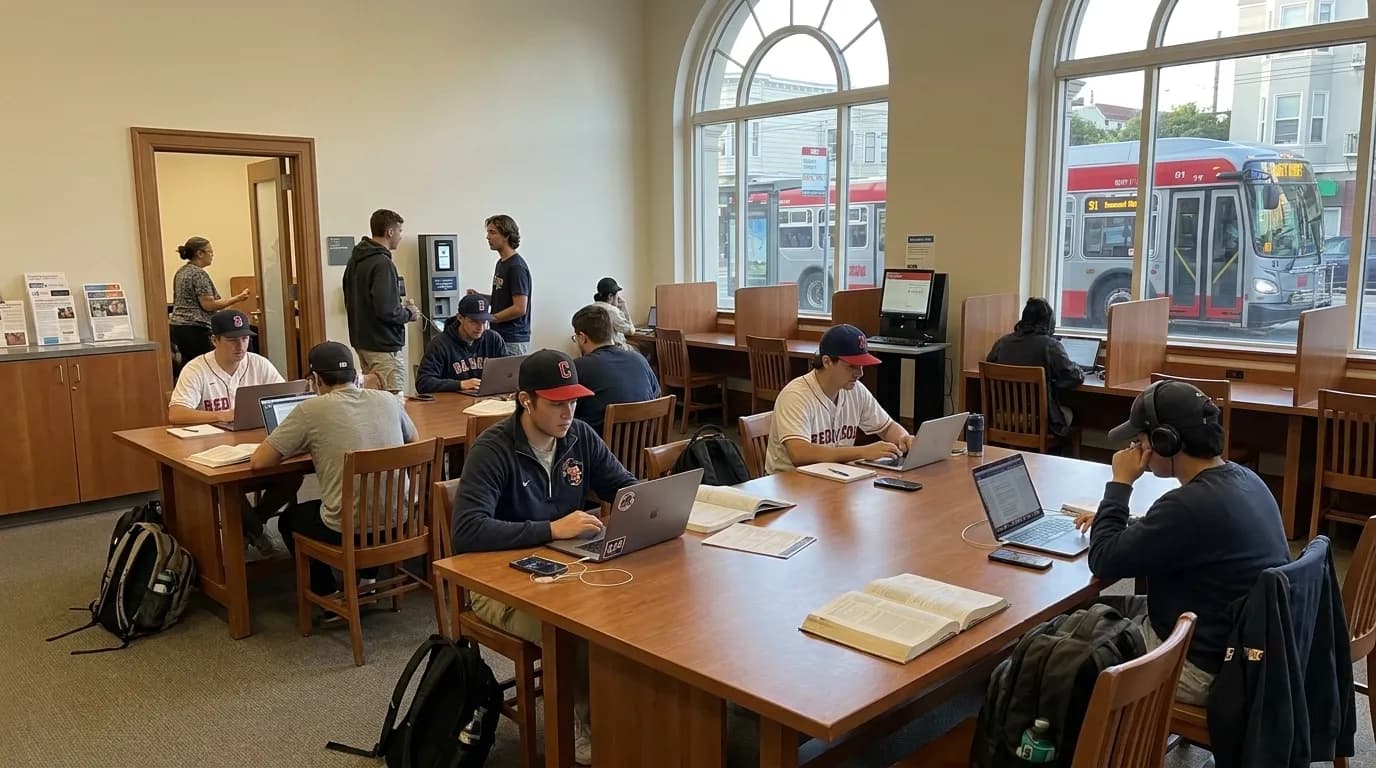
Even well-planned library visits can encounter unexpected crowding, Wi-Fi outages, or fully booked study rooms. Always identify a backup branch within reasonable transit distance before your session, prioritizing locations with similar amenities and quieter reputations. If your primary branch is packed, a quick Muni ride to a neighboring branch can salvage your study time. For days when you need guaranteed privacy and connectivity, consider splitting your session between the library for focused work and a nearby café for game recaps and lighter tasks. Keep a list of two or three preferred branches with their hours, amenities, and transit routes so you can pivot quickly. If streaming proves disruptive or against branch policy, rely on score-checking apps and text updates instead, saving full game viewing for home.
Making the Most of Study Breaks
Balancing coursework with baseball fandom requires intentional break planning. Set study intervals—such as 50 minutes of focused work followed by a 10-minute break—to check guardians vs reds scores without derailing your productivity. Use breaks to stretch, refill water, or step outside for fresh air, integrating quick score checks into these natural pauses. If you're in a study room with reliable Wi-Fi, a brief audio stream with headphones can provide a mental reset before returning to coursework. For longer breaks, walk to a nearby café to catch up on game highlights or discuss plays with fellow fans. This rhythm keeps you engaged with both your academic goals and the baseball series, reducing the guilt that comes from feeling torn between the two.
Tags: San Francisco Public Libraries, guardians vs reds, back to school study spaces, free study rooms San Francisco, SFSU study spots, Richmond library, Sunset library, transit-accessible libraries, college student study groups, baseball fandom, extended library hours, Wi-Fi study spaces, charging stations, quiet study environments, late summer study sessions, adult learners San Francisco
Sources consulted: mlb.com · sfpl.org · sfmta.com
All trademarks are the property of their respective owners.
Ask Karpo first
Tell Karpo which San Francisco neighborhood or campus you're near, your typical study schedule (morning, afternoon, evening), and whether you need a private study room or are fine with open seating. Also share your Wi-Fi needs, any accessibility preferences, and if you're open to library branches outside your immediate area for quieter spaces.


