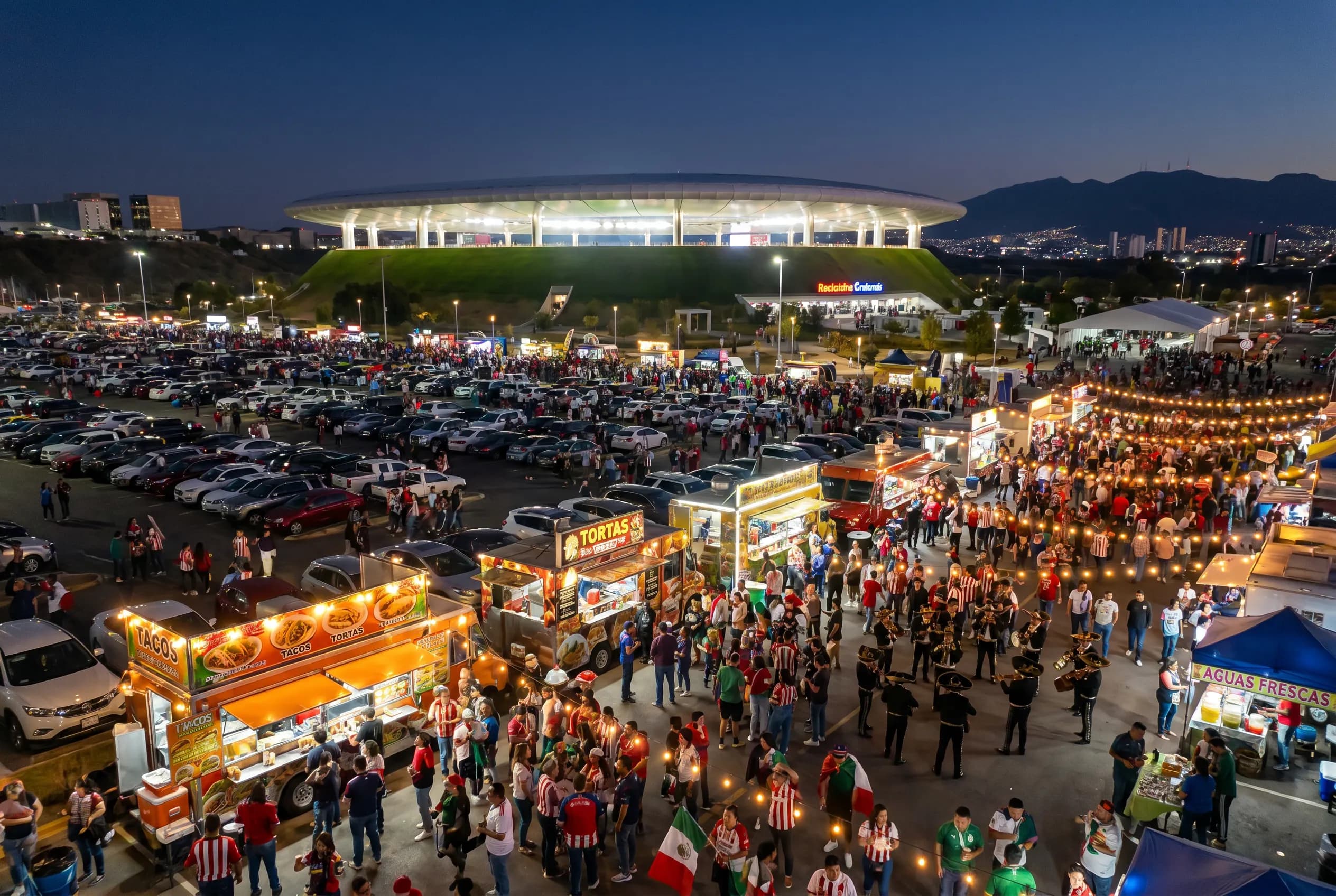
Guadalajara earned its six-match allocation for the 2026 FIFA World Cup because Estadio Akron delivers modern infrastructure in a city that lives and breathes football. The 48,071-seat venue sits in Zapopan, roughly twelve kilometers northwest of Guadalajara's historic center, surrounded by residential neighborhoods and commercial corridors that fill with supporters hours before kickoff. Unlike compact European cities where you walk from cathedral to stadium, Guadalajara rewards advance planning: the metro reaches nearby but not the gate, ride-share surge pricing can double fares after the final whistle, and the best birria is rarely closest to the turnstiles. This guide connects the dots between arrival, eating, exploring, and getting home so match day feels seamless rather than scrambled.
Karpo builds personalized Guadalajara match-day plans that sync your arrival time, taco preferences, and nightlife energy level into one text-based itinerary. Whether you want a quiet pre-match torta ahogada near Mercado Libertad or a post-victory bar crawl through Chapultepec, text Karpo your kickoff time and let us route your day from transport hub to final mezcal.
Getting to Estadio Akron Without the Stress
Guadalajara's Tren Ligero light-rail system offers three lines, but none delivers you directly to the stadium entrance. Line 3 brings you closest: ride to Estadio Akron station on the northwest branch, then walk approximately one kilometer south or catch a shuttle bus that typically runs on event days. Line 1 and Line 2 connect the historic center and Zapopan, so if you are staying downtown you will transfer at least once. Purchase your rechargeable Mi Movilidad card at any station; single rides cost a few pesos and the card works across metro and some bus routes. Expect crowded platforms ninety minutes before kickoff and plan to board two trains earlier than you think necessary.
Ride-share and taxi are faster but unpredictable on match days. Drivers know demand spikes, so fares from Centro Histórico to the stadium can triple in the two hours before kickoff and again immediately after the final whistle. If you choose this route, leave early or accept the premium. Many visitors book a return ride while still inside the stadium concourse, setting a pickup point one or two blocks away to avoid the scrum at the main gates. Parking exists in surrounding lots, but availability is limited and exit queues stretch long after night matches; if you rent a car for broader Jalisco exploration, park it at your hotel on match day and use public or shared transport.
Taco Geography Around the Stadium
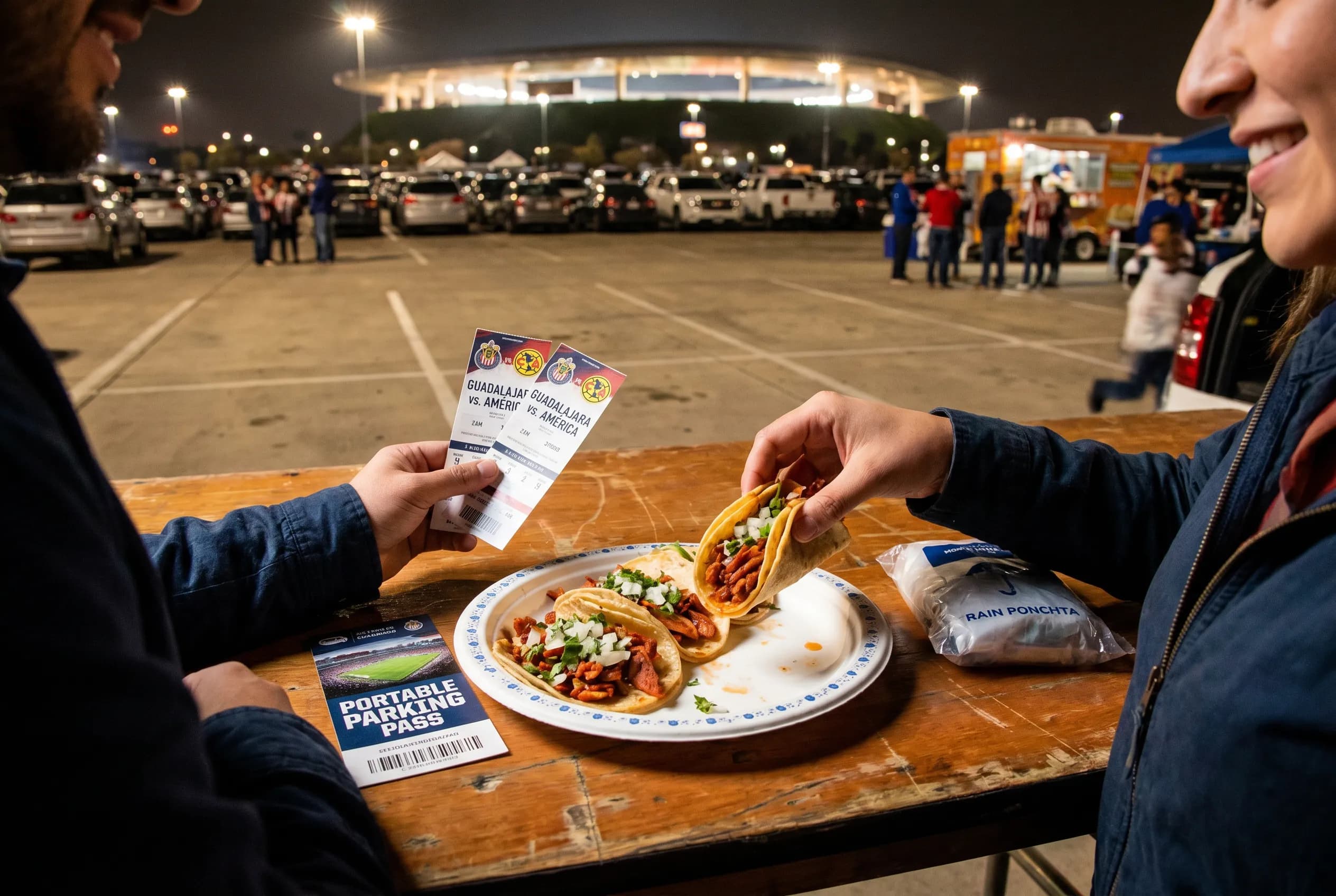
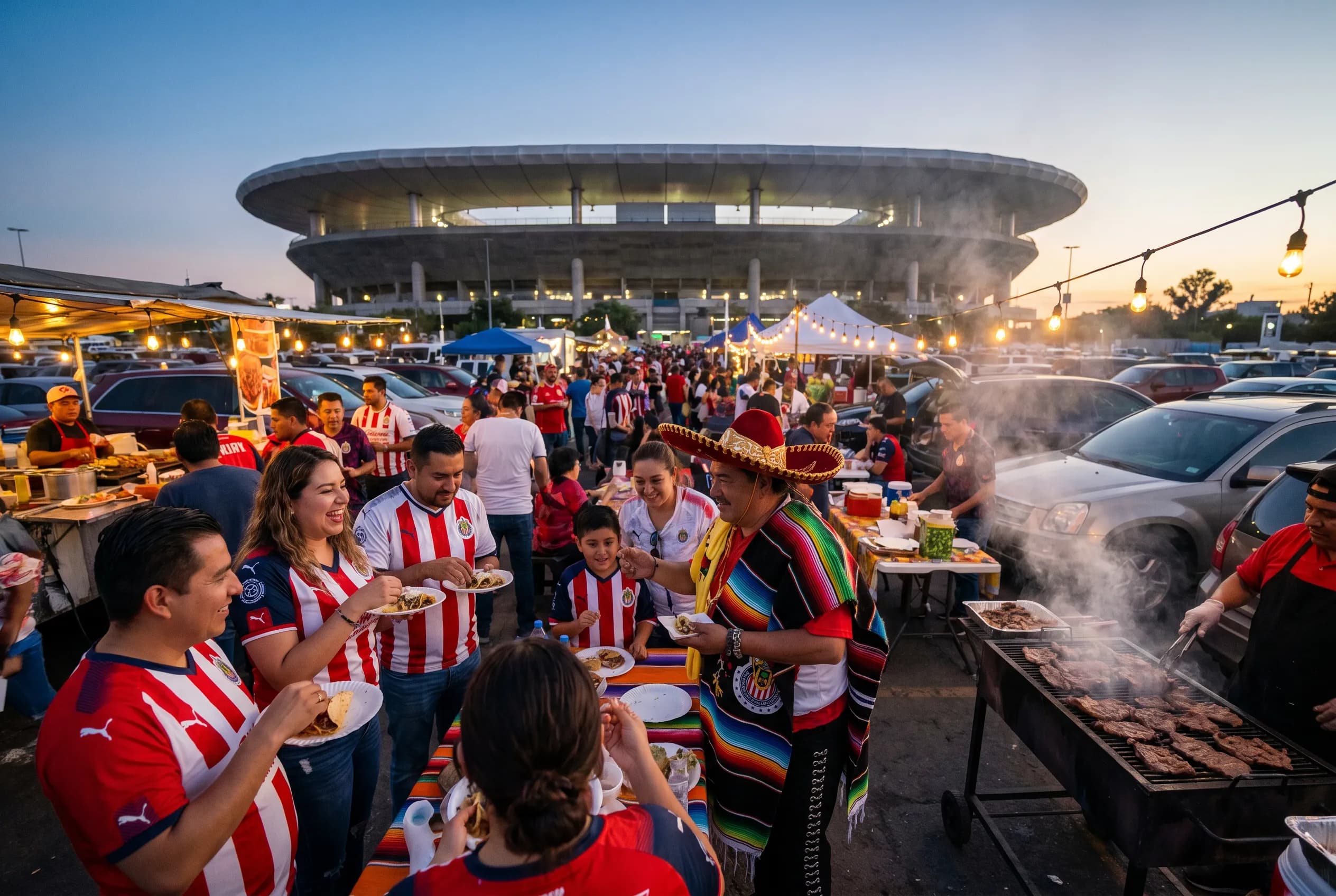
The blocks immediately surrounding Estadio Akron lean toward chain restaurants and convenience stores, not the family-run taquerías that define Guadalajara's food culture. For birria de res, barbacoa, or carnitas worth the detour, head to Zapopan's older neighborhoods two to three kilometers east. Avenida Patria and the side streets near Basílica de Zapopan concentrate decades-old stands where caldero pots simmer from dawn and tortillas come off the comal to order. Birria is the regional signature: slow-braised beef or goat in a chile-spiked consommé, served as tacos dorados with the broth on the side for dipping. Arrive by late morning if you want the full menu; some spots sell out by mid-afternoon on weekends and match days.
If your schedule is tight, the Mercado de Abastos area southeast of the stadium offers another taco cluster accessible by a short ride-share. Vendors here serve carne asada, al pastor, and tripa with speed and precision, ideal for a quick pre-match meal. Avoid eating inside the stadium unless you have no alternative; concession variety is limited and lines grow long by halftime. Pack patience, cash in small bills, and an appetite adjusted for generous portions. Taquerías rarely post hours online, but most operate Tuesday through Sunday from late morning until early evening, closing Monday or when the day's protein runs out.
Nightlife Districts Worth Your Evening
Guadalajara's after-dark energy concentrates in three walkable zones, each with distinct character. Chapultepec, a tree-lined neighborhood south of the stadium, packs its few blocks with bars, mezcalerías, and live-music venues that draw a mix of students, young professionals, and visitors. Expect craft-cocktail spots next to no-frills pulquerías, late-night taco carts on every corner, and crowds that spill onto sidewalks after midnight. The area is compact enough to explore on foot, and ride-share pickups are straightforward once you are ready to leave. Chapultepec suits groups looking for variety and a younger, louder atmosphere.
Centro Histórico offers a more varied pace. Plaza de Armas and the streets around the cathedral host upscale rooftop bars and hotel lounges where you can sip mezcal with a view of illuminated colonial facades. A ten-minute walk east brings you to smaller cantinas and mariachi bars where locals gather for Modelo Especial, botanas, and impromptu singalongs. The historic center is safer and better lit than it was a decade ago, but stay aware of your surroundings after midnight, keep valuables subtle, and travel in pairs or groups. Tlaquepaque, the artisan suburb southeast of downtown, turns quieter at night but rewards early-evening visits with courtyard restaurants, tequila tastings, and galleries that stay open past dinner.
Tortas Ahogadas and Late-Night Fuel
No Guadalajara match day is complete without a torta ahogada, the city's other edible icon. The sandwich starts with a birote salado, a crunchy sourdough roll, stuffed with carnitas and drowned in a thin, spicy tomato salsa. Some vendors add a second, fierier chile de árbol sauce on the side. The result is messy, salty, and exactly what you want after three hours of chanting. Torta ahogada stands cluster around Mercado Libertad (also called San Juan de Dios) in Centro Histórico, operating from mid-morning through late evening. A few mobile carts set up near Chapultepec and along Avenida México after dark, serving until the bars close.
If you are returning to your hotel past midnight, look for loncheras and taco carts near major intersections and transit hubs. These mobile kitchens serve quesadillas, vampiros, and carne asada tacos to night-shift workers, bar crowds, and anyone else awake. Quality varies, so follow the line: a cart with a queue of locals at two in the morning is a safer bet than an empty one. Carry small bills, since change can be scarce, and confirm the price before ordering to avoid confusion. Street food is generally safe if the vendor is busy and the grill is hot, but trust your judgment and skip anything that looks or smells off.
Safe Return Routes After the Final Whistle
Crowds exit Estadio Akron in waves, with the largest surge five to ten minutes after the final whistle. If you are taking the Tren Ligero, consider waiting fifteen minutes inside or near the stadium concourse to let the first rush clear; trains add extra service on match days, but platforms fill quickly. Walking to the Estadio Akron station in a group is straightforward, and the route is well lit and patrolled. Once on the train, stay alert, keep bags zipped and close, and avoid displaying phones or cameras unnecessarily. The system runs until around midnight on most nights, with extended hours likely for evening World Cup fixtures, but confirm the last-train schedule in advance.
Ride-share is the most flexible return option if you are heading to Chapultepec, Tlaquepaque, or a hotel outside the metro network. To avoid surge chaos, walk two or three blocks away from the main stadium exits before requesting your ride; this reduces wait times and often cuts the fare. Solo travelers should share their ride details with a friend and sit in the back seat. Taxis are abundant but less transparent on pricing; agree on a fare before entering or insist the driver use the meter. If you are staying in Centro Histórico and the metro has stopped running, a taxi from the stadium should cost a fixed amount, but confirm the rate at your hotel beforehand so you have a reference. Traveling in pairs or small groups remains the safest and most economical choice for late-night returns.
Timing Your Day for Maximum Enjoyment
A seven-evening kickoff gives you the full day to explore, but it also means navigating Guadalajara's afternoon heat and planning a late dinner. Start with a mid-morning visit to Tlaquepaque or a historic-center walking tour, break for a long lunch of birria or torta ahogada, then return to your hotel to rest and change before heading to the stadium by late afternoon. This rhythm matches local habits and keeps you fresh for ninety minutes of standing, singing, and celebrating. If kickoff is at one in the afternoon, reverse the plan: light breakfast, early arrival at the stadium, then a post-match meal and evening exploration once the sun softens.
Buffer time is your friend. Add thirty minutes to every estimated journey, especially on match days when traffic thickens and platforms crowd. Carry a portable battery for your phone, since you will rely on maps, ride-share apps, and messaging throughout the day. Download offline maps of Guadalajara and the metro system in case data is slow. Hydrate more than you think necessary; Guadalajara sits at fifteen hundred meters elevation, and the combination of sun, crowds, and excitement can leave you depleted faster than at sea level. A deliberate pace and a flexible mindset turn potential stress into the kind of day you will recount for years.
Tags: #WorldCup2026 #Guadalajara #EstadioAkron #Zapopan #TravelGuide #Tacos #Nightlife #PublicTransport
Sources consulted: FIFA Guadalajara destination · Guadalajara tourism
All trademarks are the property of their respective owners.
Ask Karpo First
Karpo turns this general guide into a personalized match-day plan that fits your arrival time, group size, food priorities, and energy level. Text us your kickoff, hotel location, and whether you want a quiet pre-match meal or a full nightlife tour, and we will route your day with transport times, taquería recommendations, and a safe return plan. Let Karpo handle the logistics so you can focus on the atmosphere, the football, and the birria.